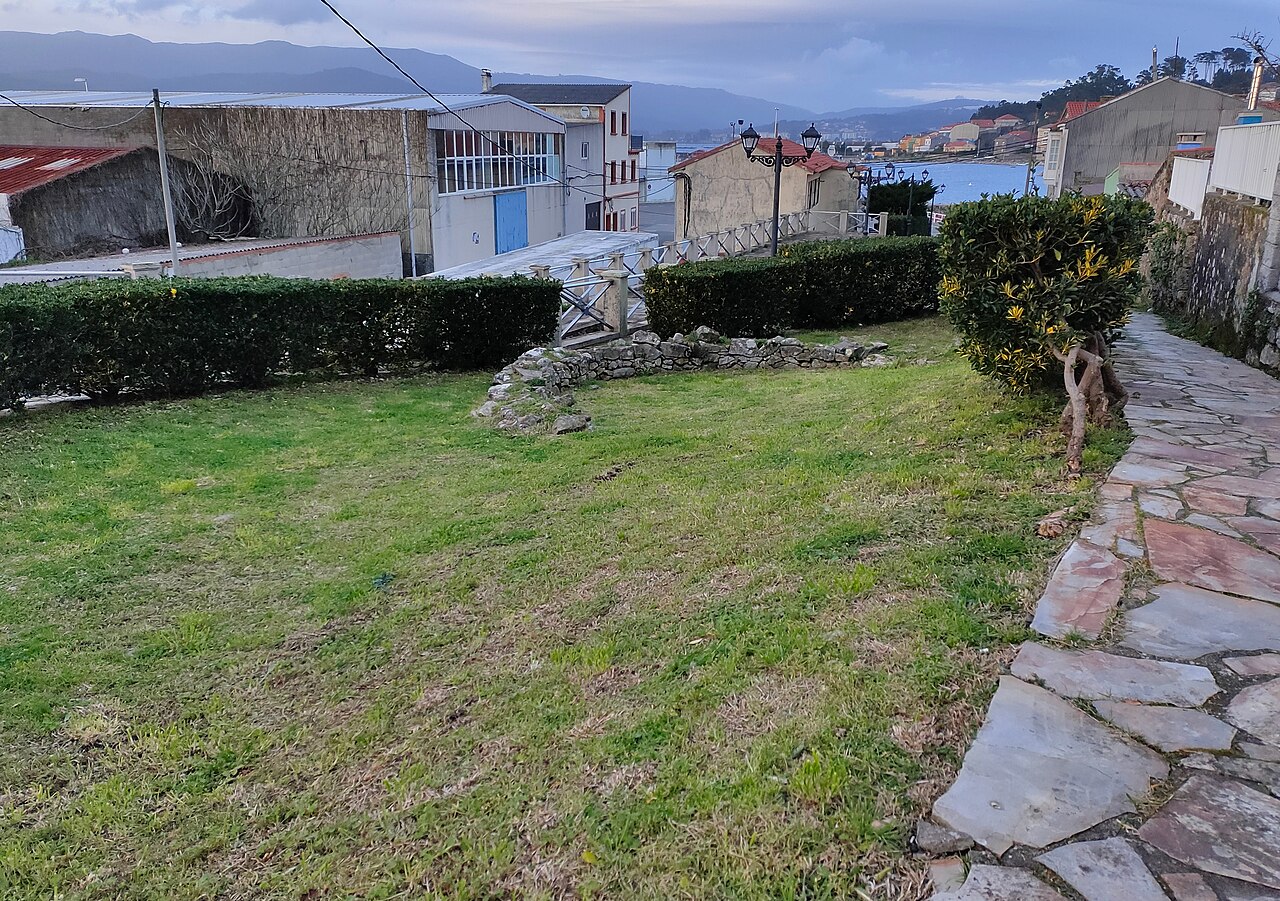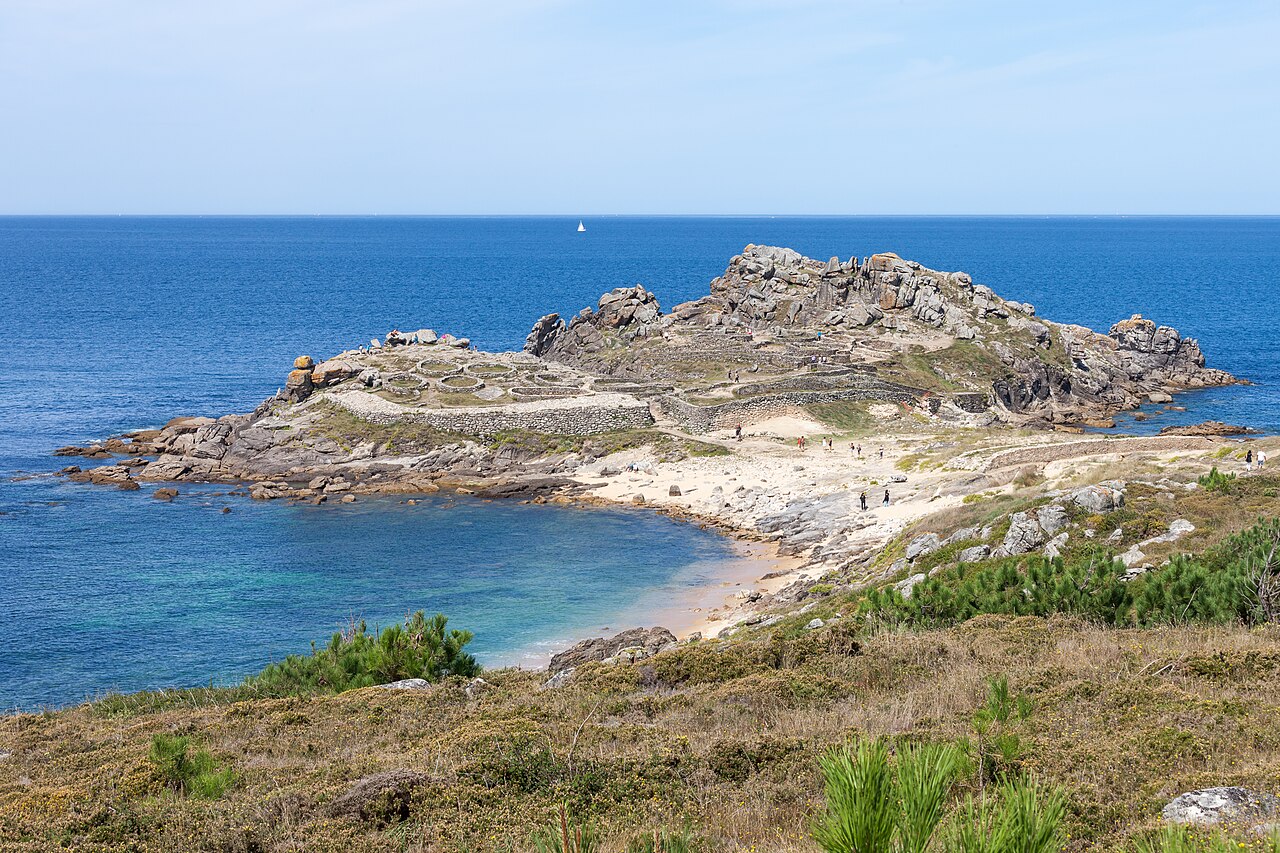
Castro of A Cidá is an archaeological site located in the Province of A Coruña, in the autonomous community of Galicia, Spain. This site represents the remains of a fortified settlement typical of the Iron Age culture in northwestern Iberia, known as the castro culture. The settlement dates back to the late prehistoric period, approximately from the 1st millennium BCE, and it provides valuable insight into the defensive architecture and social organization of the communities inhabiting this region before Roman conquest.
Historical context and significance
The castros were fortified hilltop settlements characteristic of the northwestern Iberian Peninsula, particularly in Galicia and northern Portugal. The Castro of A Cidá exemplifies this tradition, reflecting the strategic importance of elevated positions for defense and surveillance. These settlements were typically surrounded by stone walls and ditches, serving as protection against rival groups and invaders.
The Castro of A Cidá is part of a broader network of similar sites that illustrate the cultural and social dynamics of the region during the Iron Age. It is an important archaeological resource for understanding the transition from prehistoric to Roman times in Galicia, as many castros were later Romanized or abandoned following Roman expansion.
Architectural features and layout
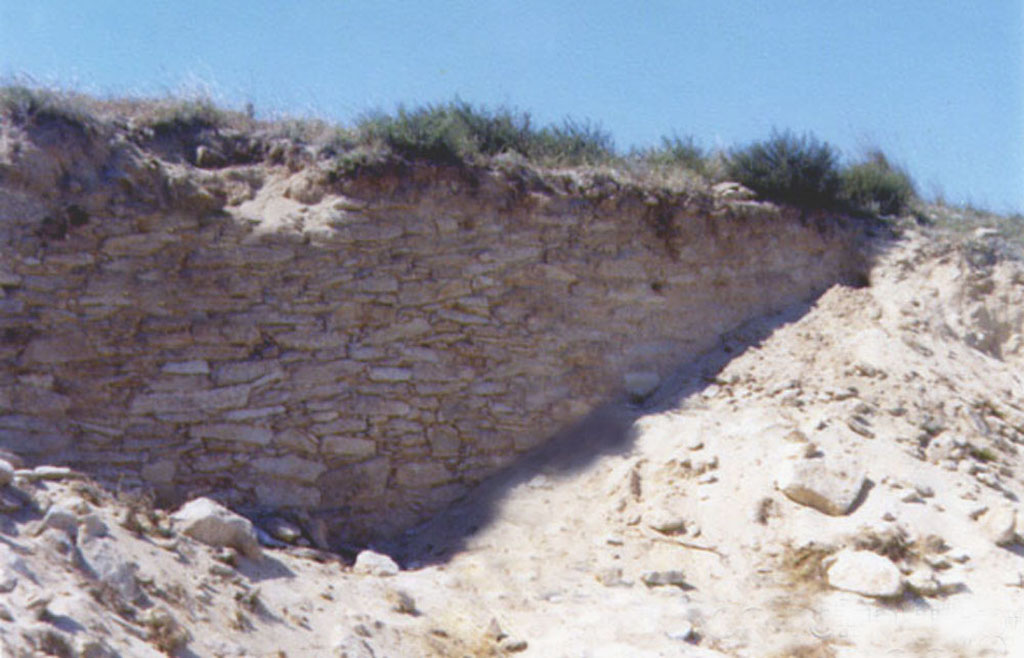
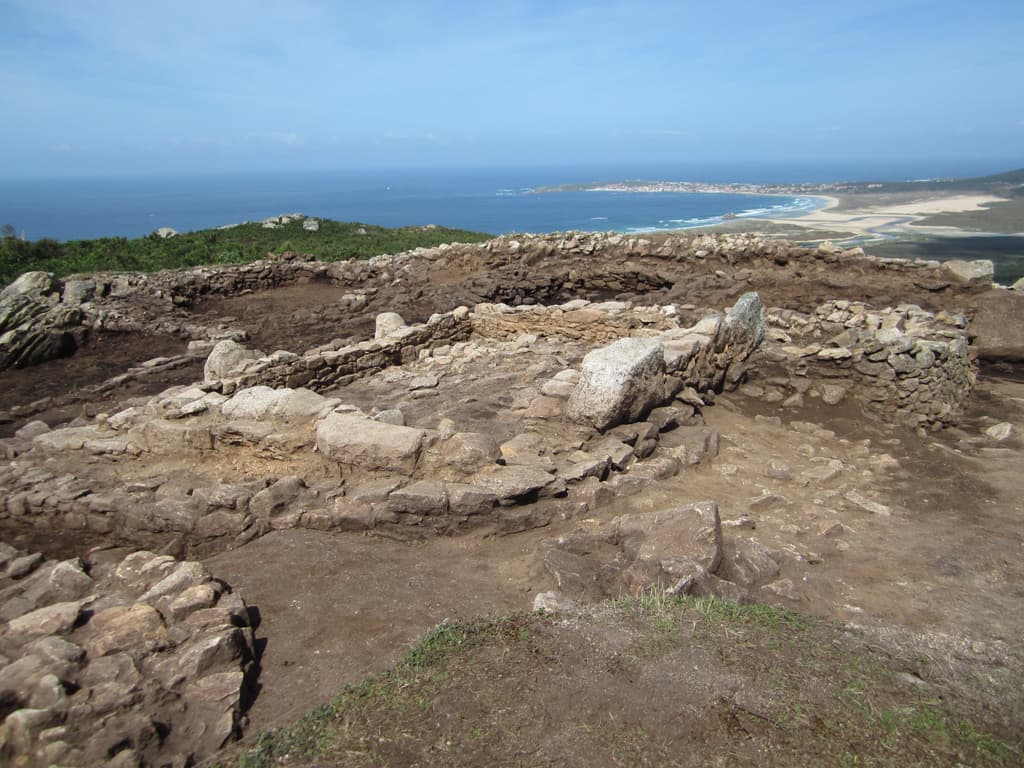
The site consists of ruined defensive walls constructed from local stone, which once enclosed a settlement area that included residential huts, communal spaces, and possibly small workshops. The walls were likely reinforced with ramparts and surrounded by a ditch or moat to enhance defense.
The typical circular or oval-shaped stone houses within the castro would have had thatched roofs and earth floors. The layout suggests a compact community organized around a central space or courtyard, which may have served as a gathering or ceremonial area.
Defensive structures
The fortifications at Castro of A Cidá include remnants of curved stone walls that follow the natural contours of the hill, maximizing defensive advantage. The entrance would have been narrow and easily defensible, possibly with a gatehouse or guard post.
Archaeological research and preservation
Excavations at the site have uncovered pottery fragments, tools, and other artifacts that shed light on the daily life and material culture of its inhabitants. These findings contribute to the broader understanding of the castro culture and its evolution over centuries.
Currently, the site is classified as ruins and is an important cultural heritage location. Preservation efforts focus on stabilizing the remaining structures and facilitating public access for educational and touristic purposes.
Visiting the castro of a cidá
Visitors to Castro of A Cidá can explore the remains of this ancient fortified settlement, gaining insight into the Iron Age communities of Galicia. The site offers panoramic views of the surrounding landscape, enhancing the experience of understanding its strategic location.
Information panels and guided tours may be available to help visitors appreciate the historical and architectural significance of the site. As an archaeological ruin, the site requires careful respect and preservation by visitors.
Frequently asked questions (FAQ)
- How do I get to the Castro of A Cidá?
- The Castro of A Cidá is located in the province of Ourense, Spain. Visitors can reach it by car or public transport, with several bus routes connecting nearby towns. Once in the area, a short hike will lead you to the castle's entrance.
- What is the historical significance of the Castro of A Cidá?
- The Castro of A Cidá is an ancient Celtic hill fort that dates back to the Iron Age. It showcases the rich history of the region and offers insight into the lives of the ancient Galicians. The site is an important archaeological landmark, reflecting the strategic military and cultural significance of the area.
- When was the Castro of A Cidá built?
- The origins of the Castro of A Cidá can be traced back to the 3rd century BC, making it one of the oldest structures in the region. Over the centuries, it has undergone various modifications and restorations, reflecting the architectural styles of different periods. Its enduring presence speaks to the historical importance of the site.
- Can I visit the Castro of A Cidá year-round?
- Yes, the Castro of A Cidá is open to visitors throughout the year. However, it is advisable to check for any seasonal closures or maintenance updates on the official website before planning your visit. The site offers a unique experience in every season.
- Why is the architecture of the Castro of A Cidá unique?
- The architecture of the Castro of A Cidá is characterized by its defensive walls and circular stone structures, typical of Celtic settlements. Its strategic location on a hill provides stunning panoramic views and demonstrates how ancient civilizations utilized their environment for protection. The blend of natural and architectural elements makes it a fascinating site for visitors.
- Is it possible to access the Castro of A Cidá with limited mobility?
- The Castro of A Cidá features some uneven terrain and may present challenges for visitors with limited mobility. While the main pathways can be navigated with care, it is best to contact the site beforehand to inquire about accessibility options and any available assistance. Planning your visit ahead of time can enhance your experience.
- What are the opening hours for the Castro of A Cidá?
- The opening hours for the Castro of A Cidá vary depending on the season. Typically, it is open from 9 AM to 7 PM during the warmer months and may have reduced hours in the winter. Always check the official site for the most current information before your visit.
- What are the ticket prices for visiting the Castro of A Cidá?
- Entrance to the Castro of A Cidá is generally free, making it an accessible destination for all visitors. However, there may be fees for guided tours or special events. To ensure you have the latest details on pricing, it's best to visit the official website prior to your trip.
- What are some nearby attractions to the Castro of A Cidá?
- Nearby attractions include the picturesque town of Ourense, known for its thermal baths and historic architecture. Additionally, the region is dotted with beautiful natural parks and hiking trails, perfect for exploring the stunning Galician landscape. Combining a visit to the castle with nearby sites can enhance your experience.
Photo gallery

Information
Loading map...
Visitor reviews
No reviews yet. Been here? Write the first review and help other travelers!
Write the first reviewVisited this castle? Share your experience
Your review helps other travelers and adds first-hand knowledge to our encyclopedia.