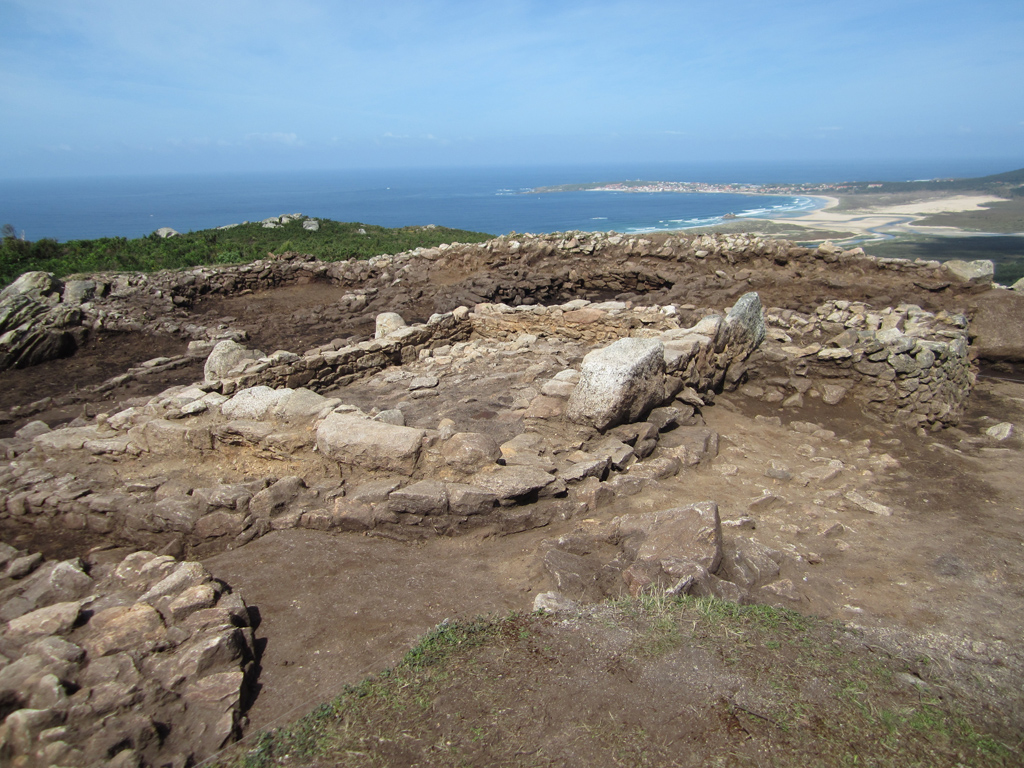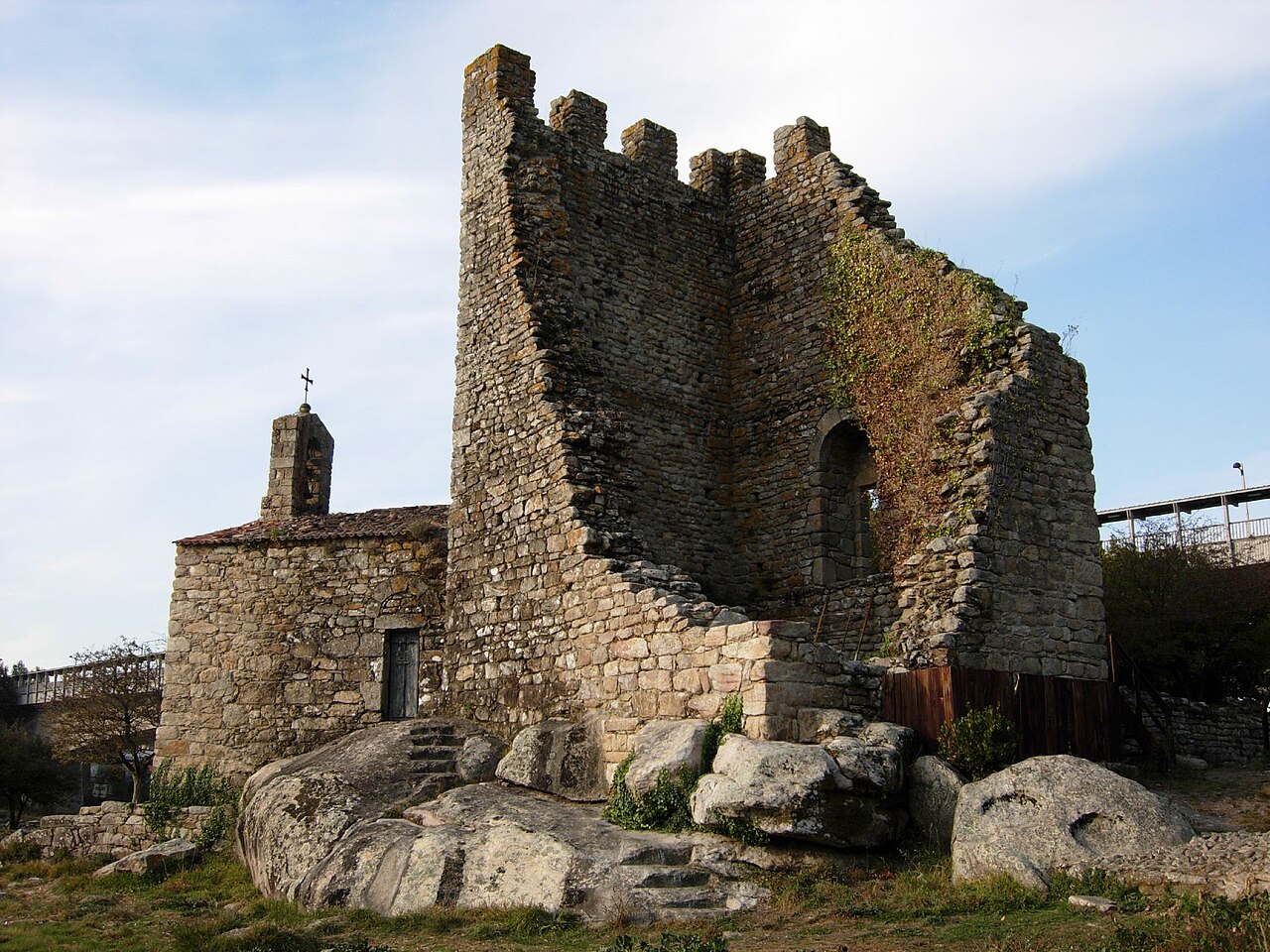
Castro de Achadizo is an Iron Age fortification situated in the Province of A Coruña, within the autonomous community of Galicia, Spain. This archaeological site represents a classic example of a coastal castro settlement, a type of fortified hilltop village characteristic of the northwestern Iberian Peninsula during the Iron Age. The site was primarily inhabited between the 6th and 2nd centuries BC, offering valuable insights into the prehistoric communities of the region.
Historical context and significance
The castro culture flourished in Galicia and northern Portugal during the late Bronze Age and Iron Age. These settlements were typically established on hilltops or coastal promontories to take advantage of natural defensive features. The Castro de Achadizo exemplifies this tradition, with its strategic location overlooking the coast, which provided both protection and access to maritime resources.
During its period of occupation, the site would have been a small but complex community engaged in agriculture, animal husbandry, and possibly trade with other Atlantic cultures. The castro settlements are often linked to the Celtic peoples who inhabited the region before Roman conquest, although the precise ethnic identity remains a subject of scholarly discussion.
Architectural features and layout
The morphology of Castro de Achadizo is typical of coastal castros, characterized by a roughly circular or oval fortified enclosure adapted to the natural terrain. Excavations have revealed the foundations of several residential structures, which were likely circular or oval stone houses with thatched roofs. These dwellings were arranged within the defensive perimeter, forming a compact village.
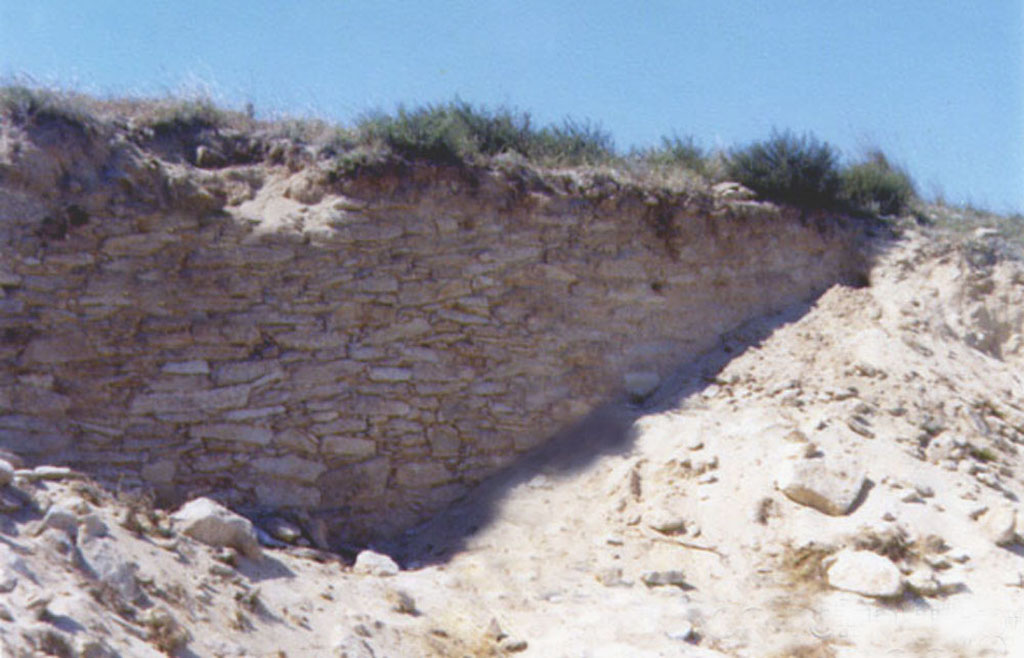
Remnants of the stone defensive wall have been uncovered, indicating a well-planned fortification system designed to protect the inhabitants from external threats. The wall construction techniques reflect the use of local stone materials, assembled into dry stone masonry without mortar, a common practice in castro architecture.
Archaeological work has also identified several landfills or refuse pits within the settlement, which provide important evidence about the daily life, diet, and material culture of its occupants. These features help archaeologists reconstruct the economic activities and social organization of the community.
Impact of modern development and preservation efforts
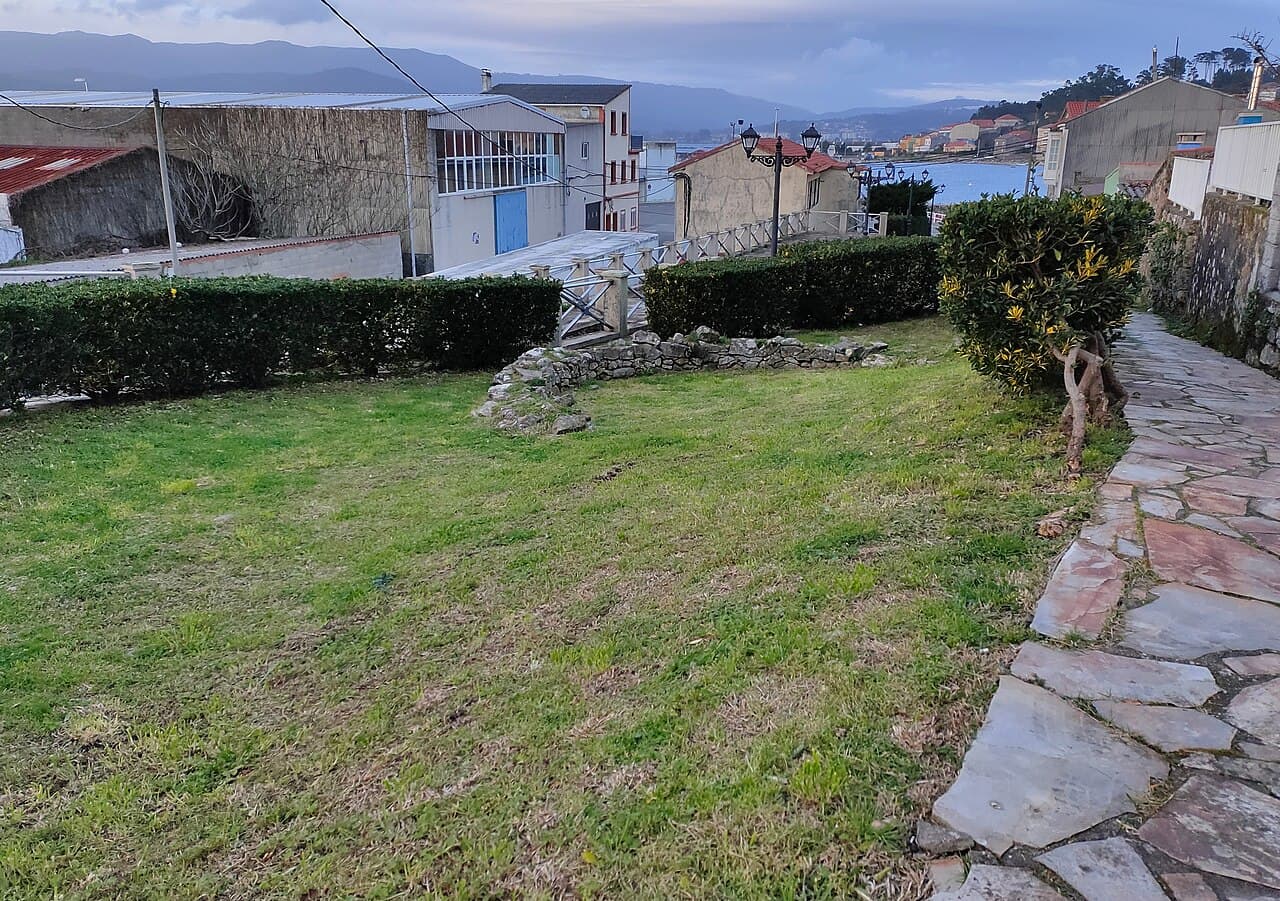
The current appearance of Castro de Achadizo is significantly affected by modern development. A neighborhood has been constructed over a large portion of the archaeological area, which has distorted the original morphology and limited the extent of visible remains. Despite this, careful excavations have been conducted, and the most important findings have been consolidated to prevent further deterioration.
Efforts to preserve the site include the installation of informative signage and integration of the archaeological remains into a public recreation area. This approach allows visitors to engage with the site’s historical significance while protecting the fragile ruins. The combination of preservation and public access reflects a growing recognition of the cultural heritage value of castro sites in Galicia.
Archaeological research and findings
Excavations at Castro de Achadizo have contributed to the broader understanding of Iron Age settlements along the Galician coast. The recovered architectural remains, including house foundations and defensive structures, illustrate construction methods and settlement planning typical of the period.
Material culture unearthed at the site, such as pottery fragments, stone tools, and other artifacts, provide clues about the technological capabilities and daily practices of its inhabitants. These findings help situate the castro within the wider context of Atlantic European prehistory and the transition from Bronze Age to Iron Age societies.
Visiting the site
Today, Castro de Achadizo stands as an archaeological ruin accessible to the public. While much of the original structure is no longer visible due to modern encroachment, the preserved areas offer a glimpse into ancient fortification techniques and settlement patterns. Visitors can explore the site within the public park, where interpretive panels provide historical background and explain the significance of the remains.
The site’s location in Galicia makes it part of a rich network of castro settlements, many of which are open to visitors interested in prehistoric archaeology and early European history.
Frequently asked questions (FAQ)
- How do I get to Castro de Achadizo?
- Castro de Achadizo is located in Spain, easily accessible by car or public transport. If driving, follow the local road signs, and ample parking is available nearby. For public transport, check local bus routes that connect to nearby towns.
- What is the historical significance of Castro de Achadizo?
- Castro de Achadizo is a remarkable example of medieval architecture and offers insights into the region's history during the Middle Ages. The castle served as a strategic military stronghold, reflecting the turbulent history of the area. Its well-preserved structure provides a fascinating glimpse into the past.
- When was Castro de Achadizo built?
- Castro de Achadizo was constructed in the 12th century, during a time when fortifications were critical for defense. The castle's architecture showcases the design styles prevalent in that era. Its historical context is significant for understanding the development of medieval fortifications in Spain.
- Can I visit Castro de Achadizo year-round?
- Yes, Castro de Achadizo is open to visitors year-round, but opening hours may vary by season. It is advisable to check the official website or local tourist information for the most current visiting hours. This allows you to plan your visit accordingly.
- Why is Castro de Achadizo considered an architectural gem?
- Castro de Achadizo is considered an architectural gem due to its impressive stonework and unique design features typical of medieval castles. The blend of functionality and artistry in its construction highlights the skills of the builders of that era. Visitors often admire its towers and defensive walls, which remain largely intact.
- Is it possible to take guided tours of Castro de Achadizo?
- Yes, guided tours of Castro de Achadizo are available, providing visitors with in-depth knowledge of its history and architecture. These tours are led by knowledgeable guides who share fascinating stories and insights about the castle. Booking in advance is recommended, especially during peak tourist seasons.
- What are the ticket prices for visiting Castro de Achadizo?
- Ticket prices for Castro de Achadizo are generally affordable, with discounts available for students and seniors. Special family packages may also be offered to encourage group visits. It's best to check the official website for the most up-to-date pricing and any special promotions.
- When is the best time to visit Castro de Achadizo?
- The best time to visit Castro de Achadizo is during the spring and early autumn when the weather is mild and pleasant. These seasons offer comfortable temperatures for exploring the castle and its surroundings. Additionally, visiting during off-peak times can provide a more enjoyable and less crowded experience.
- What nearby attractions can I explore after visiting Castro de Achadizo?
- After visiting Castro de Achadizo, you can explore several nearby attractions, including charming local villages and beautiful natural parks. The region is rich in culture and history, with other historical sites and scenic hiking trails. Be sure to ask local staff for recommendations to enhance your visit.

Information
Loading map...
Visitor reviews
No reviews yet. Been here? Write the first review and help other travelers!
Write the first reviewVisited this castle? Share your experience
Your review helps other travelers and adds first-hand knowledge to our encyclopedia.