Castleboro House
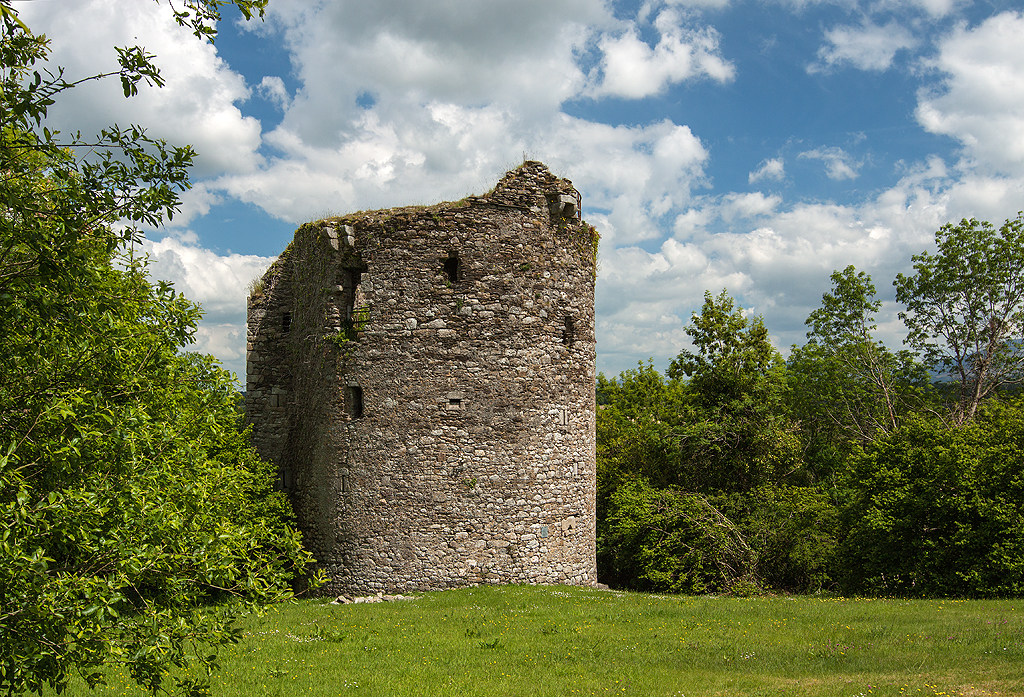
Castleboro House stands as a poignant ruin on Irish farmland near the Forestalstown river in County Wexford, Ireland. Once a magnificent manor house, it embodied the grandeur and architectural elegance of the late 18th century before its tragic destruction in the early 20th century. The estate's history is deeply intertwined with Ireland's turbulent political landscape, reflecting both the opulence of the landed gentry and the devastating impact of rebellion.
The origins and architectural grandeur of castleboro house
Constructed in 1770 by the notable Irish politician Rob Carew, Castleboro House was designed as a stately three-story manor that showcased the wealth and social standing of its owner. The architectural style of the house was influenced by the Georgian period, characterized by symmetry, proportion, and classical details. One of the most striking features of the house was its two-story entryway, which was flanked by imposing Corinthian columns, a hallmark of classical architecture that conveyed grandeur and elegance.
The manor was not only impressive for its structural design but also for its extensive and beautifully maintained gardens. These gardens were renowned in the region and were generously opened to the public, reflecting the Carew family's reputation for hospitality and community engagement. The estate's construction cost was estimated at a substantial £200,000, a testament to the scale and luxury of the property during that era.
Fires, restoration, and the impact of political unrest
Castleboro House's history was marked by two significant destructive events. The first fire occurred in 1840, an accident that devastated much of the mansion, sparing only the west wing. Despite this setback, the house was largely rebuilt and refurbished by the early 20th century, restoring much of its former splendor and continuing to serve as a symbol of the Carew family's status.
However, the manor's fortunes changed dramatically during the period known as "The Troubles" in Ireland. In 1923, amid the Irish War of Independence and subsequent civil unrest, IRA sympathizers raided Castleboro House and set it ablaze. This deliberate act of destruction was part of a broader campaign against symbols of British influence and Anglo-Irish aristocracy. The fire inflicted irreparable damage, and the estate was never restored to its former glory.
Architectural features and estate layout
The original layout of Castleboro House included a grand main building with multiple stories, extensive living quarters, and formal reception areas designed to impress visitors. The Corinthian columns at the entrance were complemented by detailed stonework and large sash windows that allowed natural light to flood the interiors. The estate also featured outbuildings and service quarters necessary for the operation of such a large manor.
The gardens surrounding the house were carefully designed with walking paths, ornamental flower beds, and possibly water features, typical of Georgian landscaping trends. These grounds served both aesthetic and recreational purposes, contributing to the estate's reputation as a welcoming and cultured environment.
Legacy and current state
Today, Castleboro House remains a ruined testament to Ireland's complex history. The remnants of the manor stand silently amidst farmland, a stark reminder of the cultural and political upheavals that led to its downfall. While the estate has never been restored, it continues to attract interest from historians, architects, and visitors intrigued by its story and the architectural heritage it represents.
The ruins offer valuable insight into the Georgian architectural style and the lifestyle of the Irish gentry in the 18th and 19th centuries. Preservation efforts focus on maintaining the site as an important cultural landmark rather than rebuilding it, allowing the ruins to tell their story authentically.
Visiting castleboro house
Castleboro House is located in a rural setting near the Forestalstown river, accessible to visitors interested in Irish history and architecture. As a ruin, it provides a different experience from fully restored castles, offering a glimpse into the past through its surviving structures and surrounding landscape. Visitors should prepare for a more rugged exploration and respect the site's historical significance during their visit.
Frequently asked questions about castleboro house
- What is the historical significance of Castleboro House?
Castleboro House represents the grandeur of 18th-century Irish manor architecture and reflects the political and social upheavals of Ireland, particularly during the early 20th century. - Can visitors explore the gardens of Castleboro House?
While the original gardens were once open to the public, today the estate is in ruins, and the gardens no longer exist in their former state. Visitors can explore the surrounding farmland and remnants of the grounds. - When was Castleboro House destroyed?
The manor suffered two major fires: an accidental fire in 1840 and a deliberate burning by IRA sympathizers in 1923, the latter causing irreversible damage. - Is Castleboro House accessible to the public?
Yes, visitors can access the ruins, but facilities are limited due to its condition as a ruin and rural location. It is advisable to check local access information before visiting. - What architectural style is Castleboro House?
The house was built in the Georgian style, featuring classical elements such as Corinthian columns and symmetrical design. - Why was Castleboro House targeted during The Troubles?
As a symbol of the Anglo-Irish aristocracy and British influence, Castleboro House was targeted by IRA sympathizers during Ireland's struggle for independence and civil conflict.
Frequently asked questions (FAQ)
- What is the historical significance of Castleboro House?
- Castleboro House represents the grandeur of 18th-century Irish manor architecture and reflects the political and social upheavals of Ireland, particularly during the early 20th century.
- Can visitors explore the gardens of Castleboro House?
- While the original gardens were once open to the public, today the estate is in ruins, and the gardens no longer exist in their former state. Visitors can explore the surrounding farmland and remnants of the grounds.
- When was Castleboro House destroyed?
- The manor suffered two major fires: an accidental fire in 1840 and a deliberate burning by IRA sympathizers in 1923, the latter causing irreversible damage.
- Is Castleboro House accessible to the public?
- Yes, visitors can access the ruins, but facilities are limited due to its condition as a ruin and rural location. It is advisable to check local access information before visiting.
- What architectural style is Castleboro House?
- The house was built in the Georgian style, featuring classical elements such as Corinthian columns and symmetrical design.
- Why was Castleboro House targeted during The Troubles?
- As a symbol of the Anglo-Irish aristocracy and British influence, Castleboro House was targeted by IRA sympathizers during Ireland's struggle for independence and civil conflict.
Information
Website
Visit websiteSources & official resources
Verify the information above using these authoritative references.
Loading map...
Visitor reviews
No reviews yet. Been here? Write the first review and help other travelers!
Write the first reviewVisited this castle? Share your experience
Your review helps other travelers and adds first-hand knowledge to our encyclopedia.