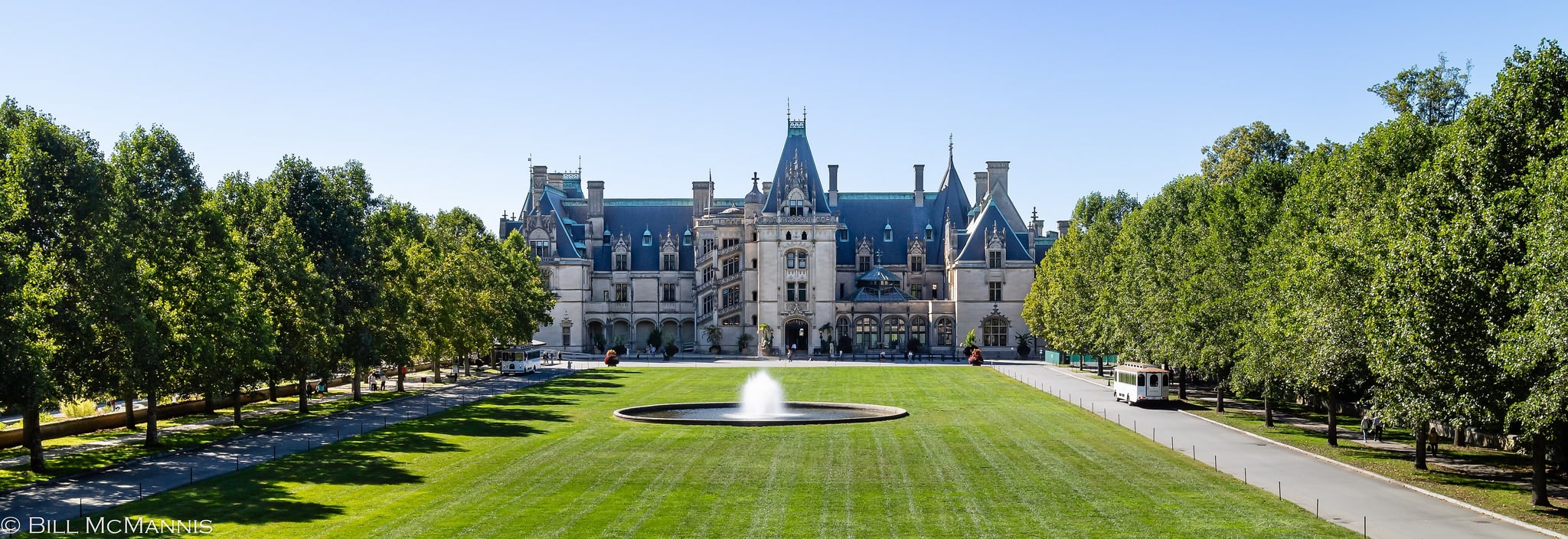
Castle Video Games

Castle video games: the abandoned gambling castle of south carolina

Castle Video Games is a distinctive abandoned building located in the small town of Blacksburg, South Carolina. Unlike traditional medieval castles, this structure was originally built as a casino with a deliberately castle-like stone exterior, complete with turrets, an arched wooden door, and a knight statue that evokes classic European fortress imagery. Despite decades of neglect, the building remains structurally sound and has become a curious landmark with a kitschy charm in its rural surroundings.

The story of Castle Video Games is closely tied to the unique history of gambling laws in South Carolina. Gambling had been explicitly banned in South Carolina since 1802, making the presence of any casino-like establishment surprising. However, in 1986, a subtle legislative amendment was introduced by a politician that inadvertently legalized video gambling. This loophole went unnoticed by the state government until 1989, sparking an unexpected resurgence of gambling activities.

The rise of video gambling in south carolina

Following the accidental legalization, the early 1990s witnessed a rapid boom in video poker and other electronic gambling machines. These machines appeared in a variety of public venues, including restaurants, gas stations, bowling alleys, and corner stores. The proximity of Blacksburg to state borders where gambling remained illegal made it an ideal location for gambling arcades to flourish, capitalizing on cross-border visitors.

Castle video games as a gambling arcade

Castle Video Games was one of the many establishments that emerged during this period, offering a unique thematic experience by mimicking a medieval castle’s architecture. Its design was intended to attract gamblers with a sense of fantasy and novelty, combining the allure of castle imagery with the excitement of video poker. The building’s stone facade and turrets created a memorable silhouette against the rural landscape, while the knight statue served as a symbolic guardian of the games within.

Architectural features and current condition

The structure is notable for its stone exterior, which is uncommon for commercial buildings in the region, especially those constructed in the late 20th century. The arched wooden door and turrets are deliberately styled to evoke the romanticized image of a medieval castle, though the building itself does not date from any historical period associated with castle construction. Instead, it is a modern novelty structure built specifically for entertainment purposes.

Despite its abandonment, the castle remains structurally sound and stands as a relic of a brief era when video gambling briefly flourished in South Carolina. The building’s current state could be classified as partially preserved, with weathering and neglect visible but no significant structural collapse. This condition allows it to retain its distinctive character and continue to attract curiosity from passersby and enthusiasts of unusual architecture.

Cultural significance and legacy

While not a traditional castle, Castle Video Games holds cultural significance as a symbol of a unique chapter in South Carolina’s legal and social history. It represents the unexpected consequences of legislative oversight and the rapid rise and fall of video gambling in the state. The building’s kitschy castle design also reflects a broader trend in American roadside architecture, where novelty and thematic elements are used to capture attention and create memorable experiences.

Today, the abandoned castle stands as a curious landmark, drawing interest from historians, architects, and tourists intrigued by its unusual combination of medieval motifs and modern gambling history. Its story offers insight into how legal loopholes can shape local economies and cultural landscapes in surprising ways.

Visiting castle video games

Located just off the highway in the small town of Blacksburg, Castle Video Games is accessible to visitors interested in exploring this unusual site. While the building is not officially maintained as a tourist attraction and is privately owned, it remains visible from public roads. Visitors should exercise caution and respect private property laws when viewing the site.

Frequently asked questions

  • What is the history behind Castle Video Games? Castle Video Games was a casino-themed video gambling arcade established in the late 20th century, notable for its castle-like architecture and connection to a brief period when video gambling was accidentally legalized in South Carolina.
  • Can I enter the Castle Video Games building? The building is abandoned and privately owned. There is no official public access, and visitors should respect property boundaries and safety concerns.
  • When was Castle Video Games built? The exact construction date is not well documented, but it was built in the late 20th century, coinciding with the video gambling boom of the late 1980s and early 1990s.
  • Why does the castle have medieval architectural features? The castle-like design was a thematic choice intended to attract visitors and gamblers by evoking the romantic imagery of medieval castles, creating a unique entertainment environment.
  • Is gambling legal in South Carolina today? Gambling laws in South Carolina remain restrictive, with most forms of gambling illegal. The video gambling loophole was closed, and casinos like Castle Video Games no longer operate legally.
  • What is the current condition of Castle Video Games? The building is abandoned but partially preserved, with its stone exterior and turrets still standing strong despite years of neglect.

Frequently asked questions (FAQ)

How do I visit Abandoned Castle Video Games?
To visit Abandoned Castle Video Games, you can check the official website for the latest visitor information and guidelines. It's advisable to book your tickets online in advance to ensure availability, especially during peak seasons.
What is the historical significance of Abandoned Castle Video Games?
Abandoned Castle Video Games has a rich history tied to the early gaming culture and its impact on the local community. Once a vibrant hub for gaming enthusiasts, the castle now stands as a nostalgic reminder of the evolution of video games and their influence on society.
When was Abandoned Castle Video Games built?
Abandoned Castle Video Games was constructed in the late 20th century, reflecting the unique architectural styles of that era. Although not ancient, its design captures the essence of the gaming revolution that began during that time.
Can I access the castle with a wheelchair?
The accessibility of Abandoned Castle Video Games is designed to accommodate visitors with mobility challenges. Ramps and elevators are available to ensure that everyone can enjoy the site, but it's recommended to check specific accessibility features beforehand.
Why is Abandoned Castle Video Games a popular destination?
Abandoned Castle Video Games has become a popular destination due to its unique blend of history and modern gaming culture. Visitors are drawn to its intriguing architecture and the immersive experiences it offers related to video games.
Is it possible to hold events at Abandoned Castle Video Games?
Yes, Abandoned Castle Video Games offers facilities for hosting special events and gatherings. It's best to contact the management directly to discuss available options, including capacity and services they provide for such occasions.
What are the best times to visit Abandoned Castle Video Games?
The best times to visit Abandoned Castle Video Games are during the spring and fall when the weather is pleasant and the crowds are smaller. Special events and exhibitions may also attract visitors, so checking the calendar can enhance your experience.
What are the ticket prices for Abandoned Castle Video Games?
Ticket prices for Abandoned Castle Video Games vary based on age and group size, with discounts often available for children and seniors. It's best to check the official website for the most current pricing and any special offers that may be available.
What are the opening hours of Abandoned Castle Video Games?
Abandoned Castle Video Games typically opens from 10 AM to 6 PM, but hours may vary on weekends and holidays. Always check the official website for the latest updates on opening hours before planning your visit.
Are there any nearby attractions to visit while in Blacksburg?
Yes, there are several attractions near Abandoned Castle Video Games, including local parks, museums, and historical sites. Exploring these nearby locations can enhance your visit and provide a deeper insight into the area's culture and history.

Loading map...

Visitor reviews

No reviews yet. Been here? Write the first review and help other travelers!

Write the first review

Visited this castle? Share your experience

Your review helps other travelers and adds first-hand knowledge to our encyclopedia.

Write a review

(5/5)

0/2000 characters

Your review will be visible after admin approval

Nearby castles

78.2 km

Doomsday Castle

Pickens, United States of America

Doomsday Castle is a unique, unfinished medieval-style castle located near Pickens, South Carolina. Construction began in 1999 under the direction of Brenton Bruns (Brent Sr.), who envisioned the castle as a fortified refuge designed to withstand apocalyptic scenarios. The castle stands on a mountaintop location, strategically chosen for its natural defensive advantages and remote setting. The concept and purpose behind Doomsday Castle The castle is not a historical medieval fortress but rather a modern interpretation inspired by medieval architecture and survivalist principles. Brent Sr., known as "The Prepper King," constructed the castle as part of his preparation for potential societal collapse or natural disasters. The castle serves as both a private residence and a survival compound, equipped to support self-sufficiency and protection. The 2013 National Geographic TV series "Doomsday Castle" brought widespread attention to the property. The documentary follows Brent Sr. and his family as they prepare for the apocalypse, training in survival skills, hunting, and self-sufficiency. This media exposure highlighted the castle's unique blend of modern survivalism with medieval architectural motifs. Architectural features and construction details Doomsday Castle incorporates several hallmark elements of medieval castle architecture, including stone walls, battlements, towers, and fortified gates. However, the construction is ongoing and incomplete, reflecting the challenges of building such a structure without traditional castle-building resources or techniques. The castle's design emphasizes defensive capabilities with thick walls and elevated vantage points. The mountaintop site enhances its natural fortification, providing panoramic views and early warning of approaching threats. Though not built for historical warfare, the castle's features are adapted for modern preparedness. Historical and cultural significance While Doomsday Castle does not have medieval origins, it represents a contemporary cultural phenomenon blending survivalism with architectural romanticism. It symbolizes the modern prepper movement's desire for security and autonomy in uncertain times. The castle stands as a testament to individual initiative and unconventional approaches to homebuilding and defense. The property's private ownership and remote location mean it is not open to public tours. Visitors are urged to respect the owners' privacy and avoid trespassing. Location and accessibility Situated near Pickens in South Carolina, Doomsday Castle occupies a strategic mountaintop position. The exact address is undisclosed to protect the privacy of the owners. The castle is accessible only by private roads and is not a tourist destination. Legacy and media portrayal The National Geographic series immortalized the castle and its builder, showcasing the practical and psychological aspects of prepping. Brent Sr.'s efforts to prepare his family for potential disasters emphasize themes of resilience, self-reliance, and family unity. Doomsday Castle remains a fascinating example of how medieval architectural inspiration can be applied in a modern context for survival purposes rather than historical preservation or tourism.

Contemporary (20th–21st c.)
Details
110 km

Overlook (Seely) Castle

Asheville, United States of America

Overlook (Seely) Castle is a distinctive hilltop castellated mansion located in Asheville, North Carolina, known for its unique blend of English medieval monastic and Renaissance architectural influences adapted for early 20th-century American residential use. Commissioned by Fred Seely, a prominent local businessman and engineer, the castle reflects a personal vision that merges historical reverence with contemporary comfort, making it a notable architectural landmark in the region. Architectural inspiration and design The castle’s design draws heavily from two significant English architectural sources: Forde Abbey, a 12th-century Cistercian monastery in England, and the 16th-century Abbot's Lodging in Dorset. Forde Abbey is renowned for its austere yet elegant stone construction, featuring cloisters, fortified walls, and a monastic layout that emphasizes both function and spiritual contemplation. The influence of the Abbot's Lodging introduces elements of Renaissance domestic architecture, blending refined residential features with the robust medieval fortress aesthetic. Overlook Castle incorporates hallmark medieval defensive elements such as battlements, turrets, and stone masonry that evoke the appearance of a fortress, while simultaneously serving as a comfortable private residence. This architectural approach aligns with the early 20th-century romantic revivalism movement, where historical motifs were reinterpreted for modern lifestyles. The castle's hilltop location enhances its commanding presence, providing expansive views of the surrounding Blue Ridge Mountains and Asheville landscape. Historical context and ownership Constructed in the early 20th century, specifically between 1912 and 1914, the castle was commissioned by Fred Seely, who sought to create a residence that combined the grandeur and solidity of English medieval architecture with the conveniences of contemporary American living. Seely was an influential figure in Asheville, known for his engineering expertise and business acumen. After serving as a private residence for several decades, Overlook Castle transitioned into institutional use as the home of Asheville Biltmore College, reflecting its adaptability and continued relevance in the community. In October 1980, the castle was listed on the National Register of Historic Places by its then-owner, Overlook Ministries, recognizing its architectural and historical significance and ensuring its preservation under federal guidelines. Following its institutional phase, the property returned to private ownership. The current owners maintain the castle with respect for its heritage, and it remains a well-preserved example of early 20th-century romantic revival architecture. Public access is limited to protect the privacy of the residents. Location and setting Overlook (Seely) Castle is situated at 710 Town Mountain Road, Asheville, North Carolina. Its elevated position on a prominent hilltop provides not only strategic views but also establishes the castle as a distinctive silhouette against the Asheville skyline. The location within the Blue Ridge Mountains adds to the scenic and historic value of the property, linking it visually and culturally to the natural landscape. The castle’s setting includes formal gardens and landscaped grounds that complement its architectural grandeur, enhancing the overall aesthetic experience. While the property is privately owned and not open for public tours, the castle’s exterior can be admired from nearby vantage points, offering visitors a chance to appreciate its historic charm. Architectural features and interior design The castle exhibits castellated features such as battlements, turrets, and robust stone masonry that recall medieval fortifications. Its plan includes multiple wings arranged around courtyards, integrating both defensive symbolism and functional residential spaces. The use of lead glass windows, stone fireplaces, and intricate woodwork inside the castle reflects the craftsmanship of the period and the influence of English historical styles. While detailed descriptions of the interior are limited due to private ownership, historical records indicate that the rooms were richly appointed with traditional materials and modern amenities of the early 1900s. The castle’s interior design balances the romantic medieval aesthetic with the practical needs of a 20th-century home, creating an environment that is both grand and livable. Cultural and historical significance Overlook (Seely) Castle stands as a unique example of early 20th-century historic revivalism in the United States, particularly within the context of Asheville’s architectural landscape. Its fusion of English medieval and Renaissance elements adapted for American residential use illustrates broader cultural trends of the period, where historical styles were reinterpreted to express status, taste, and identity. The castle’s association with Fred Seely adds personal historical significance, linking the structure to a notable figure in Asheville’s development. Its later use as an educational institution further embeds it within the community’s social history. The listing on the National Register of Historic Places affirms its importance as a cultural asset, ensuring its preservation for future generations. Today, Overlook Castle remains a well-preserved architectural landmark that continues to inspire interest and admiration for its distinctive style and historical roots.

Post-Renaissance (17th–18th c.)
Details
110.4 km
Biltmore Estate — United States of America castle

Biltmore Estate

Asheville, United States of America

Biltmore Estate stands as a monumental symbol of the Gilded Age in America, nestled in the majestic Blue Ridge Mountains near Asheville, North Carolina. Spanning an impressive 8,000-acre estate, it is renowned as America's largest private home, offering visitors a glimpse into the opulence and grandeur of late 19th-century aristocratic life. This grand chateau-style mansion was commissioned by George Washington Vanderbilt II and completed in 1895, showcasing an extraordinary blend of architectural innovation and artistic mastery.Architectural grandeur and designThe Biltmore House was designed by the celebrated architect Richard Morris Hunt, who infused the estate with elements of the chateauesque style, inspired by the grand castles of the French Renaissance. The mansion boasts an impressive 175,000 square feet of floor space, featuring 250 rooms including 35 bedrooms, 43 bathrooms, and 65 fireplaces. The design incorporates elaborate stonework, steeply pitched roofs, and ornate towers, creating a striking silhouette against the mountainous backdrop.Inside, the estate is adorned with intricately carved woodwork, hand-painted murals, and stained glass windows that enhance its historic ambiance. The Banquet Hall is a highlight, featuring a soaring 70-foot vaulted ceiling and a massive stone fireplace capable of warming the expansive space. The library houses over 10,000 volumes, many rare and first editions, reflecting Vanderbilt's passion for knowledge and culture.Historical context and significanceThe estate was built during the late 19th century, a period marked by rapid industrialization and immense wealth accumulation in the United States. George Vanderbilt sought to create a private retreat that combined luxury with the natural beauty of the surrounding landscape. The estate was also a working farm and forestry operation, pioneering sustainable land management practices that were ahead of their time.Biltmore played a significant role in the cultural and social history of the region, hosting numerous dignitaries and events. It remains a testament to the Vanderbilt family's legacy and their impact on American society during the Gilded Age.Visitor experience and attractionsToday, Biltmore Estate is a premier tourist destination, attracting visitors worldwide. Guests can explore the entire mansion and its extensive grounds through self-guided tours that highlight the estate's art collection, original furnishings, and architectural features. For a more in-depth experience, guided rooftop tours offer panoramic views of the estate and the surrounding mountains.The estate also features beautifully landscaped gardens, designed by the famed landscape architect Frederick Law Olmsted, which complement the natural beauty of the Blue Ridge Mountains. Visitors can enjoy walking trails, a winery, restaurants, and shops located within the estate.Accommodation and eventsFor those wishing to extend their visit, the estate offers a variety of lodging options including luxury hotels and self-catering cottages nestled within the property. Biltmore is also a sought-after venue for weddings and special events, offering venues that accommodate intimate gatherings as well as grand celebrations for hundreds of guests.Preservation and current statusThe estate remains under the stewardship of the Vanderbilt family descendants and is meticulously maintained to preserve its historic integrity. It is classified as a well-preserved property, with ongoing conservation efforts ensuring that the architectural and artistic heritage of Biltmore Estate continues to be accessible to future generations.Visitors are encouraged to check the official website for current visiting hours, ticket prices, and special events to plan their visit effectively.

Post-Renaissance (17th–18th c.)
Details