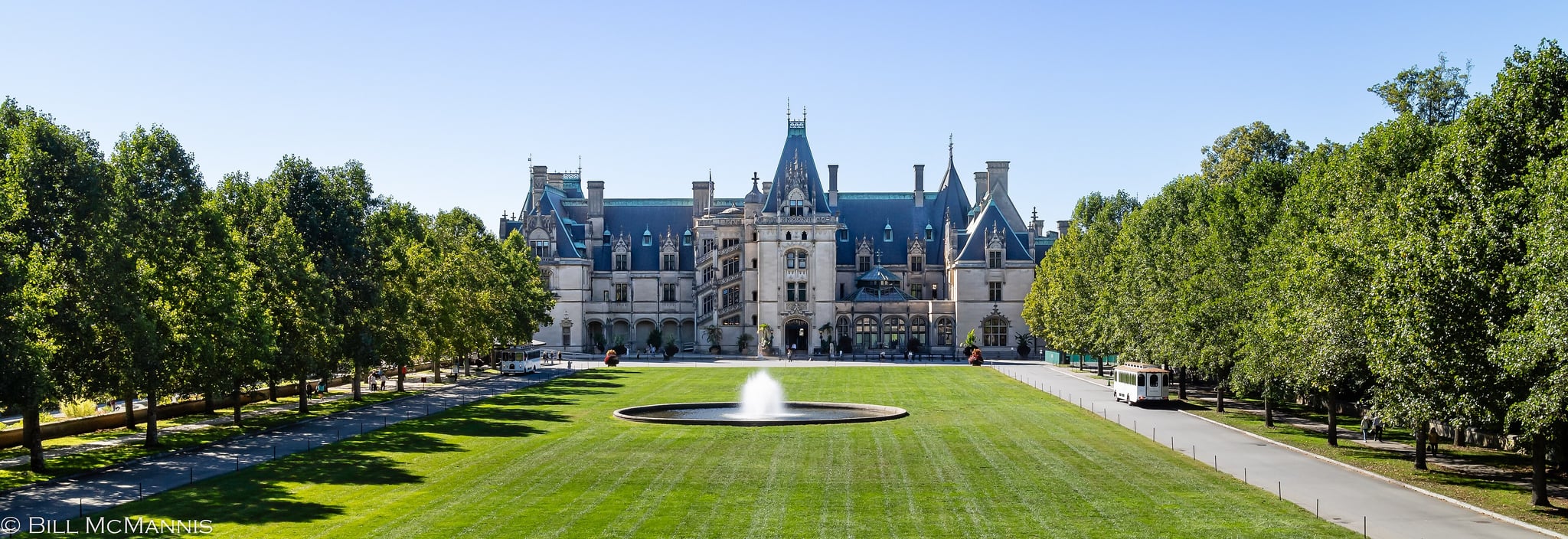
Overlook (Seely) Castle
Overlook (Seely) Castle is a distinctive hilltop castellated mansion located in Asheville, North Carolina, known for its unique blend of English medieval monastic and Renaissance architectural influences adapted for early 20th-century American residential use. Commissioned by Fred Seely, a prominent local businessman and engineer, the castle reflects a personal vision that merges historical reverence with contemporary comfort, making it a notable architectural landmark in the region.
Architectural inspiration and design
The castle’s design draws heavily from two significant English architectural sources: Forde Abbey, a 12th-century Cistercian monastery in England, and the 16th-century Abbot's Lodging in Dorset. Forde Abbey is renowned for its austere yet elegant stone construction, featuring cloisters, fortified walls, and a monastic layout that emphasizes both function and spiritual contemplation. The influence of the Abbot's Lodging introduces elements of Renaissance domestic architecture, blending refined residential features with the robust medieval fortress aesthetic.
Overlook Castle incorporates hallmark medieval defensive elements such as battlements, turrets, and stone masonry that evoke the appearance of a fortress, while simultaneously serving as a comfortable private residence. This architectural approach aligns with the early 20th-century romantic revivalism movement, where historical motifs were reinterpreted for modern lifestyles. The castle's hilltop location enhances its commanding presence, providing expansive views of the surrounding Blue Ridge Mountains and Asheville landscape.
Historical context and ownership
Constructed in the early 20th century, specifically between 1912 and 1914, the castle was commissioned by Fred Seely, who sought to create a residence that combined the grandeur and solidity of English medieval architecture with the conveniences of contemporary American living. Seely was an influential figure in Asheville, known for his engineering expertise and business acumen.
After serving as a private residence for several decades, Overlook Castle transitioned into institutional use as the home of Asheville Biltmore College, reflecting its adaptability and continued relevance in the community. In October 1980, the castle was listed on the National Register of Historic Places by its then-owner, Overlook Ministries, recognizing its architectural and historical significance and ensuring its preservation under federal guidelines.
Following its institutional phase, the property returned to private ownership. The current owners maintain the castle with respect for its heritage, and it remains a well-preserved example of early 20th-century romantic revival architecture. Public access is limited to protect the privacy of the residents.
Location and setting
Overlook (Seely) Castle is situated at 710 Town Mountain Road, Asheville, North Carolina. Its elevated position on a prominent hilltop provides not only strategic views but also establishes the castle as a distinctive silhouette against the Asheville skyline. The location within the Blue Ridge Mountains adds to the scenic and historic value of the property, linking it visually and culturally to the natural landscape.
The castle’s setting includes formal gardens and landscaped grounds that complement its architectural grandeur, enhancing the overall aesthetic experience. While the property is privately owned and not open for public tours, the castle’s exterior can be admired from nearby vantage points, offering visitors a chance to appreciate its historic charm.
Architectural features and interior design
The castle exhibits castellated features such as battlements, turrets, and robust stone masonry that recall medieval fortifications. Its plan includes multiple wings arranged around courtyards, integrating both defensive symbolism and functional residential spaces. The use of lead glass windows, stone fireplaces, and intricate woodwork inside the castle reflects the craftsmanship of the period and the influence of English historical styles.
While detailed descriptions of the interior are limited due to private ownership, historical records indicate that the rooms were richly appointed with traditional materials and modern amenities of the early 1900s. The castle’s interior design balances the romantic medieval aesthetic with the practical needs of a 20th-century home, creating an environment that is both grand and livable.
Cultural and historical significance
Overlook (Seely) Castle stands as a unique example of early 20th-century historic revivalism in the United States, particularly within the context of Asheville’s architectural landscape. Its fusion of English medieval and Renaissance elements adapted for American residential use illustrates broader cultural trends of the period, where historical styles were reinterpreted to express status, taste, and identity.
The castle’s association with Fred Seely adds personal historical significance, linking the structure to a notable figure in Asheville’s development. Its later use as an educational institution further embeds it within the community’s social history. The listing on the National Register of Historic Places affirms its importance as a cultural asset, ensuring its preservation for future generations.
Today, Overlook Castle remains a well-preserved architectural landmark that continues to inspire interest and admiration for its distinctive style and historical roots.
Frequently asked questions (FAQ)
- What are the opening hours for Overlook (Seely) Castle?
- Overlook Castle typically opens its doors to visitors from 10 AM to 5 PM, Tuesday through Sunday. It's closed on Mondays, so plan your visit accordingly to ensure you have ample time to explore the castle and its grounds.
- What is the historical significance of Overlook (Seely) Castle?
- Overlook Castle, completed in the early 20th century, is notable for its unique blend of architectural styles and its picturesque views of Asheville. The castle reflects the aspirations of the era and serves as a testament to the craftsmanship of its builders, making it a significant landmark in the region.
- Can I visit Overlook Castle year-round?
- Yes, you can visit Overlook Castle year-round, but it's important to check for any seasonal events or maintenance closures. The best time to visit is during the spring and fall when the surrounding landscape is particularly beautiful.
- Is it possible to access Overlook Castle with a wheelchair?
- Yes, Overlook Castle is committed to accessibility. While some areas may have limited access due to the castle's historical nature, there are pathways and ramps designed to accommodate visitors with mobility challenges.
- How do I purchase tickets for Overlook Castle?
- Tickets for Overlook Castle can be purchased online through the official website or at the entrance. It’s recommended to buy tickets in advance, especially during peak tourist seasons, to avoid long lines and ensure your entry.
- When was Overlook Castle built?
- Overlook Castle was constructed between 1926 and 1929, designed by architect Richard Sharp Smith. Its construction marked a significant period in Asheville’s history, reflecting the grandeur and aspirations of the time.
- What are some nearby attractions to Overlook Castle?
- Nearby attractions include the stunning Blue Ridge Parkway, Biltmore Estate, and the vibrant downtown Asheville area filled with shops and restaurants. These sites complement your visit to Overlook Castle and provide a full day of exploration.
- What architectural styles are represented in Overlook Castle?
- Overlook Castle showcases a mix of architectural styles, primarily featuring elements of Tudor Revival and Arts and Crafts design. This unique combination contributes to its charm and historical value, making it a fascinating subject for architecture enthusiasts.
Information
Current owner
Private owner
Address
710 Town Mountain Road, Asheville, North Carolina
Loading map...
Visitor reviews
No reviews yet. Been here? Write the first review and help other travelers!
Write the first reviewVisited this castle? Share your experience
Your review helps other travelers and adds first-hand knowledge to our encyclopedia.