Biltmore Estate — United States of America castle

Biltmore Estate

Biltmore estate: america's largest home in the blue ridge mountains
Post-Renaissance (17th–18th c.)
Well Preserved

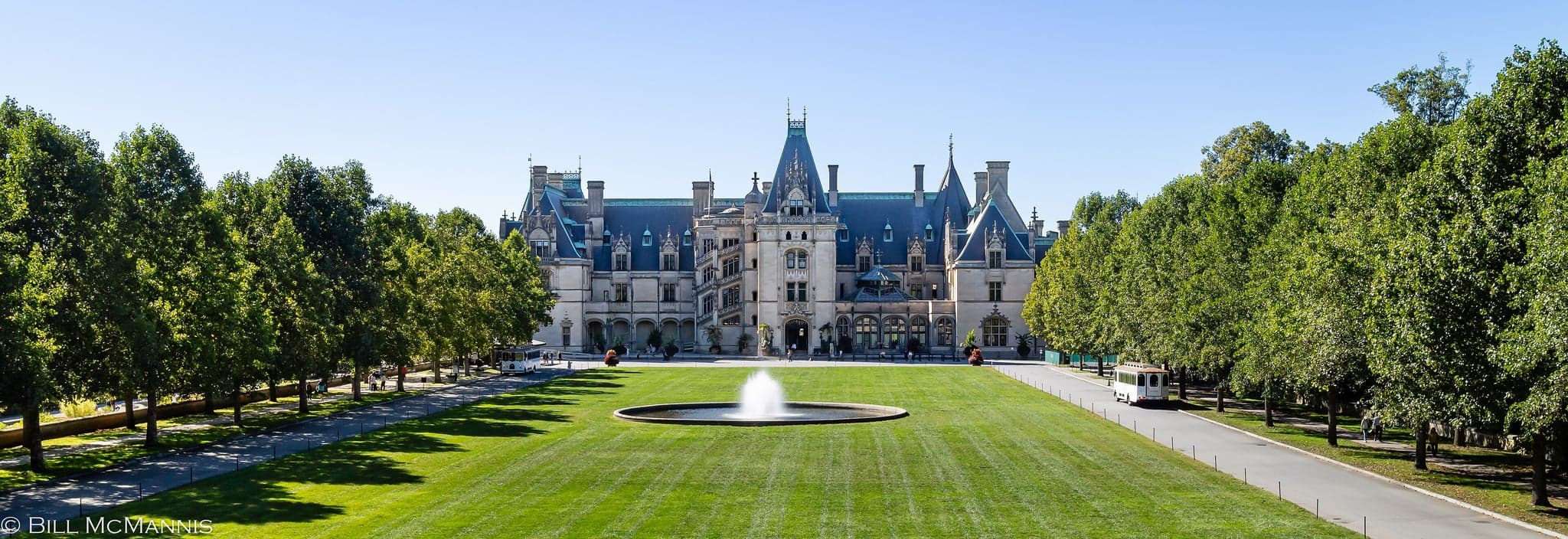
Biltmore Estate stands as a monumental symbol of the Gilded Age in America, nestled in the majestic Blue Ridge Mountains near Asheville, North Carolina. Spanning an impressive 8,000-acre estate, it is renowned as America's largest private home, offering visitors a glimpse into the opulence and grandeur of late 19th-century aristocratic life. This grand chateau-style mansion was commissioned by George Washington Vanderbilt II and completed in 1895, showcasing an extraordinary blend of architectural innovation and artistic mastery.

Architectural grandeur and design

The Biltmore House was designed by the celebrated architect Richard Morris Hunt, who infused the estate with elements of the chateauesque style, inspired by the grand castles of the French Renaissance. The mansion boasts an impressive 175,000 square feet of floor space, featuring 250 rooms including 35 bedrooms, 43 bathrooms, and 65 fireplaces. The design incorporates elaborate stonework, steeply pitched roofs, and ornate towers, creating a striking silhouette against the mountainous backdrop.

Inside, the estate is adorned with intricately carved woodwork, hand-painted murals, and stained glass windows that enhance its historic ambiance. The Banquet Hall is a highlight, featuring a soaring 70-foot vaulted ceiling and a massive stone fireplace capable of warming the expansive space. The library houses over 10,000 volumes, many rare and first editions, reflecting Vanderbilt's passion for knowledge and culture.

Historical context and significance

The estate was built during the late 19th century, a period marked by rapid industrialization and immense wealth accumulation in the United States. George Vanderbilt sought to create a private retreat that combined luxury with the natural beauty of the surrounding landscape. The estate was also a working farm and forestry operation, pioneering sustainable land management practices that were ahead of their time.

Biltmore played a significant role in the cultural and social history of the region, hosting numerous dignitaries and events. It remains a testament to the Vanderbilt family's legacy and their impact on American society during the Gilded Age.

Biltmore Estate

Photo by Ken Jacobsen • Pexels License

Visitor experience and attractions

Today, Biltmore Estate is a premier tourist destination, attracting visitors worldwide. Guests can explore the entire mansion and its extensive grounds through self-guided tours that highlight the estate's art collection, original furnishings, and architectural features. For a more in-depth experience, guided rooftop tours offer panoramic views of the estate and the surrounding mountains.

The estate also features beautifully landscaped gardens, designed by the famed landscape architect Frederick Law Olmsted, which complement the natural beauty of the Blue Ridge Mountains. Visitors can enjoy walking trails, a winery, restaurants, and shops located within the estate.

Accommodation and events

For those wishing to extend their visit, the estate offers a variety of lodging options including luxury hotels and self-catering cottages nestled within the property. Biltmore is also a sought-after venue for weddings and special events, offering venues that accommodate intimate gatherings as well as grand celebrations for hundreds of guests.

Preservation and current status

The estate remains under the stewardship of the Vanderbilt family descendants and is meticulously maintained to preserve its historic integrity. It is classified as a well-preserved property, with ongoing conservation efforts ensuring that the architectural and artistic heritage of Biltmore Estate continues to be accessible to future generations.

Visitors are encouraged to check the official website for current visiting hours, ticket prices, and special events to plan their visit effectively.

Frequently asked questions (FAQ)

How do I get to Biltmore Estate?
Biltmore Estate is located in Asheville, North Carolina. Visitors can reach the estate by car, and there is ample parking available on-site. Public transportation options may be limited, so it is advisable to check local services in advance.
What is the historical significance of Biltmore Estate?
Biltmore Estate is the largest privately-owned home in the United States, built by George Washington Vanderbilt II in the late 19th century. The estate reflects the Gilded Age's opulence and showcases a blend of European architectural styles. It is also recognized for its vast gardens and innovative agricultural practices.
When was Biltmore Estate built?
Construction of Biltmore Estate began in 1889 and was completed in 1895. The estate took six years to build and features 250 rooms, making it a stunning example of American castle architecture. The estate has been preserved and maintained to reflect its original grandeur.
Can I take a guided tour of Biltmore Estate?
Yes, Biltmore Estate offers a variety of guided tours that provide insight into its history, architecture, and gardens. Reservations are recommended, especially during peak seasons, to ensure availability. Self-guided audio tours are also available for those who prefer exploring at their own pace.
Why is the architecture of Biltmore Estate unique?
The architecture of Biltmore Estate combines elements of the Châteauesque style, inspired by French châteaux, with Renaissance influences. The use of local materials, intricate woodwork, and stunning interiors make it a remarkable example of American architecture. Visitors can see how the design reflects both luxury and functionality.
Is it possible to visit Biltmore Estate year-round?
Yes, Biltmore Estate is open to visitors year-round, with certain seasonal events and exhibitions. However, the best time to visit is during spring and fall when the gardens are in full bloom and the foliage is vibrant. Each season offers unique experiences, so plan your trip accordingly.
What are the ticket prices for Biltmore Estate?
Ticket prices for Biltmore Estate vary depending on the type of admission, season, and any special events. General admission typically includes access to the house, gardens, and winery. Discounts may be available for children, seniors, and active military personnel.
What are the opening hours of Biltmore Estate?
Biltmore Estate generally opens at 9 AM and closes at different times depending on the season, typically ranging from 5 PM to 9 PM. It is advisable to check the official website for specific hours on the day of your visit, as they may vary due to special events or holidays.
Are there any nearby attractions to Biltmore Estate?
Yes, there are several nearby attractions, including the Blue Ridge Parkway, the charming town of Asheville, and numerous hiking trails. Visitors can explore local art galleries, breweries, and historical sites within a short drive from the estate. Combining your visit to Biltmore with other local attractions makes for an enriching experience.

Photo gallery

Biltmore Estate
Click to view

Photo by Bill McMannis•CC BY 2.0

Biltmore Estate
Biltmore Estate
Biltmore Estate
4 photos • Click any image to view in full screen

Information

Palace Castle

Address

1 Lodge St, Asheville, North Carolina, 28803, United States

Articles on the Castlopedia blog that feature Biltmore Estate.
Loading map...

Visitor reviews

No reviews yet. Been here? Write the first review and help other travelers!

Write the first review

Visited this castle? Share your experience

Your review helps other travelers and adds first-hand knowledge to our encyclopedia.

Write a review

(5/5)

0/2000 characters

Your review will be visible after admin approval

Nearby castles

2.2 km

Homewood

Asheville, United States of America

Homewood castle in Asheville, North Carolina, stands as a remarkable example of a 1920s stone manor that has been lovingly restored to preserve its historic charm while serving as a premier venue for weddings, conferences, and special events. Nestled in Asheville's Montford historic district, an area renowned for its post-Victorian architecture, Homewood blends the grandeur of early 20th-century design with the warmth and elegance of a private residence. Architectural features and design Constructed in the 1920s, Homewood showcases distinctive architectural elements that reflect the era's craftsmanship and style. The castle is built primarily of Appalachian stone, giving it a robust and timeless appearance. Inside, visitors are greeted by original hardwood floors and cherry wood-paneled walls that add richness and warmth to the interiors. The soaring 20-foot ceilings enhance the spaciousness of the rooms, while the grand Appalachian stone fireplaces serve as striking focal points in the main halls. Additional elegant features include alabaster sconces and luxurious wrought iron chandeliers, which cast a graceful, ambient light throughout the castle’s rooms. These lighting fixtures complement the historic character of the manor, evoking the refined aesthetic of the 1920s. The careful restoration work has ensured that these original elements remain intact, preserving the castle’s authentic atmosphere. Historical context and significance Homewood was originally built as a private residence during a period when Asheville was experiencing significant growth and prosperity. The 1920s marked a time of architectural experimentation and revivalism in the United States, and Homewood’s design reflects this trend with its stone construction and manor-style layout. Situated in the Montford district, the castle is part of a broader collection of historic homes that collectively highlight Asheville’s rich architectural heritage. While not a medieval fortress or traditional castle, Homewood’s designation as a "castle" reflects its grand scale, stone construction, and stately presence rather than military function. Its preservation and adaptive reuse as a venue for special events underscore its cultural and heritage value in the Asheville community. Current use and visitor experience Today, Homewood castle operates as a special event and conference center, hosting a wide variety of occasions including weddings, receptions, rehearsal dinners, parties, reunions, meetings, and seminars. The castle’s elegant interiors and historic ambiance provide an ideal setting for memorable celebrations and professional gatherings. The castle’s location at 19 Zillicoa Street places it within easy reach of Asheville’s downtown and other cultural attractions, making it a convenient and attractive choice for event planners and visitors alike. The venue offers a unique blend of historic charm and modern amenities, ensuring a comfortable and sophisticated experience for all guests. Facilities and amenities Guests at Homewood can enjoy spacious rooms with original architectural details preserved, including the hardwood floors and stone fireplaces. The castle is equipped to accommodate both intimate gatherings and larger groups, with flexible spaces that can be tailored to various event needs. The combination of historic character and functional design makes Homewood a standout venue in Asheville. Preservation and cultural importance The restoration of Homewood reflects a broader commitment to preserving Asheville’s architectural heritage, particularly within the Montford historic district. By maintaining the castle’s original features and adapting it for contemporary use, the caretakers of Homewood have ensured that this piece of Asheville’s history remains vibrant and accessible. Homewood’s role as a cultural landmark extends beyond its function as an event venue; it serves as a tangible connection to the early 20th century and the architectural trends that shaped Asheville’s development. The castle’s preservation contributes to the district’s historic character and offers visitors a chance to experience a unique blend of history and hospitality. Visiting information While primarily a private event venue, Homewood can be experienced by visitors attending public or private functions hosted there. Interested parties can contact the venue directly via phone at 828-232-9900 or email at [email protected] to inquire about availability and booking details.

Post-Renaissance (17th–18th c.)
Details
3.5 km

Overlook (Seely) Castle

Asheville, United States of America

Overlook (Seely) Castle is a distinctive hilltop castellated mansion located in Asheville, North Carolina, known for its unique blend of English medieval monastic and Renaissance architectural influences adapted for early 20th-century American residential use. Commissioned by Fred Seely, a prominent local businessman and engineer, the castle reflects a personal vision that merges historical reverence with contemporary comfort, making it a notable architectural landmark in the region. Architectural inspiration and design The castle’s design draws heavily from two significant English architectural sources: Forde Abbey, a 12th-century Cistercian monastery in England, and the 16th-century Abbot's Lodging in Dorset. Forde Abbey is renowned for its austere yet elegant stone construction, featuring cloisters, fortified walls, and a monastic layout that emphasizes both function and spiritual contemplation. The influence of the Abbot's Lodging introduces elements of Renaissance domestic architecture, blending refined residential features with the robust medieval fortress aesthetic. Overlook Castle incorporates hallmark medieval defensive elements such as battlements, turrets, and stone masonry that evoke the appearance of a fortress, while simultaneously serving as a comfortable private residence. This architectural approach aligns with the early 20th-century romantic revivalism movement, where historical motifs were reinterpreted for modern lifestyles. The castle's hilltop location enhances its commanding presence, providing expansive views of the surrounding Blue Ridge Mountains and Asheville landscape. Historical context and ownership Constructed in the early 20th century, specifically between 1912 and 1914, the castle was commissioned by Fred Seely, who sought to create a residence that combined the grandeur and solidity of English medieval architecture with the conveniences of contemporary American living. Seely was an influential figure in Asheville, known for his engineering expertise and business acumen. After serving as a private residence for several decades, Overlook Castle transitioned into institutional use as the home of Asheville Biltmore College, reflecting its adaptability and continued relevance in the community. In October 1980, the castle was listed on the National Register of Historic Places by its then-owner, Overlook Ministries, recognizing its architectural and historical significance and ensuring its preservation under federal guidelines. Following its institutional phase, the property returned to private ownership. The current owners maintain the castle with respect for its heritage, and it remains a well-preserved example of early 20th-century romantic revival architecture. Public access is limited to protect the privacy of the residents. Location and setting Overlook (Seely) Castle is situated at 710 Town Mountain Road, Asheville, North Carolina. Its elevated position on a prominent hilltop provides not only strategic views but also establishes the castle as a distinctive silhouette against the Asheville skyline. The location within the Blue Ridge Mountains adds to the scenic and historic value of the property, linking it visually and culturally to the natural landscape. The castle’s setting includes formal gardens and landscaped grounds that complement its architectural grandeur, enhancing the overall aesthetic experience. While the property is privately owned and not open for public tours, the castle’s exterior can be admired from nearby vantage points, offering visitors a chance to appreciate its historic charm. Architectural features and interior design The castle exhibits castellated features such as battlements, turrets, and robust stone masonry that recall medieval fortifications. Its plan includes multiple wings arranged around courtyards, integrating both defensive symbolism and functional residential spaces. The use of lead glass windows, stone fireplaces, and intricate woodwork inside the castle reflects the craftsmanship of the period and the influence of English historical styles. While detailed descriptions of the interior are limited due to private ownership, historical records indicate that the rooms were richly appointed with traditional materials and modern amenities of the early 1900s. The castle’s interior design balances the romantic medieval aesthetic with the practical needs of a 20th-century home, creating an environment that is both grand and livable. Cultural and historical significance Overlook (Seely) Castle stands as a unique example of early 20th-century historic revivalism in the United States, particularly within the context of Asheville’s architectural landscape. Its fusion of English medieval and Renaissance elements adapted for American residential use illustrates broader cultural trends of the period, where historical styles were reinterpreted to express status, taste, and identity. The castle’s association with Fred Seely adds personal historical significance, linking the structure to a notable figure in Asheville’s development. Its later use as an educational institution further embeds it within the community’s social history. The listing on the National Register of Historic Places affirms its importance as a cultural asset, ensuring its preservation for future generations. Today, Overlook Castle remains a well-preserved architectural landmark that continues to inspire interest and admiration for its distinctive style and historical roots.

Post-Renaissance (17th–18th c.)
Details
62.7 km

Castle Ladyhawke

Tuckasegee, United States of America

Castle Ladyhawke stands as a unique architectural gem in Tuckasegee, North Carolina, offering a rare example of a Scottish border castle faithfully recreated in the heart of the Blue Ridge Mountains. This privately owned castle serves as a luxury events and wedding venue, blending historic Scottish architectural elements with modern amenities to provide an unforgettable experience amidst the natural beauty of the Tuckasegee River Valley. Architectural inspiration and design The castle is meticulously constructed to emulate the style of traditional Scottish border castles, which historically served as fortified residences along the turbulent Anglo-Scottish border. These castles are known for their robust stone walls, defensive features, and distinctive towers. Castle Ladyhawke captures this essence through its historically accurate Scottish architecture, including an epic three-level spiral staircase and expansive great rooms designed for gatherings and celebrations. The castle's design harmonizes rustic elegance with functional luxury, featuring stone masonry and architectural details that reflect the rugged yet refined character of the original border castles. Its position on a 60-acre landscape offers sweeping views of the surrounding mountains and river valley, enhancing the castle's dramatic presence and creating a picturesque setting. Location and surroundings Situated just 20 minutes north of Cashiers, North Carolina, Castle Ladyhawke enjoys a prime location within the Blue Ridge Mountains, known for their scenic vistas and rich biodiversity. The castle overlooks the beautiful Tuckasegee River Valley, providing a tranquil and inspiring backdrop for weddings, events, and retreats. The 60-acre property features a natural landscape of mountains and trees, offering guests privacy and a connection to the wilderness. This setting complements the castle's historic Scottish theme, evoking the feeling of a remote stronghold nestled in nature. Amenities and facilities Castle Ladyhawke is equipped to host luxury events with a range of high-end amenities. The castle includes three lavishly appointed bedroom suites, each featuring luxurious spa baths designed to provide comfort fit for royalty. These suites offer elegant accommodations for wedding parties or guests seeking a unique lodging experience. The castle also boasts a caterer's kitchen and an outdoor kitchen, facilitating gourmet food preparation for events of various sizes. A three-car garage provides convenient parking, while the castle's interior and exterior spaces serve as stunning backdrops for photography and celebrations. Event venue and cultural significance As Western North Carolina's only fully functioning castle built with authentic Scottish architectural principles, Castle Ladyhawke holds a distinctive place in the region's cultural landscape. It offers a unique venue option that combines historic ambiance with modern luxury, attracting couples and event planners seeking a dramatic and elegant setting. The castle's design and location make it ideal for weddings, corporate retreats, and special occasions, providing both grandeur and intimacy. Its presence enriches the local heritage by introducing a piece of Scottish architectural tradition into the American South. Visitor information Castle Ladyhawke is located at 1698 Shook Cove Rd, Tuckasegee, NC 28783. Interested visitors and event planners can contact the venue by phone at 833-5-CASTLE (833-522-7853) for inquiries and bookings. The castle's remote mountain location offers a peaceful retreat with ample opportunities for outdoor activities and exploration in the surrounding Blue Ridge region.

Post-Renaissance (17th–18th c.)
Details
