Castle of Vinhais
The Castle of Vinhais is a prominent medieval hill castle located in the municipality of Vinhais, in the northern Portuguese region of Trás-os-Montes. Situated near the historic border with the Kingdom of Castile, this fortress played a crucial role in the defense and territorial organization of the region throughout the Middle Ages and beyond. Its origins trace back to a Galician settlement that evolved into a fortified Galician-Roman oppidum during the Roman conquest of the Iberian Peninsula, highlighting its long-standing strategic importance.
Early history and medieval development
The village of Vinhais was central to royal efforts to consolidate control over the Trás-os-Montes region. Initial attempts to grant the settlement municipal status began under King Sancho II in the mid-13th century, continuing under King Afonso III, who formally granted a foral charter in 1253. This legal recognition was pivotal in establishing Vinhais as a town with defined privileges and responsibilities.
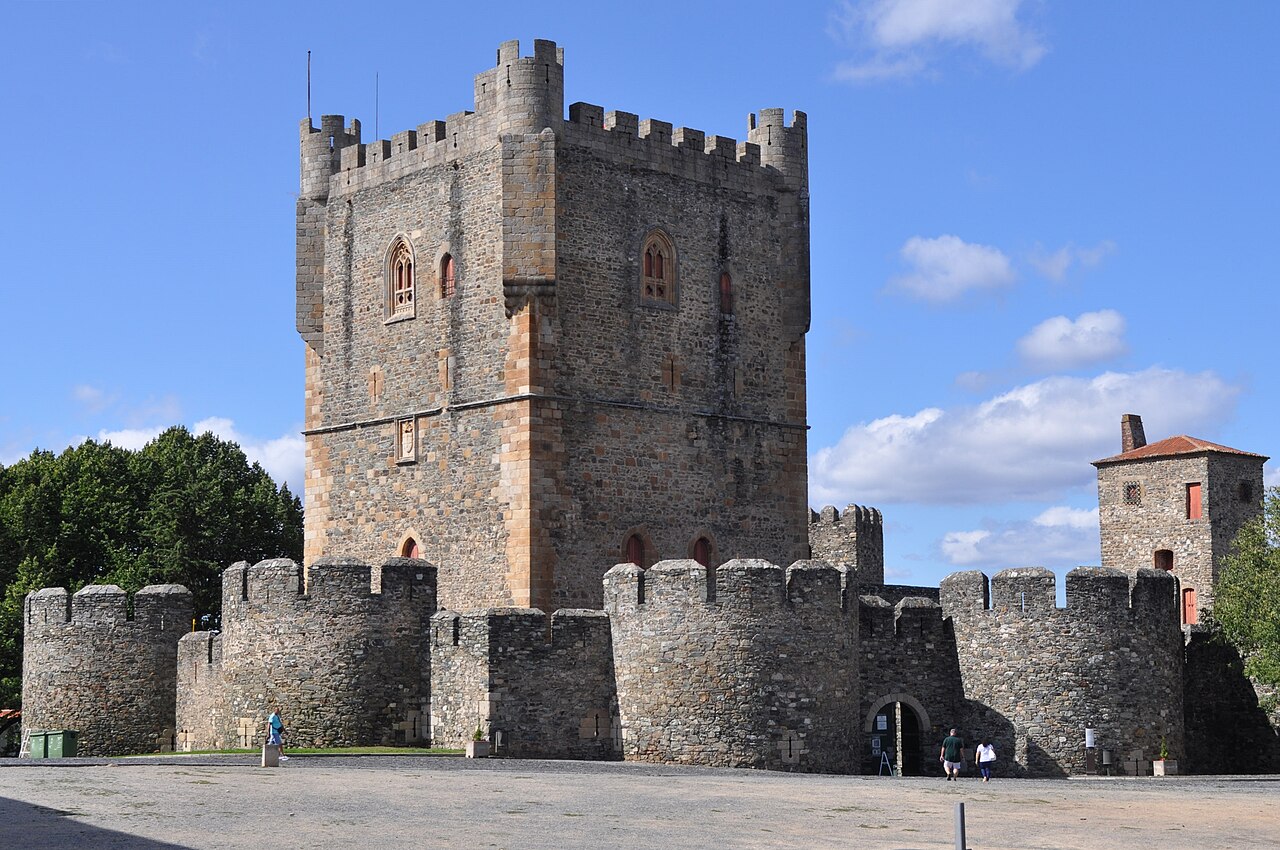
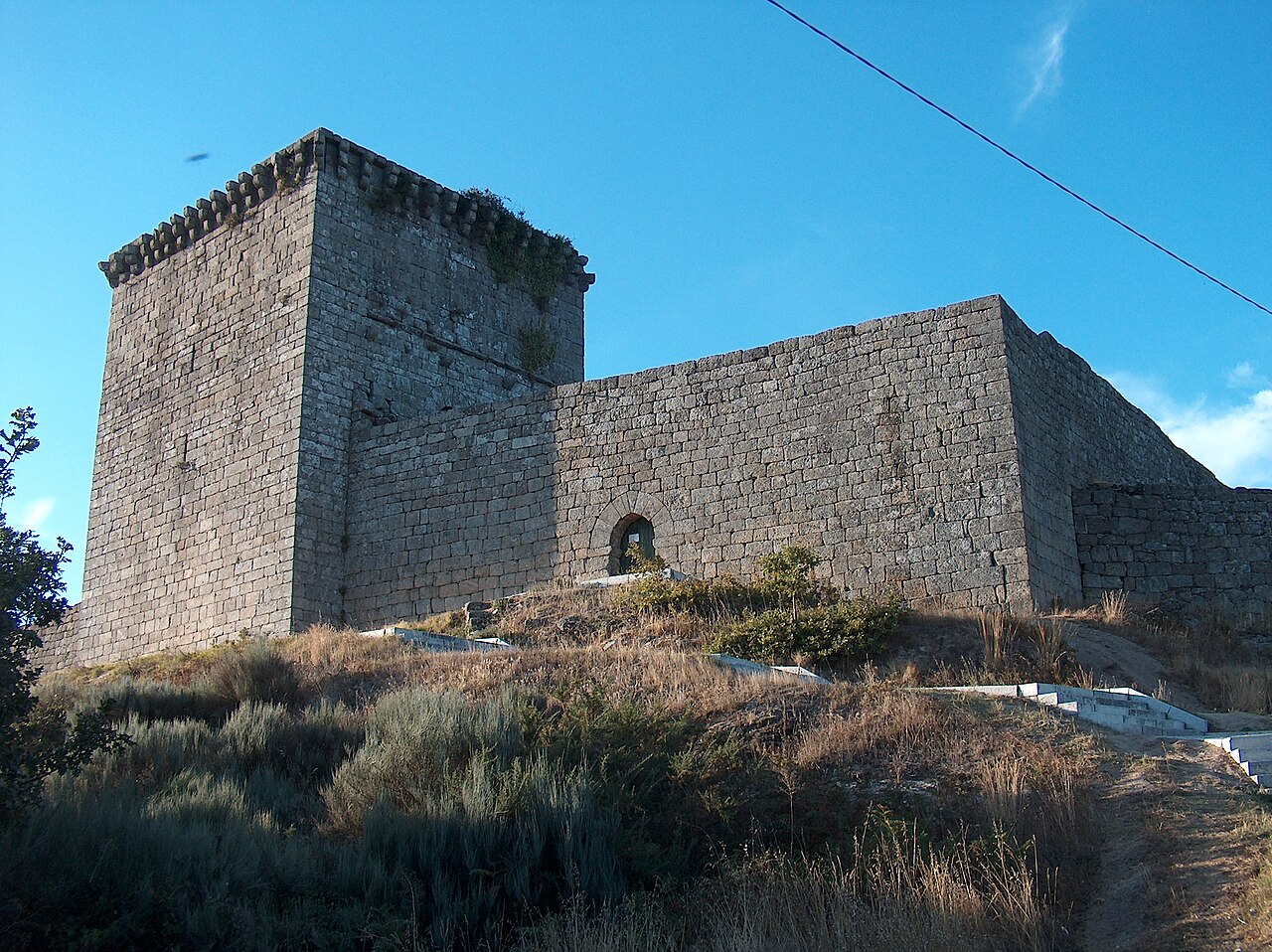
Following the charter, the castle’s fortifications were constructed or completed during the reign of King Dinis in the late 13th century. The design reflects Gothic military architecture prevalent at the time, characterized by an irregular oval-shaped curtain wall approximately 150 meters in length, reinforced by multiple towers and a central keep integrated within the enclosure. The use of local mountain stone and stylistic influences from neighboring Castile and Galicia are evident in the masonry and defensive features.
Strategic importance and conflicts
Due to its proximity to the border, the Castle of Vinhais was frequently involved in the turbulent relations between Portugal and Castile. Between 1369 and 1371, it was occupied by Castilian forces during the reign of King Ferdinand. The castle’s allegiance shifted during the 1383–1385 Portuguese dynastic crisis, initially siding with Beatriz but later supporting King John I. In 1397, a rebellion led by João Afonso Pimentel temporarily restored Castilian control until Portuguese authority was reestablished in 1403.
In the mid-15th century, King Afonso V ordered renovations to strengthen the fortress, reflecting ongoing military needs. By the early 16th century, the castle was documented by Duarte de Armas in his famous "Book of Fortresses", which noted its deteriorated condition. Despite additions such as a barbican and extra towers in the 16th century, parts of the walls were demolished as the town expanded beyond the medieval fortifications.
The castle also played a defensive role during the Portuguese Restoration War (1640–1668), successfully resisting a significant Spanish assault in 1659 involving 1,700 soldiers. Minor repairs occurred in subsequent centuries, but by the 20th century, the fortress had fallen largely into ruins.
Architectural features and layout
The original castle was enclosed by an irregular oval wall reinforced by five or six towers, characteristic of late 13th-century Gothic military architecture. The main entrance was fortified by a large solid tower supported externally by two rectangular pillars, flanked by two additional towers, enhancing its defensive capability.
A secondary gate provided access to the barbican, a fortified outer courtyard adjacent to the keep. Another smaller gate faced the valley, framed by two castellated turrets known as cubelos, adding further protection. Along the curtain wall, three quadrangular turrets provided additional defense, one of which housed a well accessible via a winding staircase connected to the barbican.
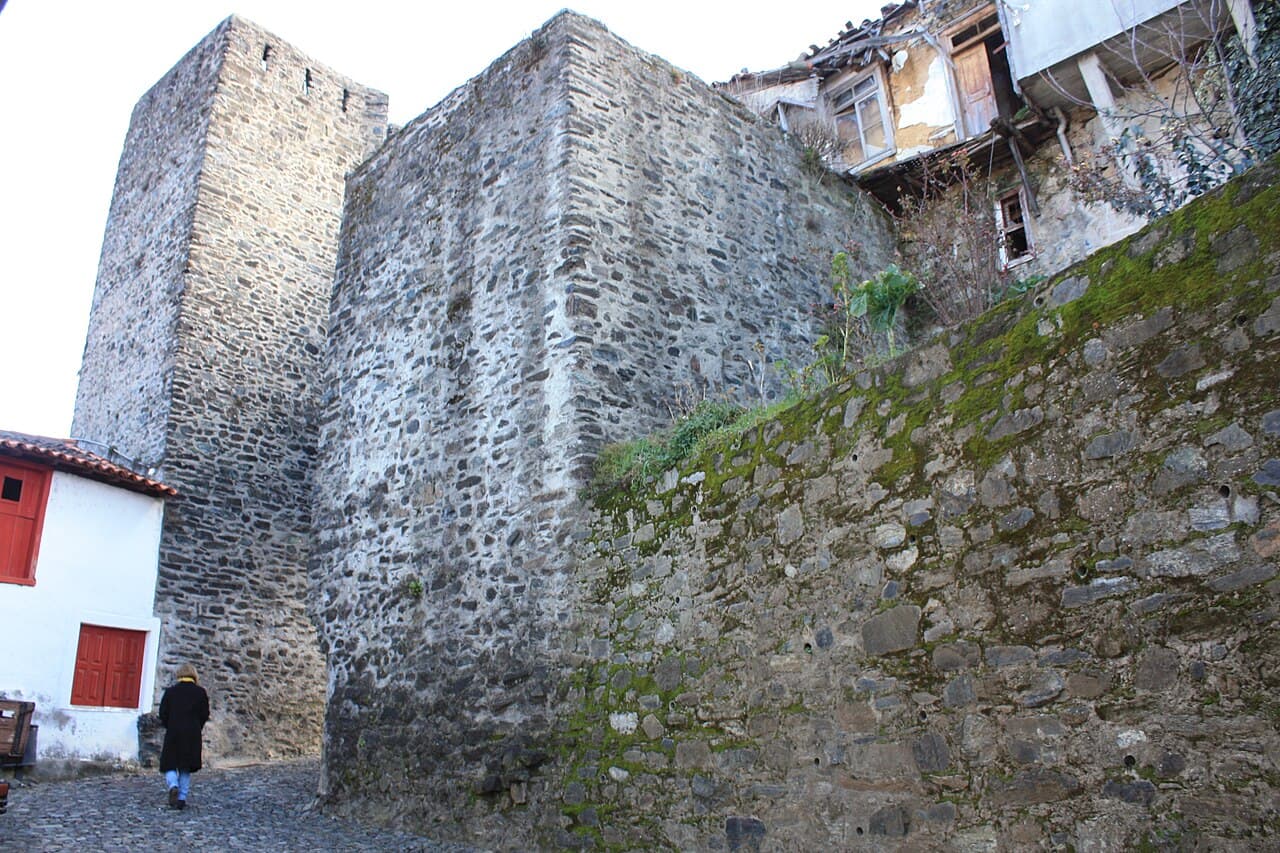
Within the walls, the castle contained residential buildings and the Church of Our Lady of the Assumption, underscoring its dual role as a military fortress and community center. Over time, as the town grew, parts of the walls were demolished, and buildings were constructed against the remaining fortifications.
Preservation and current state
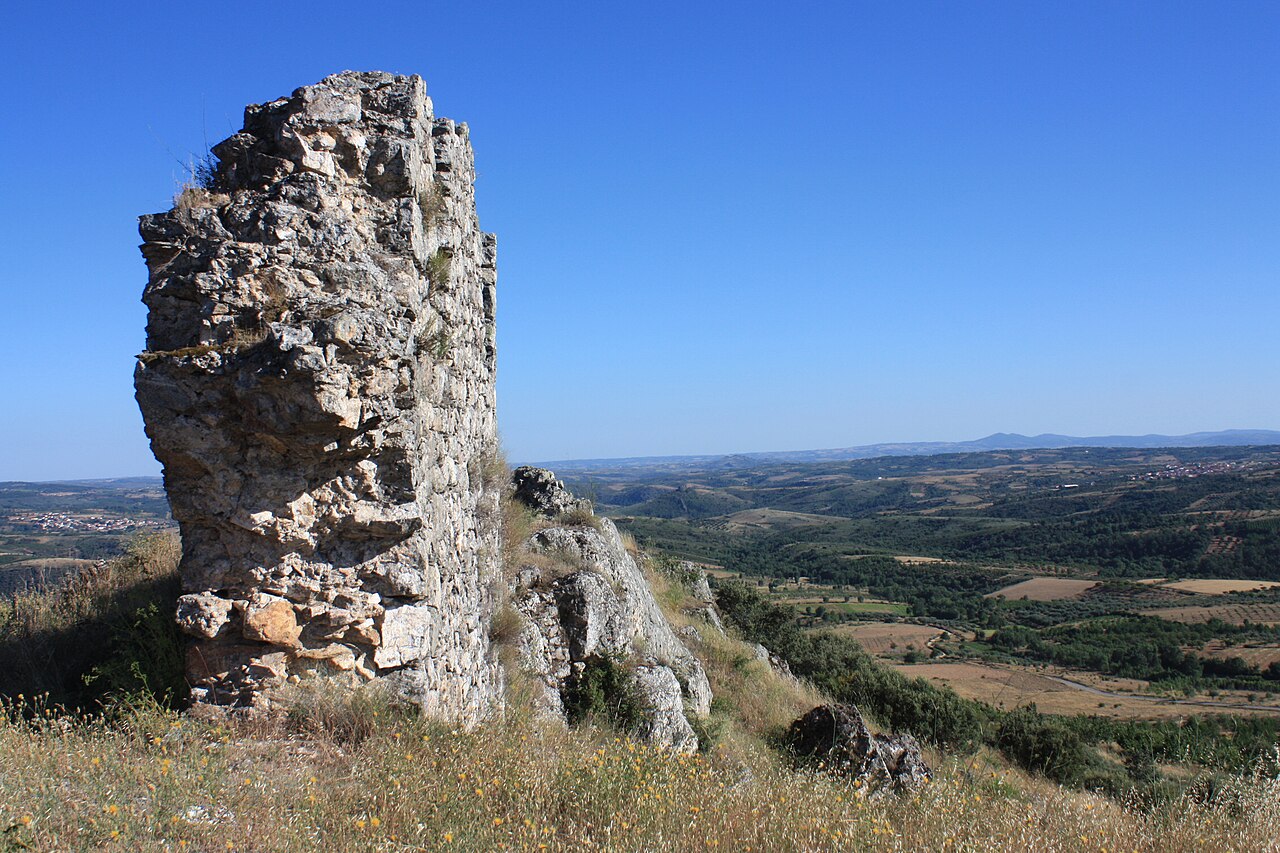
Today, the Castle of Vinhais retains several significant elements, including three gates, two towers, and stretches of the eastern curtain wall. Restoration efforts in the 20th century helped preserve these features, although some towers remain structurally vulnerable, posing risks to pedestrians and nearby traffic.
Designated a National Monument in 1947, the castle’s survival was secured through community advocacy in the 1960s, preventing demolition. The preserved remains continue to testify to its centuries-long history as a frontier stronghold and symbol of regional identity.
Cultural significance and tourism
The Castle of Vinhais is an important cultural landmark in northern Portugal, attracting visitors interested in medieval military architecture and Portuguese history. Its location offers insights into the complex border dynamics between Portugal and Castile and the evolution of fortification techniques from the Middle Ages through the Renaissance.
Visitors can explore the surviving gates, towers, curtain walls, and the site of the former church, gaining a tangible connection to the castle’s past. The site’s panoramic views of the surrounding landscape highlight its strategic placement and enduring legacy.
Visitor information
Access to the castle is generally available to the public, though specific visiting hours and ticket prices may vary seasonally or due to conservation activities. The castle is part of the broader historical and cultural attractions of the Trás-os-Montes region, making it a valuable destination for heritage tourism.
Architectural influences
The castle’s design reflects a blend of Portuguese and neighboring Castilian and Galician influences, evident in its masonry techniques and defensive structures. The use of local mountain stone and the incorporation of features such as the barbican and cubelos demonstrate adaptations to the terrain and military needs of the period.
Frequently asked questions (FAQ)
- What is the best time to visit the Castle of Vinhais?
- The best time to visit the Castle of Vinhais is during the spring and autumn months when the weather is mild and the surrounding landscape is particularly scenic. Summer can be warm, and winter months may be less comfortable for outdoor exploration.
- How do I get to the Castle of Vinhais?
- The Castle of Vinhais is accessible by road from the town center of Vinhais in northern Portugal. Visitors can reach it by car or local transportation, with parking available nearby. The castle is situated on a hill overlooking the town.
- Can I explore the castle ruins freely?
- Visitors can explore the accessible parts of the castle ruins freely, including the gates, towers, and curtain walls. However, some areas may be restricted due to structural risks, so it is advisable to follow posted signs and guidance for safety.
- What historical periods does the Castle of Vinhais represent?
- The Castle of Vinhais primarily represents the late medieval period, with construction and modifications spanning from the 13th to the 16th centuries. It also reflects influences from the Portuguese Restoration War in the 17th century.
- Is there an entrance fee to visit the Castle of Vinhais?
- Currently, there is no mandatory entrance fee to visit the Castle of Vinhais, making it accessible to the public. Donations or guided tours may be available to enhance the visitor experience.
Photo gallery

Information
Current owner
Municipality of Vinhais
Loading map...
Visitor reviews
No reviews yet. Been here? Write the first review and help other travelers!
Write the first reviewVisited this castle? Share your experience
Your review helps other travelers and adds first-hand knowledge to our encyclopedia.