Castle of Vincennes
The Castle of Vincennes stands as a monumental example of late medieval French military architecture, located in the town of Vincennes, just east of Paris. Originally a modest hunting lodge built around 1150 for King Louis VII in the dense forest of Vincennes, the site evolved into one of France's most formidable royal fortresses over the centuries. Its strategic position near the capital made it a critical royal residence, military stronghold, and symbol of monarchical power.
The castle's transformation began in earnest during the 14th century under the reign of the Valois dynasty. The original lodge was replaced by an extensive fortified complex featuring a massive donjon tower commissioned by King Philip VI around 1337. This tower, rising to 52 meters, remains the tallest medieval fortified structure in Europe and exemplifies the advanced defensive design of its era.
Historical development and royal significance
The site initially served as a royal hunting retreat, but its importance grew as successive monarchs expanded and fortified the complex. Kings Philip III and Philip IV were both married at Vincennes in the late 13th century, underscoring its status as a royal residence. The castle also witnessed the deaths of three French kings: Louis X in 1316, Philip V in 1322, and Charles IV in 1328, marking its role in the turbulent early 14th-century monarchy.
The massive rectangular curtain walls enclosing the castle were completed by the Valois kings roughly two generations after Philip VI’s donjon was built. These walls, equipped with numerous towers and defensive battlements, created a formidable barrier against attackers and reflected the military architectural innovations of the late medieval period.
Architectural features and fortifications
The donjon tower
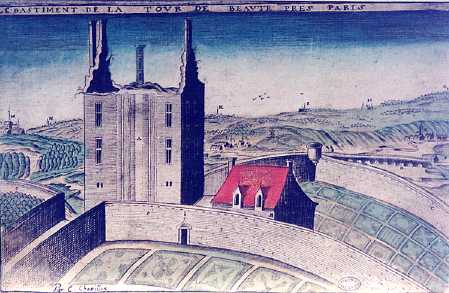
The centerpiece of the Castle of Vincennes is undoubtedly its towering keep or donjon, constructed beginning in 1337. This imposing structure stands at 52 meters tall and served multiple functions: a last line of defense, royal residence, and symbol of the king's authority. Its robust stone walls, narrow windows, and battlements demonstrate the defensive priorities of the time while also providing luxurious living quarters for the monarch.
Curtain walls and gatehouses
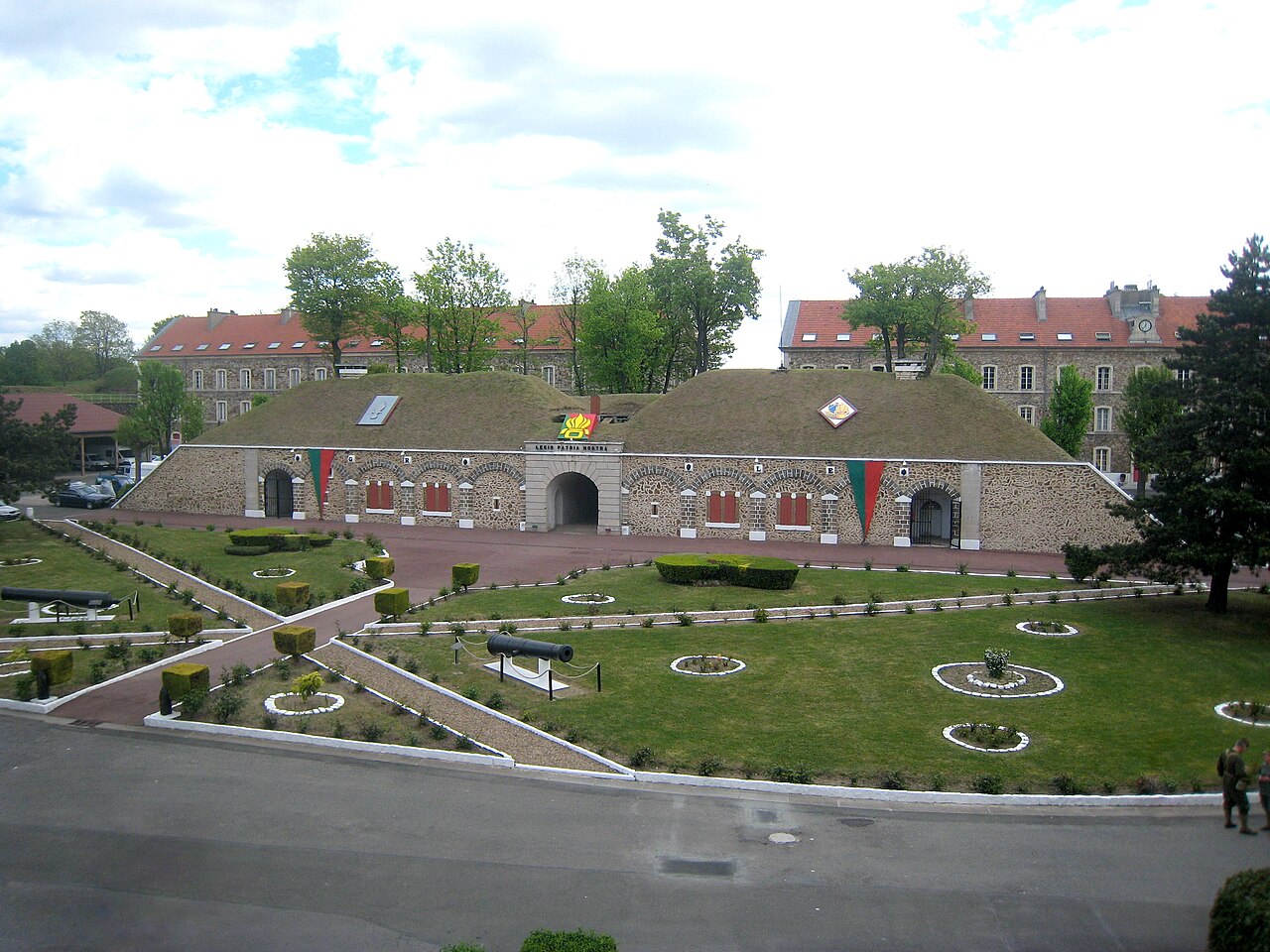
The castle’s curtain walls form a large rectangular enclosure, reinforced with numerous towers positioned at strategic intervals to enable flanking fire against attackers. The walls were thick and high, designed to resist siege engines and scaling attempts. The main gatehouse was heavily fortified, often featuring a portcullis and machicolations to repel invaders.
Interior structures and royal apartments
Within the walls, the castle contained essential buildings such as the chapel, great halls, stables, and residential quarters for the king and his court. The castle was designed not only for defense but also to serve as a comfortable and prestigious royal residence, reflecting the dual military and administrative roles of such fortresses in medieval France.
Later history and military use
While the core of the castle dates to the 14th century, later modifications and additions were made during the 17th century, adapting the fortress to evolving military technologies and royal tastes. Despite these changes, the medieval character of the castle remains dominant.
In the 20th century, the Castle of Vincennes played a notable role during World War II as the military headquarters of General Maurice Gamelin, Chief of the French General Staff, during the 1940 defense against the German invasion. Today, the castle houses the Defence Historical Service of France, preserving its military legacy and maintaining a museum within the donjon, which showcases the castle's rich history and architectural significance.
Cultural heritage and visitor experience
The Castle of Vincennes is a well-preserved example of late medieval fortification and royal architecture, attracting historians, architects, and tourists alike. Its imposing donjon and extensive curtain walls offer a vivid glimpse into medieval military engineering and royal life. Visitors can explore the historic keep, walk along the battlements, and learn about the castle’s role in French history through the onsite museum collections.
Located just a short distance from Paris, the castle is accessible for day trips and offers a unique opportunity to experience one of France’s most important medieval castles outside the capital. The site’s blend of military might and royal grandeur makes it a fascinating destination for anyone interested in medieval history, architecture, and French heritage.
Frequently asked questions (FAQ)
- How do I get to the Castle of Vincennes?
- The Castle of Vincennes is easily accessible via public transportation. You can take the Paris Metro Line 1 to the Château de Vincennes station, which is just a short walk from the castle entrance.
- What is the historical significance of the Castle of Vincennes?
- The Castle of Vincennes is one of the best-preserved medieval castles in France, serving as a royal residence and a fortress throughout its history. It played a crucial role during the Hundred Years' War and later became a residence for French kings.
- When was the Castle of Vincennes built?
- Construction of the Castle of Vincennes began in the 14th century, with significant expansions and modifications made in the following centuries. The castle was completed in the 17th century, showcasing a blend of medieval and Renaissance architectural styles.
- Can I visit the Castle of Vincennes year-round?
- Yes, the Castle of Vincennes is open to visitors year-round, although opening hours may vary by season. It’s advisable to check the official website for the latest visiting hours before planning your trip.
- Is it possible to take guided tours of the Castle of Vincennes?
- Yes, guided tours are available and highly recommended for those interested in the rich history and architecture of the castle. These tours provide in-depth information and insights that can enhance your visit.
- What are the ticket prices for visiting the Castle of Vincennes?
- Ticket prices for the Castle of Vincennes are quite reasonable, with discounts available for children, students, and seniors. Check the official website for the most current pricing and any special offers.
- What are the best times to visit the Castle of Vincennes?
- The best times to visit the Castle of Vincennes are during the spring and early autumn when the weather is pleasant and the gardens are in full bloom. Weekdays tend to be less crowded compared to weekends.
- Are there any nearby attractions to see while visiting the Castle of Vincennes?
- Yes, the Castle of Vincennes is located near several attractions, including the Parc Floral de Paris and the historic town of Vincennes itself. Both offer beautiful scenery and additional cultural experiences for visitors.
- Is the Castle of Vincennes accessible for people with disabilities?
- Yes, the Castle of Vincennes is equipped to accommodate visitors with disabilities. Ramps and accessible paths are available, ensuring that everyone can enjoy the historical site.
Information
Website
Visit websiteSources & official resources
Verify the information above using these authoritative references.
Loading map...
Visitor reviews
No reviews yet. Been here? Write the first review and help other travelers!
Write the first reviewVisited this castle? Share your experience
Your review helps other travelers and adds first-hand knowledge to our encyclopedia.