Castle of the Ducs of Bretagne
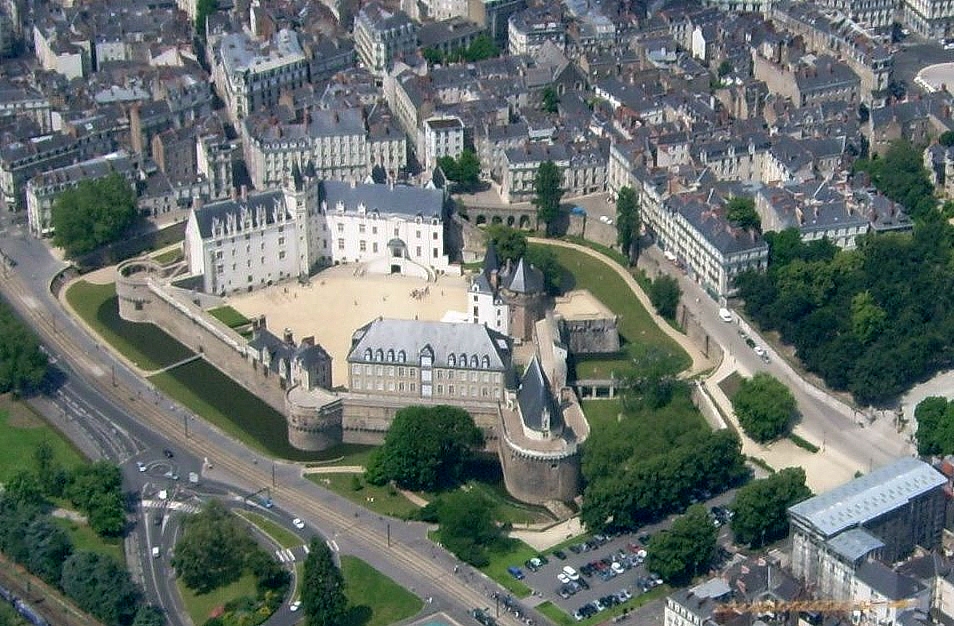
The Castle of the Dukes of Brittany is a prominent historic fortress located in the heart of Nantes, France. This imposing castle served as the political and administrative center of the historical province of Brittany from the 13th century until the province's separation in 1941. Situated on the right bank of the Loire River, the castle's strategic location allowed it to control river traffic and defend the region effectively. Originally, the river fed the castle's defensive ditches, enhancing its natural fortifications.
Constructed primarily during the High Medieval period, the castle was the residence of the Dukes of Brittany between the 13th and 16th centuries. After Brittany was united with France, the castle transitioned into a royal residence for the French monarchy's representatives in the region. Over the centuries, the castle witnessed numerous historical events that shaped the political landscape of Brittany and France.
Architectural features and fortifications
The castle is a remarkable example of medieval military architecture with later Renaissance influences. Its layout is characterized by a large rectangular enclosure surrounded by thick stone walls and punctuated by multiple towers and turrets. The castle's defensive system includes a deep moat originally filled with water from the Loire, which added an extra layer of protection against invaders.
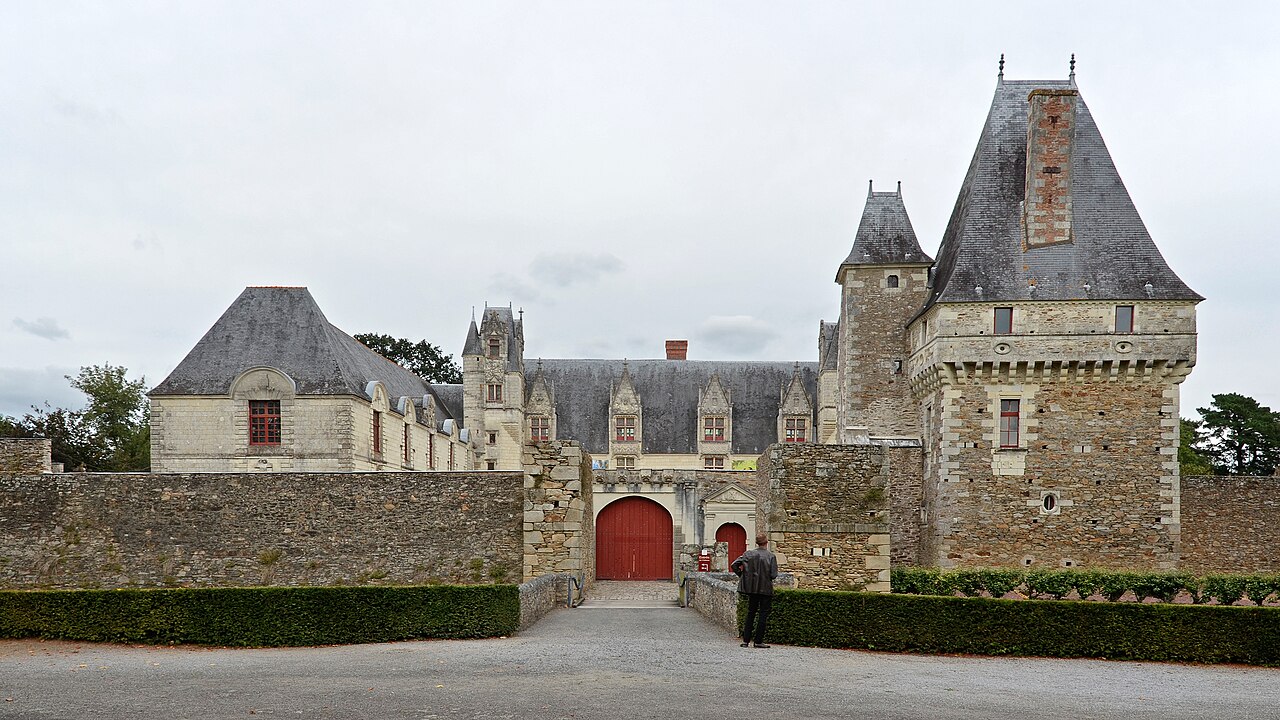
The main entrance is fortified by a massive gatehouse with a drawbridge, portcullis, and murder holes, typical of High Medieval military design. Inside the walls, the castle contains several courtyards, residential buildings, and service quarters. The ducal apartments were adapted over time to reflect changing tastes and needs, incorporating Renaissance decorative elements in the later periods.
Towers and defensive structures
The castle boasts several notable towers, including the Tour du Fer à Cheval (Horseshoe Tower), which served as a key defensive bastion. The towers were equipped with arrow slits and cannon openings, reflecting the evolution of military technology from the medieval period into the early modern era.
Historical significance and ownership
As the seat of the Dukes of Brittany, the castle played a central role in the region's governance and defense. The dukes used the castle not only as a residence but also as a symbol of their authority and autonomy from the French crown. During the 15th and 16th centuries, the castle was a focal point of political intrigue, alliances, and conflicts, particularly during the turbulent period leading to the union of Brittany with France in 1532.
Following the union, the castle became a royal residence for the French monarchy's governors in Brittany. It later served various military functions, including as a barracks and prison, which led to modifications in its structure to accommodate these uses.
Modern usage and preservation
The Castle of the Dukes of Brittany has been recognized for its cultural and historical importance since the 19th century. It was officially listed as a monument historique by the French Ministry of Culture in 1862, ensuring its protection and conservation.
Today, the castle houses the Nantes History Museum, which offers visitors a comprehensive insight into the history of Nantes, Brittany, and the castle itself. The museum's exhibitions cover the castle's architectural evolution, the lives of the dukes, and the broader historical context of the region.
Extensive restoration efforts have preserved the castle's well-preserved state, allowing visitors to explore its courtyards, towers, and historic rooms. The castle is a major tourist attraction and a cultural landmark in Nantes, hosting events, exhibitions, and educational programs throughout the year.
Visitor information
- Location: Nantes, France, on the right bank of the Loire River.
- Opening hours: Typically open daily with seasonal variations; visitors should check current schedules before planning a visit.
- Admission: Entrance fees apply, with discounts for children, students, and groups.
- Accessibility: The castle offers facilities for visitors with reduced mobility, though some areas may have limited access due to the historic nature of the site.
- Guided tours: Available to enhance understanding of the castle's history and architecture.
Architectural evolution and stylistic influences
The castle's architecture reflects the transition from medieval fortification to a more comfortable ducal residence. While its primary construction dates to the 13th century, subsequent modifications introduced elements of the Renaissance style, particularly in the residential quarters.
The castle's defensive features were adapted over time to accommodate advances in military technology, including the introduction of artillery. This is evident in the thicker walls and the design of the towers, which include cannon embrasures.
Internally, the castle contains richly decorated rooms, chapels, and halls that illustrate the changing tastes and cultural influences of the dukes and later royal occupants. These spaces contrast with the austere military exterior, highlighting the dual function of the castle as both fortress and noble residence.
Frequently asked questions (FAQ)
- How do I get to the Castle of the Ducs of Bretagne?
- You can reach the Castle of the Ducs of Bretagne by public transport, including trams and buses that connect to Nantes city center. The castle is located within walking distance from major train stations, making it accessible for visitors arriving by train.
- What is the historical significance of the Castle of the Ducs of Bretagne?
- The Castle of the Ducs of Bretagne served as the residence of the Dukes of Brittany and played a pivotal role in the history of the region. It symbolizes Brittany's independence and its union with France, making it a key site for understanding the region's heritage.
- When was the Castle of the Ducs of Bretagne built?
- Construction of the Castle of the Ducs of Bretagne began in the late 15th century and continued into the 16th century. The castle has undergone several renovations and restorations, which reflect its long history and architectural evolution.
- Can I visit the castle year-round?
- Yes, the Castle of the Ducs of Bretagne is open to visitors year-round, although hours may vary by season. It is advisable to check the official website for specific opening hours, especially during holidays or special events.
- Why is the architecture of the Castle of the Ducs of Bretagne unique?
- The architecture of the Castle of the Ducs of Bretagne combines elements of medieval fortification with Renaissance styles, showcasing a blend of historical influences. Its impressive walls, towers, and decorative motifs make it an architectural gem in Nantes.
- Is it possible to explore the castle grounds and gardens?
- Yes, visitors are welcome to explore the castle grounds and gardens, which provide a beautiful setting for relaxation and photography. The gardens are designed to reflect the historical landscape of the castle and are a great complement to your visit.
- What are the ticket prices for the Castle of the Ducs of Bretagne?
- Ticket prices for the Castle of the Ducs of Bretagne vary, with reduced rates available for students and groups. Children under a certain age may enter for free, making it an affordable option for families.
- What is the best time to visit the Castle of the Ducs of Bretagne?
- The best time to visit the Castle of the Ducs of Bretagne is during the spring and fall when the weather is mild and the gardens are in bloom. Visiting during weekdays can also help you avoid larger crowds, allowing for a more enjoyable experience.
- Are there any nearby attractions to visit when at the castle?
- Yes, nearby attractions include the Nantes History Museum and the Machines of the Isle of Nantes, both of which offer unique insights into the city's culture and history. These sites are easily accessible on foot or by public transport.
Information
Website
Visit websiteSources & official resources
Verify the information above using these authoritative references.
Loading map...
Visitor reviews
No reviews yet. Been here? Write the first review and help other travelers!
Write the first reviewVisited this castle? Share your experience
Your review helps other travelers and adds first-hand knowledge to our encyclopedia.