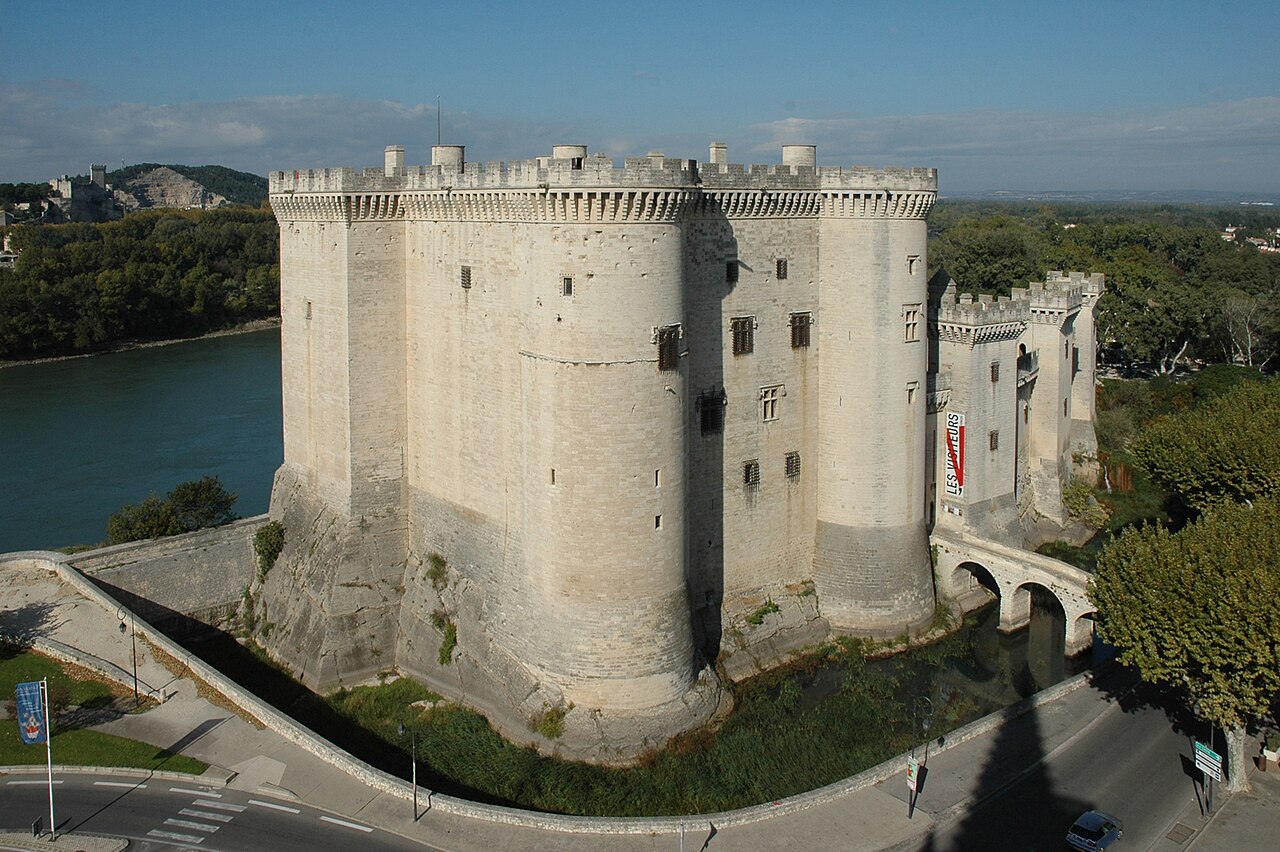
The castle of Tarascon stands as a remarkable example of late medieval military architecture in the Provence region of southern France. Constructed beginning in 1401 under the direction of Louis II of Anjou, the castle was built on the site of a previous fortress that had been destroyed, emphasizing the strategic importance of Tarascon along the Rhône River. This imposing fortress is often known as King Rene's castle, named after Rene I of Naples, who completed its construction in 1449.
Historical context and construction
The castle's construction was initiated in the early 15th century during a period marked by regional conflicts and the need for strong defensive structures. Louis II of Anjou, Count of Provence and titular King of Naples, commissioned the castle to replace the older fortifications that had been destroyed. After his death, his son Louis III of Anjou continued the work, and it was ultimately finished by his younger brother Rene I of Naples. The castle's completion in 1449 reflects the culmination of decades-long efforts to establish a formidable defensive stronghold in this key location.
Strategic location
Situated on the banks of the Rhône River, the castle of Tarascon controlled important river crossings and trade routes. Its position allowed it to serve both as a military fortress and a symbol of the Anjou family's power in Provence. The castle's placement also provided natural defensive advantages, with the river protecting one side and the town walls complementing its defenses.
Architectural features and design
The castle is a prime example of late medieval fortress design, characterized by its robust curtain walls, towers, and moats. It was designed primarily for defense, with thick walls and a compact, rectangular layout that maximized protection and control over the surrounding area.
Towers and curtain walls
The castle features several round towers at its corners, which were typical of the period and provided excellent vantage points for archers and artillery. The walls connecting these towers are exceptionally thick, designed to withstand sieges and artillery fire. The battlements along the walls allowed defenders to monitor and repel attackers effectively.
Moats and gates
A wide dry moat surrounds the castle, adding an additional layer of defense by hindering direct assaults on the walls. The main entrance was heavily fortified, with a drawbridge and gatehouse that controlled access to the interior. These defensive features reflect the military priorities of the 15th century and the need to secure the castle against both local uprisings and external threats.
Later uses and preservation
In the 17th century, the castle's role shifted from a noble fortress to a military prison. This change in function illustrates the evolving nature of such structures as warfare and political power changed over time. The castle remained a prison for centuries until it was acquired by the French state in 1932, marking the beginning of its preservation as a historical monument.
Modern preservation efforts
Today, the castle of Tarascon is well preserved and open to the public, offering visitors a glimpse into medieval military architecture and the history of the Provence region. Its preservation allows for the study of 15th-century defensive design and the legacy of the Anjou dynasty in southern France.
Cultural and historical significance
The castle is not only a military monument but also a cultural landmark that reflects the turbulent history of Provence during the late medieval period. Its association with the House of Anjou, particularly with Rene I of Naples, adds to its historical importance. The castle's imposing presence on the Rhône River continues to attract historians, architects, and tourists interested in France's medieval heritage.
Visitor experience
Visitors to the castle can explore its towers, courtyards, and defensive walls, gaining insight into the life of medieval nobility and soldiers. The castle often hosts exhibitions and cultural events that highlight its rich history and architectural features.
Frequently asked questions (FAQ)
- What is the history of the Castle of Tarascon?
- The Castle of Tarascon, built in the 15th century, is a remarkable example of medieval military architecture. It was constructed under the orders of King René of Anjou and has served various purposes throughout its history, including as a fortress and a residence. The castle's strategic location along the Rhône River made it an important stronghold during its time.
- When is the best time to visit the Castle of Tarascon?
- The best time to visit the Castle of Tarascon is during the spring and fall months when the weather is mild and pleasant. These seasons offer a great opportunity to explore the castle grounds and enjoy the stunning views without the heat of summer. Additionally, visiting during these times allows you to avoid large tourist crowds.
- What are the opening hours of the Castle of Tarascon?
- The Castle of Tarascon is generally open to visitors from 9:30 AM to 6:00 PM, with extended hours during the summer months. It is recommended to check the castle's official website for any seasonal changes or special events that may affect opening times. Visitors should also plan their arrival to allow ample time for exploration.
- Is it possible to take guided tours of the Castle of Tarascon?
- Yes, guided tours of the Castle of Tarascon are available and are highly recommended for a more enriching experience. These tours provide insightful information about the castle's history, architecture, and significant events that took place within its walls. Audio guides are also available for those who prefer a self-guided option.
- Can I bring my children to the Castle of Tarascon?
- Absolutely! The Castle of Tarascon welcomes families and offers a fascinating experience for children of all ages. Kids can explore the castle's towers, ramparts, and gardens, making it an educational outing. There are often activities and events tailored for younger visitors, enhancing their experience.
- What are the ticket prices for the Castle of Tarascon?
- The ticket prices for the Castle of Tarascon are quite reasonable, with discounts available for students, seniors, and children. Typically, adult tickets are around €8, while reduced tickets for families and groups may cost less. It's advisable to check for any special offers or free entry days on the castle's website.
- How accessible is the Castle of Tarascon for visitors with mobility challenges?
- The Castle of Tarascon strives to be accessible for all visitors, including those with mobility challenges. There are ramps and designated pathways to facilitate easier movement around the site. However, due to the castle's historical structure, some areas may still present challenges, so it's best to contact the site in advance for specific accessibility information.
- What nearby attractions can I visit while in Tarascon?
- While visiting the Castle of Tarascon, be sure to explore other nearby attractions such as the charming town center with its quaint shops and cafes. The Beaucaire Castle is also a short distance away, offering additional historical insights. The beautiful Rhône River provides opportunities for scenic walks and picnics, enhancing your visit to the area.
Information
Website
Visit websiteSources & official resources
Verify the information above using these authoritative references.
Loading map...
Visitor reviews
No reviews yet. Been here? Write the first review and help other travelers!
Write the first reviewVisited this castle? Share your experience
Your review helps other travelers and adds first-hand knowledge to our encyclopedia.