Castle of Saint Anthony of Salgar — Colombia castle

Castle of Saint Anthony of Salgar

Castle of Saint Anthony of Salgar
Modern (19th–20th c.)
Well Preserved

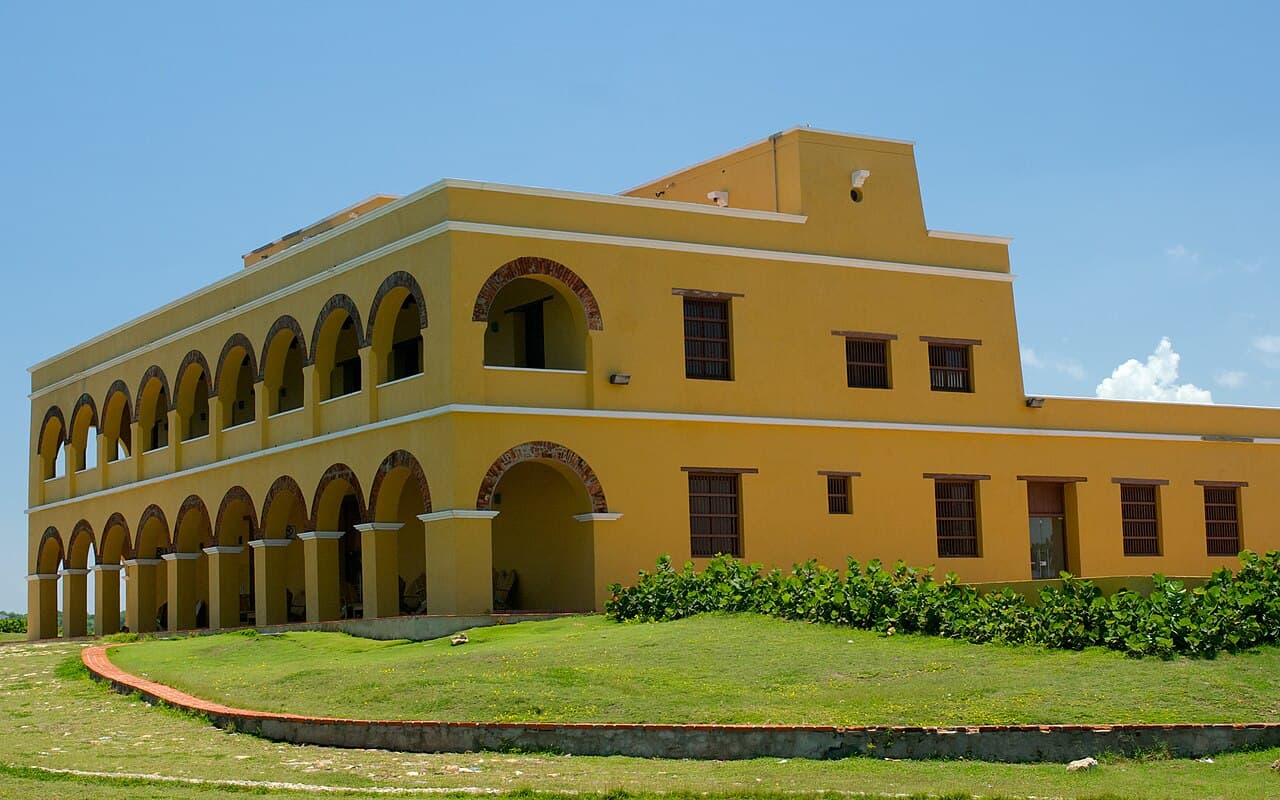
The Castle of Saint Anthony of Salgar is a distinctive 19th-century hill castle located in Colombia. This castle stands out due to its unique architectural style and its historical role in the region. Constructed during the modern period, it reflects the design sensibilities and construction techniques of the 19th century, a time when castle building was more symbolic and aesthetic than military.

Historical context and significance

Built in the 19th century, the Castle of Saint Anthony of Salgar was constructed during a period when Colombia was undergoing significant political and social changes. The castle's creation coincided with an era marked by the consolidation of national identity and the influence of European architectural styles. Unlike medieval castles built primarily for defense, this castle served more as a residence and a symbol of prestige.

The castle is named after Saint Anthony of Padua, reflecting the cultural and religious influences prevalent in Colombia during that time. It has become a landmark that connects the local community with its historical roots and serves as a reminder of the region's colonial and post-colonial heritage.

Architectural features and design

The Castle of Saint Anthony of Salgar is classified as a hill castle, meaning it is strategically positioned on elevated terrain. This location not only provided a commanding view of the surrounding landscape but also added to the castle's imposing presence.

The castle's architecture combines elements typical of 19th-century construction with influences from European castle designs. It features robust stone walls, battlements, and towers that evoke the appearance of medieval fortifications, though these elements are largely decorative. The castle includes a central keep, multiple turrets, and a fortified gatehouse, all designed to impress rather than withstand sieges.

Materials and construction techniques

Constructed primarily from local stone and mortar, the castle's walls are thick and durable, showcasing the masonry skills of the period. The use of stone not only provided structural strength but also contributed to the castle's aesthetic appeal. Timber was used for interior structures such as floors and roofing, adhering to traditional building methods of the time.

Interior layout and features

Inside, the castle contains several chambers, halls, and living quarters arranged around a central courtyard. The layout reflects a blend of residential comfort and the symbolic architecture of a fortress. Decorative elements such as arched windows, ornate fireplaces, and carved wooden doors add to the castle's charm.

Preservation and current status

Today, the Castle of Saint Anthony of Salgar is recognized as a well-preserved example of modern period castle architecture in Colombia. Its condition allows visitors to appreciate the craftsmanship and historical context of the building. Efforts have been made to maintain the castle's structural integrity and to promote it as a cultural heritage site.

The castle attracts tourists and history enthusiasts interested in Colombia's architectural evolution and the adaptation of castle designs outside Europe. It serves educational purposes and hosts cultural events that highlight its significance in the region.

Visiting the castle

Visitors to the castle can explore its various architectural features and enjoy panoramic views from its elevated position. The site offers guided tours that provide insights into its history, construction, and the cultural environment of 19th-century Colombia.

The castle's location on a hill makes it accessible by road, although some walking may be required to reach the entrance. It is advisable to check local visitor information for opening hours and any special events.

Frequently asked questions (FAQ)

What is the historical significance of the Castle of Saint Anthony of Salgar?
The castle was built in the 19th century during Colombia's modern period and reflects the cultural and architectural influences of that era. It symbolizes the region's heritage and religious connections to Saint Anthony of Padua.
How can I visit the Castle of Saint Anthony of Salgar?
The castle is accessible by road and located on a hill, offering panoramic views. Visitors should check local sources for opening hours and guided tour availability.
What architectural features does the castle have?
The castle features thick stone walls, battlements, towers, a central keep, and a fortified gatehouse, combining defensive aesthetics with residential comfort typical of 19th-century hill castles.
Is the Castle of Saint Anthony of Salgar well preserved?
Yes, the castle is well preserved and maintained, allowing visitors to explore its historical and architectural features in good condition.

Photo gallery

Castle of Saint Anthony of Salgar
Click to view

Photo by Olay.alvarez•CC BY-SA 3.0

1 photo • Click any image to view in full screen

Information

Hill Castle

Loading map...

Visitor reviews

No reviews yet. Been here? Write the first review and help other travelers!

Write the first review

Visited this castle? Share your experience

Your review helps other travelers and adds first-hand knowledge to our encyclopedia.
Write a review

(5/5)

0/2000 characters

Your review will be visible after admin approval

Nearby castles

93 km
Castillo San Felipe de Barajas — Colombia castle

Castillo San Felipe de Barajas

Cartagena, Colombia

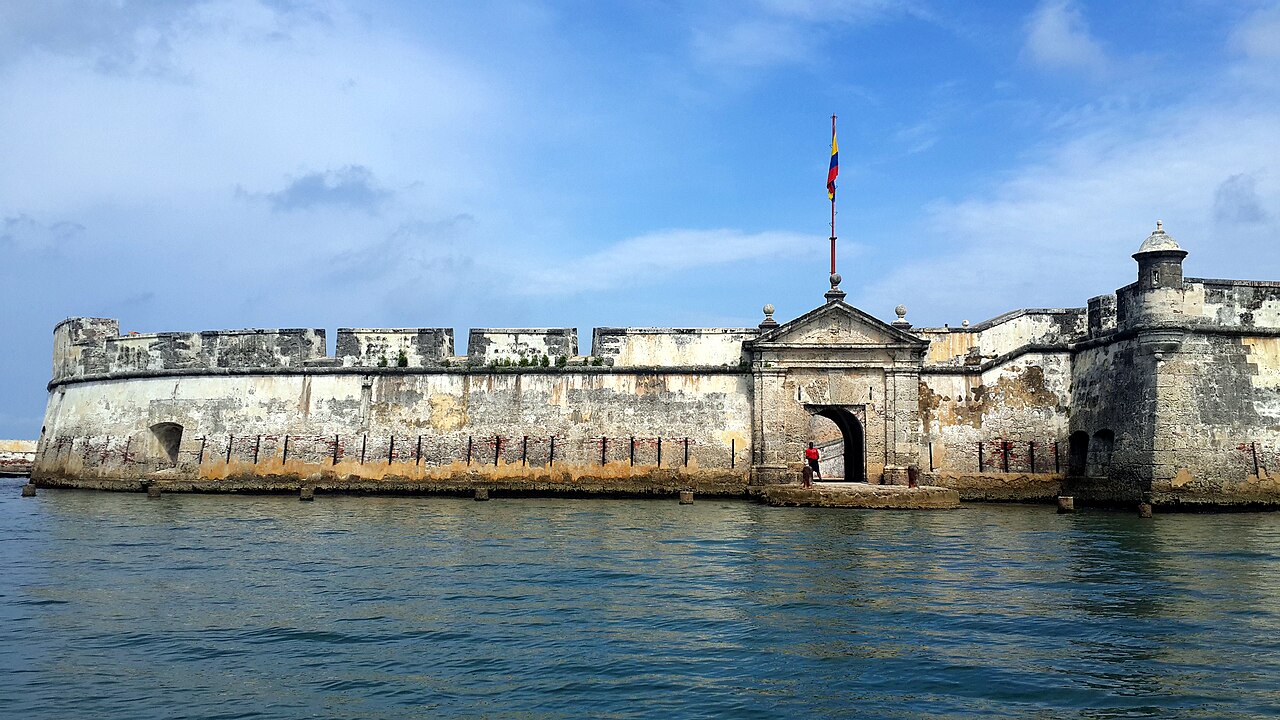
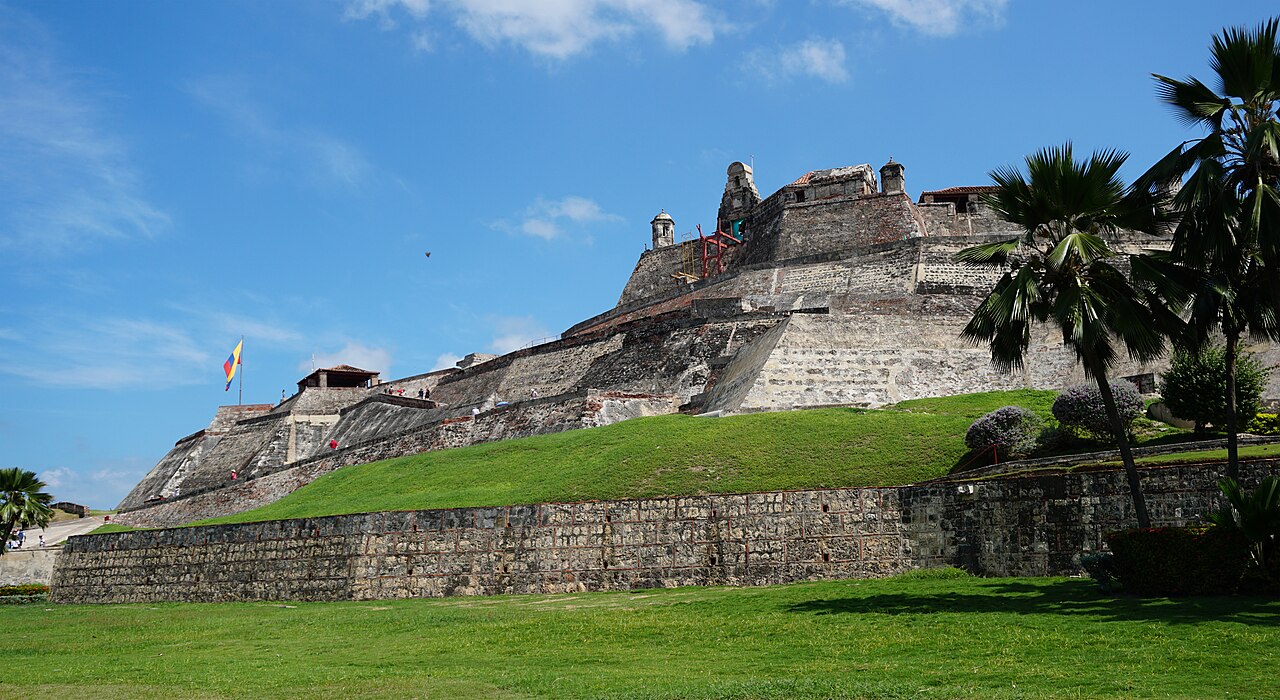
Castillo San Felipe de Barajas stands as one of the most formidable and iconic fortresses in Colombia, strategically located in the Bolívar Department on the hill of San Lázaro overlooking the city of Cartagena and its bay. Constructed initially in 1536 by the Spanish Empire, this fortress was designed to protect Cartagena, a vital port city, from pirate attacks and military invasions during the colonial era. The fortress's construction spanned over a century, completed around the late 17th century, reflecting the evolving military architectural techniques of the High and Late Medieval periods adapted to the New World context. The strategic importance and location The castle’s placement on the hill of San Lázaro provided a commanding view of the surrounding terrain, including the Caribbean Sea and the city itself. This vantage point was crucial for early detection of enemy ships and coordinating the defense of Cartagena’s harbor. Its location made it nearly impregnable, as it controlled the main access routes to the city and the bay, deterring numerous naval assaults. Construction and architectural features The construction of Castillo San Felipe de Barajas was a massive undertaking that lasted approximately 121 years, involving a workforce that included enslaved Africans and indigenous laborers under harsh conditions. The fortress is a prime example of military engineering adapted to tropical climates and the specific threats of the Caribbean. It features a complex system of bastions, walls, tunnels, and moats designed to withstand artillery bombardments and siege warfare. Defensive structures Bastions: The fortress contains multiple bastions, including the famous Bastión de San Lázaro, which allowed defenders to cover all angles of approach with overlapping fields of fire. Walls and ramparts: Thick stone walls with angled surfaces helped deflect cannonballs and resist prolonged attacks. Tunnels and underground passages: These allowed safe movement of troops and supplies within the fortress during sieges, and facilitated communication between different sections. Artillery placements: The fortress was equipped with numerous cannons strategically positioned to target enemy ships and troops. Historical significance and military engagements Throughout its history, Castillo San Felipe de Barajas played a pivotal role in defending Cartagena against multiple attacks, most notably the 1741 British siege led by Admiral Edward Vernon. Vernon commanded a formidable force of 23,600 men and 186 ships aiming to capture Cartagena, one of Spain’s most valuable colonial possessions. Despite the overwhelming odds, the fortress's robust defenses and strategic design allowed the Spanish defenders to repel the attack. The fortress’s artillery inflicted heavy losses, sinking or damaging 70 British vessels and forcing a retreat. Besides the British siege, the castle also resisted various pirate raids and other military threats during the colonial period, cementing its reputation as a symbol of Spanish colonial military power in the Americas. Architectural style and influences The fortress exhibits characteristics typical of Renaissance military architecture, influenced by European fortification principles such as the star fort design, adapted to the Caribbean environment. Its angled bastions and thick walls reflect the need to counter the increasing use of gunpowder artillery in warfare. The design incorporates both functional military elements and the adaptation to local materials and climate conditions. Preservation and modern significance Today, Castillo San Felipe de Barajas is well preserved and serves as a major tourist attraction and cultural heritage site. It is managed as part of Cartagena’s historic district, which is recognized as a UNESCO World Heritage Site. Visitors can explore the extensive network of tunnels, bastions, and ramparts, gaining insight into colonial military engineering and the history of Spanish America. The castle continues to be a powerful symbol of Cartagena’s rich history and resilience, attracting scholars, tourists, and history enthusiasts alike. Its preservation allows for ongoing study and appreciation of colonial military architecture and the complex history of European colonization in the Americas. Visiting Castillo San Felipe de Barajas Visitors to the castle can enjoy guided tours that explain the fortress’s construction, historical battles, and strategic importance. The site offers panoramic views of Cartagena and the Caribbean Sea, making it a popular destination for photography and cultural tourism. Facilities include interpretive signage, visitor centers, and amenities to accommodate tourists.

High Medieval (11th–13th c.)
Details
104.5 km
Castle of San Luis de Bocachica — Colombia castle

Castle of San Luis de Bocachica

Cartagena, Colombia

The Castle of San Luis de Bocachica, also known as Fort St. Louis, is a historic military fortress located on the Island of Tierra Bomba near Cartagena, Colombia. Constructed by the Spanish in the 17th century, this fortress played a crucial role in defending the strategic maritime access to the city through the Bocachica channel, which served as the "small entrance" to Cartagena's harbor, contrasting with the larger Bocagrande channel. Strategic location and defensive purpose The castle's position on Tierra Bomba Island was carefully chosen to control the deep-water passage leading into Cartagena's harbor. This location allowed the fortress to monitor and defend against enemy ships attempting to enter via the Bocachica channel, which was vital for protecting the city and its valuable colonial port. The fortress formed part of a larger defensive network safeguarding Cartagena, one of the most important ports in Spanish America during the colonial period. Architectural features and construction Built in the renaissance period, the Castle of San Luis de Bocachica was designed as a coastal fortress with robust bastioned walls and artillery platforms to withstand naval attacks. The fortress incorporated thick stone walls, angled bastions for improved defense, and gun emplacements strategically oriented to cover the channel entrance. Its design reflected the military engineering principles of the time, emphasizing both strong fortifications and effective artillery coverage. Fortification elements The castle featured battlements, ramparts, and moats to deter assaults from both sea and land. Its curved bastions allowed defenders to cover blind spots and create overlapping fields of fire. The fortress also included gates and drawbridges to control access, as well as internal courtyards and casemates for housing troops and storing munitions. Historical significance and events Throughout the 17th and 18th centuries, the Castle of San Luis de Bocachica was instrumental in defending Cartagena from various naval threats, including attacks by pirates and rival European powers. However, during the 18th century, the fortress suffered significant damage from warfare and natural deterioration. Due to these damages and evolving military needs, the Spanish authorities decided to replace the castle with a more modern fortification. Transition to the castle of san fernando On the same site, the Castle of San Fernando was constructed as a new coastal fortress to supersede San Luis de Bocachica. The new fortification incorporated advances in military architecture and offered improved defenses suited to the changing nature of warfare in the late colonial period. Cultural and heritage importance Today, the site of the Castle of San Luis de Bocachica remains an important historical landmark that reflects the colonial military history of Cartagena and Spanish America. Although the original fortress is no longer fully intact, its ruins and the subsequent Castle of San Fernando provide valuable insights into the evolution of coastal defenses in the Caribbean region. Visitor information and preservation The castle's location on Tierra Bomba Island makes it accessible for visitors interested in exploring Cartagena's rich military heritage. Preservation efforts focus on maintaining the remaining structures and promoting awareness of the site's historical significance. Visitors can observe the remnants of the fortress's walls and bastions while learning about its role in protecting one of the most vital ports of the Spanish Empire.

Renaissance (15th–17th c.)
Details
351.8 km
San Sebastián de Urabá — Colombia castle

San Sebastián de Urabá

, Colombia

San Sebastián de Urabá holds a significant place in Colombian history as the first Spanish settlement established in the challenging terrain of the Darién Gap during the 16th century. Founded as a strategic foothold for Spanish explorers and conquistadors, this fortress marked the beginning of European colonization efforts in what is now modern-day Colombia. Historical context and foundation The establishment of San Sebastián de Urabá was part of Spain's broader efforts to expand its empire in the Americas during the Renaissance period. The settlement was founded in 1510 under the direction of Spanish explorer , who sought to secure a base for further expeditions into the interior of South America. The location was chosen for its strategic position near the Caribbean coast, offering access to inland routes and potential resources. Architectural features and defensive design As a hill castle, San Sebastián de Urabá was built on elevated terrain to maximize its defensive capabilities. The fortress likely featured earthworks and wooden palisades rather than extensive stone fortifications, reflecting the early colonial period's construction techniques and the urgency of establishing a defensive position against indigenous resistance. The design would have included a central keep or fortified enclosure, surrounded by ramparts and watchtowers to monitor approaching threats. Adaptation to the environment The Darién Gap's dense tropical rainforest and difficult terrain posed significant challenges for construction and defense. The builders adapted by using locally available materials and constructing fortifications that could be maintained with limited resources. The site selection on a hill provided natural defense advantages, including visibility over the surrounding landscape and protection from flooding. Role in Spanish colonization and conflicts San Sebastián de Urabá served as a critical outpost during the early years of Spanish colonization in the region. It was a base for expeditions aimed at exploring and conquering indigenous territories, including attempts to reach the Pacific Ocean. However, the settlement faced persistent attacks from indigenous groups resisting Spanish encroachment, leading to difficult living conditions and eventual abandonment. Legacy and historical significance Although San Sebastián de Urabá was eventually abandoned and fell into ruin, its establishment represents a pivotal moment in the history of European colonization in South America. It stands as an early example of Spanish military and colonial architecture adapted to tropical frontier conditions. The site is now recognized for its archaeological and historical importance, providing insights into early colonial strategies and the challenges faced by settlers in the Americas. Current condition and preservation Today, San Sebastián de Urabá exists primarily as archaeological ruins, with remnants of its defensive structures and settlement layout still visible. Preservation efforts focus on protecting the site from further degradation due to natural and human factors. The ruins offer valuable opportunities for research and education about early colonial history and fortification methods in tropical environments.

Renaissance (15th–17th c.)
Details