Castillo San Felipe de Barajas
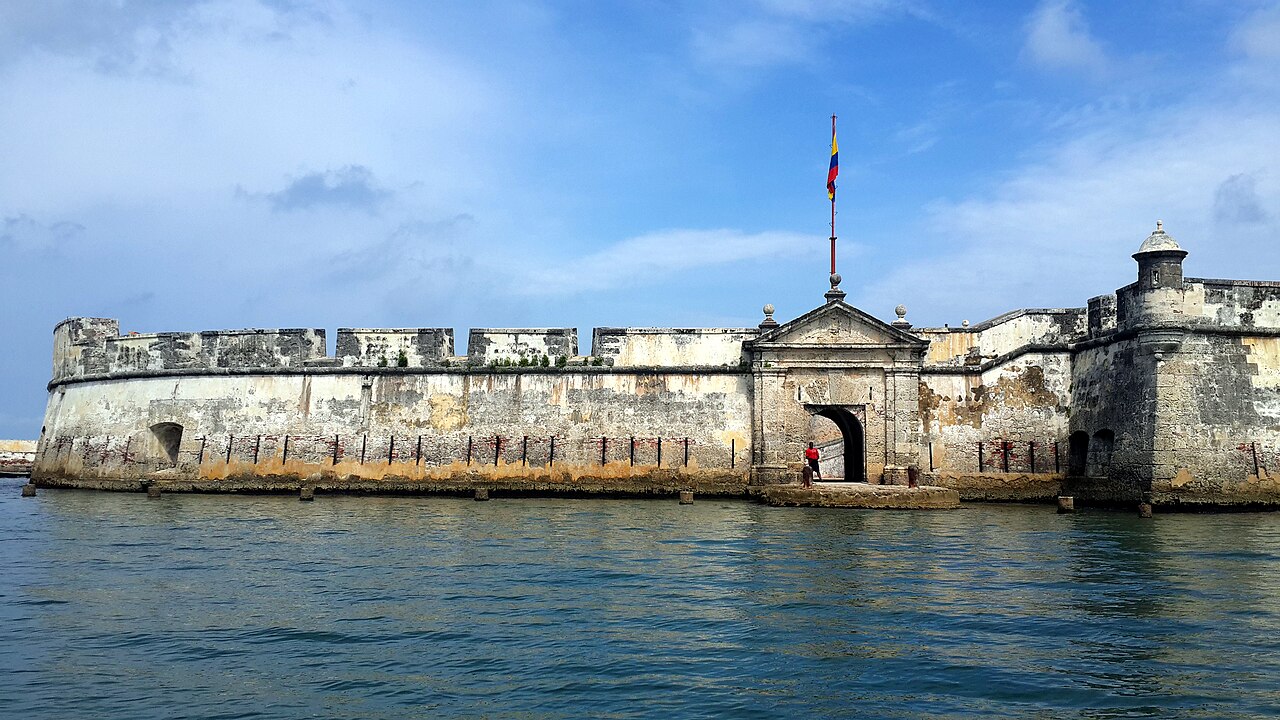
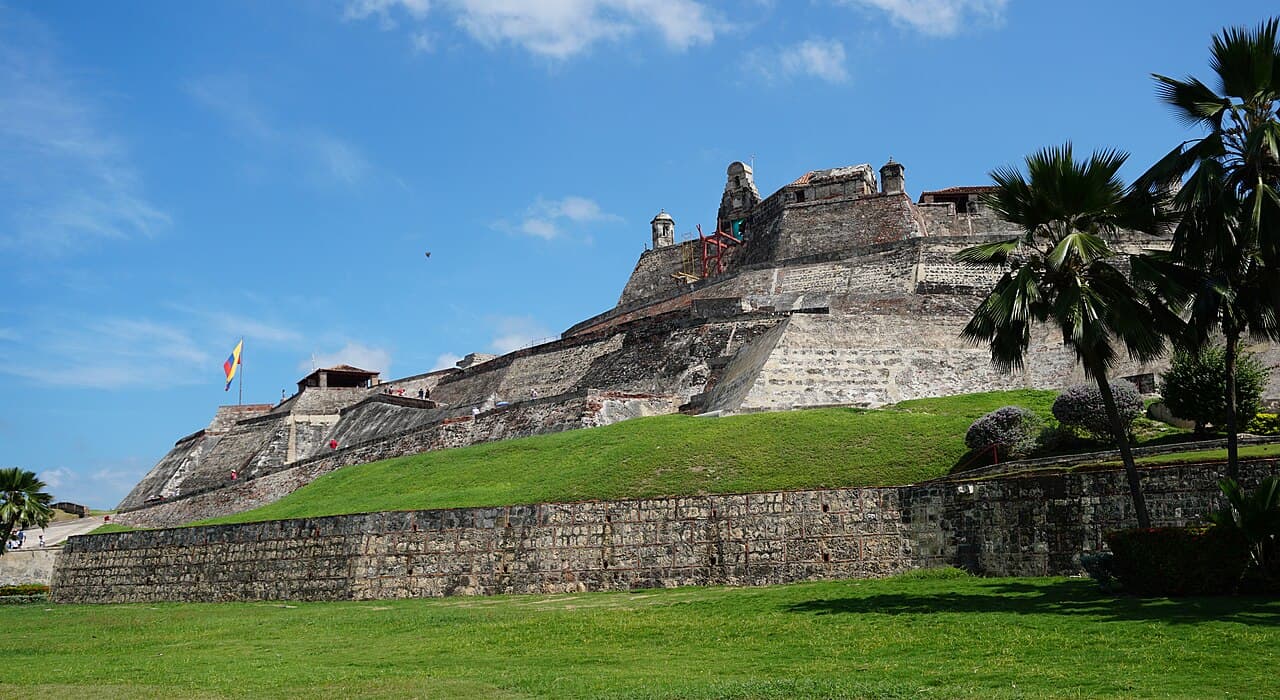
Castillo San Felipe de Barajas stands as one of the most formidable and iconic fortresses in Colombia, strategically located in the Bolívar Department on the hill of San Lázaro overlooking the city of Cartagena and its bay. Constructed initially in 1536 by the Spanish Empire, this fortress was designed to protect Cartagena, a vital port city, from pirate attacks and military invasions during the colonial era. The fortress's construction spanned over a century, completed around the late 17th century, reflecting the evolving military architectural techniques of the High and Late Medieval periods adapted to the New World context.
The strategic importance and location
The castle’s placement on the hill of San Lázaro provided a commanding view of the surrounding terrain, including the Caribbean Sea and the city itself. This vantage point was crucial for early detection of enemy ships and coordinating the defense of Cartagena’s harbor. Its location made it nearly impregnable, as it controlled the main access routes to the city and the bay, deterring numerous naval assaults.
Construction and architectural features
The construction of Castillo San Felipe de Barajas was a massive undertaking that lasted approximately 121 years, involving a workforce that included enslaved Africans and indigenous laborers under harsh conditions. The fortress is a prime example of military engineering adapted to tropical climates and the specific threats of the Caribbean. It features a complex system of bastions, walls, tunnels, and moats designed to withstand artillery bombardments and siege warfare.
Defensive structures
- Bastions: The fortress contains multiple bastions, including the famous Bastión de San Lázaro, which allowed defenders to cover all angles of approach with overlapping fields of fire.
- Walls and ramparts: Thick stone walls with angled surfaces helped deflect cannonballs and resist prolonged attacks.
- Tunnels and underground passages: These allowed safe movement of troops and supplies within the fortress during sieges, and facilitated communication between different sections.
- Artillery placements: The fortress was equipped with numerous cannons strategically positioned to target enemy ships and troops.
Historical significance and military engagements
Throughout its history, Castillo San Felipe de Barajas played a pivotal role in defending Cartagena against multiple attacks, most notably the 1741 British siege led by Admiral Edward Vernon. Vernon commanded a formidable force of 23,600 men and 186 ships aiming to capture Cartagena, one of Spain’s most valuable colonial possessions. Despite the overwhelming odds, the fortress's robust defenses and strategic design allowed the Spanish defenders to repel the attack. The fortress’s artillery inflicted heavy losses, sinking or damaging 70 British vessels and forcing a retreat.
Besides the British siege, the castle also resisted various pirate raids and other military threats during the colonial period, cementing its reputation as a symbol of Spanish colonial military power in the Americas.
Architectural style and influences
The fortress exhibits characteristics typical of Renaissance military architecture, influenced by European fortification principles such as the star fort design, adapted to the Caribbean environment. Its angled bastions and thick walls reflect the need to counter the increasing use of gunpowder artillery in warfare. The design incorporates both functional military elements and the adaptation to local materials and climate conditions.
Preservation and modern significance
Today, Castillo San Felipe de Barajas is well preserved and serves as a major tourist attraction and cultural heritage site. It is managed as part of Cartagena’s historic district, which is recognized as a UNESCO World Heritage Site. Visitors can explore the extensive network of tunnels, bastions, and ramparts, gaining insight into colonial military engineering and the history of Spanish America.
The castle continues to be a powerful symbol of Cartagena’s rich history and resilience, attracting scholars, tourists, and history enthusiasts alike. Its preservation allows for ongoing study and appreciation of colonial military architecture and the complex history of European colonization in the Americas.
Visiting Castillo San Felipe de Barajas
Visitors to the castle can enjoy guided tours that explain the fortress’s construction, historical battles, and strategic importance. The site offers panoramic views of Cartagena and the Caribbean Sea, making it a popular destination for photography and cultural tourism. Facilities include interpretive signage, visitor centers, and amenities to accommodate tourists.
Frequently asked questions (FAQ)
- What is Castillo San Felipe de Barajas known for?
- Castillo San Felipe de Barajas is renowned for its impressive military architecture and strategic location overlooking the city of Cartagena. Built in the 16th century, it served as a critical defense against pirate attacks and is considered one of the most important fortifications in the Americas.
- When was Castillo San Felipe de Barajas constructed?
- Construction of Castillo San Felipe de Barajas began in 1536 and continued for several decades, with significant expansions made until the 18th century. The castle reflects the military engineering techniques of the time and was designed to withstand sieges and bombardments.
- Can I visit Castillo San Felipe de Barajas?
- Yes, Castillo San Felipe de Barajas is open to visitors, allowing them to explore its historic walls and learn about its fascinating history. Guided tours are available, providing insight into the castle's architecture and its role in Colombia's colonial past.
- What are the opening hours for Castillo San Felipe de Barajas?
- The castle is typically open to the public from 8:00 AM to 6:00 PM daily. However, it's advisable to check the official website or local resources for any changes in hours, especially during holidays or special events.
- Is it possible to access Castillo San Felipe de Barajas with mobility issues?
- While Castillo San Felipe de Barajas has made efforts to improve accessibility, some areas may still present challenges for visitors with mobility issues due to its steep paths and uneven terrain. It's recommended to contact the site in advance to inquire about specific accommodations and to plan your visit accordingly.
- What is the best time to visit Castillo San Felipe de Barajas?
- The best time to visit Castillo San Felipe de Barajas is during the dry season, from December to April, when the weather is more pleasant for outdoor exploration. Early mornings or late afternoons can also provide a more comfortable experience, avoiding the midday heat and crowds.
- Are there any nearby attractions to visit after Castillo San Felipe de Barajas?
- Yes, after exploring Castillo San Felipe de Barajas, visitors can enjoy nearby attractions such as the historic walled city of Cartagena, the San Pedro Claver Church, and the vibrant Getsemani neighborhood. These sites offer a rich cultural experience and beautiful architecture, making them perfect for a full day of exploration.
- What are the ticket prices for Castillo San Felipe de Barajas?
- As of now, the ticket prices for Castillo San Felipe de Barajas are generally affordable, with discounts available for students and seniors. It's best to check the official website for the most current pricing and any available promotions before your visit.
Photo gallery

Information
Loading map...
Visitor reviews
No reviews yet. Been here? Write the first review and help other travelers!
Write the first reviewVisited this castle? Share your experience
Your review helps other travelers and adds first-hand knowledge to our encyclopedia.