San Sebastián de Urabá
San Sebastián de Urabá holds a significant place in Colombian history as the first Spanish settlement established in the challenging terrain of the Darién Gap during the 16th century. Founded as a strategic foothold for Spanish explorers and conquistadors, this fortress marked the beginning of European colonization efforts in what is now modern-day Colombia.
Historical context and foundation
The establishment of San Sebastián de Urabá was part of Spain's broader efforts to expand its empire in the Americas during the Renaissance period. The settlement was founded in 1510 under the direction of Spanish explorer , who sought to secure a base for further expeditions into the interior of South America. The location was chosen for its strategic position near the Caribbean coast, offering access to inland routes and potential resources.
Architectural features and defensive design
As a hill castle, San Sebastián de Urabá was built on elevated terrain to maximize its defensive capabilities. The fortress likely featured earthworks and wooden palisades rather than extensive stone fortifications, reflecting the early colonial period's construction techniques and the urgency of establishing a defensive position against indigenous resistance. The design would have included a central keep or fortified enclosure, surrounded by ramparts and watchtowers to monitor approaching threats.
Adaptation to the environment
The Darién Gap's dense tropical rainforest and difficult terrain posed significant challenges for construction and defense. The builders adapted by using locally available materials and constructing fortifications that could be maintained with limited resources. The site selection on a hill provided natural defense advantages, including visibility over the surrounding landscape and protection from flooding.
Role in Spanish colonization and conflicts
San Sebastián de Urabá served as a critical outpost during the early years of Spanish colonization in the region. It was a base for expeditions aimed at exploring and conquering indigenous territories, including attempts to reach the Pacific Ocean. However, the settlement faced persistent attacks from indigenous groups resisting Spanish encroachment, leading to difficult living conditions and eventual abandonment.
Legacy and historical significance
Although San Sebastián de Urabá was eventually abandoned and fell into ruin, its establishment represents a pivotal moment in the history of European colonization in South America. It stands as an early example of Spanish military and colonial architecture adapted to tropical frontier conditions. The site is now recognized for its archaeological and historical importance, providing insights into early colonial strategies and the challenges faced by settlers in the Americas.
Current condition and preservation
Today, San Sebastián de Urabá exists primarily as archaeological ruins, with remnants of its defensive structures and settlement layout still visible. Preservation efforts focus on protecting the site from further degradation due to natural and human factors. The ruins offer valuable opportunities for research and education about early colonial history and fortification methods in tropical environments.
Frequently asked questions (FAQ)
- How do I get to San Sebastián de Urabá?
- You can reach San Sebastián de Urabá by car or bus from major Colombian cities. The nearest airport is in Apartadó, which is about 30 minutes away by road. Public transportation options are also available from nearby towns, making it accessible for visitors.
- What is the historical significance of San Sebastián de Urabá?
- San Sebastián de Urabá is a historically important site as it was one of the first Spanish settlements in Colombia, established in the 16th century. It played a crucial role in the Spanish colonization and the subsequent cultural exchanges in the region. The castle serves as a reminder of the colonial history and the strategic military importance of the area.
- When was San Sebastián de Urabá built?
- The construction of San Sebastián de Urabá began in 1540 and was completed in the following years as part of Spanish efforts to secure the territory. Its strategic location allowed for the defense against pirates and other threats during the colonial period. The site has since undergone various restorations to preserve its historical significance.
- Can I visit San Sebastián de Urabá year-round?
- Yes, San Sebastián de Urabá is open for visitors year-round, but it's best to check local conditions and any specific events that may affect access. The site often hosts cultural events and activities that enhance the visitor experience. It's advisable to plan your visit during the dry season for a more pleasant experience.
- Why is the architecture of San Sebastián de Urabá unique?
- The architecture of San Sebastián de Urabá is unique due to its blend of military fortification and colonial design, featuring thick stone walls and strategic vantage points. This design reflects the need for defense during its time as a settlement. The castle's layout showcases the historical military architecture of the Spanish colonial era.
- Is it possible to take guided tours at San Sebastián de Urabá?
- Yes, guided tours are available at San Sebastián de Urabá, providing insights into its rich history and architectural features. Knowledgeable guides lead these tours, enhancing the visitor experience by sharing fascinating stories and facts. It's recommended to check in advance for tour schedules and availability.
- What are the opening hours for San Sebastián de Urabá?
- San Sebastián de Urabá typically opens from 9 AM to 5 PM, but hours may vary on holidays or special occasions. It is advisable to confirm the current opening hours before your visit to ensure you have ample time to explore the site. Early visits may provide a quieter experience for photography and exploration.
- Are there any nearby attractions to visit when at San Sebastián de Urabá?
- Yes, there are several nearby attractions including beautiful beaches, local markets, and other historical sites that reflect the region's culture. The town of Turbo, known for its vibrant atmosphere and coastal activities, is also a short distance away. Exploring these nearby attractions can enrich your visit to the castle.
- What are the ticket prices for visiting San Sebastián de Urabá?
- Ticket prices for San Sebastián de Urabá are generally affordable, making it accessible to a wide range of visitors. Discounts may be available for students, seniors, and groups, so it's worth inquiring at the ticket office. Prices can vary, so checking the official website or local tourism information is advisable before your visit.
Photo gallery

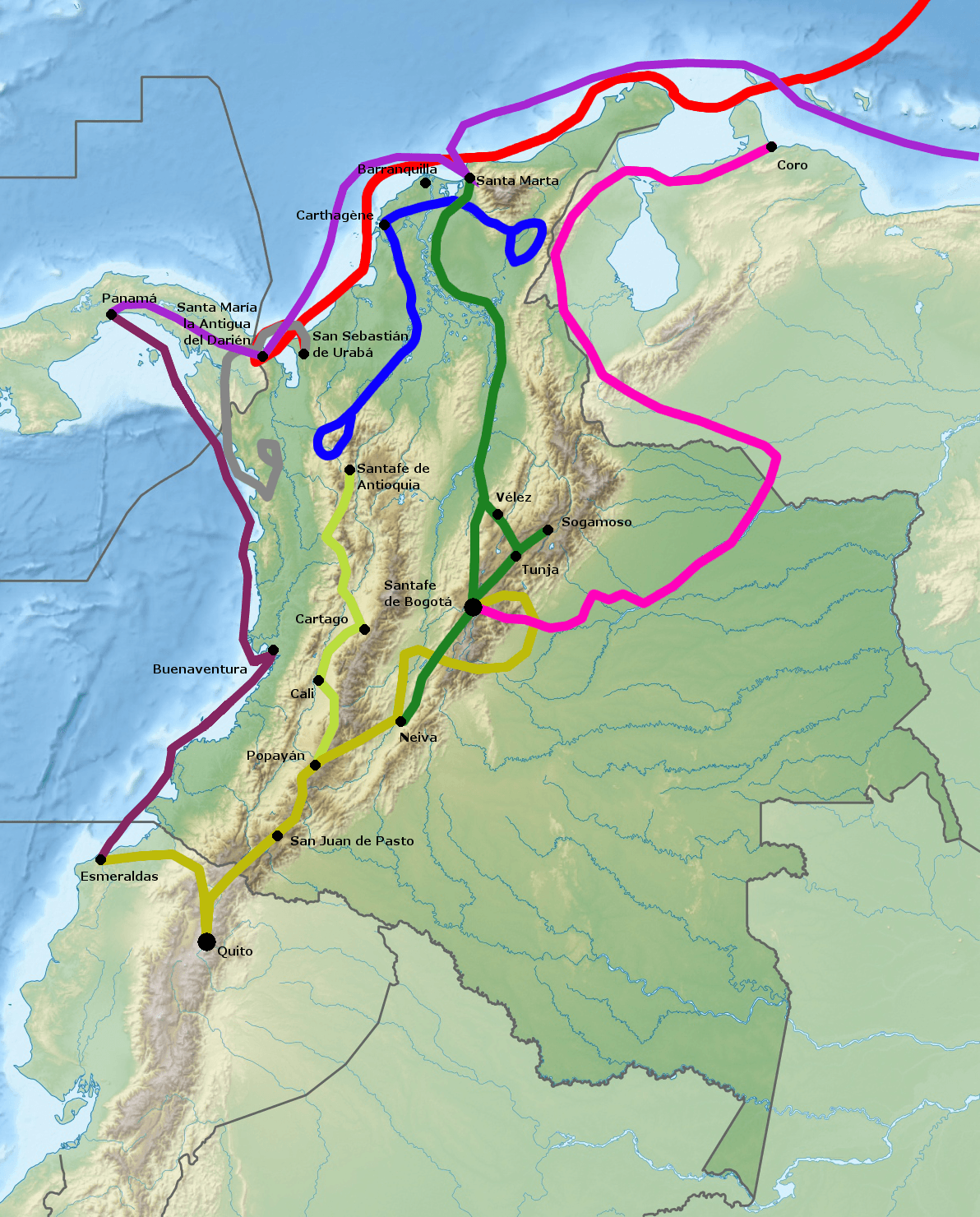
Photo by Colombia_relief_location_map.jpg: Grundkarte Shadowxfox, Relief Alexrk2 derivative work: Dr Brains•CC BY-SA 3.0
Information
Loading map...
Visitor reviews
No reviews yet. Been here? Write the first review and help other travelers!
Write the first reviewVisited this castle? Share your experience
Your review helps other travelers and adds first-hand knowledge to our encyclopedia.