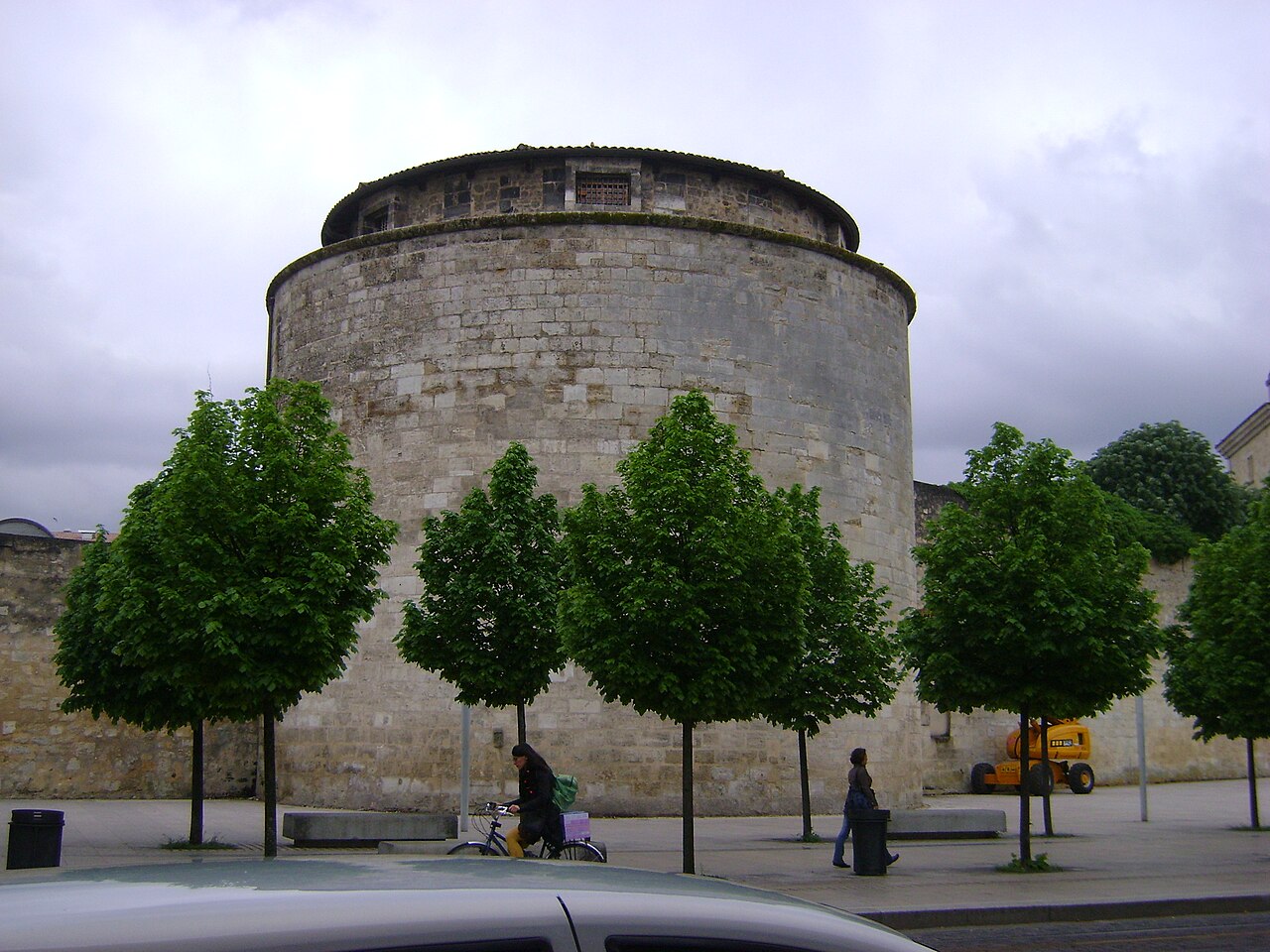
Castle of Roquetaillade
The Castle of Roquetaillade stands as a remarkable example of medieval military architecture combined with 19th-century restoration artistry. Located in Mazeres, France, this late medieval fortress comprises two stone castles within a single enclosure, set amidst an expansive tree-filled park. It is one of the most visited castles in the Bordeaux region, attracting visitors for its rich history, architectural grandeur, and cultural significance.
Early history and medieval origins
The origins of the Castle of Roquetaillade trace back to the early 12th century when the first fortification was constructed. Although traditionally attributed to Charlemagne, this initial structure now survives only as imposing ruins, reflecting the passage of centuries. The original fortress served as a strategic defensive site, guarding the surrounding lands and controlling local routes in the region.
The new castle: 14th-century construction
In 1306, Cardinal Gaillard de la Mothe, nephew of Pope Clement V, commissioned the building of a second fortress within the same enclosure, known as the New Castle. This construction marked a significant development in the castle's history, reflecting the evolving military and residential needs of the period. The design featured a square layout fortified by six defensive towers and a central keep, embodying the late medieval castle architecture typical of the 14th century.
Architectural features of the new castle
The New Castle was designed with both defense and residence in mind. The six towers provided comprehensive surveillance and protection, while the central keep served as the last refuge during sieges. The stone walls were thick and formidable, designed to withstand attacks common in the turbulent medieval period. The castle's layout also included a courtyard and living quarters, combining functionality with noble comfort.
19th-century restoration by eugène viollet-le-duc
The castle underwent a major transformation in the 19th century under the direction of the renowned architect Eugène Viollet-le-Duc, a pioneer of the Gothic Revival and restoration movement in France. Viollet-le-Duc, assisted by one of his pupils, undertook an extensive restoration of the New Castle, transforming it from a medieval fortress into a refined residence.
Restoration approach and interior decoration
Viollet-le-Duc's restoration was not merely structural but also artistic. He introduced extraordinary interior decorations, including richly painted walls, intricately carved woodwork, and period furnishings that enhanced the castle's historic character while adapting it for comfortable living. The restoration respected the castle's medieval origins but added a layer of 19th-century romanticism and aesthetic sophistication.
The castle today: heritage and visitor experience
Today, the Chateau de Roquetaillade remains under the ownership of the same family for over 700 years, a testament to its enduring legacy. Visitors can explore the castle's impressive interiors, marvel at the decorations by Viollet-le-Duc, and gain insight into the layered history of this unique fortress.
The park and surrounding features
The castle is surrounded by a large park that includes remnants of the medieval curtain wall and a distinctive chapel noted for its oriental-style interior. This blend of medieval and exotic elements adds to the castle's allure and cultural richness.
Wine heritage and cultural significance
In addition to its architectural and historical importance, the estate is known for producing the renowned white wine Chateaufort de Roquetaillade. The castle also serves as a cultural venue, having been used as a filming location, which further enhances its profile as a heritage site.
Architectural classification and preservation status
The Castle of Roquetaillade is classified as a hill castle due to its elevated position and strategic location. Its construction period is firmly placed in the late medieval era, specifically the 14th century. The castle is well preserved, largely thanks to the 19th-century restoration efforts that have maintained its structural integrity and aesthetic appeal.
Frequently asked questions (FAQ)
- How do I get to the Castle of Roquetaillade?
- The Castle of Roquetaillade is located in Mazeres, France, and can be reached by car or public transport. If you're driving, the castle is easily accessible via the A66 highway. Public transportation options include local buses that connect Mazeres with nearby cities.
- What is the historical significance of the Castle of Roquetaillade?
- The Castle of Roquetaillade dates back to the 12th century and has played a crucial role in the region's history, particularly during the Albigensian Crusade. Its architecture reflects the medieval defensive strategies and the evolution of castle design over the centuries. Today, it stands as a testament to the rich historical tapestry of France.
- When was the Castle of Roquetaillade built?
- Construction of the Castle of Roquetaillade began in the 12th century, with significant renovations occurring in the following centuries. The castle showcases a blend of Romanesque and Gothic architectural styles, which evolved as the castle was expanded. Visiting the castle allows you to explore its historical layers and understand its architectural evolution.
- Can I take guided tours of the Castle of Roquetaillade?
- Yes, guided tours are available at the Castle of Roquetaillade, offering visitors in-depth insights into its history and architecture. Tours typically last about an hour and provide access to both the interior and stunning grounds of the castle. It's recommended to book in advance during peak tourist seasons to secure your spot.
- Why is the architecture of the Castle of Roquetaillade unique?
- The architecture of the Castle of Roquetaillade is unique due to its blend of styles, showcasing elements from both Romanesque and Gothic periods. The castle features imposing towers, thick walls, and intricate stonework that reflect its defensive purpose. Visitors can appreciate the craftsmanship and design that have withstood the test of time.
- Is it possible to visit the Castle of Roquetaillade year-round?
- Yes, the Castle of Roquetaillade is open for visitors year-round, although opening hours may vary by season. It's advisable to check the official website for the latest information on hours and any special events that might affect accessibility. This allows guests to plan their visit accordingly.
- What are the ticket prices for the Castle of Roquetaillade?
- Ticket prices for the Castle of Roquetaillade vary depending on age and group size, with discounts often available for students and seniors. Children under a certain age may be admitted for free. It's best to check the official website for current pricing and any special offers available during your visit.
- What is the best time to visit the Castle of Roquetaillade?
- The best time to visit the Castle of Roquetaillade is during the spring and fall when the weather is mild and the surrounding landscape is particularly beautiful. Peak tourist season is in the summer, which may lead to larger crowds. Visiting during the shoulder seasons allows for a more leisurely experience and better photo opportunities.
- Are there any nearby attractions to visit while at the Castle of Roquetaillade?
- Yes, there are several nearby attractions to explore while visiting the Castle of Roquetaillade, including the charming town of Mazeres and the scenic countryside. Additionally, the region is known for its vineyards and historical sites, making it a great area for day trips. Don't miss the opportunity to experience the local culture and cuisine as well.
Information
Website
Visit websiteSources & official resources
Verify the information above using these authoritative references.
Loading map...
Visitor reviews
No reviews yet. Been here? Write the first review and help other travelers!
Write the first reviewVisited this castle? Share your experience
Your review helps other travelers and adds first-hand knowledge to our encyclopedia.