Castle of Roppolo
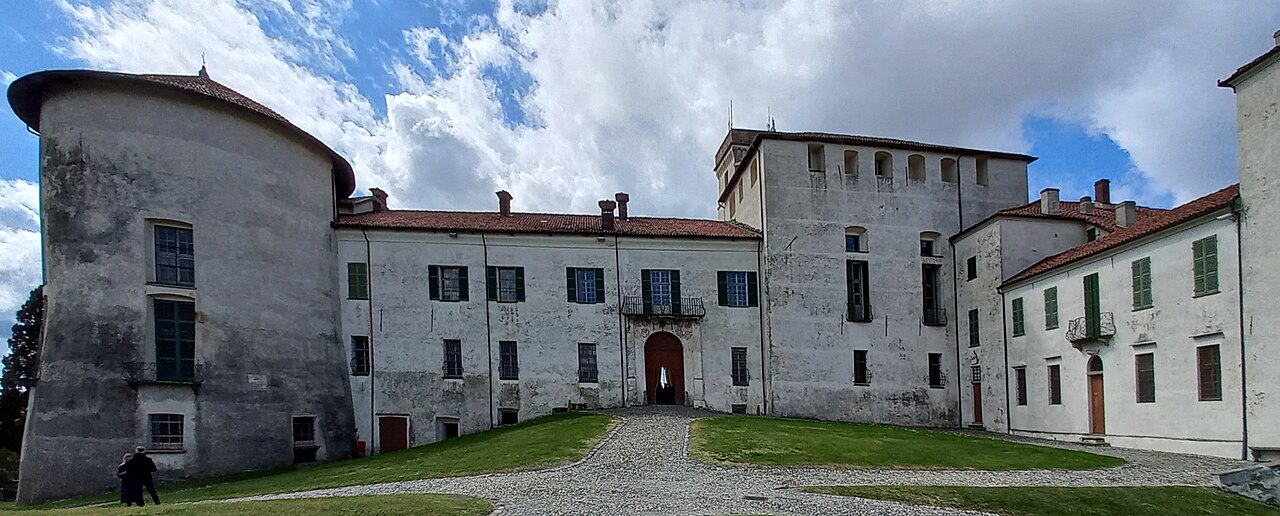
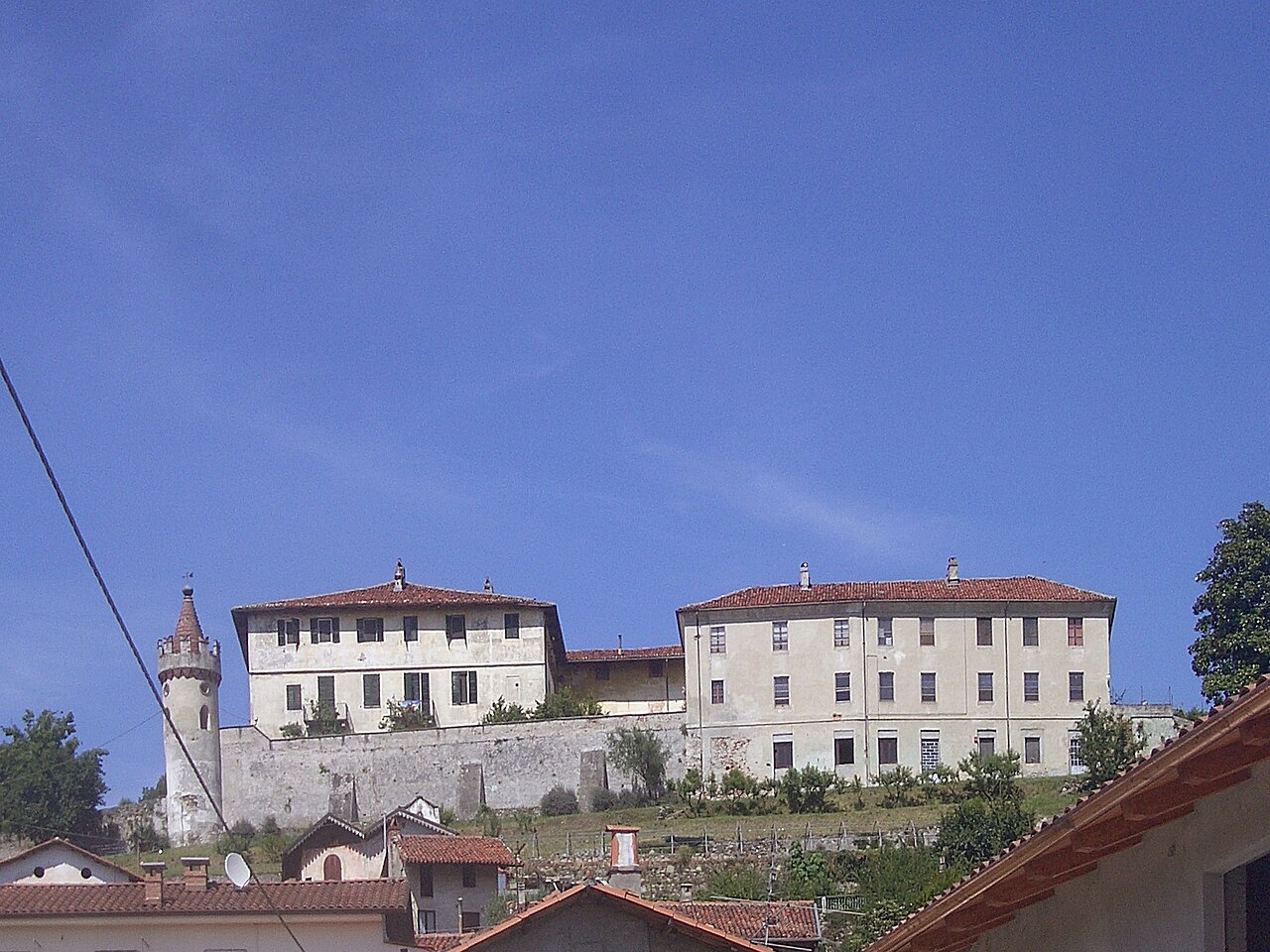
The Castle of Roppolo is a remarkable historic fortress located in the municipality of Roppolo, in the Piedmont region of northern Italy. Perched strategically on a hilltop, this castle has a rich history that spans from its origins as a Roman fortification in the 3rd century AD to its transformation into a refined country residence in the 19th century. The castle's evolution reflects the complex political, military, and social changes that have shaped northern Italy over nearly two millennia.
The site was originally chosen by the Romans for its commanding position overlooking the surrounding landscape, providing a defensive advantage and control over local routes. Although detailed records of the Roman fortification are scarce, archaeological evidence confirms the presence of a military installation that laid the foundational footprint for later medieval construction. This early use underscores the strategic importance of the location throughout history.
The medieval transformation and early ownership
By the early 13th century, the original Roman fortification had fallen into decline. In 1225, the Bichieri family from nearby Vercelli acquired the site and began converting it into a proper medieval castle. This transformation involved reinforcing the hilltop defenses and adapting the structure to the needs of feudal warfare and residence. The castle then became a focal point in the turbulent conflicts between the Guelphs and Ghibellines, rival factions vying for power in northern Italy during the Middle Ages.
The castle's medieval design likely featured typical defensive elements such as thick stone walls, battlements, and a keep or main tower, though specific architectural details from this period remain partially undocumented. The fortified residence served both as a military stronghold and a symbol of noble authority in the region.
Visconti and subsequent rulers
In 1315, control of the castle passed to the influential Visconti family, who used it as a noble residence and administrative center. The Visconti were powerful rulers in northern Italy, and their tenure at Roppolo reflects the castle's continuing importance in regional politics.
Later, the castle came under the control of the condottiero Facino Cane, acting on behalf of the Marquisate of Monferrat. By 1427, the House of Savoy acquired the castle, incorporating it into the holdings of the Counts of Valperga. This period marked a shift from purely military use towards noble residence and estate management.
The grim legend of Bernardo of Mazzè
A dark episode in the castle's history occurred in 1459, when Bernardo of Mazzè was reportedly immured alive within the castle walls while still clad in armor. This act was allegedly ordered by Ludovico Valperga of Masino following a violent dispute. In the 20th century, restoration efforts uncovered the skeletal remains of a man wearing armor behind a wall, lending credence to this macabre legend. This discovery provides unique insight into the castle's role not only as a military and residential site but also as a stage for intense personal and political conflicts.
Later history and architectural evolution
After the Caluso-Masino line of the Valperga family became extinct in 1630, the castle reverted to the Savoy family. In 1632, it served as a military stronghold for Thomas Francis of Savoy during French incursions, highlighting its continued strategic value.
Subsequent political shifts led to ownership by Marquis Guido Villa of Cigliano and Giandomenico Doria of Ciriè. The Valperga family regained the property in 1730, maintaining it until the 19th century.
In 1837, the castle was sold to Ignazio Anselmi, who undertook significant renovations to convert the medieval fortress into an elegant country residence. These changes reflected broader 19th-century trends where many castles were adapted for residential and aesthetic purposes rather than military defense. The castle's current appearance largely dates from this period, showcasing refined architectural elements and a departure from its original militaristic function.
Modern adaptations and current use
During the Italian Risorgimento, the castle passed through several notable owners, including Senator and General Gustavo Mazè de la Roche, the Chio family, and the Gruner family. By the 1980s, the Moransengo family transformed the castle into a hotel and established the Enoteca Regionale della Serra, a regional wine center, enhancing the site's cultural and touristic appeal.
After a period of closure, the castle was acquired by the Saletta family and reopened to the public in May 2018. Today, it stands as a well-preserved example of a hilltop castle that has adapted through centuries of historical change, blending its rich medieval heritage with elegant 19th-century renovations and modern hospitality functions.
Architectural features and layout
The Castle of Roppolo is classified as a hill castle, situated on an elevated site that provides commanding views of the surrounding Piedmont landscape. Its architecture reflects layers of history, from the Roman foundations to medieval fortifications and 19th-century residential modifications.
Key architectural elements include robust stone walls that have been reinforced and reshaped over time, battlements that once served defensive purposes, and a central keep or donjon that anchored the medieval fortress. The 19th-century renovations introduced refined facades and interior spaces designed for comfort and elegance rather than defense.
The castle's layout includes courtyards, residential chambers, and service areas arranged to balance fortification needs with domestic functionality. While some medieval defensive features were softened or removed during later renovations, the overall structure retains a strong sense of its original purpose as a fortified noble residence.
Archaeological and historical significance
Excavations and restoration work have revealed important insights into the castle's past, including the discovery of the armored skeleton behind a wall, which is a rare and dramatic testament to the castle's turbulent history. This finding has contributed significantly to the castle's historical narrative and public interest.
The castle also serves as a cultural landmark within the Piedmont region, embodying the architectural evolution from Roman military engineering to medieval fortification and finally to aristocratic residence. Its preservation and adaptive reuse as a hotel and wine center reflect contemporary efforts to maintain and celebrate Italy's rich heritage.
Frequently asked questions (FAQ)
- How do I visit the Castle of Roppolo?
- The Castle of Roppolo is open to the public, with visiting hours typically available during the day. It is advisable to check the current schedule and any special events before planning your visit.
- What is the historical significance of the Castle of Roppolo?
- The castle has a rich history dating back to a Roman fortification in the 3rd century AD, evolving through medieval and Renaissance periods as a military stronghold and noble residence.
- Can I learn about the castle's architectural evolution on site?
- Yes, the castle showcases architectural elements from its Roman origins, medieval fortifications, and 19th-century renovations, illustrating its transformation over centuries.
- Is the castle accessible for people with mobility issues?
- Accessibility may be limited in some areas due to the historic nature of the building and hilltop location. Visitors with mobility concerns should inquire in advance about accommodations.
- When is the best time to visit the Castle of Roppolo?
- Spring and autumn offer pleasant weather and fewer crowds, making these seasons ideal for exploring the castle and its surrounding landscapes.
- Are there nearby attractions to visit along with the castle?
- The Piedmont region offers numerous cultural and natural attractions, including vineyards, historic towns, and other castles, making it a rich area for extended visits.
- What are the ticket prices for the Castle of Roppolo?
- Ticket prices may vary depending on events and tours. It is recommended to check the official website or contact the castle directly for the most up-to-date information.
- What are the castle's opening hours?
- Opening hours can vary seasonally and for special events. Visitors should verify current times before their visit to ensure access.
Information
Sources & official resources
Verify the information above using these authoritative references.
Loading map...
Visitor reviews
No reviews yet. Been here? Write the first review and help other travelers!
Write the first reviewVisited this castle? Share your experience
Your review helps other travelers and adds first-hand knowledge to our encyclopedia.