Castle of Rohan
The Castle of Rohan in Mutzig, located in the historic Alsace region of France, is a remarkable example of a castle that has evolved through centuries of conflict, architectural transformation, and industrial repurposing. Originally founded in the 13th century, this castle stands as a testament to the region's turbulent history and the shifting fortunes of the noble families who controlled it. Not to be confused with the Palais Rohan in Saverne or Strasbourg, this castle holds a unique place in the heritage of the House of Rohan and the broader history of Alsace.
Medieval origins and strategic significance
The castle's origins date back to 1274, when Rudolph of Habsburg established the first fortifications in Mutzig as part of his efforts to secure the region. The original structure was a motte-and-bailey type castle, a common medieval fortification featuring a raised earthwork (motte) with a wooden or stone keep and an enclosed courtyard (bailey). This early castle played a crucial role in the defense and administration of the area, reflecting the strategic importance of Mutzig on the frontier between competing feudal powers.
Destruction during the thirty years' war
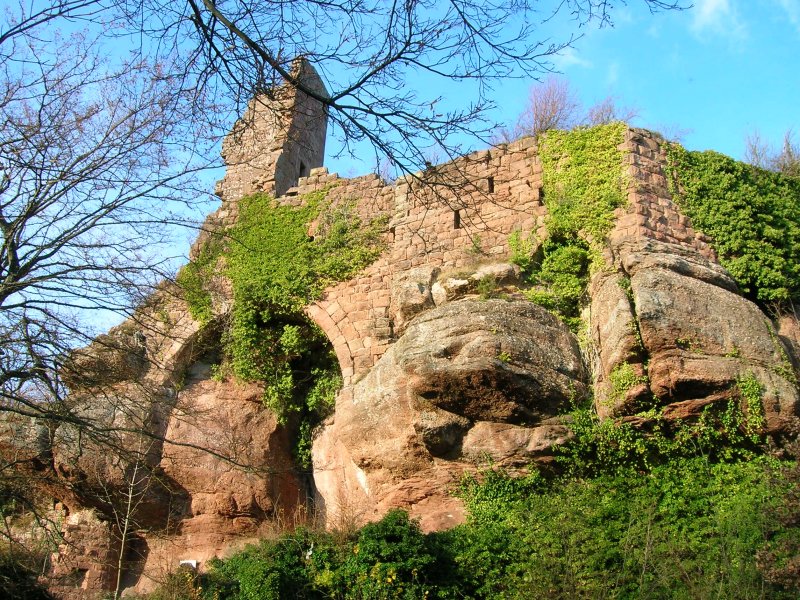
The castle suffered significant damage during the Thirty Years' War, a devastating conflict that ravaged much of Central Europe between 1618 and 1648. In 1632, Swedish troops destroyed the medieval fortifications after previous assaults, including one by the forces of Ernst von Mansfeld in 1622. These repeated attacks left the castle in ruins, marking the end of its medieval military role.
Baroque reconstruction and episcopal residence
Following the destruction, the castle was rebuilt in the Baroque style during the latter half of the 17th century. The reconstruction was led by the bishops of Strasbourg, beginning with Franz Egon of Fürstenberg, who inaugurated the new residence in 1673. His brother, Wilhelm Egon von Fürstenberg, succeeded him, continuing the castle's role as an episcopal seat.
When the House of Rohan took over the bishopric of Strasbourg in the early 18th century, the castle became the residence for several notable dukes, including Armand Gaston, François-Armand, Louis Constantin, and Louis René Édouard de Rohan. This period saw the castle serve as a symbol of ecclesiastical power and aristocratic prestige. However, after the completion of the more grandiose Palais Rohan in Strasbourg in 1742 and the family's residence in Saverne, the Mutzig castle's importance diminished.
Architectural features of the baroque castle
The Baroque reconstruction transformed the castle into a stately residence featuring characteristic elements such as ornate façades, symmetrical layouts, and decorative stonework. The castle included living quarters, chapels, and administrative offices, reflecting its dual role as a bishop's residence and a center of regional governance. Defensive elements were largely symbolic by this time, with emphasis placed on comfort and representation rather than military utility.
Industrial conversion and armament production
The castle's fortunes shifted dramatically after the French Revolution, when it was disowned and plundered. In 1799, the castle was acquired by the Coulaux brothers, prominent arms manufacturers from Klingenthal. They established a weapon factory within the castle walls, marking a significant change from a noble residence to an industrial site.
This factory became renowned for producing advanced firearms, most notably the Chassepot rifle, an innovative breech-loading rifle that was widely used by the French army in the mid-19th century. The factory operated successfully until the outbreak of the Franco-Prussian War in 1870, after which the region's political landscape changed drastically.
Fortifications and later military use
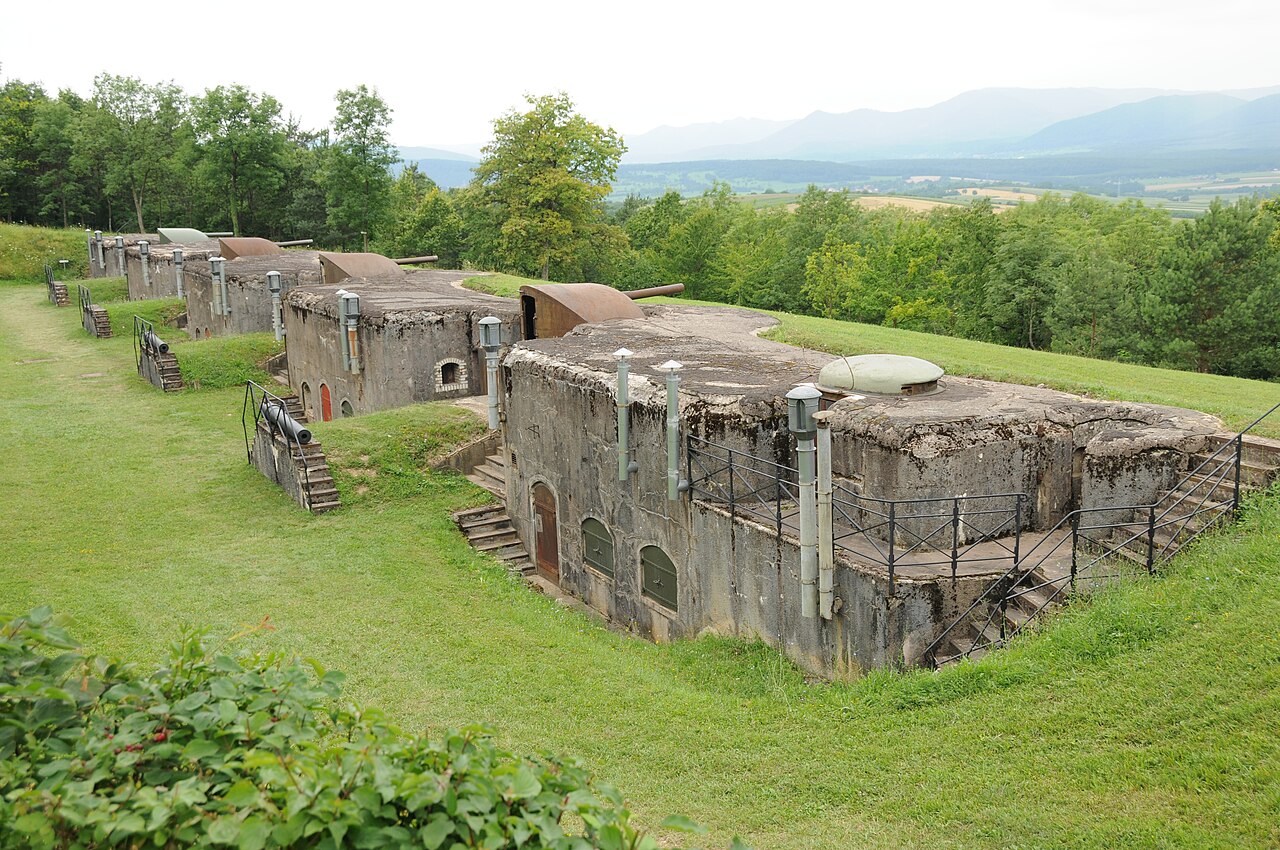
In 1893, the castle was fortified again by German forces, reflecting the strategic importance of Alsace following its annexation by the German Empire after the Franco-Prussian War. These fortifications were part of broader military preparations in the region, although the castle itself was no longer primarily a residence or industrial facility.
Modern use and cultural significance
Today, the Castle of Rohan serves as a vibrant cultural center and museum. Since 1996, it has housed the Musée régional d'armes, showcasing an extensive collection of historic rifles and firearms that highlight the castle's industrial heritage. The museum attracts visitors interested in military history and technological innovation in weaponry.
In addition to the museum, the castle accommodates a cinema and a library, making it a hub for community events and cultural activities. Its well-preserved Baroque architecture and historical significance contribute to its status as a cherished landmark in Mutzig and the Alsace region.
Visitor information and accessibility
The castle is accessible to the public with regular visiting hours, offering guided tours that explore both its architectural features and its layered history. Visitors can learn about the castle's transformation from a medieval fortress to a Baroque episcopal residence and finally to an industrial armory. Educational programs and exhibitions further enrich the visitor experience.
Frequently asked questions (FAQ)
- What is the historical significance of the Castle of Rohan in Mutzig?
- The Castle of Rohan in Mutzig has a rich history spanning from its medieval origins in 1274, through its Baroque reconstruction, to its role as a weapons factory producing the famous Chassepot rifle. It reflects the region's strategic and industrial heritage.
- Can visitors tour the Castle of Rohan today?
- Yes, the castle is open to the public and offers guided tours that highlight its medieval foundations, Baroque architecture, and industrial history as a weapons factory. It also houses a museum, cinema, and library.
- When was the castle rebuilt in the Baroque style?
- The castle was reconstructed in the Baroque style and inaugurated in 1673 under Bishop Franz Egon of Fürstenberg, transforming it from a medieval fortress into a bishop's residence.
- What notable weapons were produced at the Castle of Rohan's factory?
- The castle's weapon factory, operated by the Coulaux brothers, was famous for producing the Chassepot rifle, one of the most advanced firearms of the 19th century used by the French army.
- How did the Thirty Years' War affect the castle?
- During the Thirty Years' War, the medieval castle was heavily damaged and destroyed by Swedish troops in 1632, leading to its later Baroque reconstruction.
Information
Sources & official resources
Verify the information above using these authoritative references.
Loading map...
Visitor reviews
No reviews yet. Been here? Write the first review and help other travelers!
Write the first reviewVisited this castle? Share your experience
Your review helps other travelers and adds first-hand knowledge to our encyclopedia.