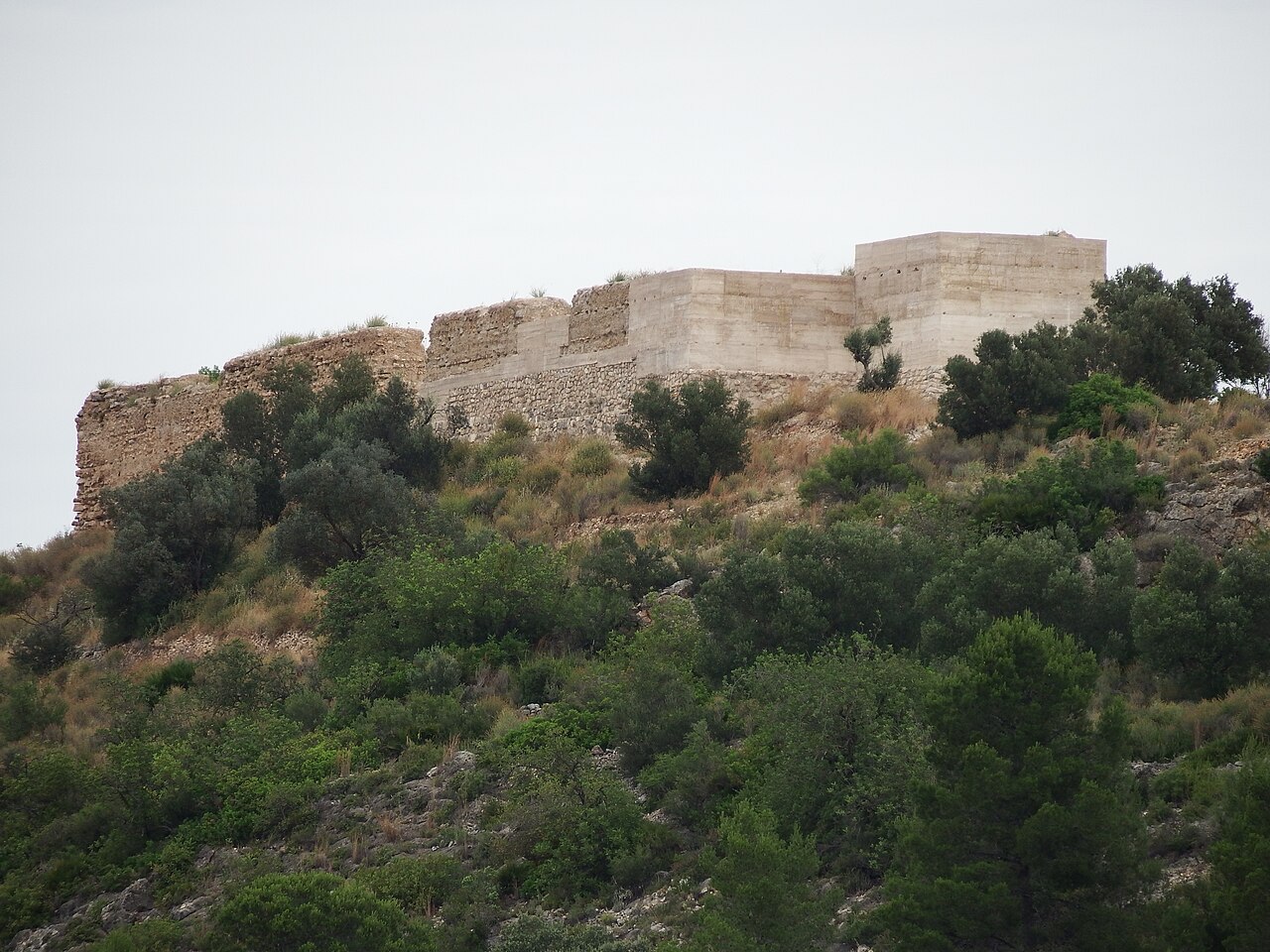
The castle's hilltop location provided natural defenses, enhanced by man-made fortifications such as thick stone walls and defensive battlements. Typical of high medieval castles, the design likely included a central keep or donjon serving as the last line of defense and residence for the lord or garrison commander. Although detailed architectural records are scarce, the castle's form would have been adapted to the terrain, incorporating terraces and possibly a moat or dry ditch to impede attackers.
Historical context and significance
During the 11th century, the Iberian Peninsula was a dynamic frontier marked by the Reconquista, the Christian campaigns to reclaim territory from Muslim rule. Castles like the Castle of Quesa played critical roles as military outposts and administrative centers. They served as bases for local lords and knights who enforced territorial claims and protected trade routes.
The castle's strategic importance stemmed from its vantage point, which allowed surveillance over important routes and nearby settlements. Its presence would have been a deterrent against raids and a symbol of feudal authority in the region.
Architectural features and construction
Fortifications and layout
The Castle of Quesa was constructed primarily from locally sourced stone, a durable material that provided robust protection. The walls were likely thick and high, designed to resist siege engines and scaling attempts. Defensive features such as arrow slits or embrasures would have enabled defenders to repel attackers while remaining protected.
The castle's layout probably included a courtyard surrounded by living quarters, storage rooms, and possibly a chapel. The keep would dominate the complex, serving both defensive and residential functions. Access to the castle was controlled through a fortified gatehouse, possibly equipped with a portcullis and murder holes to defend against intruders.
Adaptation to terrain
As a hill castle, the structure was adapted to the natural contours of the site. Terracing would have been used to create level areas for construction and to enhance defensive positions. Steep slopes around the castle reduced the number of accessible approaches, making direct assaults more difficult.
Current condition and preservation
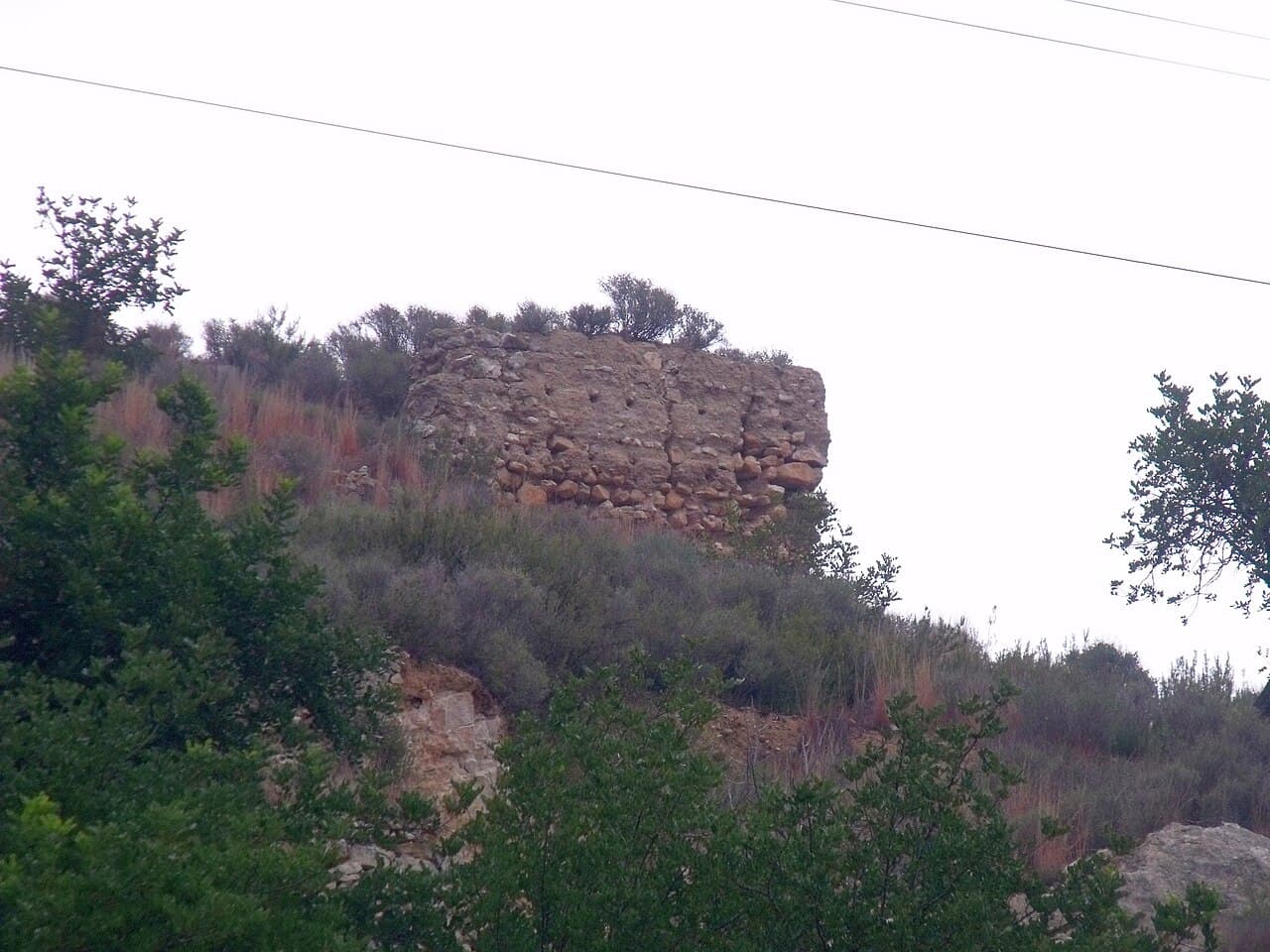
The Castle of Quesa today remains a partially preserved ruin, with some sections of its walls and foundations still visible. Its condition reflects centuries of exposure to the elements and historical conflicts. Preservation efforts focus on stabilizing the remaining structures to prevent further deterioration and to allow visitors to appreciate the site's historical significance.
Visiting and cultural importance
While not as widely known as some other Spanish castles, the Castle of Quesa offers insight into medieval fortification techniques and regional history. It attracts visitors interested in military architecture, medieval history, and scenic views offered by its hilltop setting.
Access to the site may be limited due to its terrain and preservation status, so prospective visitors should check local resources for information on guided tours or access permissions.
Frequently asked questions (FAQ)
- What is the historical significance of the Castle of Quesa?
- The Castle of Quesa was built in the 11th century during the Reconquista and served as a strategic military outpost controlling important routes in the region.
- Can visitors access the Castle of Quesa today?
- The castle is partially preserved and open to visitors, though access may be limited due to its terrain and preservation efforts. Checking local information before visiting is recommended.
- What architectural features are notable at the Castle of Quesa?
- The castle features typical high medieval defensive elements such as thick stone walls, a keep, fortified gatehouse, and adaptations to its hilltop terrain for enhanced defense.
Photo gallery

Information
Loading map...
Visitor reviews
No reviews yet. Been here? Write the first review and help other travelers!
Write the first reviewVisited this castle? Share your experience
Your review helps other travelers and adds first-hand knowledge to our encyclopedia.