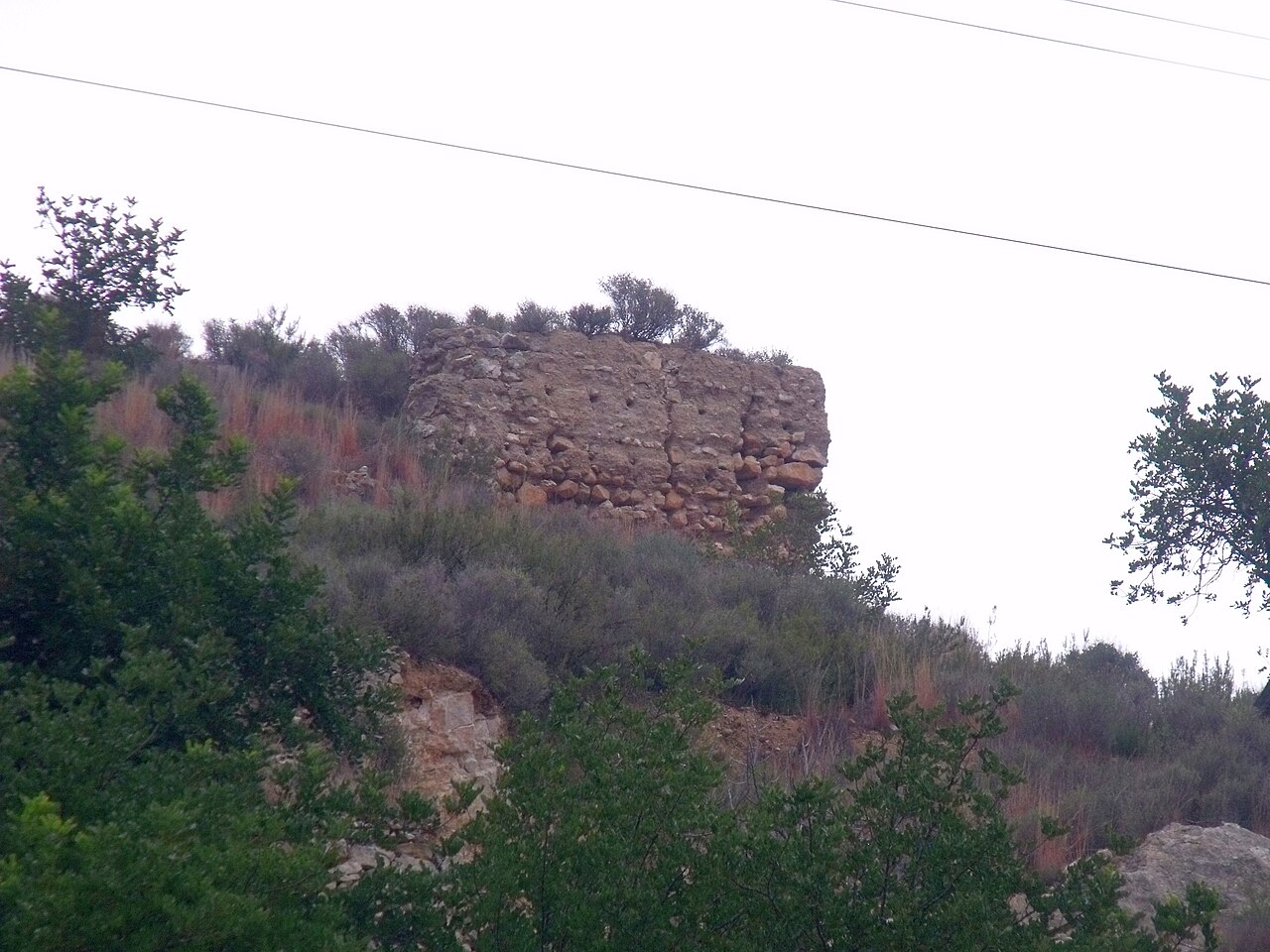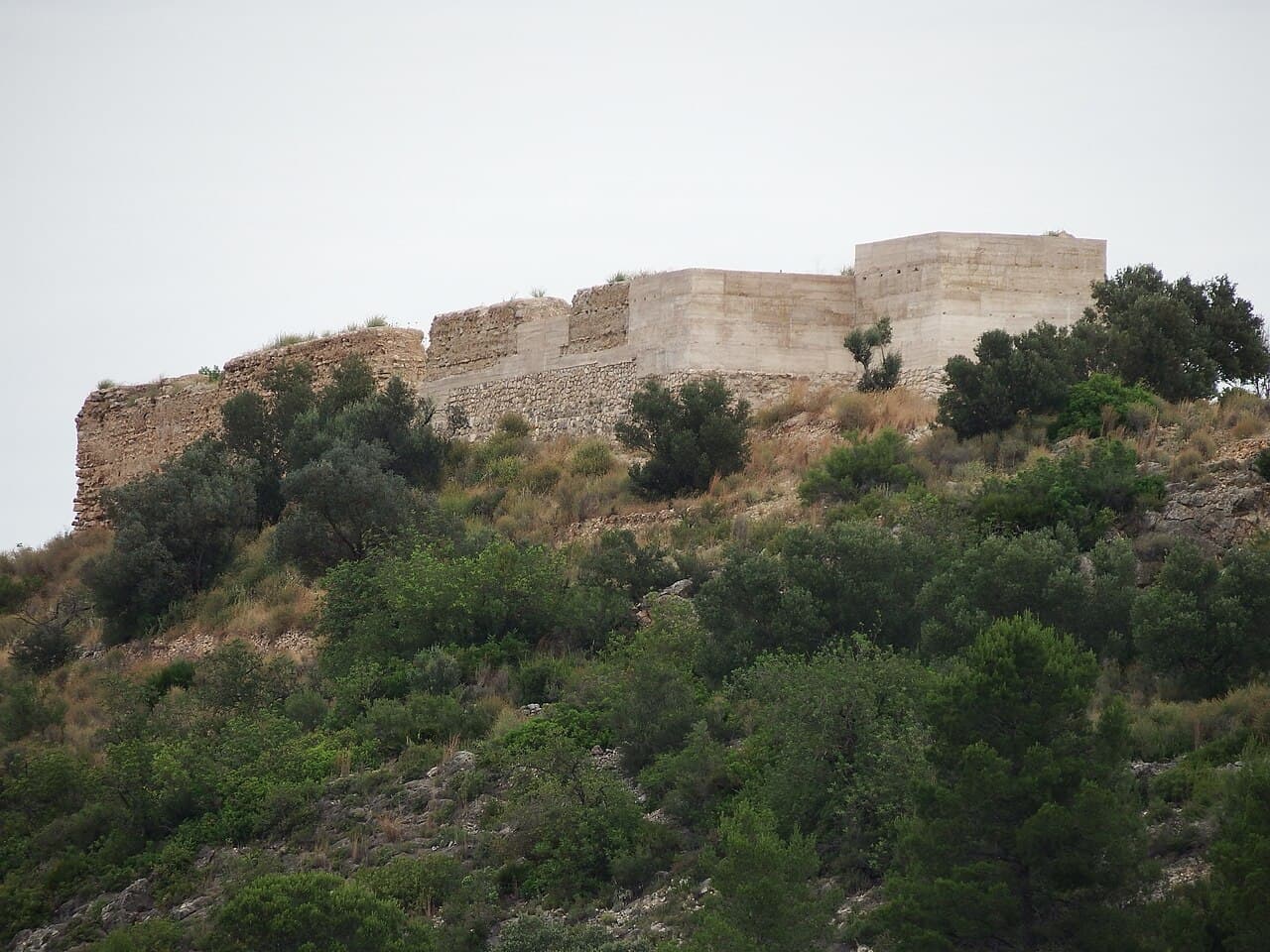
Constructed primarily in the 13th century, the castle was built to oversee and control the surrounding valleys and trade routes. Its elevated position on a natural hill provided a commanding view of the landscape, allowing defenders to spot approaching enemies from a distance. The castle's structure includes robust stone walls, defensive battlements, and remains of towers that once formed part of its perimeter defenses.
Historical context and significance
The Castle of Navarrés was established during the period of the Reconquista, when Christian kingdoms in the Iberian Peninsula sought to reclaim territories controlled by Muslim rulers. This era saw the construction of many fortifications to secure newly conquered lands. Navarrés played a role in the defense of the Kingdom of Valencia, which was incorporated into the Crown of Aragon after its conquest by James I of Aragon in the mid-13th century.
The castle's strategic location allowed it to serve as a military outpost and administrative center for the surrounding area. It was part of a network of fortifications that helped maintain control over the region and protect against potential incursions. Over the centuries, the castle witnessed various conflicts and changes in ownership, reflecting the turbulent history of medieval Spain.
Architectural features and layout
The castle's design follows typical medieval hill castle characteristics. Its defensive walls are constructed from local stone, thick enough to withstand siege engines of the period. The remains suggest a roughly rectangular or irregular polygonal layout adapted to the contours of the hilltop. The walls were punctuated by towers positioned at key points to provide flanking fire and observation.
Within the walls, there would have been essential structures such as a keep or donjon, which served as the last line of defense and residence for the lord or commander. Although much of the internal buildings have not survived intact, archaeological evidence indicates the presence of living quarters, storage rooms, and possibly a chapel.
Defensive elements
The castle was equipped with typical defensive features of the period, including a gatehouse that controlled access and was likely protected by a drawbridge or portcullis. The battlements allowed defenders to repel attackers while being shielded. The elevated position itself was a natural defense, making direct assaults difficult.
Current condition and preservation
Today, the Castle of Navarrés exists primarily as ruins, with significant portions of its walls and towers still visible. The site has been subject to archaeological study and some preservation efforts to prevent further deterioration. Visitors can explore the remains and enjoy panoramic views of the surrounding landscape, which remains largely rural and undeveloped.
The castle is an important cultural heritage site, reflecting the military and feudal history of the region. Efforts to maintain the ruins help keep alive the memory of medieval fortifications in the Valencian Community.
Visiting the castle
Access to the Castle of Navarrés is possible via hiking trails that lead up the hill. The site is open to the public, though facilities are limited due to its ruinous state. Visitors should prepare for uneven terrain and bring appropriate footwear. The best time to visit is during the spring and autumn months when the weather is mild and the landscape is particularly scenic.
Nearby, the town of Navarrés offers additional historical and cultural attractions, including traditional Valencian architecture and local festivals. The castle provides a compelling destination for those interested in medieval history, architecture, and panoramic natural views.
Frequently asked questions (FAQ)
- What are the opening hours for the Castle of Navarrés?
- The Castle of Navarrés is open to visitors from 10 AM to 6 PM, Tuesday through Sunday. It is closed on Mondays and on certain public holidays, so it’s advisable to check ahead before planning your visit.
- How do I get to the Castle of Navarrés?
- The Castle of Navarrés is located in the town of Navarrés, Spain, and can be reached by car or public transport from nearby cities. If you are driving, ample parking is available nearby, and the castle is a short walk from the town center.
- What is the historical significance of the Castle of Navarrés?
- The Castle of Navarrés dates back to the 12th century and is a significant example of medieval military architecture in Spain. It has witnessed various historical events, reflecting the rich cultural heritage of the region.
- Is it possible to access all areas of the Castle of Navarrés?
- While many areas of the Castle of Navarrés are accessible to visitors, some sections may be restricted for safety reasons. Guided tours are available to provide insights into the castle’s history and architecture while ensuring visitor safety.
- When is the best time to visit the Castle of Navarrés?
- The best time to visit the Castle of Navarrés is during the spring or fall when the weather is mild and pleasant for outdoor exploration. Summer can be quite hot, making early morning or late afternoon visits more comfortable.
- Can I purchase tickets in advance for the Castle of Navarrés?
- Yes, tickets for the Castle of Navarrés can be purchased in advance online or at the ticket office upon arrival. Booking ahead is recommended during peak tourist seasons to avoid long wait times.
- Are there any nearby attractions to visit after exploring the Castle of Navarrés?
- Yes, after visiting the Castle of Navarrés, you can explore the beautiful natural landscapes surrounding the area, including hiking trails and local parks. The town of Navarrés also offers charming shops and local cuisine that visitors can enjoy.
- What architectural features should I look for at the Castle of Navarrés?
- The Castle of Navarrés features impressive stone walls, towers, and remnants of its defensive structures, which exemplify the military architecture of its time. Make sure to admire the panoramic views of the surrounding landscape from the castle's vantage points.
Photo gallery

Information
Loading map...
Visitor reviews
No reviews yet. Been here? Write the first review and help other travelers!
Write the first reviewVisited this castle? Share your experience
Your review helps other travelers and adds first-hand knowledge to our encyclopedia.