Bolbaite Castle
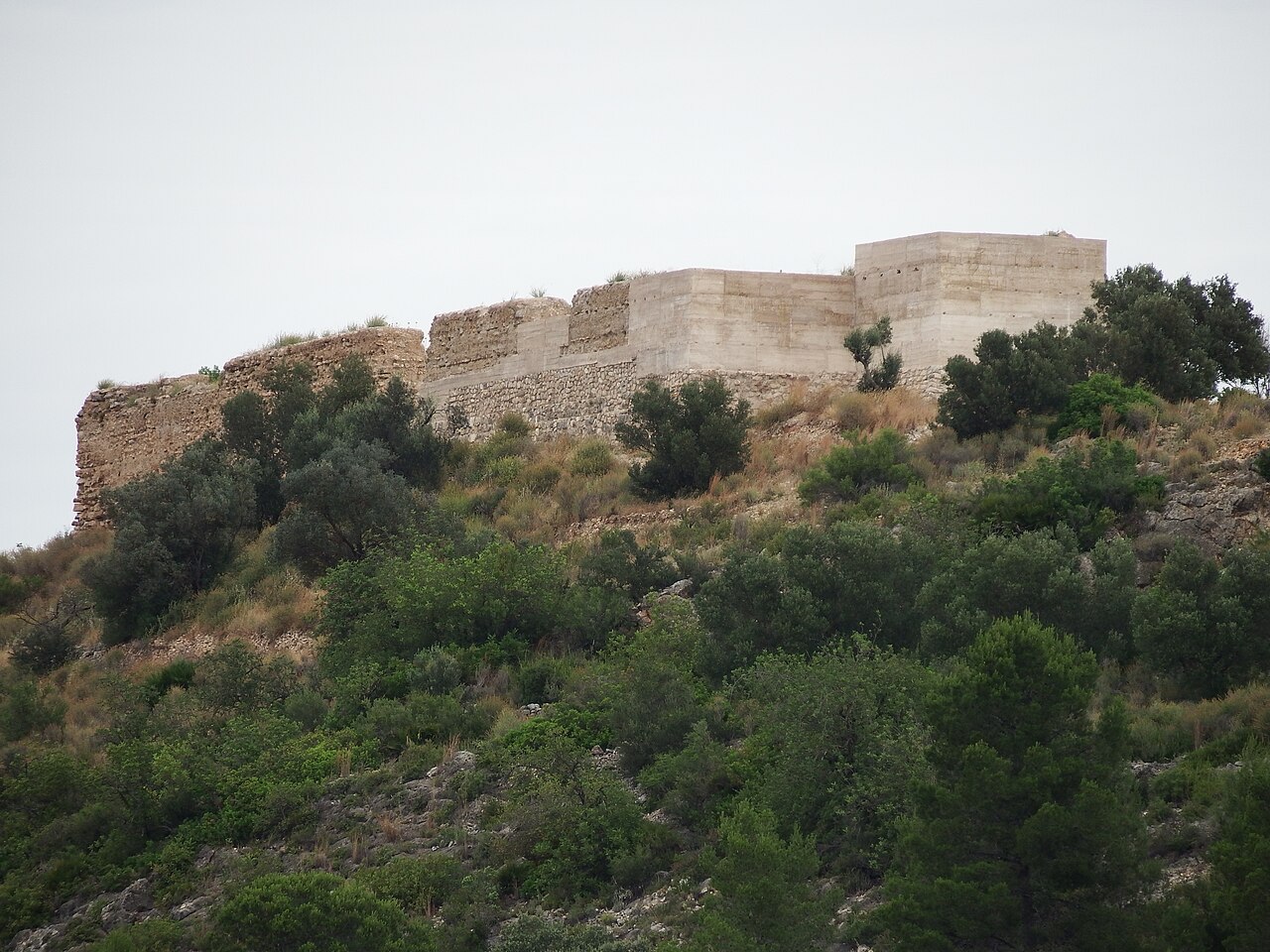
Bolbaite Castle stands prominently on a hill overlooking the town of Bolbaite and the Sellent River in Spain. This historic fortress reflects a rich architectural and cultural heritage shaped by its origins during the Islamic period and significant transformations under Christian rule in later centuries. Its strategic location on a cliff edge provided a commanding view of the surrounding landscape, serving both defensive and administrative purposes.
The early history and Islamic origins
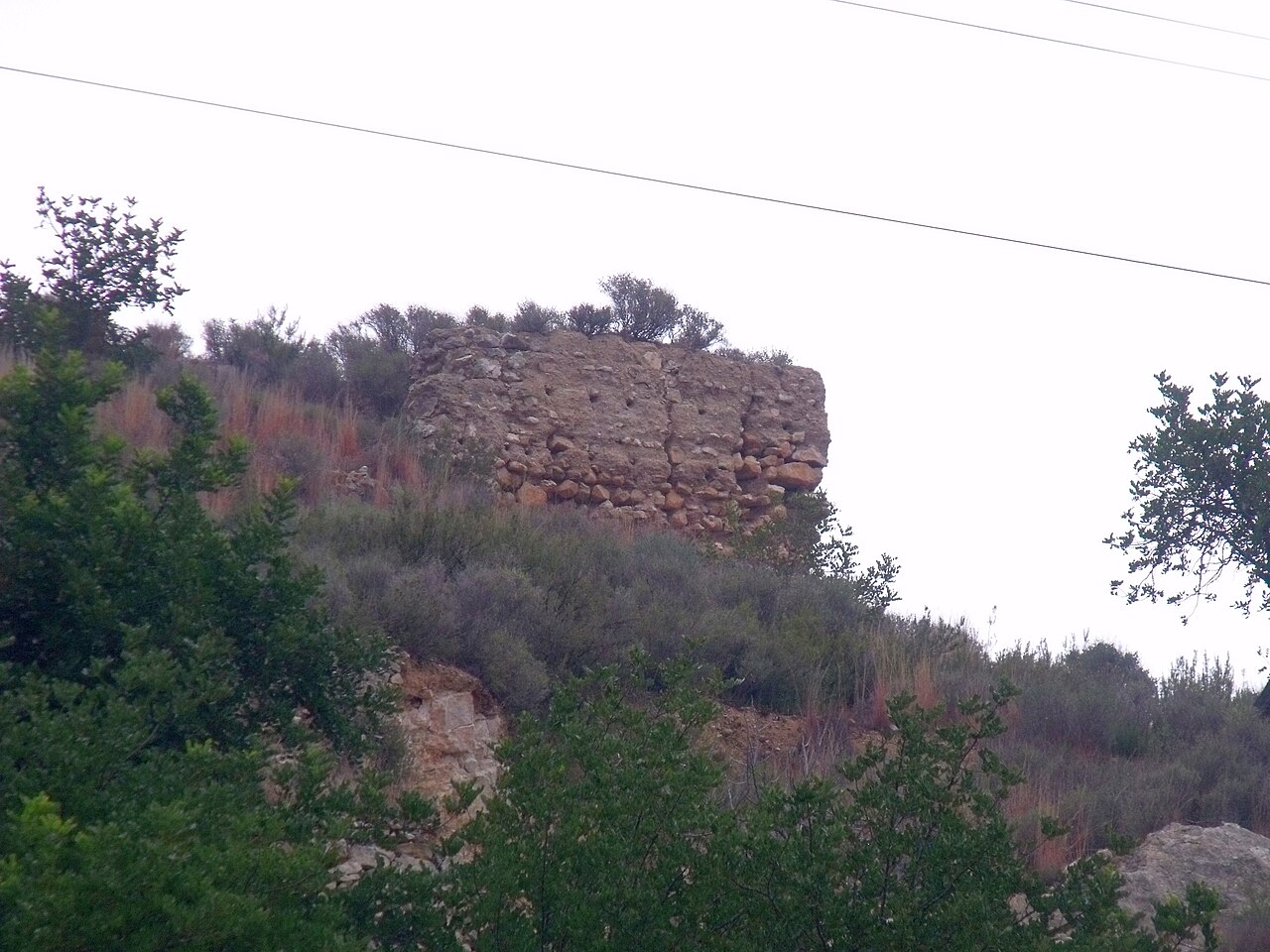
The castle's earliest known construction dates back to the Islamic era, when the site was fortified as a defensive stronghold within the region. The original fortress was built using traditional Islamic building techniques, including rammed earth (tapia) combined with masonry, which was typical of fortifications in Spain during this period. This initial phase established the castle's role as a key military and administrative center, controlling local routes and territory.
Transformation under Christian ownership
In the 16th century, the Pardo de la Casta family, who were the local lords of Bolbaite, undertook a major redevelopment of the site. They replaced the earlier fortress with a castle-palace that combined residential comfort with defensive features. This transformation reflected the family's elevated status and their expanding control over the surrounding lands. The use of ashlar masonry in the construction of the Christian-era towers demonstrated advances in building techniques and an emphasis on durability and aesthetic refinement.
Architectural details of the Christian phase
The castle's layout includes a main enclosure featuring two prominent square towers on its northern side. One of these towers dates from the Christian period and is constructed with finely cut stone blocks, highlighting the transition from the earlier Islamic building methods. The castle also contains late Gothic Flamboyant decorative elements, especially visible in the surviving plasterwork known as yeserías, which adorned doorways, window frames, and corridors. Renaissance influences are evident in features such as a decorated frieze and cornices with vein patterns, illustrating the blend of stylistic periods present in the castle.
The castle's role in regional history
By 1644, the castle passed into the hands of the Marquis of Manfredi, a descendant of the founding family. It remained a symbol of noble lordship over Bolbaite and nearby territories such as Alaquàs. During the War of Spanish Succession in the early 18th century, the castle's lord, Luis Pardo de la Casta, aligned with Archduke Charles of Austria and pledged to uphold the Furs of Valencia, the traditional laws of the region. However, after Valencia fell to Philip V's forces in 1707, the family fled to Flanders, marking a decline in the castle's prominence.
Decline and partial demolition
Following the upheavals of the 18th century, subsequent noble owners such as the Fernández de Córdoba, Lanti Della Rovere, and the Manfredi family neglected the castle. Between 1875 and 1896, parts of the structure were dismantled to recover valuable materials like wood. By the mid-19th century, the castle was already described as partially ruined, and its condition worsened into the early 20th century. The property was auctioned in 1964, reflecting its diminished status.
Architectural features and interior layout
The castle occupies approximately 568 square meters and retains architectural elements from both its Islamic and Christian phases. The juxtaposition of construction techniques is evident in the two northern towers: the Islamic tower built with tapia and masonry, and the Christian tower with ashlar masonry. This contrast illustrates the layered history of the site.
Interior staircases and decorative elements
Inside, the castle features several stone spiral staircases connecting the floors. The entrance area contains a Gothic staircase with carefully carved stone slab steps, which remain standing despite centuries of decay. The presence of a chapel or oratory near the ground floor, complete with a single altar and an adjoining sacristy, indicates the religious functions integrated within the castle's design.
Living quarters and views
The first floor contains multiple rooms with windows protected by large iron grilles, offering expansive views over the river and the fertile orchards known locally as the Hoya. A narrow spiral staircase leads to the second floor, which includes smaller rooms illuminated by large windows overlooking the Navarrés road, surrounding mountains, and river valley. The third floor, accessed by another spiral staircase, is believed to have been reserved for servants' quarters.
Current status and preservation efforts
Today, Bolbaite Castle stands in a ruined state after decades of neglect and partial demolition. Despite this, its massive silhouette continues to dominate the landscape, serving as a visible reminder of the area's layered history. The castle is protected as a Bien de Interés Cultural, underscoring its cultural and historical significance.
Since 2007, the site has been owned by the Bolbaite Town Council, which is actively exploring options for preservation and restoration. Efforts focus on stabilizing the remaining structures and promoting awareness of the castle's heritage value within the community and among visitors.
Frequently asked questions (FAQ)
- How do I get to Bolbaite Castle?
- Bolbaite Castle is located in the picturesque town of Bolbaite, Spain. You can reach it by car via the A-35 highway, and there are public transportation options available from nearby cities. The castle is a short walk from the town center, making it easily accessible for visitors.
- What is the historical significance of Bolbaite Castle?
- Bolbaite Castle dates back to the 13th century and played a crucial role in the defense against Moorish incursions in the region. Its strategic location allowed it to serve as a military stronghold for centuries. Today, it stands as a testament to the rich history and architectural heritage of the area.
- When was Bolbaite Castle built?
- Construction of Bolbaite Castle began in the late 1200s, during the Reconquista period. The castle underwent various renovations over the centuries, reflecting different architectural styles. Its enduring presence showcases the historical evolution of fortifications in Spain.
- Can I visit Bolbaite Castle year-round?
- Yes, Bolbaite Castle is open to visitors year-round, but it is advisable to check for any seasonal hours or special closures. The castle offers guided tours that provide insight into its history and architecture. Planning your visit ahead of time ensures you make the most of your experience.
- Why is Bolbaite Castle an architectural landmark?
- Bolbaite Castle features a blend of Gothic and Moorish architectural elements, making it a unique representation of the cultural influences of the time. The castle's fortifications, towers, and walls are well-preserved, showcasing the engineering skills of its builders. This architectural diversity attracts historians and tourists alike.
- Is it possible to explore the interior of Bolbaite Castle?
- Yes, visitors can explore the interior of Bolbaite Castle as part of guided tours. These tours often include access to the main halls, towers, and other significant areas within the castle. It's a great opportunity to learn more about the structure and its historical context.
- What are the opening hours of Bolbaite Castle?
- Bolbaite Castle is typically open from 10 AM to 6 PM, but hours may vary depending on the season. It is recommended to check the official website or contact local tourism offices for the most current information. Arriving early can help you avoid crowds and enjoy a more intimate experience.
- What are the ticket prices for visiting Bolbaite Castle?
- Ticket prices for Bolbaite Castle are quite affordable, usually ranging from €5 to €10 for adults. Discounts may be available for students, seniors, and groups. It's best to purchase tickets in advance during peak tourist seasons to ensure entry.
- What are some nearby attractions to visit along with Bolbaite Castle?
- While visiting Bolbaite Castle, you can also explore the charming town of Bolbaite, which offers beautiful landscapes and local cuisine. Nearby attractions include the picturesque hiking trails in the surrounding hills and the historic churches in the area. This makes for a full day of exploration and cultural enrichment.
Information
Sources & official resources
Verify the information above using these authoritative references.
Loading map...
Visitor reviews
No reviews yet. Been here? Write the first review and help other travelers!
Write the first reviewVisited this castle? Share your experience
Your review helps other travelers and adds first-hand knowledge to our encyclopedia.