Castle of Préjano
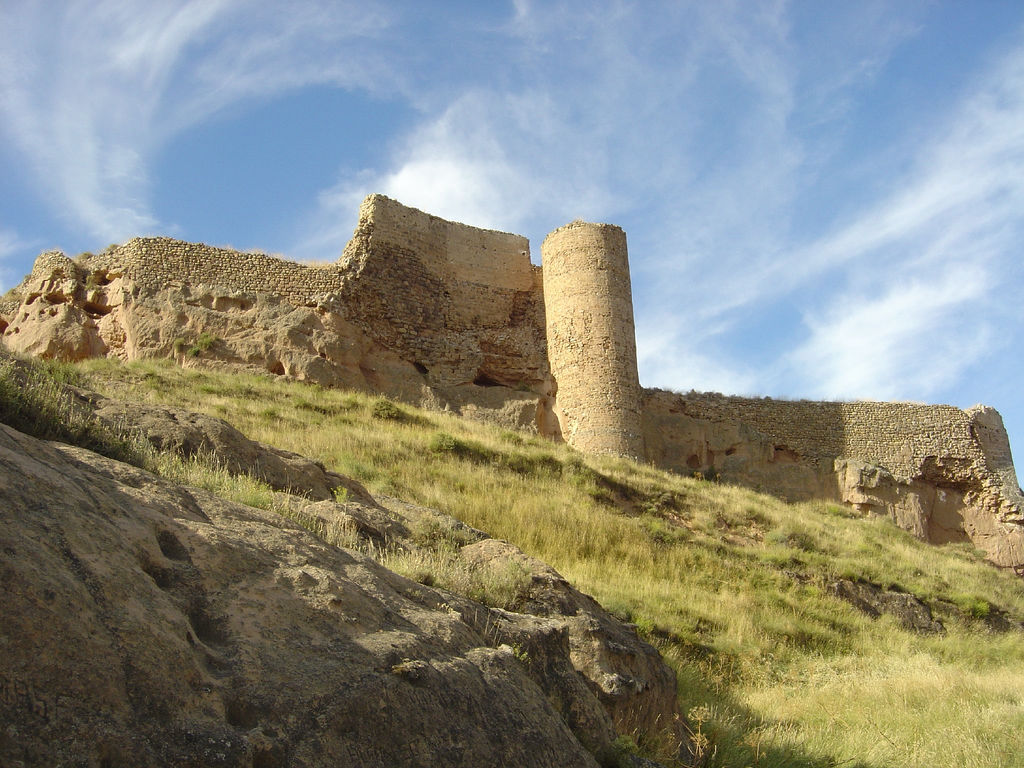
The Castle of Préjano stands as a significant medieval fortress located in the municipality of Préjano, within the autonomous community of La Rioja, Spain. This hill castle was originally established during the turbulent times of the Reconquista, reflecting the strategic importance of fortifications along contested frontiers in the Iberian Peninsula during the 11th century. Its enduring presence offers insights into the military, political, and social history of the region over several centuries.
Early history and strategic significance
The castle's origins trace back to a fortified site constructed in the 11th century by medieval Christian settlers. This period was marked by ongoing conflicts between Christian and Muslim forces, necessitating robust defensive structures. The castle's elevated position on a hill provided a commanding view of the surrounding landscape, essential for surveillance and control of the territory.
In 1151, the castle and its lands were granted by King Alfonso VII to Martín Fernández, who served as the alcaide (military governor) of Calahorra. This connection underscores the castle's role as part of a broader defensive network designed to secure the region. The transfer of ownership to Martín Fernández reflects the feudal practices of rewarding loyal military leaders with strategic holdings.
Ownership transitions and political context
Throughout the late medieval period, the Castle of Préjano experienced several changes in ownership, reflecting the shifting political landscape of northern Spain. In 1284, Don Simón Ruiz sold the castle along with the territory of Yanguas to the Order of Calatrava, a military-religious order instrumental in the Christian reconquest and defense efforts. The Order's stewardship of the castle highlights its military and religious significance during this era.
By 1288, the castle and town were transferred indefinitely to Vela Ladrón de Fuevara, a noble linked to the Navarrese Vela family. This transfer indicates a realignment of regional control, aligning the castle with Navarrese interests and illustrating the complex feudal allegiances in the borderlands between Castile and Navarre.
In the 15th century, the castle belonged to Garci Franco de Valladolid. Political turmoil during this time, specifically the conflict between King Enrique IV of Castile and his rebellious brother Alfonso, affected the castle's ownership. After Franco supported Alfonso, Enrique IV seized the property, demonstrating the castle's role in the broader dynastic struggles of the period.
Later, ownership passed to García Manrique in the mid-16th century, but eventually returned to the Franco family, with Antonio Franco recorded as lord around 1498. Subsequently, the Marqueses de Gastáñaga inherited the estate, reflecting the continued importance of noble lineages in managing and controlling such properties.
Architectural features and defensive design
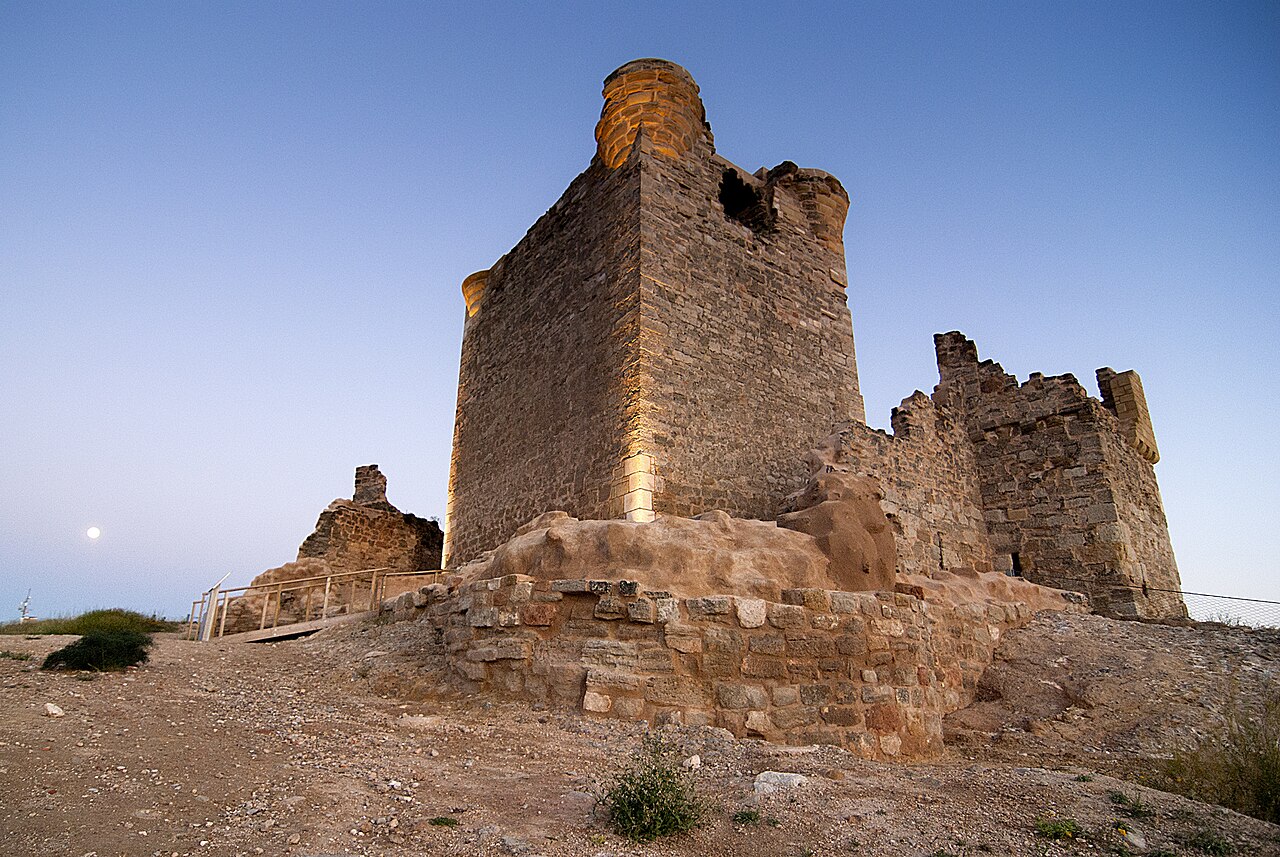
The castle's most prominent surviving feature is a pentagonal keep dating from the 15th century, constructed primarily of masonry. This tower exemplifies late medieval military architecture, featuring carefully cut ashlar blocks reinforcing its edges for structural strength. The base of the tower is supported by sloped buttresses, which enhance stability and resistance to siege warfare techniques.
The keep's entrance is uniquely positioned on the second floor, accessed originally via a pointed arch doorway facing southeast. This elevated entrance was a common defensive strategy, allowing defenders to control access and making direct assault more difficult. Although the doorway is now sealed, modern restoration has introduced a staircase to facilitate visitor access to the tower's interior and upper levels.
Surrounding the keep is a rectangular masonry wall enclosing a courtyard. Historically, this courtyard served multiple functions, including its later use as the town's cemetery during the 19th and early 20th centuries. This adaptive reuse illustrates the castle's transition from a military stronghold to a civic landmark.
Restoration and archaeological investigations
By the 19th century, the castle had fallen into significant ruin, with only the pentagonal tower remaining largely intact. The courtyard's conversion into a cemetery further altered the site's original military character. However, starting in 2007, a comprehensive restoration project was undertaken, spanning over a decade until 2019.
This restoration was divided into five phases, incorporating detailed archaeological excavations that clarified the castle's construction phases and architectural evolution. The work was supported by regional authorities and European agricultural development funds, emphasizing the cultural heritage value of the site. Structural consolidation efforts preserved the remaining masonry and buttresses, while restoration of the tower facilitated public access and interpretation.
The archaeological investigations revealed important details about the castle's materials, construction techniques, and historical modifications, contributing to a deeper understanding of medieval fortifications in La Rioja. Today, the Castle of Préjano stands as a well-preserved monument embodying centuries of history, military architecture, and cultural transformation.
Cultural significance and visitor experience
The Castle of Préjano is a testament to the region's medieval heritage and the complex history of frontier defense during the Reconquista. Its preservation allows visitors to explore a site that has witnessed centuries of political change, military conflict, and social evolution.
Visitors can appreciate the architectural ingenuity of the pentagonal keep and the strategic design features that made the castle a formidable stronghold. The restored tower and courtyard provide a tangible connection to the past, while the archaeological displays and interpretive signage enhance understanding of the site's historical context.
As a protected cultural asset, the castle contributes to local identity and tourism, offering educational opportunities and a unique glimpse into medieval life in northern Spain.
Frequently asked questions (FAQ)
- What is the historical significance of the Castle of Préjano?
- The Castle of Préjano is a remarkable example of medieval military architecture in Spain, dating back to the 12th century. It played a crucial role in the defense strategies of the region during the Reconquista, showcasing the blend of cultural influences that shaped the Iberian Peninsula.
- When was the Castle of Préjano built?
- The construction of the Castle of Préjano began in the 12th century, and it has undergone various modifications over the centuries. Its strategic position and robust design reflect the military needs of the time, with significant renovations taking place during the late Middle Ages.
- Can I visit the Castle of Préjano?
- Yes, the Castle of Préjano is open to visitors, allowing you to explore its historic ruins and enjoy panoramic views of the surrounding landscape. It is advisable to check local guidelines and visiting hours before planning your trip.
- What are the opening hours of the Castle of Préjano?
- The Castle of Préjano typically opens to visitors from 10 AM to 6 PM, but these hours can vary depending on the season and local events. It is recommended to verify current opening times on the official tourism website before your visit.
- Is it possible to access the Castle of Préjano with limited mobility?
- While the Castle of Préjano provides a breathtaking view, its medieval architecture may present challenges for visitors with limited mobility. The uneven surfaces and steep pathways may make navigation difficult, so it's best to plan accordingly and seek alternative viewpoints if necessary.
- When is the best time to visit the Castle of Préjano?
- The best time to visit the Castle of Préjano is during the spring and early fall, when the weather is mild and pleasant. These seasons also offer beautiful natural scenery surrounding the castle, enhancing your overall experience.
- What are some nearby attractions to the Castle of Préjano?
- Nearby attractions include the charming village of Préjano and the stunning landscapes of the Sierra de la Demanda. Additionally, visitors can explore other historical sites in the region, providing a well-rounded cultural experience.
- How much are the ticket prices for the Castle of Préjano?
- Admission to the Castle of Préjano is generally affordable, with tickets priced around €5 for adults and discounted rates for children and seniors. Special group rates may also be available, so it's worth checking the official website for any current promotions.
Information
Loading map...
Visitor reviews
No reviews yet. Been here? Write the first review and help other travelers!
Write the first reviewVisited this castle? Share your experience
Your review helps other travelers and adds first-hand knowledge to our encyclopedia.