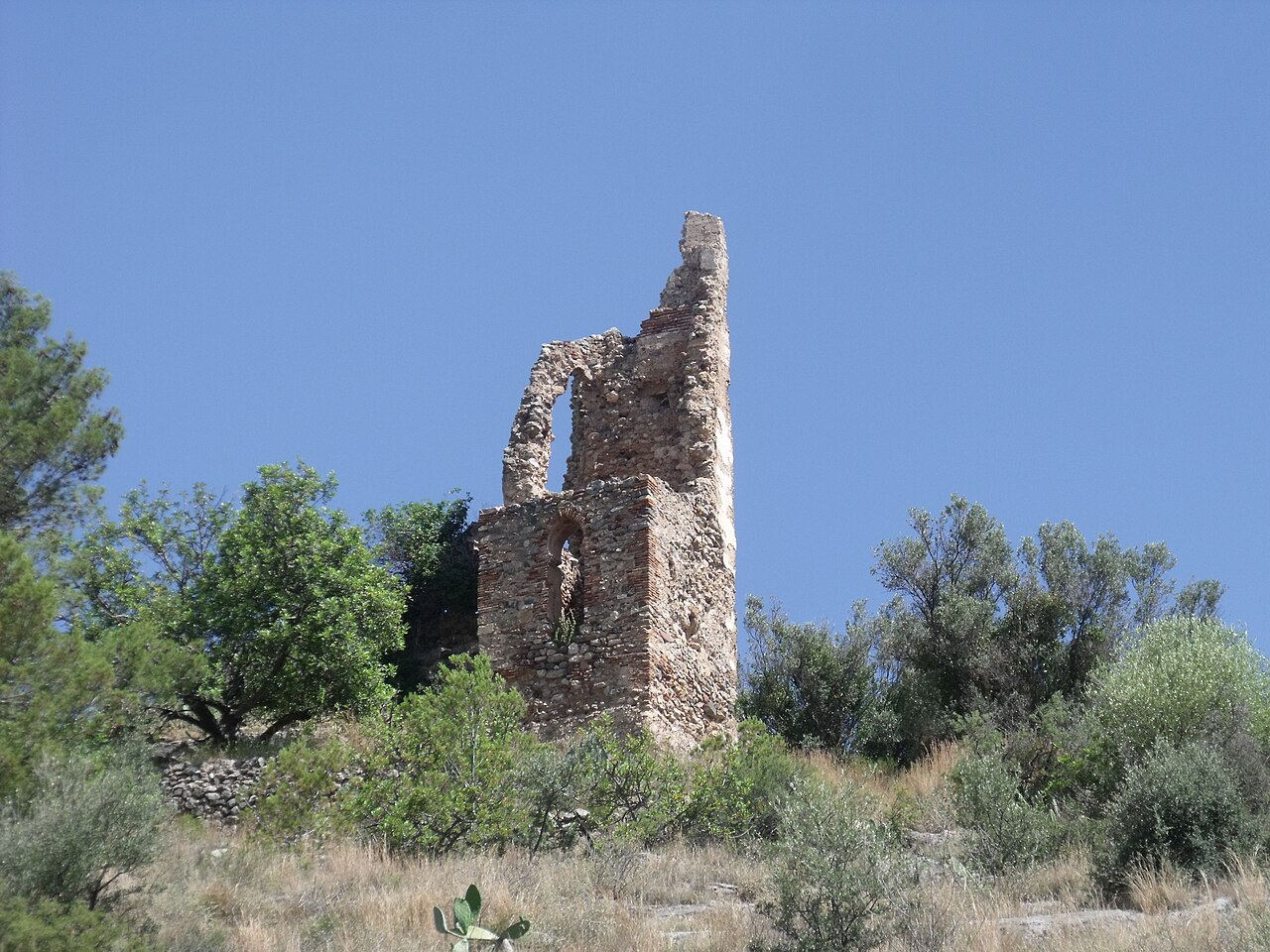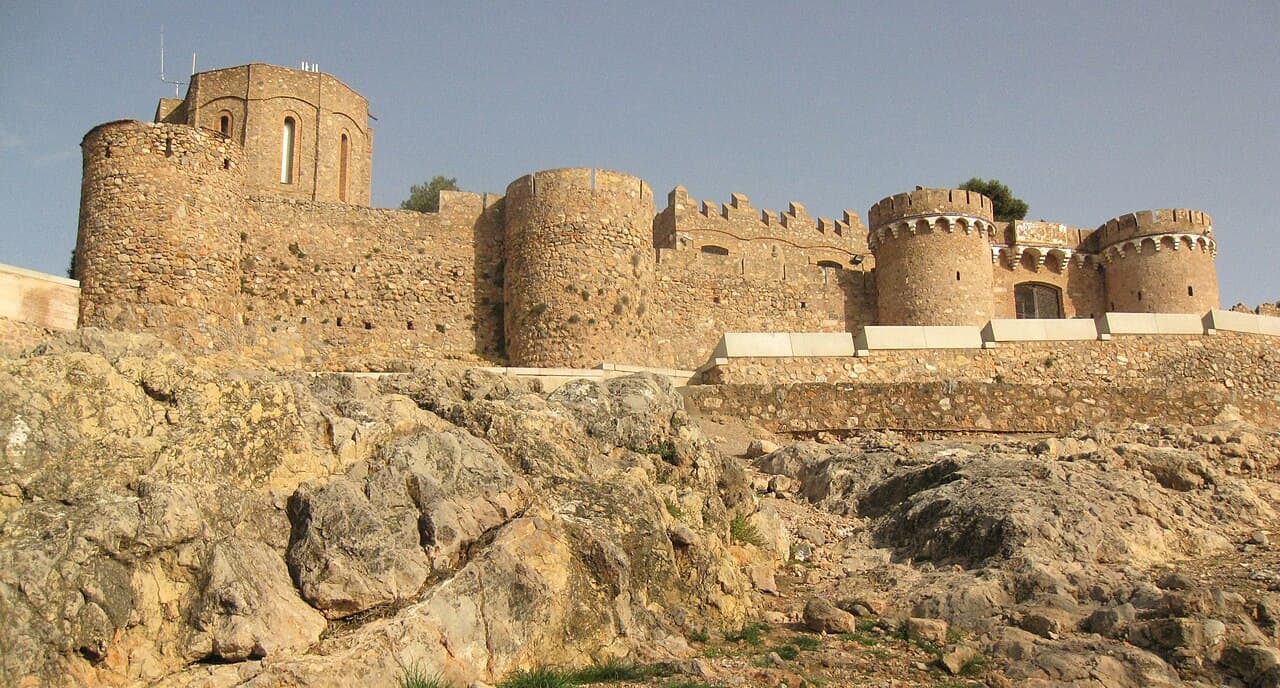
Castle of Onda
Castle of Onda stands as a monumental testament to the layered history of Spain, located in the town of Onda within the Province of Castellón. This hill castle was originally constructed in the 10th century during the Early Medieval period by Muslim builders atop an ancient Roman settlement, highlighting a strategic continuity of occupation. The castle’s commanding position between the plain of La Plana and the Sierra de Espadán provided an unrivaled vantage point, shaping its role as a military and administrative center over centuries.
Declared a Historic-Artistic Site and Asset of Cultural Interest in 1967, the castle is renowned for its vast scale and formidable defense system. It earned the moniker "castle of 300 towers"—a metaphorical reference to its numerous fortifications, reputedly as many as the days in a year. This impressive fortress complex evolved through extensive reconstructions, with the original Muslim structure now buried beneath layers of later medieval and modern modifications.
Early muslim origins and strategic significance
The site of Onda Castle has been a place of human settlement since prehistoric times, with archaeological evidence of Iberian and Roman cultures preceding the Islamic era. The initial fortress was erected during the Caliphate period in the 10th century by Muslim rulers who recognized the tactical advantage offered by the hilltop location. This early construction featured typical Islamic military architecture, including defensive walls, towers, and a cistern to supply water during sieges.
The castle's growth and the "castle of 300 towers" legend
Over the centuries, the fortress expanded significantly. By the early 14th century, it had developed into a sprawling city-fortress, comprising a fortified medina or civil city and a separate castle or political-military center. The castle was divided into distinct areas: the albacara or outer ward, which included an inner and outer square, and the alcazaba, the upper citadel that housed the sultan or governor’s residence, protected by a third line of walls.
Its imposing size and numerous towers inspired the metaphorical title "castle of 300 towers," emphasizing its formidable defensive capabilities and architectural complexity. This nickname reflects the castle’s reputation as one of the most significant fortresses in the region during the medieval period.
Transition to christian rule and military orders
In 1238, Zayyan ibn Mardanix, the last Muslim ruler of Valencia, surrendered Onda Castle to King James I of Aragon, marking a pivotal shift in control. The castle and town were soon integrated into the Christian kingdom’s defensive network. Following the granting of the Puebla Charter in 1249, the castle’s revenues and governance were transferred to the Order of the Temple, a powerful military-religious order.
By 1319, stewardship passed to the Order of Montesa, who maintained the fortress as a key military stronghold. The castle’s strategic value was demonstrated during several conflicts, including the War with Castile (1357-1365) and the War of the Germanías (1519-1524). It also served as the headquarters for the Duke of Segorbe during the 1526 campaign to suppress the Mudéjar population in the Sierra de Espadán.
Architectural features and defensive structures
The castle’s architecture reflects its long history of military adaptation. The complex consists of multiple defensive walls arranged in concentric layers, with the albacara serving as a fortified enclosure for civilians and livestock during attacks. The entrance gate is flanked by two cylindrical towers, typical of medieval fortifications, and leads into this outer ward.
Within the castle, the alcazaba or citadel was the administrative and military heart, protected by a third line of walls. Notable features include the Campanar dels Moros, an albarrana tower built in the mid-12th century, which stands detached from the main walls and connected by a bridge, enhancing defensive capabilities.
The castle also includes a rammed earth (tapial) wall reinforcing the northern defenses, illustrating the use of local building techniques. The presence of a large cistern ensured water supply during sieges, a critical feature for sustaining prolonged defense.
Early 20th-century additions
In the 20th century, the castle grounds were adapted for new uses. The Carmelite friars established a school and church on the site between 1920 and 1948. The school building notably incorporates the castle’s main cistern, demonstrating a respectful integration of historic elements into modern structures. The school operated until interrupted by the Spanish Civil War, during which the castle again witnessed military action.
Military history through the centuries
Onda Castle played a significant role in various military conflicts across its history. After the Christian conquest, it was a key stronghold during the War with Castile and later the War of the Germanías. In the 16th century, it was central to efforts to suppress Mudéjar revolts in the region.
In 1812, the castle was occupied by Napoleonic troops during the Peninsular War, reflecting its continued strategic importance. Following the Carlist Wars in the 19th century, the fortress underwent restoration to maintain its defensive capabilities.
During the Spanish Civil War (1936), the castle again saw action, underscoring its enduring military relevance. These layers of conflict have left their mark on the castle’s fabric, contributing to its complex historical narrative.
Current status and cultural significance
Today, Castle of Onda is partially restored and serves as a museum showcasing its rich Islamic heritage, including an exhibition of Muslim plasterwork from a 13th-century palatial house. Restoration efforts continue to preserve and reveal the castle’s multifaceted history.
The castle’s designation as a Historic-Artistic Site and Asset of Cultural Interest affirms its importance as a cultural landmark. It attracts visitors interested in medieval military architecture, Islamic art, and Spanish history, offering insight into the region’s complex past through its well-preserved structures and museum collections.
Its commanding location, architectural grandeur, and layered history make Onda Castle a significant monument within the heritage of Castellón and Spain as a whole.
Frequently asked questions (FAQ)
- How do I get to the Castle of Onda?
- The Castle of Onda is easily accessible by car or public transportation. If you are traveling by car, you can follow the signs from the A-7 motorway, and there is parking available nearby. Public buses also connect Onda with larger cities in the region.
- What is the historical significance of the Castle of Onda?
- The Castle of Onda dates back to the 12th century and played a crucial role in the Reconquista, serving as a strategic military stronghold. It reflects the architectural styles of the Moorish and Christian periods, showcasing the cultural exchanges that occurred in Spain during that time. Today, it is recognized as a symbol of Onda's rich historical heritage.
- When was the Castle of Onda built?
- Construction of the Castle of Onda began in the 12th century, with significant modifications made during the 13th century. Its design incorporates various elements from different eras, making it a fascinating example of medieval military architecture. The castle has been preserved over the centuries, allowing visitors to experience its historical grandeur.
- Can I visit the Castle of Onda year-round?
- Yes, the Castle of Onda is open to visitors throughout the year, although hours may vary by season. It’s recommended to check the official website for the latest information on opening times and any potential closures for maintenance. This ensures you have the best experience during your visit.
- Why is the architecture of the Castle of Onda unique?
- The architecture of the Castle of Onda is unique due to its blend of Moorish and Christian influences, which is evident in its towers, walls, and fortifications. The castle features impressive defensive structures, such as crenellated walls and a well-preserved keep. This architectural diversity highlights the historical significance of the castle as a fortress during turbulent times in Spain.
- Is it possible to take guided tours of the Castle of Onda?
- Yes, guided tours of the Castle of Onda are available and provide an in-depth look at its history and architecture. These tours are led by knowledgeable guides who share fascinating stories and insights about the castle's past. It's a great way to enhance your visit and learn more about this historical landmark.
- What are the ticket prices for the Castle of Onda?
- Ticket prices for the Castle of Onda are quite affordable, with discounts available for students and seniors. Generally, adult tickets are priced around €4, while children under a certain age may enter for free. Special rates may apply for guided tours, so it's best to check in advance.
- What is the best time to visit the Castle of Onda?
- The best time to visit the Castle of Onda is during the spring and fall when the weather is mild and pleasant. These seasons offer a comfortable climate for exploring the castle and enjoying the surrounding views. Additionally, visiting during off-peak months can help you avoid large crowds.
- Are there any nearby attractions to visit along with the Castle of Onda?
- Yes, there are several nearby attractions worth exploring, including the historic town of Onda itself, with its charming streets and local shops. You can also visit the nearby Sierra Espuña Natural Park for hiking and outdoor activities. The combination of cultural and natural attractions makes for a well-rounded visit.
Photo gallery

Information
Website
Visit websiteSources & official resources
Verify the information above using these authoritative references.
Loading map...
Visitor reviews
No reviews yet. Been here? Write the first review and help other travelers!
Write the first reviewVisited this castle? Share your experience
Your review helps other travelers and adds first-hand knowledge to our encyclopedia.