Castle of Mesía
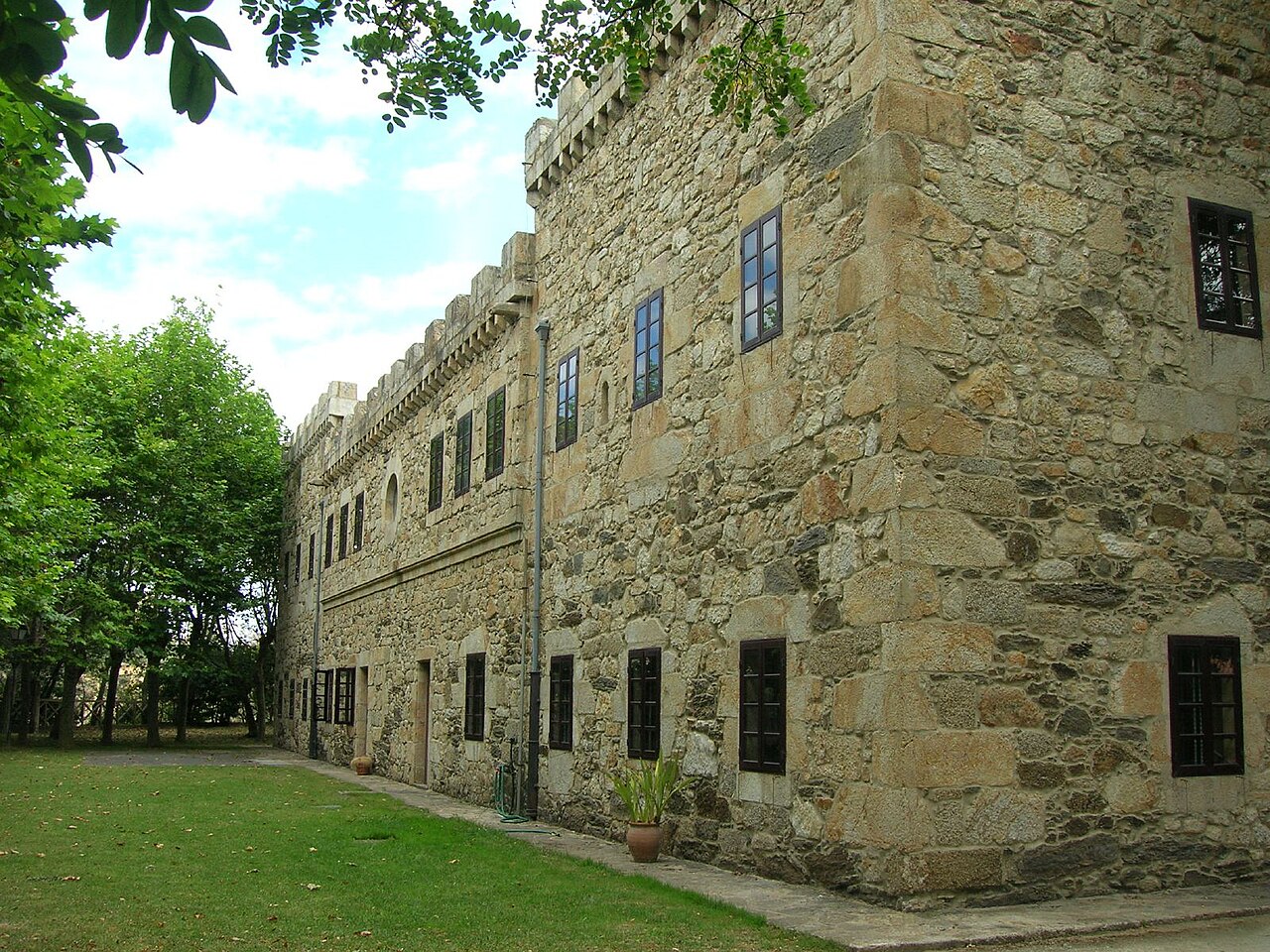
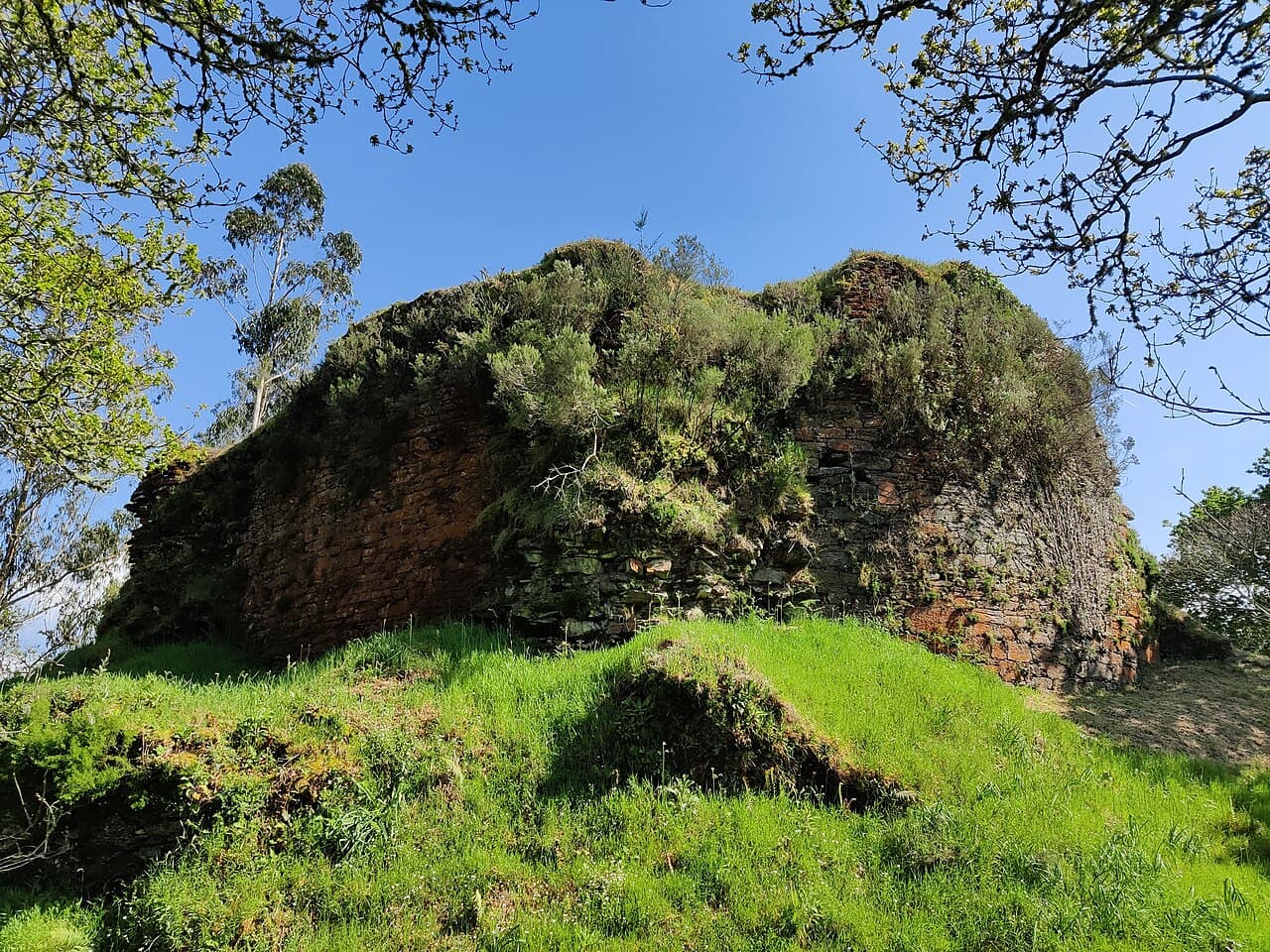
The castle of Mesía is a notable hill castle located in the village of Pobra within the Galician municipality of Mesía, Spain. This fortress-tower dates back to the late 13th or early 14th century, placing its construction in the late medieval period. The castle's strategic position on elevated terrain provided defensive advantages typical of hill castles, allowing control over the surrounding landscape.
Historical context and significance
During the 15th century, the castle played a significant administrative role in the region. It served as a seat of jurisdiction for the bishop of Santiago de Compostela, reflecting its importance within the ecclesiastical and feudal structures of the ancien régime. The castle's governance role highlights its function beyond mere military defense, acting as a center of local power and administration.
Architectural features and construction
The fortress-tower of Mesía exemplifies the defensive architecture common in late medieval hill castles. Its construction includes robust stone walls designed to withstand sieges and attacks. The tower itself would have served as a stronghold and lookout point, offering visibility across the surrounding territory.
Typical features likely include battlements, narrow windows or arrow slits for archers, and thick walls for protection. While detailed architectural plans are scarce, the castle's preservation as a cultural monument suggests that many original elements remain intact or have been restored.
Defensive structures
The castle's location on a hill naturally enhanced its defensive capabilities. The elevation allowed defenders to spot approaching enemies from a distance and provided a tactical advantage in combat. The walls and tower would have been complemented by other fortifications such as a gatehouse or curtain walls, although specific details require archaeological confirmation.
Cultural heritage and preservation
The castle of Mesía was declared a Bien de Interés Cultural on November 17, 1994, by the Spanish Ministry of Culture. This designation recognizes its cultural, historical, and architectural value and ensures legal protection and conservation efforts.
As a protected monument, the castle contributes to the cultural identity of the Galicia region and attracts interest from historians, architects, and visitors interested in medieval fortifications and Spanish heritage.
Visiting the castle
Although specific visitor information such as opening hours and ticket prices is not widely published, the castle's status as a cultural landmark suggests it may be accessible for tours or visits. Prospective visitors should check with local tourism offices in Mesía or Galicia for current access details and guided tour availability.
Faq about the castle of mesía
- When was the castle of Mesía built? The castle dates from the late 13th or early 14th century, placing it firmly in the late medieval period.
- What is the architectural style of the castle? The castle features typical late medieval defensive architecture, with a fortress-tower design common in hill castles of that era.
- Why is the castle historically significant? It served as the seat of jurisdiction for the bishop of Santiago de Compostela during the 15th century, highlighting its administrative importance.
- Is the castle open to visitors? Visitor access details are limited; checking with local tourism sources in Galicia is recommended.
- What protections does the castle have? It was declared a Bien de Interés Cultural in 1994, ensuring its preservation as a cultural heritage site.
Frequently asked questions (FAQ)
- What is the historical significance of the Castle of Mesía?
- The Castle of Mesía, dating back to the 12th century, played a crucial role in the defense of the region during the Middle Ages. Its strategic location allowed it to oversee important trade routes and protect the local population from invasions.
- When was the Castle of Mesía built?
- Construction of the Castle of Mesía began in the 12th century, with various renovations and expansions occurring over the centuries. The castle reflects the architectural styles of different periods, showcasing its historical evolution.
- Can I visit the Castle of Mesía?
- Yes, the Castle of Mesía is open to visitors year-round. Guided tours are available, providing insights into the castle’s history, architecture, and significance.
- What are the opening hours for the Castle of Mesía?
- The Castle of Mesía typically opens at 10 AM and closes at 6 PM, with extended hours during the summer months. It is recommended to check their official website for any seasonal changes in hours.
- Is the Castle of Mesía accessible for visitors with disabilities?
- The Castle of Mesía has made efforts to improve accessibility for all visitors. While some areas may be challenging due to the castle's historic architecture, staff are available to assist those requiring additional support.
- What is the best time to visit the Castle of Mesía?
- The best time to visit the Castle of Mesía is during the spring and fall when the weather is mild and pleasant for exploring. Additionally, visiting during these seasons can help you avoid the summer crowds.
- Are there any nearby attractions to the Castle of Mesía?
- Yes, there are several attractions near the Castle of Mesía, including picturesque villages and natural parks. Visitors can also explore local museums and enjoy the scenic beauty of the region.
- What are the ticket prices for the Castle of Mesía?
- The ticket prices for the Castle of Mesía are quite reasonable, with discounts available for children, students, and seniors. It's best to check the official website for current pricing and any special promotions.
Photo gallery

Information
Current owner
Spanish Ministry of Culture
Loading map...
Visitor reviews
No reviews yet. Been here? Write the first review and help other travelers!
Write the first reviewVisited this castle? Share your experience
Your review helps other travelers and adds first-hand knowledge to our encyclopedia.