Castle of Carbonera
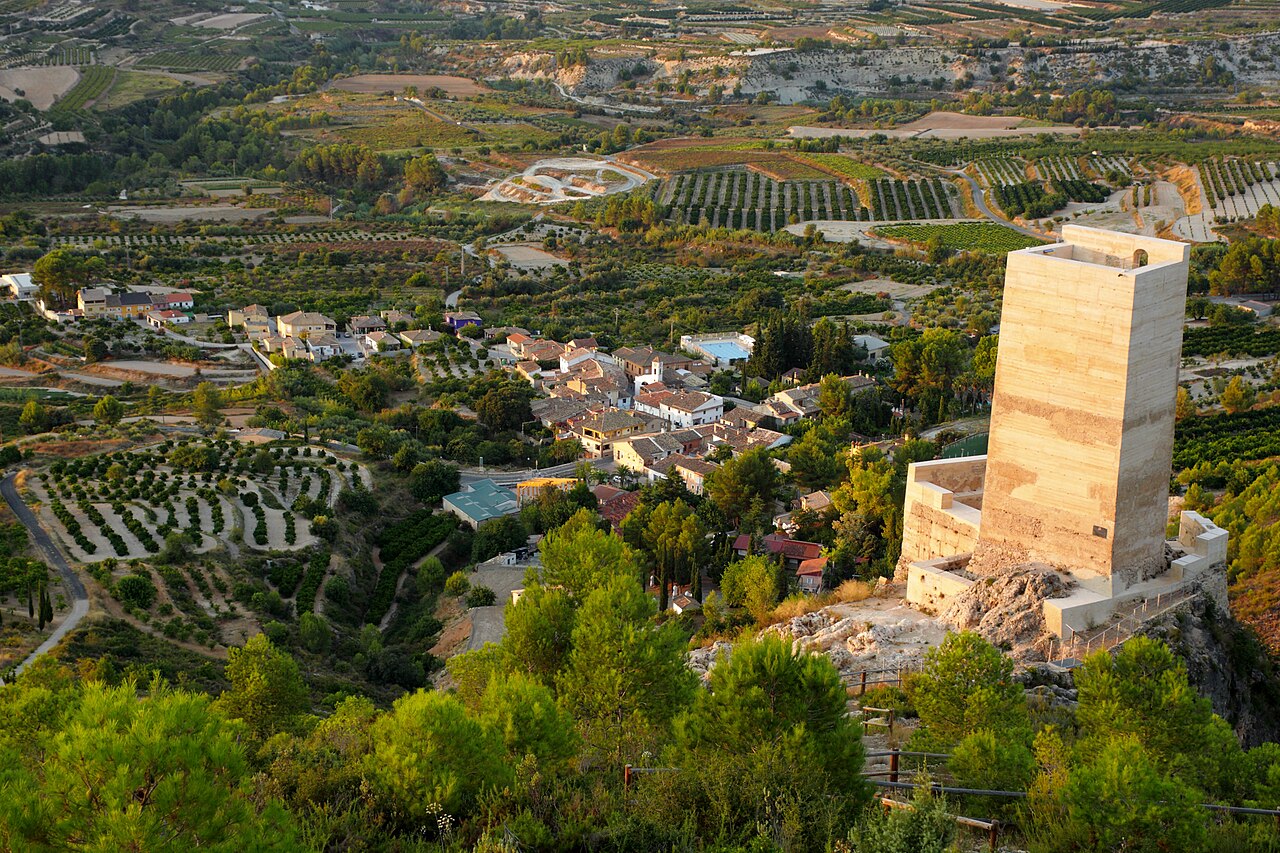
The Castle of Carbonera is a significant medieval fortress located on the Turó del Castell hill within the municipality of Beniatjar, Spain. Its strategic hilltop position afforded commanding views of the surrounding terrain, making it a key military site throughout its long history. The castle's origins trace back to the Islamic civilization during the early medieval period, although archaeological evidence suggests the site may have been occupied even before the Muslim conquest of the Iberian Peninsula in the early 8th century. This early occupation underlines the site's enduring strategic relevance in controlling movement and defending territory in the region.
During the 11th and 12th centuries, the castle was situated on a volatile frontier between the independent Muslim taifas of Valencia and Dénia. This location made it a frequent battleground during the power struggles that characterized the period. The fortress played a prominent role in the military campaigns led by legendary figures such as Rodrigo Díaz de Vivar (El Cid) between 1091 and 1099. It also saw action during incursions by Pedro I of Aragón in 1094 and Alfonso I of Aragón in 1126. The castle’s importance is further emphasized by its mention in the medieval epic poem Cantar de Mio Cid, which recounts its conquest by El Cid himself. It formed part of a network of fortifications protecting local rural communities or alquerías such as Bélgida, Otos, Beniatjar, and El Ràfol de Salem.
Military significance during the reconquest
Following the Christian Reconquest, the Castle of Carbonera maintained its military relevance throughout the 13th century. It was involved in battles between King James I of Aragon and the Muslim leader Al-Azraq, illustrating its role on a contested border zone. The castle likely operated in coordination with nearby fortifications like those at Carrícola and Rugat, maintaining a continuous garrison to defend the frontier. This period marked the castle's peak as a defensive stronghold, with sustained efforts to fortify and man the site against incursions.
Transition to feudal control and decline
In 1288, the castle entered a new phase as the surrounding lands were granted to the Bellvís family, signaling a shift from purely military use to feudal lordship. The new owners favored residence in valley palaces rather than the fortress itself, leading to the intentional disabling of the castle's defenses to prevent its use by enemies or rebellious forces. By 1339, the fortress had fallen into severe ruin, a state that has largely persisted due to its remote location and the challenges posed by the mountainous terrain.
Architectural features and remains
The Castle of Carbonera occupies an elongated polygonal enclosure approximately 300 meters in length, defined by two defensive walls arranged in a concentric manner. Construction employed a combination of tapial (rammed earth) and traditional stone masonry, techniques typical of medieval fortifications in the region. This blend of materials created a robust defensive structure adapted to the irregular topography of the hill.
Surviving elements include sections of the curtain walls, particularly well-preserved along the northern perimeter. These walls feature a series of rectangular towers spaced at intervals, which served both as defensive bastions and structural buttresses to reinforce the walls against erosion and attack. The main entrance, located on the western side, controlled access to the fortress and was likely fortified with defensive features typical of the period.
Within the enclosure, the castle's layout suggests it functioned primarily as an albacar, a walled outer courtyard used as a refuge or for housing livestock, rather than a heavily built residential complex. Few internal buildings remain, but a prominent feature is the large cistern (aljibe) that collected and stored water. This cistern remains largely intact and underscores the importance of securing a reliable water supply during sieges or droughts.
Current condition and visitor experience
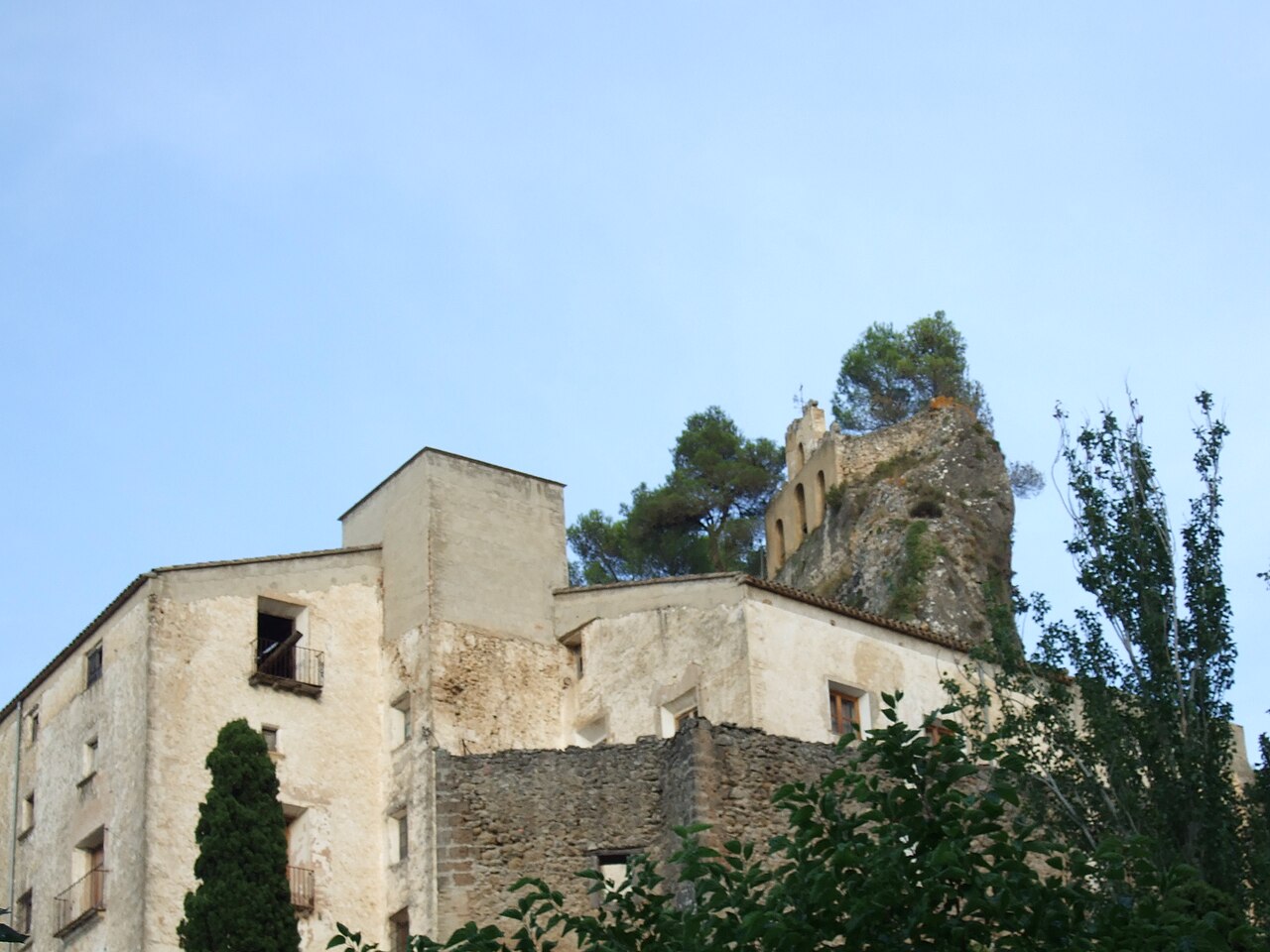
Today, the Castle of Carbonera stands as partially preserved ruins amidst the rugged terrain of the hill. Visitors can explore the remnants of its walls, towers, and cistern, gaining insight into medieval defensive architecture and the strategic military history of the region. The site’s remote location and challenging access have contributed to the preservation of its ruins, offering a tangible connection to the medieval frontier conflicts and the architectural techniques employed to secure this important stronghold.
The castle’s historical narrative, combined with its architectural remains, provides a valuable window into the Islamic and Christian military heritage of eastern Spain. It exemplifies the complex layers of cultural and political change that shaped the Iberian Peninsula during the Middle Ages.
Frequently asked questions (FAQ)
- When was the Castle of Carbonera built?
- The Castle of Carbonera dates back to the early medieval period, with origins in the Islamic civilization and possible earlier occupation before the 8th century Muslim conquest.
- What is the architectural style of the Castle of Carbonera?
- The castle features medieval construction techniques typical of the region, including tapial (rammed earth) and stone masonry, but does not conform to a single defined architectural style.
- Can visitors explore the Castle of Carbonera today?
- Yes, visitors can explore the partially preserved ruins of the Castle of Carbonera, including its walls, towers, and cistern, although access may be challenging due to the terrain.
- Why was the Castle of Carbonera important historically?
- The castle held a strategic position on the frontier between Muslim taifas and later between Christian and Muslim forces during the Reconquest, playing a key role in regional military conflicts.
- Is the Castle of Carbonera mentioned in any historical literature?
- Yes, the castle is mentioned in the medieval epic poem Cantar de Mio Cid, highlighting its conquest by the legendary figure El Cid.
Information
Loading map...
Visitor reviews
No reviews yet. Been here? Write the first review and help other travelers!
Write the first reviewVisited this castle? Share your experience
Your review helps other travelers and adds first-hand knowledge to our encyclopedia.