Castle of Beffi
The Castle of Beffi stands as a remarkable example of a medieval hill castle strategically positioned in the municipality of Acciano within the Abruzzo region of Italy. Constructed in the 12th century, this fortress served as a pivotal defensive stronghold overseeing the middle Aterno valley, a vital corridor linking to the adjacent Subequana valley. Its placement on a rocky outcrop exemplifies the characteristics of a slope castle, utilizing natural topography to enhance its defensive capabilities.
Historical significance and origins
The earliest recorded mention of the Castle of Beffi dates back to 1185, situating its origins firmly within the high medieval period. Initially, the castle functioned as a fortified residence for local feudal lords who governed the surrounding territories. Its strategic importance was heightened by its role in controlling access through the Aterno valley, which was essential for regional defense and surveillance.
The castle's significance is further underscored by its inclusion in the 11th-century Chronicon Farfense, a medieval chronicle that situates Beffi within broader historical narratives of central Italy. During the 13th and 14th centuries, the castle and its adjoining fortified village expanded considerably, likely influenced by the Norman rulers who held sway in southern Italy during this era. This expansion reflected the castle’s growing military importance, reinforcing the defensive network of towers safeguarding the valley.
In the 13th century, the Castle of Beffi played a role in the foundation of the nearby city of L’Aquila, indicating its integration into the political and territorial dynamics of the region. Over time, the castle’s defensive function became intertwined with the development of the surrounding community, which thrived within the protection of its walls.
Architectural features and layout
Fortified enclosure and tower
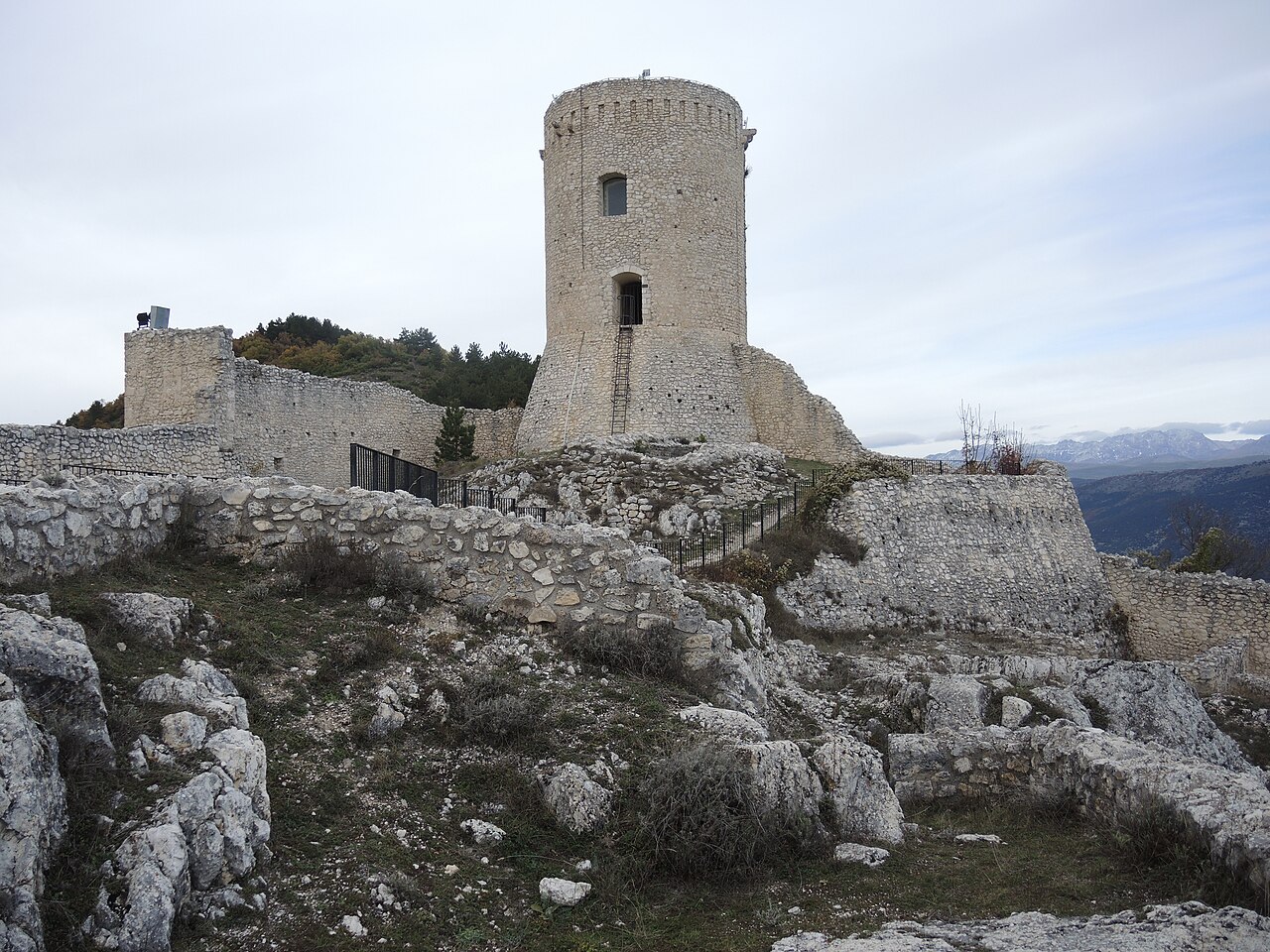
The castle is enclosed within a trapezoidal fortified area that adapts ingeniously to the rugged terrain of the rocky outcrop on which it stands. This design maximizes defensive coverage while conforming to the natural landscape. The centerpiece of the castle is its imposing medieval stone tower, which rises over 20 meters and occupies the highest point within the enclosure.
The tower’s irregular polygonal shape is constructed from carefully fitted small, uneven stone blocks, showcasing medieval masonry techniques. It comprises four floors capped by a terrace that originally featured battlements for defense. The entrance is uniquely positioned on the first floor, accessible originally by a retractable staircase, a common defensive feature designed to hinder attackers.
Defensive walls and gate
Surrounding the tower are remnants of defensive walls equipped with battlements and arrow slits, narrow vertical openings that allowed archers to defend the castle while remaining protected. The main entrance gate remains notably well-preserved, characterized by a pointed arch typical of medieval architecture.
Above the gate, the ancient coat of arms of Beffi is displayed, depicting Saint Michael standing over a tower. This emblem symbolizes protection and strength, reflecting the castle’s role as a guardian of the region.
Residential and communal structures
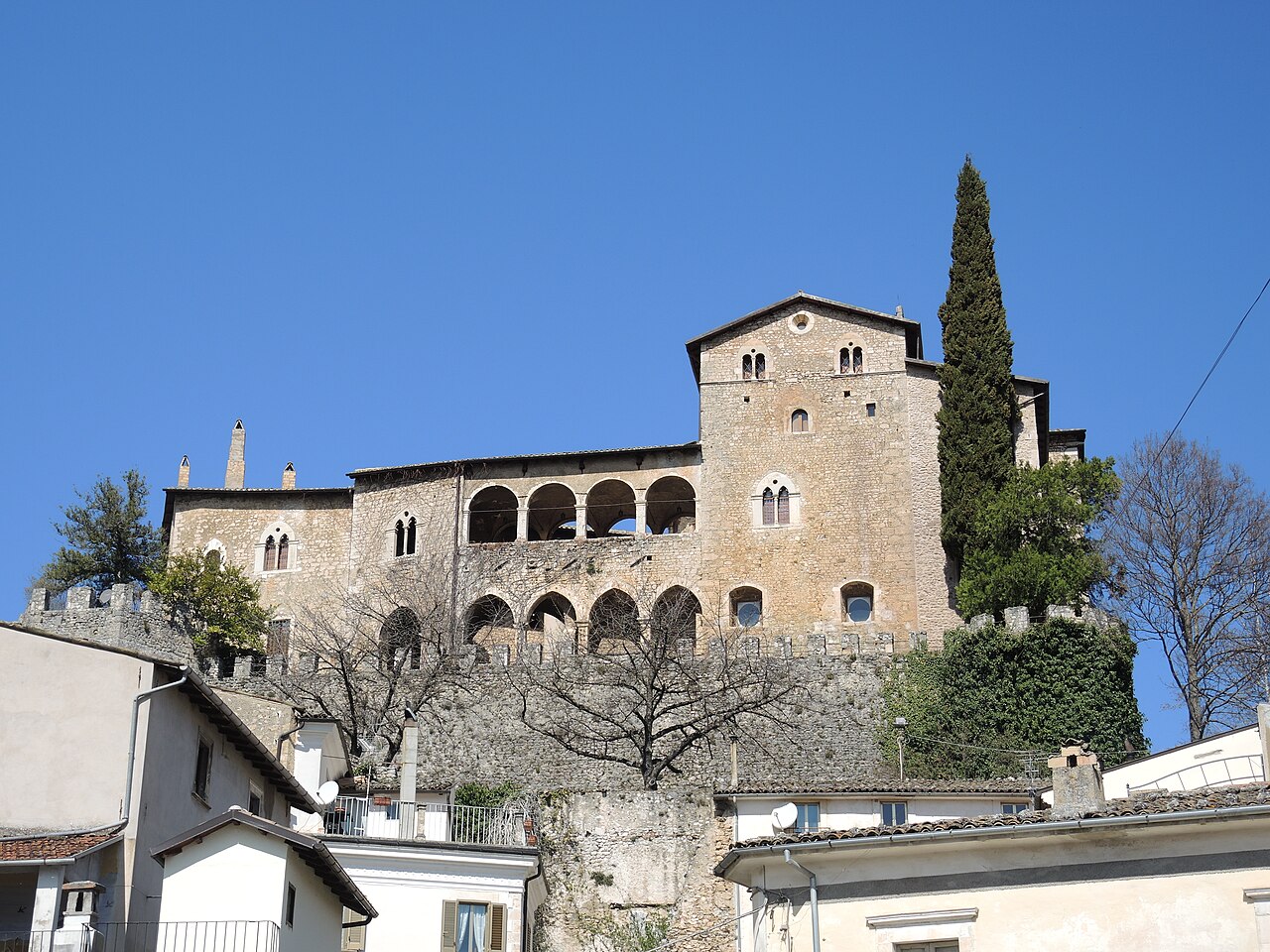
Within the fortified enclosure, several residential buildings dating from after the 13th century illustrate the organic growth of the village that developed under the castle’s protection. These structures vary in layout, indicating adaptations to the terrain and the evolving needs of the inhabitants.
The site also incorporates natural caves and terraces integrated into the rocky landscape, enhancing both the defensive and residential utility of the fortress. This blending of natural and human-made features exemplifies medieval builders’ strategic use of geography to fortify their strongholds.
Decline and restoration efforts
From the 18th century onward, the fortified village surrounding the Castle of Beffi experienced gradual abandonment, influenced by changing social and economic conditions. The decline culminated in the early 20th century after a damaging earthquake led to the village’s total desertion.
Recognizing the historical and cultural value of the site, restoration efforts commenced in the late 1990s, focusing primarily on preserving the central tower and key defensive elements. These works have allowed better understanding and appreciation of the castle’s medieval fabric and strategic importance.
Cultural heritage and visitor experience
Today, the Castle of Beffi stands as a partially restored medieval hill castle that offers visitors a glimpse into the defensive architecture and feudal history of central Italy. Its strategic location overlooking the Aterno valley provides scenic views and a tangible connection to the region’s medieval past.
The combination of natural features and human construction at Beffi highlights the adaptive strategies employed by medieval builders to secure important territorial vantage points. The castle remains a significant cultural landmark within Abruzzo, contributing to the understanding of medieval fortification systems in Italy.
Frequently asked questions (FAQ)
- How do I get to the Castle of Beffi?
- The Castle of Beffi is located in Acciano, Italy, and can be accessed by car or public transportation. The nearest major city is L'Aquila, which is about a 30-minute drive away. Local buses may also connect nearby towns to Acciano, making it easier for visitors to reach the castle.
- What is the historical significance of the Castle of Beffi?
- The Castle of Beffi dates back to the medieval period and played a crucial role in the defense of the region. It served as a stronghold for various noble families and offers insights into the feudal history of central Italy. Visitors can learn about its strategic importance during conflicts in the area.
- When was the Castle of Beffi built?
- The Castle of Beffi was constructed in the 12th century, showcasing the architectural styles of that era. Over the centuries, it has undergone several modifications and restorations, reflecting the changing needs of its inhabitants. Today, it stands as a testament to the medieval heritage of the region.
- Can I visit the Castle of Beffi year-round?
- Yes, the Castle of Beffi is open to visitors throughout the year, although specific opening hours may vary by season. It is advisable to check the official website or local tourist information for the most current visiting times. Guided tours may also be available, providing deeper insights into its history.
- Why is the architecture of the Castle of Beffi unique?
- The architecture of the Castle of Beffi is characterized by its robust stone walls and strategic design, built to withstand sieges. Its layout includes towers and defensive structures that offer a glimpse into medieval military architecture. This unique design reflects the castle's historical purpose and the engineering skills of its time.
- Is it possible to take guided tours of the Castle of Beffi?
- Yes, guided tours of the Castle of Beffi are available and provide an enriching experience for visitors. These tours often include detailed explanations of the castle's history, architectural features, and the significance of its location. It's recommended to book in advance, especially during peak tourist seasons.
- What are the ticket prices for the Castle of Beffi?
- Ticket prices for the Castle of Beffi are generally affordable, with discounts available for children, students, and seniors. Admission fees help maintain the castle and support preservation efforts. Check the official website or visitor center for the latest pricing information and any special offers.
- What is the best time to visit the Castle of Beffi?
- The best time to visit the Castle of Beffi is during the spring and early autumn when the weather is mild and pleasant. These seasons also attract fewer crowds compared to summer, allowing for a more enjoyable experience. Additionally, the surrounding landscapes are particularly beautiful during these times.
- Are there any nearby attractions to the Castle of Beffi?
- Yes, there are several nearby attractions worth exploring, including the charming village of Acciano and the stunning natural landscapes of the Gran Sasso National Park. Visitors can also enjoy local cuisine at nearby restaurants, enhancing their cultural experience. The region is rich in history and offers various hiking trails for outdoor enthusiasts.
Information
Website
Visit websiteSources & official resources
Verify the information above using these authoritative references.
Loading map...
Visitor reviews
No reviews yet. Been here? Write the first review and help other travelers!
Write the first reviewVisited this castle? Share your experience
Your review helps other travelers and adds first-hand knowledge to our encyclopedia.