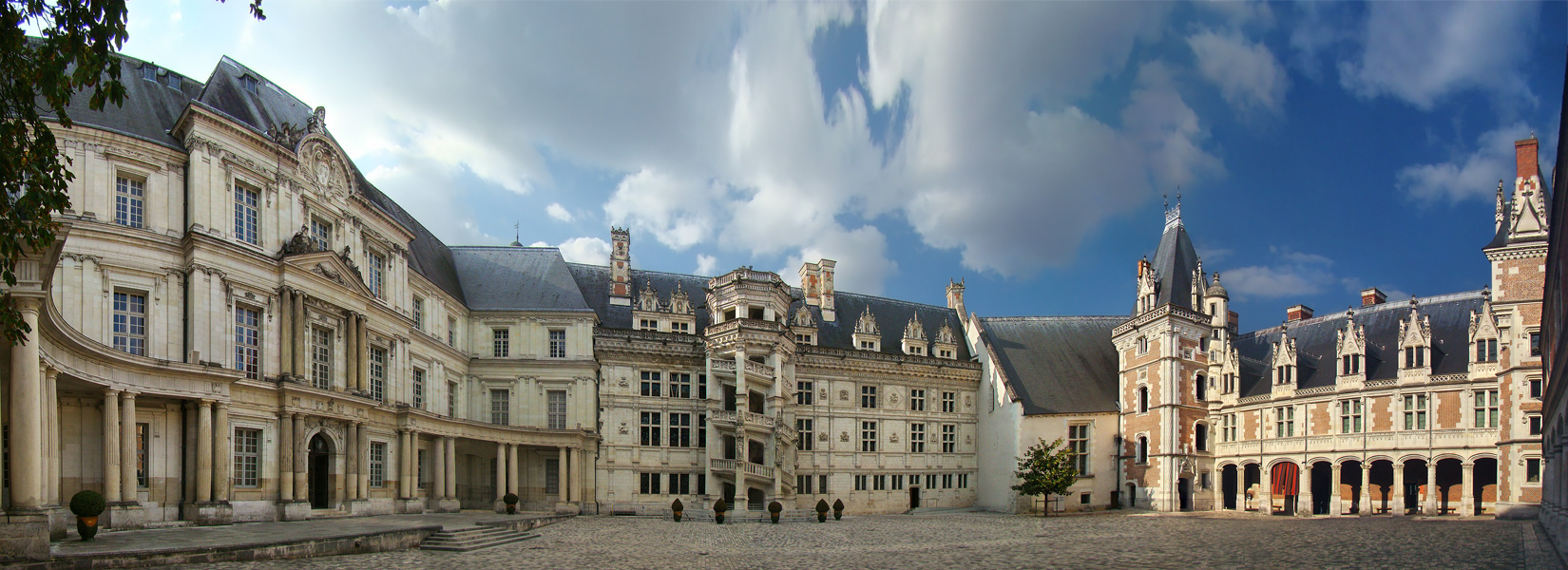
Castle of Beauregard
The Castle of Beauregard, located in the commune of Cellettes near Blois in the Loire Valley, is a distinguished example of Renaissance architecture in France. This château is renowned for its harmonious blend of military fortification elements with elegant Renaissance refinements, reflecting the transition from medieval defensive structures to more comfortable and decorative noble residences during the 16th century.
Originally constructed in the late 15th century, the castle underwent significant rebuilding and enhancements during the 16th century, firmly placing it within the Renaissance period. Despite its origins as a fortified stronghold, it evolved into a residence that balanced security with aesthetic appeal, featuring characteristic mullioned windows, steeply pitched roofs, and a prominent gallery that became a hallmark of the château.
Architectural features and layout
The castle's architecture is notable for retaining a large, square keep from its original medieval structure, which anchors the château and serves as a reminder of its defensive past. Surrounding this core are Renaissance additions including a gallery adorned with ornate stonework and large windows that flood the interior with natural light.
The steeply sloped roofs, typical of the Loire Valley châteaux, are punctuated by elegant chimneys and dormer windows, contributing to the castle's picturesque silhouette. Defensive features such as ditches and cannon-holes are still visible, illustrating the castle's strategic importance during its early history.
The gallery of portraits
One of the most remarkable aspects of the Castle of Beauregard is its Gallery of portraits, decorated in the 17th century. This gallery houses an impressive collection of 327 portraits of famous historical figures, making it a unique cultural treasure within the Loire Valley. The portraits provide a fascinating glimpse into the personalities and nobility of the era, serving both as decoration and as a historical record.
Historical significance and ownership
The castle's strategic location near Blois and other prominent Loire châteaux such as Cheverny highlights its importance within the network of noble residences and fortifications in the region. Throughout its history, the Castle of Beauregard has been inhabited and maintained, blending its military heritage with residential comfort.
In the 19th century, the castle saw adaptive reuse with the installation of a spinning mill in its chapel, reflecting changing economic and social conditions. The French state acquired the château in the 1930s and undertook restoration efforts to preserve its architectural integrity and historical value.
Visitor experience and cultural heritage
Today, the Castle of Beauregard remains inhabited but is open to tourists, offering visitors a chance to explore its richly decorated interiors and extensive portrait gallery. The château's setting in the Loire Valley, a UNESCO World Heritage site, situates it among some of France's most celebrated Renaissance monuments.
Visitors can appreciate the castle's blend of medieval fortification and Renaissance elegance, as well as its role in the cultural and historical tapestry of the Loire region. The castle's preservation allows for an immersive experience into the architectural and artistic achievements of the Renaissance period in France.
Relationship to other Loire Valley châteaux
While the Castle of Beauregard is often overshadowed by larger neighbors such as the Château de Chambord, it holds its own unique place in the Loire Valley's architectural landscape. Chambord, famous for its monumental scale and the iconic double-spiral staircase inspired by Leonardo da Vinci, contrasts with Beauregard's more intimate yet historically rich character.
Both castles exemplify different facets of Renaissance architecture and noble life in France, with Beauregard offering insight into the transition from medieval fortress to Renaissance residence, and Chambord representing the height of royal extravagance and innovation.
Preservation and current condition
The Castle of Beauregard is classified as well preserved, with ongoing maintenance ensuring that its architectural features and historic interiors remain intact. The state ownership since the 1930s has facilitated conservation efforts, allowing the castle to retain its historical authenticity and continue welcoming visitors.
Its continued habitation also contributes to the upkeep and living heritage of the site, distinguishing it from many other Loire châteaux that function solely as museums or ruins.
Frequently asked questions (FAQ)
- How do I get to the Castle of Beauregard?
- The Castle of Beauregard is located in Cellettes, France, approximately 15 kilometers from Blois. You can reach it by car, and there is parking available on-site. Public transportation options may include local buses or trains to nearby stations followed by a short taxi ride.
- What is the historical significance of the Castle of Beauregard?
- The Castle of Beauregard, built in the 16th century, is renowned for its beautiful architecture and rich history. It was originally constructed for the noble family of the same name and has witnessed many significant events throughout French history. The castle is particularly noted for its impressive collection of portraits and its unique blend of Renaissance and classical styles.
- When was the Castle of Beauregard built?
- The Castle of Beauregard was commissioned in 1515 and completed in 1525. It was designed as a residence for the noble family, showcasing the grandeur of the Renaissance period. Over the centuries, it has been meticulously preserved to maintain its historical integrity.
- Can I take guided tours of the Castle of Beauregard?
- Yes, guided tours are available at the Castle of Beauregard, providing visitors with an in-depth look at its history and architecture. These tours often include access to various rooms, gardens, and the famous gallery of portraits. It is recommended to check the schedule and book in advance, especially during peak tourist seasons.
- Why is the architecture of the Castle of Beauregard unique?
- The architecture of the Castle of Beauregard is unique due to its harmonious blend of Renaissance and classical styles, featuring elegant facades and intricate details. The castle is known for its stunning gallery adorned with over 300 portraits, showcasing notable figures from French history. Its design reflects the cultural and artistic movements of the time, making it a significant architectural landmark.
- Is it possible to visit the gardens at the Castle of Beauregard?
- Yes, visitors can explore the beautiful gardens surrounding the Castle of Beauregard. The gardens are designed in the French formal style, featuring geometric patterns, fountains, and a variety of plant species. They provide a serene setting for a leisurely stroll and a perfect backdrop for photographs.
- What are the opening hours for the Castle of Beauregard?
- The Castle of Beauregard is typically open to visitors from 10 AM to 6 PM during the peak season, with reduced hours in the off-peak months. It is advisable to check the official website for any changes in hours or special events. Plan your visit accordingly to make the most of your experience.
- What are the ticket prices for the Castle of Beauregard?
- Ticket prices for the Castle of Beauregard vary depending on age and group size, with discounts available for students and children. As of the latest update, adult tickets are around €10, while children under 12 may enter for free. It’s best to check the official website for the most current pricing and any available packages.
- When is the best time to visit the Castle of Beauregard?
- The best time to visit the Castle of Beauregard is during the spring and early autumn when the weather is mild and the gardens are in full bloom. During these seasons, you can enjoy the outdoor spaces and take part in various cultural events. Summer can be busy with tourists, so planning your visit during weekdays might offer a more relaxed experience.
- Are there any nearby attractions to the Castle of Beauregard?
- Yes, there are several nearby attractions to the Castle of Beauregard, including the historic town of Blois and the enchanting Château de Chambord. Visitors can also explore the scenic Loire Valley, known for its beautiful vineyards and charming villages. These attractions make for a perfect day trip when visiting the castle.
Information
Website
Visit websiteSources & official resources
Verify the information above using these authoritative references.
Loading map...
Visitor reviews
No reviews yet. Been here? Write the first review and help other travelers!
Write the first reviewVisited this castle? Share your experience
Your review helps other travelers and adds first-hand knowledge to our encyclopedia.