Castle in Solec nad Wisłą
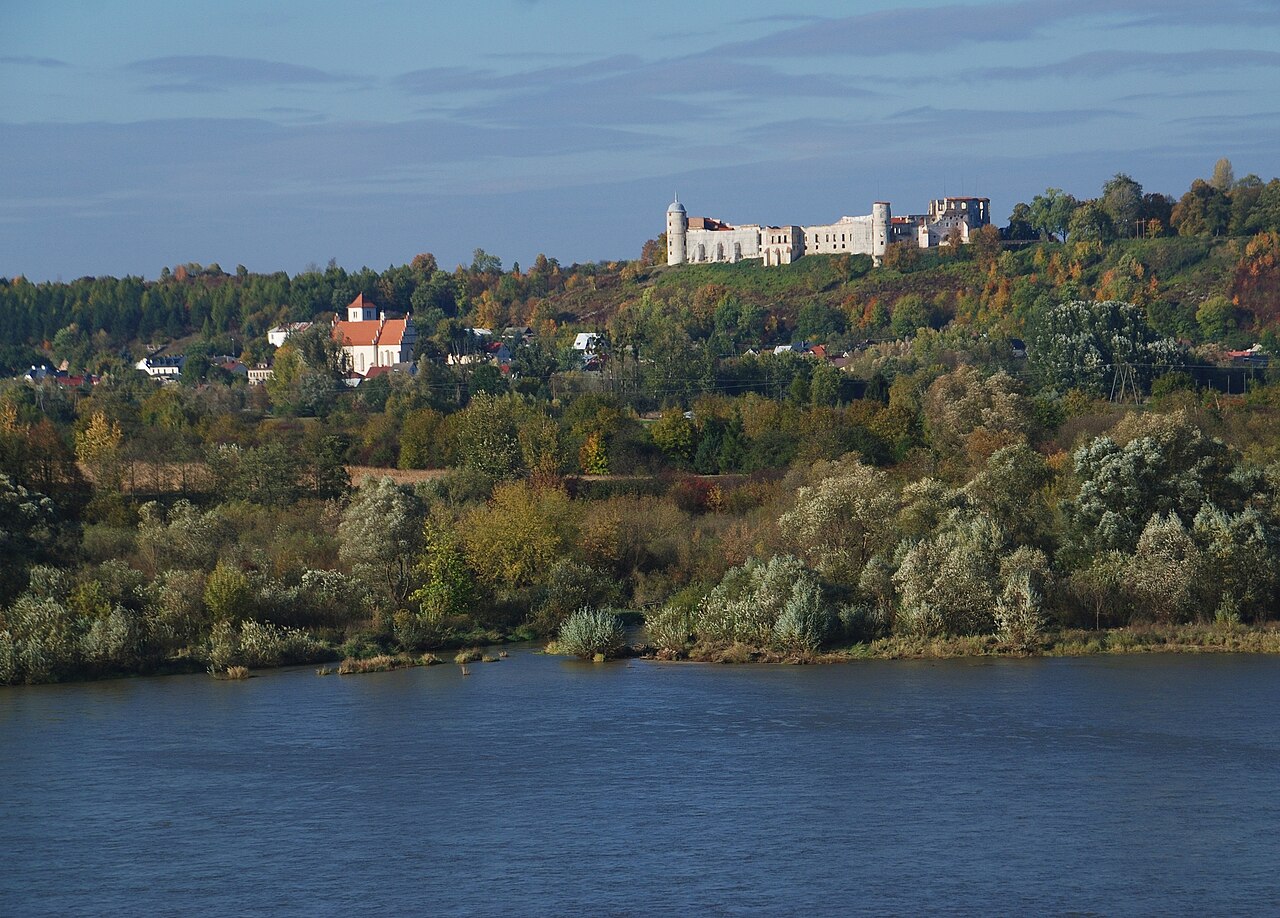
The Castle in Solec nad Wisłą stands as a significant historical monument in the town of Solec nad Wisłą, located in modern-day Poland. This hill castle was originally constructed in the 14th century during the reign of King Casimir III the Great, a period marked by numerous fortification projects across the Polish kingdom. The castle's establishment is closely linked to the strategic importance of Solec nad Wisłą, a settlement purchased in 1325 by Casimir's father, King Władysław Łokietek, from the Miechów monastery. This location was chosen for its advantageous position along vital trade routes near the Vistula River, which made it a key defensive and economic point.
Historical background and royal patronage
The castle's origins are well documented in medieval chronicles, notably by Janko of Czarnków and Jan Długosz, with the earliest documentary mention dating to 1394. Throughout its history, the castle remained under royal ownership but was often managed as a fief, leased to prominent noble families who maintained its defenses and residential functions. Its role was both military and administrative, serving as a local stronghold to protect the surrounding region and control river traffic.
Architectural evolution and 17th-century modifications
Originally, the castle featured a cylindrical tower and an adjacent residential building, typical of 14th-century Polish hill castles. These core structures formed the nucleus of the fortress. Between 1615 and 1627, Prince Krzysztof Zbaraski undertook significant expansions to modernize the castle's defenses in response to evolving military technology and threats. This included the addition of three bastions arranged in a roughly rectangular plan, enhancing the castle's ability to withstand artillery fire and siege tactics.
The fourth corner of the fortress featured a bastion integrated directly with the older buildings, demonstrating a blend of medieval and early modern fortification techniques. The castle's defensive perimeter was reinforced with thick walls and earthworks, adapting to the era's needs for stronger fortifications.
Ornamental and residential features
Historical records from 1654 describe additional elements that reflect the castle's dual military and residential functions. An ornamental bridge with finely crafted railings connected the town to the castle, symbolizing both accessibility and prestige. Within the castle grounds, an Italian-style garden was maintained, illustrating the influence of Renaissance landscaping trends in Polish noble residences.
The castle also housed a bathhouse featuring a decorative fountain adorned with a dragon figure made from marine shells, a unique artistic touch that highlighted the owners' wealth and taste. These features indicate the castle was not solely a military fortress but also a noble residence with aesthetic considerations.
Destruction and decline
The castle's military significance ended abruptly during the Swedish invasion of 1656, part of the larger conflict known as The Deluge. The fortress was captured and largely destroyed by Swedish forces, marking a turning point in its history. Although partial reconstruction efforts were undertaken around 1780, the castle never regained its former prominence.
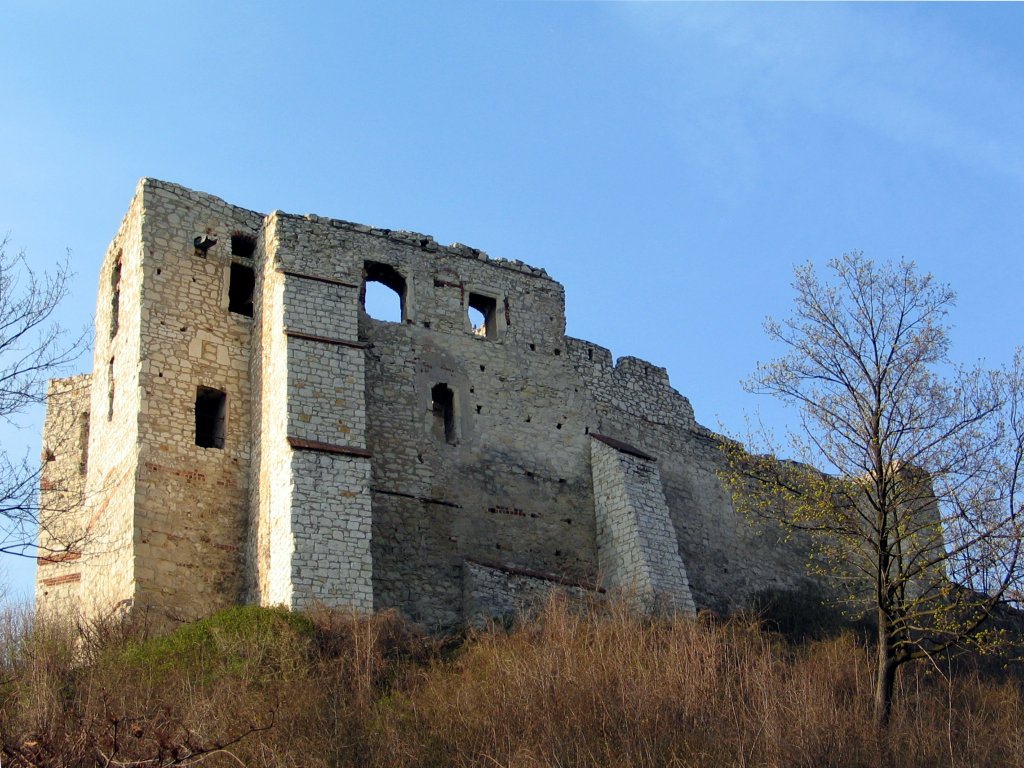
In the subsequent centuries, the castle continued to serve as a residence until the 19th century but gradually fell into disrepair and dismantlement. Today, only the lower portions of the castle walls remain visible, providing tangible evidence of the original defensive layout but lacking the superstructures that once defined the fortress.
Current state and archaeological potential
Presently, the castle ruins in Solec nad Wisłą are partially preserved, with the surviving walls offering insights into the castle's original defensive perimeter. Despite the historical importance of the site, no comprehensive archaeological excavations or detailed architectural studies have been conducted. This leaves much of the castle's full layout and construction techniques known primarily through historical documentation rather than physical investigation.
The site remains an important cultural heritage location, reflecting the medieval and early modern military architecture of Poland. It also offers potential for future research that could uncover additional details about the castle's construction phases, usage, and the lifestyle of its inhabitants.
Architectural significance and style
The Castle in Solec nad Wisłą exemplifies the transition from medieval to early modern fortification styles in Poland. Its original hill castle design with a cylindrical tower is characteristic of 14th-century military architecture. The later addition of bastions in the early 17th century reflects the influence of the Renaissance military engineering principles, particularly the adaptation to artillery warfare.
The integration of residential and ornamental features such as the bathhouse, garden, and decorative bridge indicates a multifunctional use, combining defense with noble comfort and status display. This blend of military and aesthetic elements is typical of Polish castles that evolved during the Renaissance period.
Frequently asked questions (FAQ)
- When was the castle in Solec nad Wisłą built?
- The castle was constructed in the 14th century during the reign of King Casimir III the Great, with the earliest records mentioning it in 1394.
- What architectural style characterizes the castle?
- The castle features a mixed architectural style, combining 14th-century medieval hill castle elements with 17th-century Renaissance military bastions.
- What remains of the castle can be seen today?
- Today, visitors can see the lower portions of the castle walls, which outline the original defensive perimeter, although the superstructures no longer exist.
- Can I visit the castle ruins in Solec nad Wisłą?
- The castle ruins are accessible to the public, but there are no formal visitor facilities or guided tours currently available at the site.
- Why was the castle expanded in the 17th century?
- The expansions, including the addition of bastions, were made to strengthen the castle's defenses in response to advancements in siege warfare and artillery.
Information
Loading map...
Visitor reviews
No reviews yet. Been here? Write the first review and help other travelers!
Write the first reviewVisited this castle? Share your experience
Your review helps other travelers and adds first-hand knowledge to our encyclopedia.