Bochotnica
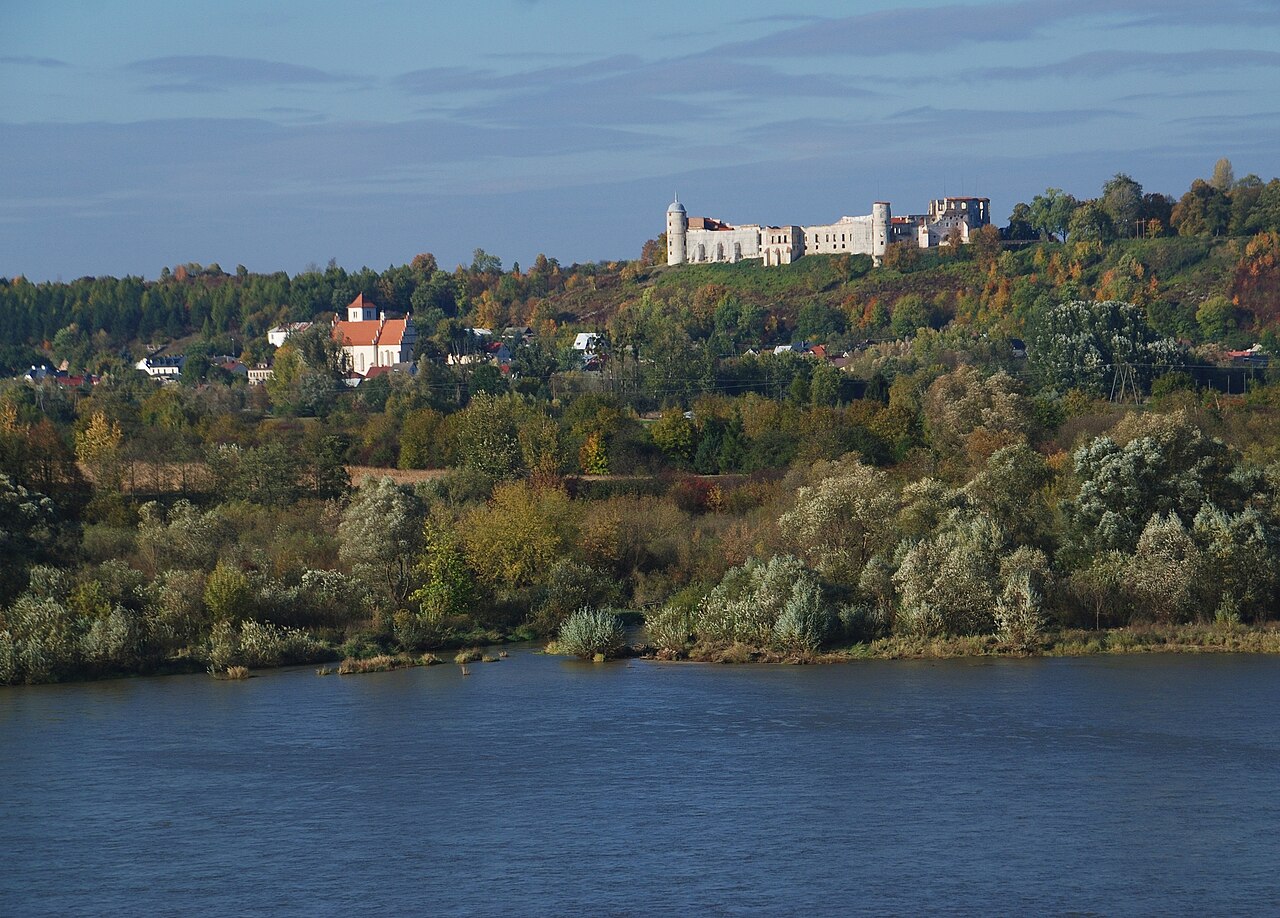
Bochotnica Castle stands as a striking example of a late medieval hill castle nestled on a steep loess hill near the village of Bochotnica, just a few kilometers from the historic town of Kazimierz Dolny in Poland. The castle's ruins, though modest in scale, offer a glimpse into the defensive architecture and turbulent history of the region during the 14th to 18th centuries. Surrounded by natural fortifications and enhanced by man-made defenses, Bochotnica Castle reflects the strategic importance of hilltop fortresses in medieval Poland.
The castle is traditionally linked to the legend of Esterka, the reputed Jewish mistress of King Casimir III the Great, who is said to have had a castle built for her here, connected to Kazimierz Dolny by a secret tunnel. While this romantic tale captivates visitors, historical evidence does not support royal patronage of the castle. Instead, Bochotnica was constructed and owned by the noble Firlej family and later passed through several prominent Polish noble houses.
Historical background and ownership
The earliest stone construction at Bochotnica likely dates to the 14th century, with a probable wooden and earth fortification preceding it on the same site. The castle's first documented mention dates to 1399, when Jan of Bejsce sold it to Klemens of Kurów, the castellan of Żarnów, for 550 grzywnas. This transaction confirms the castle's significance as a noble residence and defensive site during the late medieval period.
In the late 15th century, ownership passed to Anna Zbąska. During her tenure, the castle reportedly became a refuge for bandits who preyed on merchants and local estates, a claim supported by accusations against Katarzyna Oleśnicka, a member of the Zbąski family, for robbery. Later, under King Sigismund I the Old's grant, the Samborzecki family took possession and initiated expansions to the fortress.
Architectural features and layout
Original structure and defensive elements
The castle was constructed from local stone, shaped into an elongated polygonal plan that adapted to the natural topography of the hill. The steep slopes of the hill were enhanced by a wide moat that cut off direct access, significantly boosting the castle's defensive capabilities. The main components included a perimeter curtain wall, a single-wing residential building along the northern wall, and a southern gatehouse. Access was likely via a wooden bridge spanning the moat.
Later expansions
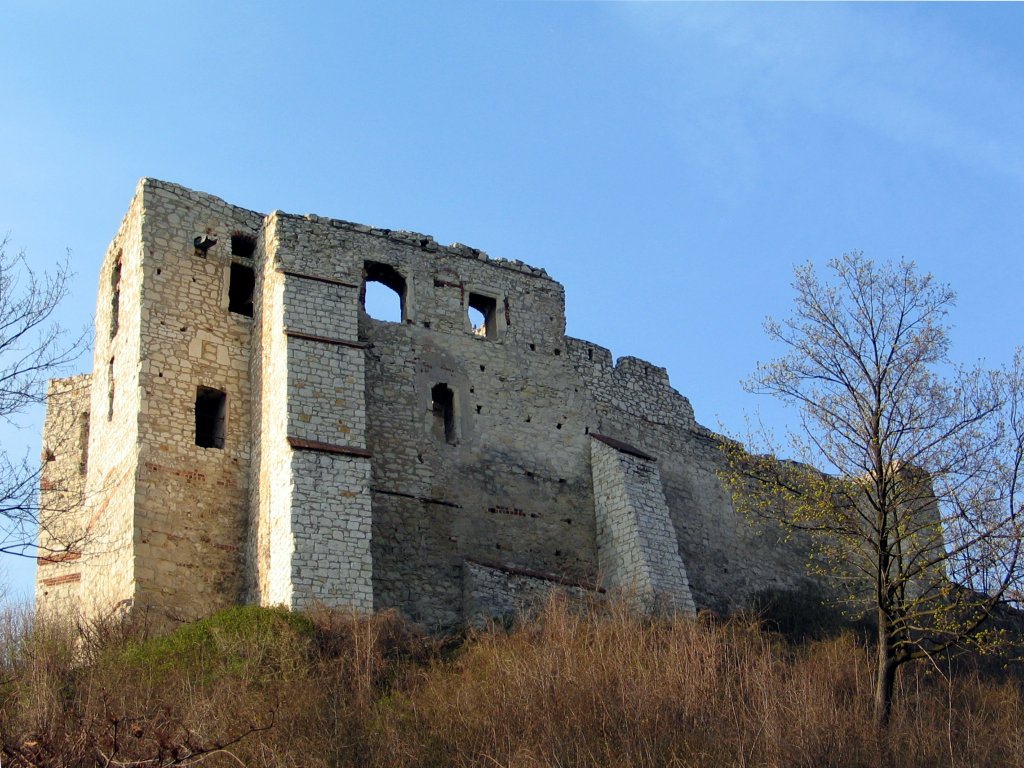
During the Samborzecki period, a second residential building was erected along the southern curtain wall. This new structure was a three-story, single-wing building constructed from both stone and brick, marking a notable architectural development. The addition necessitated relocating the castle's main gate to the southwestern corner, where a new entrance with its own bridge over the moat was established.
Decline and current condition
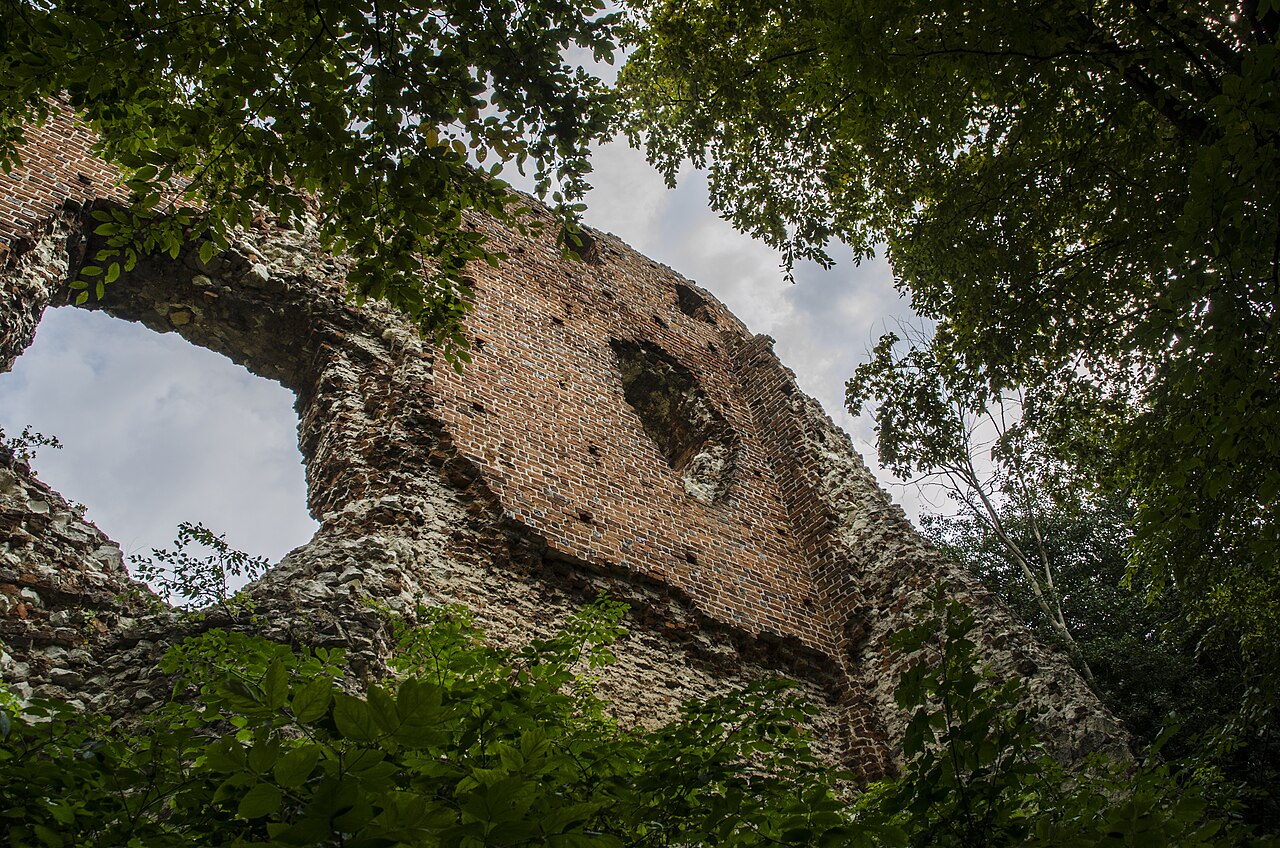
Bochotnica Castle remained in use until the 18th century. Its decline may have been hastened by a landslide that caused partial collapse of the hill and several castle buildings. Today, the site is a picturesque ruin, heavily overgrown with vegetation. Although the surviving walls provide limited insight into the castle's full historical narrative, the elevated position offers visitors spectacular views of the surrounding countryside.
Legend and cultural significance
The enduring legend of Esterka adds a layer of cultural mystique to Bochotnica Castle. While no archaeological evidence has confirmed the existence of the secret tunnel linking Bochotnica with Kazimierz Dolny, the story enriches the castle's allure and highlights its place in Polish folklore. This romantic association draws visitors intrigued by medieval tales and royal intrigues.
Visiting Bochotnica Castle
Visitors to Bochotnica can explore the ruins and enjoy panoramic views after a climb to the hilltop. The site is accessible year-round, although the terrain and overgrowth may require sturdy footwear and caution. The castle's modest size and ruined state mean that visitors should manage expectations regarding extensive architectural remains but can appreciate the natural beauty and historical ambiance of the location.
Frequently asked questions (FAQ)
- What is the historical significance of Bochotnica Castle?
- Bochotnica Castle is a late medieval hill fortress that played a role in regional defense and noble residence in Poland from the 14th to 18th centuries. It is associated with the noble Firlej family and later owners, reflecting the area's medieval history.
- Can I visit Bochotnica Castle ruins?
- Yes, the castle ruins are accessible to visitors year-round. The site offers scenic views and a chance to explore the remains of a 14th-century hill castle, though the terrain can be steep and overgrown.
- Is the legend of Esterka true?
- The legend of Esterka, the mistress of King Casimir III the Great, is a popular local tale, but there is no historical evidence that Bochotnica Castle was built for her or that a secret tunnel connected it to Kazimierz Dolny.
- What architectural features remain at Bochotnica Castle?
- Visitors can see fragments of the perimeter walls, foundations of the residential buildings, and the moat surrounding the hill. The castle's elongated polygonal plan and defensive adaptations to the terrain are still evident.
- When was Bochotnica Castle built?
- The stone castle was built around 1399, with possible earlier wooden fortifications on the site. It was expanded in the 16th century under the Samborzecki family.
Information
Loading map...
Visitor reviews
No reviews yet. Been here? Write the first review and help other travelers!
Write the first reviewVisited this castle? Share your experience
Your review helps other travelers and adds first-hand knowledge to our encyclopedia.