Castle del Príncipe
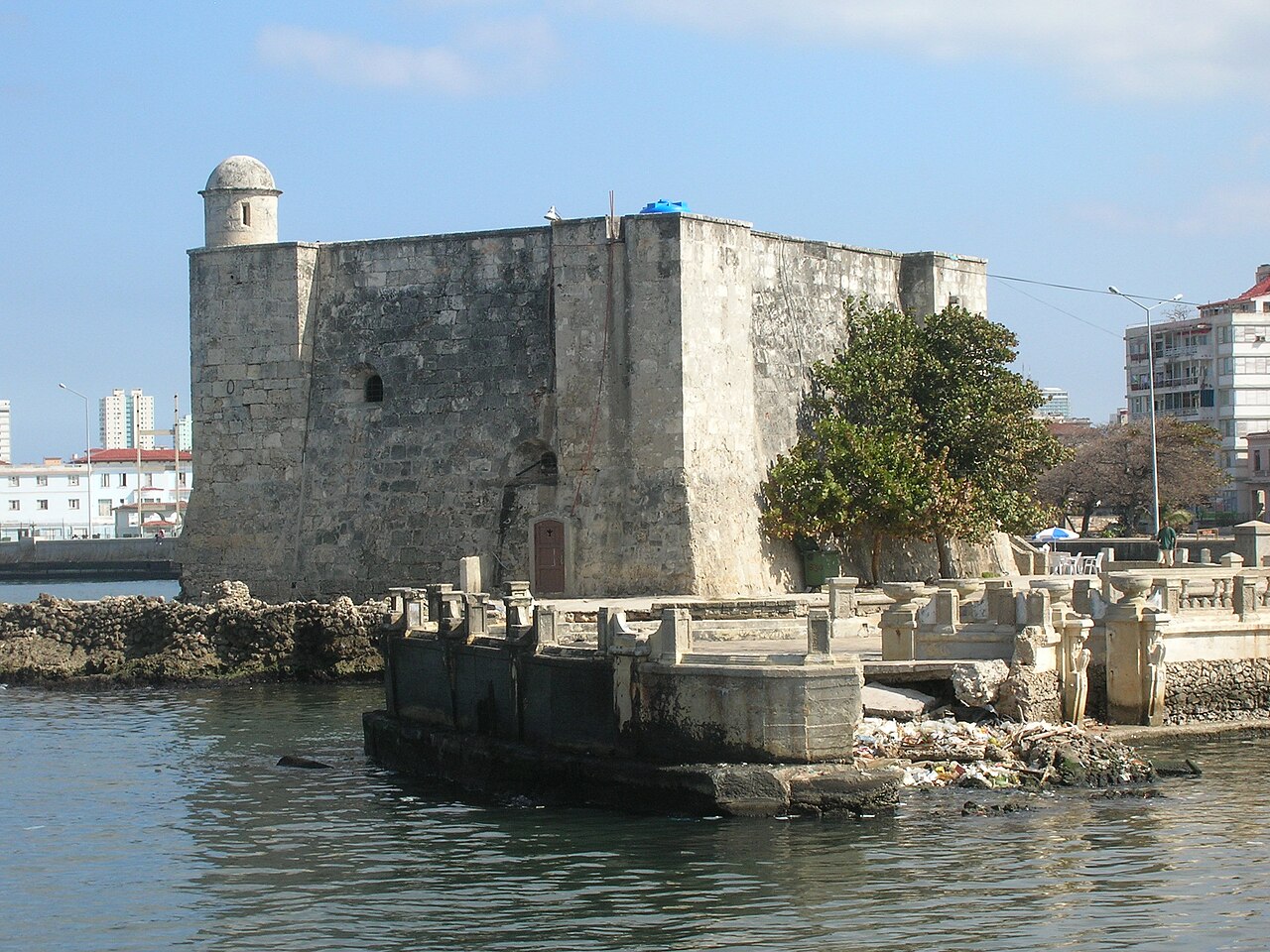
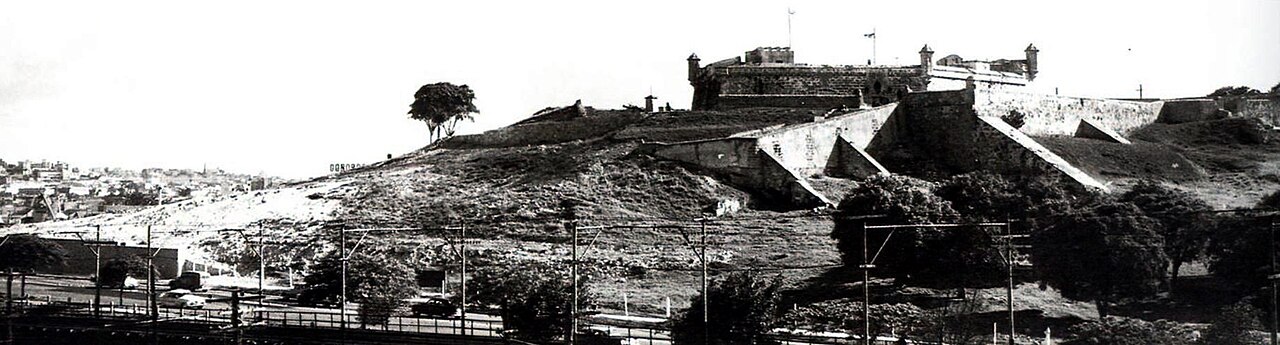
Castillo del Príncipe, also known as the Castle of the Prince, is a prominent 18th-century military fortification located on the Loma de Aróstegui, a hill in Havana, Cuba. This hill castle was constructed during the post-Renaissance period, reflecting the strategic military architecture of the Spanish colonial era in the Caribbean. The fortress was designed to protect Havana, a crucial port city, from foreign invasions and pirate attacks, particularly during the height of European colonial competition in the New World.
Historical context and construction
The construction of Castillo del Príncipe began in the 18th century, a time when Havana was one of the most important military and commercial hubs in the Spanish Empire. The fort was part of a larger system of defenses built to secure the city against naval threats. Its location on the Loma de Aróstegui provided a commanding view over the city and the surrounding areas, allowing defenders to spot approaching enemies from a distance.
The fort was named in honor of Prince Charles of Spain, reflecting its importance within the Spanish colonial military network. Its design incorporates typical features of post-Renaissance military architecture, including thick stone walls, bastions, and a complex layout optimized for defense and artillery placement.
Architectural features and design
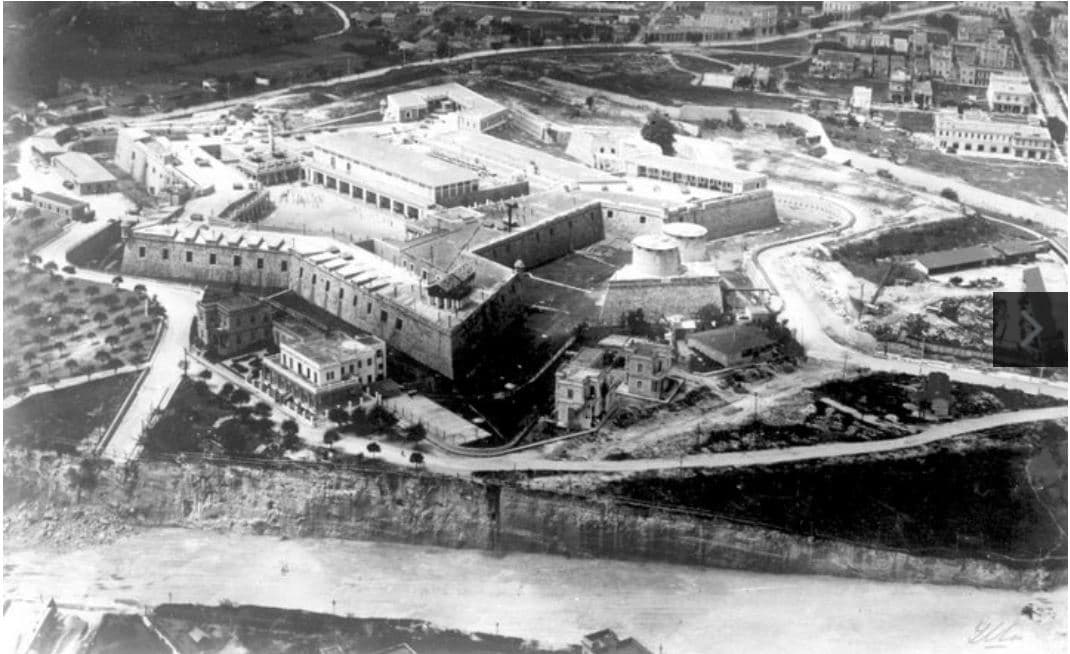
Castillo del Príncipe exemplifies the principles of star fort design, which was widely used in the 17th and 18th centuries to withstand cannon fire and provide overlapping fields of defensive fire. The fortress is characterized by its angular bastions projecting from the main walls, allowing defenders to cover all approaches without blind spots.
The fort's construction utilized robust materials such as stone and brick masonry, ensuring durability against both military assault and the tropical climate of Cuba. Inside the fortress, there are courtyards, gun emplacements, and soldiers' quarters, arranged to support a garrison capable of sustained defense.
Defensive structures
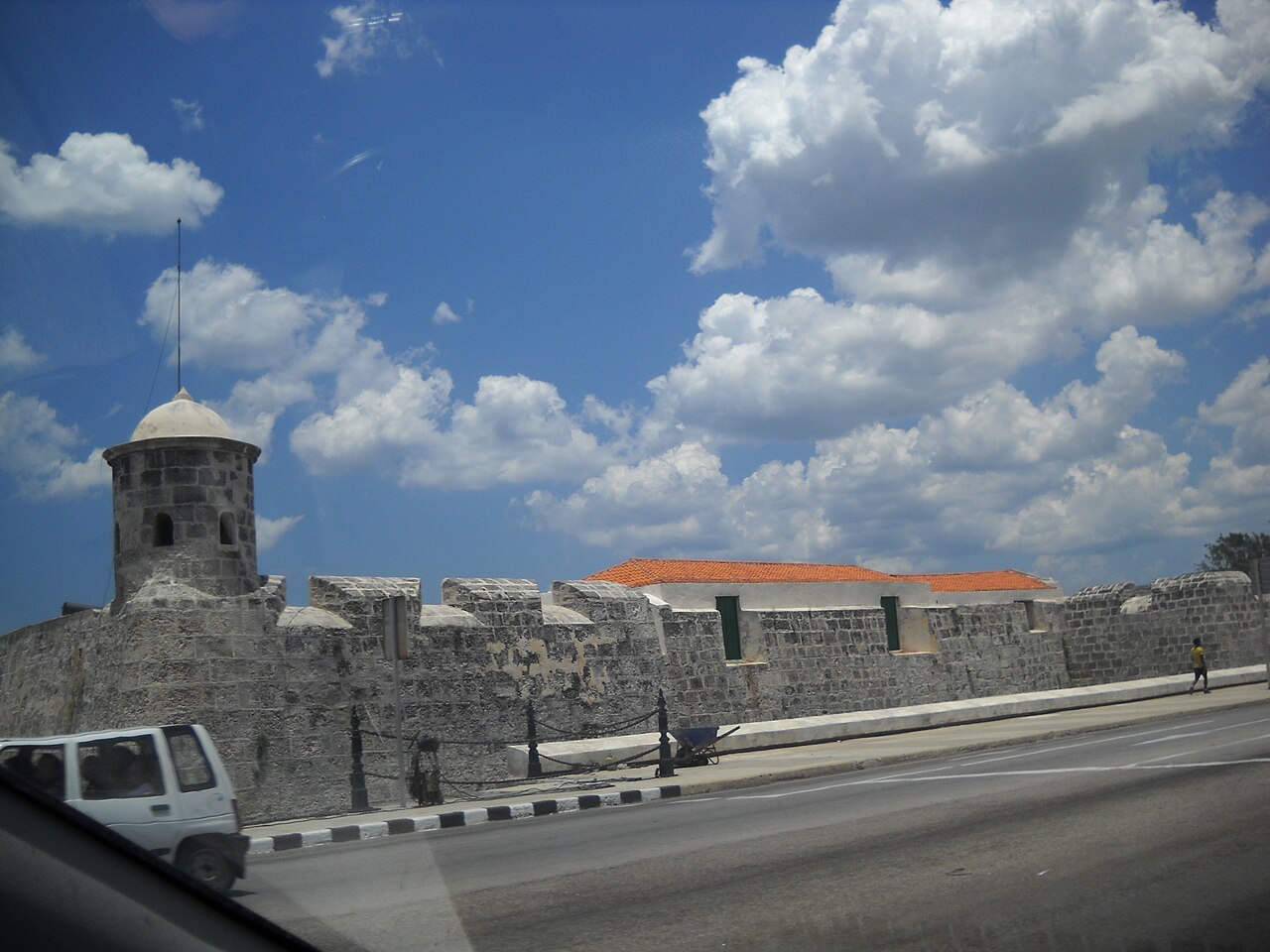
The walls of Castillo del Príncipe are notably thick, designed to absorb and deflect artillery bombardment. The bastions are connected by curtain walls with embrasures for cannons. The fort also features a moat and a drawbridge, enhancing its defensive capabilities by controlling access.
Role in Havana's defense and historical significance
Throughout its history, Castillo del Príncipe played a key role in the defense of Havana against various threats, including pirate raids and military assaults by rival European powers. Its strategic position complemented other fortifications in the city, such as the Castillo de la Real Fuerza and Castillo San Salvador de la Punta.
In addition to its military function, the castle was later used as a prison during the 19th and early 20th centuries, holding political prisoners and revolutionaries. This adds a layer of historical complexity to the site, reflecting Cuba's turbulent colonial and post-colonial history.
UNESCO World Heritage designation and preservation
In 1982, Castillo del Príncipe was included in the UNESCO World Heritage List as part of the historic center of Havana. This recognition highlights the fort's significance as a well-preserved example of Spanish colonial military architecture and its role in the broader history of European colonization in the Americas.
Today, the fortress remains well preserved and is a popular tourist attraction, offering visitors insight into Havana's colonial past and military heritage. Efforts have been made to maintain the structural integrity of the fort and to interpret its history through guided tours and exhibitions.
Visiting Castillo del Príncipe
Visitors to Castillo del Príncipe can explore its extensive defensive walls, bastions, and internal courtyards. The site provides panoramic views of Havana and the surrounding landscape from its elevated position. It is accessible to the public, often featuring guided tours that explain its architectural features and historical context.
The fort's location on a hill means that visitors should be prepared for some walking and uneven terrain. It is advisable to visit during daylight hours to fully appreciate the details of the fortress and its surroundings.
Frequently asked questions (FAQ)
- What is the historical significance of Castillo del Príncipe?
- Castillo del Príncipe was built in the 18th century to protect Havana from pirate attacks and invasions, playing a key role in the city's colonial defense system.
- Can I visit Castillo del Príncipe and what should I expect?
- Yes, Castillo del Príncipe is open to the public. Visitors can explore its bastions, walls, and courtyards while enjoying panoramic views of Havana from its hilltop location.
- When was Castillo del Príncipe constructed?
- The fortress was constructed in the 18th century during the post-Renaissance period as part of Spain's efforts to fortify Havana.
- What architectural style is Castillo del Príncipe built in?
- The castle is an example of post-Renaissance military architecture, featuring star fort design with angular bastions and thick stone walls.
- Why is Castillo del Príncipe a UNESCO World Heritage site?
- It is part of the historic center of Havana inscribed on the UNESCO World Heritage List in 1982, recognized for its colonial architecture and role in European conquest history.
Photo gallery

Photo by Unknown authorUnknown author•Public domain
Information
Current owner
State museum
Loading map...
Visitor reviews
No reviews yet. Been here? Write the first review and help other travelers!
Write the first reviewVisited this castle? Share your experience
Your review helps other travelers and adds first-hand knowledge to our encyclopedia.