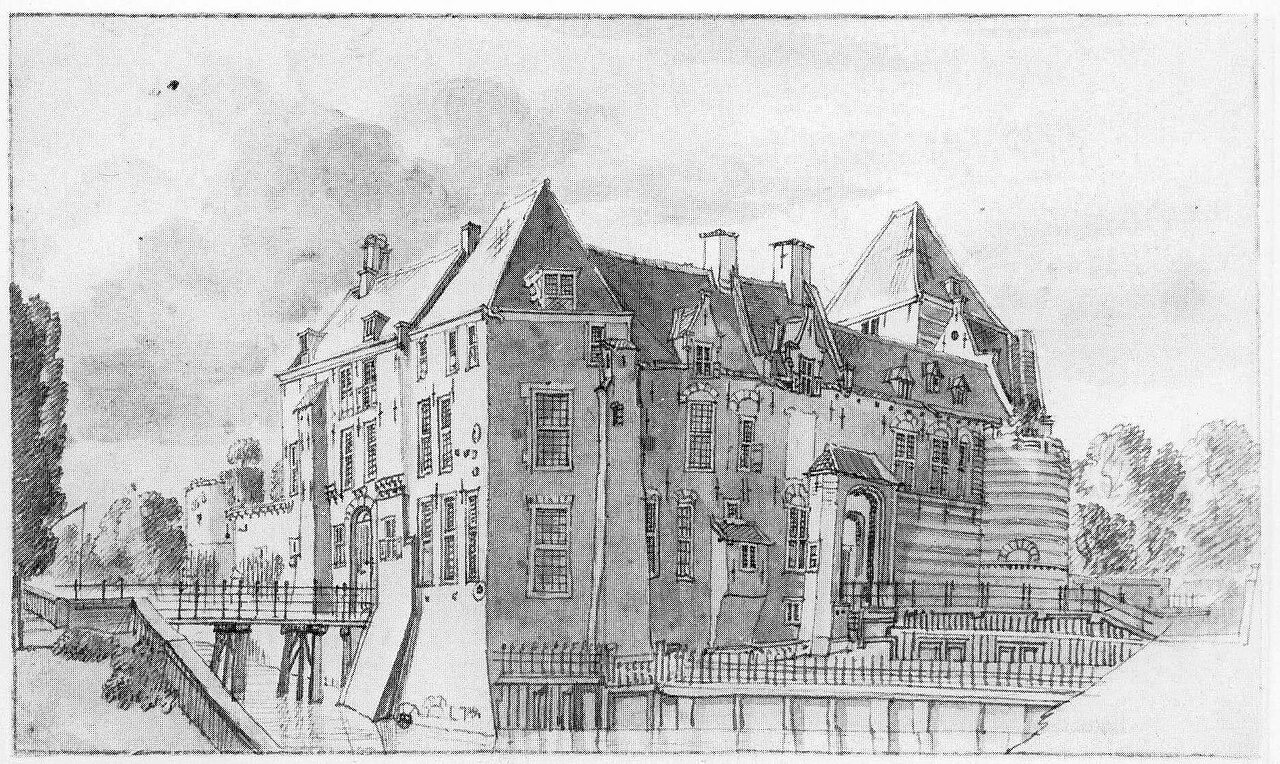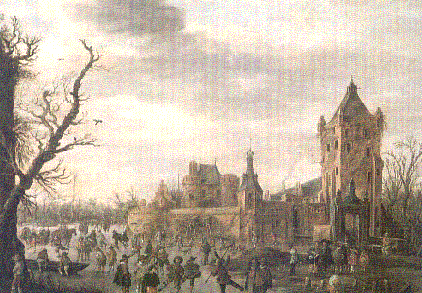
Castle Batenstein
Castle Batenstein, also known as Kasteel Batestein in Dutch, was a significant princely residence located in Vianen, a town that has been part of the province of Utrecht since 2002, having previously belonged to South Holland. This castle served as the principal seat of the noble Van Brederode family, one of the prominent aristocratic houses in the region. Its historical importance is closely tied to its role as a noble residence and its distinguished gardens and sculptures that once adorned the estate.
Historical background and significance
The origins of Castle Batenstein trace back to the medieval period, although exact construction dates remain unclear. The castle was strategically positioned as a hill castle, taking advantage of elevated terrain to provide defensive benefits typical of such fortifications. Over the centuries, it evolved from a medieval stronghold into a grand princely residence, reflecting the wealth and status of the Van Brederode family.
The Van Brederode family played a notable role in Dutch history, and their residence at Batenstein was a symbol of their influence. The castle's prominence increased during the Early Modern period, especially in the 17th century when the estate was renowned for its elaborate gardens and artistic sculptures, which were considered among the finest in the region.
Architectural features and estate layout
While Castle Batenstein no longer stands in its entirety, historical records and remaining elements provide insight into its architectural character. The castle was constructed as a hill castle, a style that utilizes natural elevation for defense. It likely featured typical medieval fortifications such as curtain walls, towers, and a gatehouse.
One of the most celebrated aspects of the castle was its extensive gardens, which were a hallmark of aristocratic estates in the Netherlands during the 17th century. These gardens were carefully designed with ornamental sculptures and water features, reflecting the Renaissance and Baroque influences in garden design prevalent at the time.
Today, only a few remnants survive: a 17th-century gate, parts of the castle walls, and a historic pump. These fragments hint at the castle's former grandeur and the sophistication of its landscaping.
The gardens and sculptures
The gardens of Castle Batenstein were especially famous for their artistic sculptures, which adorned the carefully planned landscape. These sculptures contributed to the cultural significance of the estate and showcased the artistic tastes of the Van Brederode family. The garden design likely incorporated symmetrical layouts, parterres, and water elements, consistent with Dutch garden traditions of the period.
Currently, a local foundation is dedicated to the partial reconstruction of these gardens, aiming to revive some of the estate's historical charm and provide visitors with insight into the castle's cultural heritage.
Demolition and current condition
Castle Batenstein was demolished in the 19th century, a fate common to many historic castles that lost their strategic or residential importance. The demolition led to the loss of most of the castle's structures, leaving only a few fragments surviving to the present day.
The remaining elements, including the gate from the 17th century, a pump, and some wall sections, are important historical artifacts that offer a glimpse into the castle's past. These ruins are protected and serve as a reminder of the estate's former status.
The site is currently maintained with efforts focusing on preservation and partial restoration, particularly of the gardens, to enhance public appreciation of the castle's historical and cultural significance.
Location and regional context
Castle Batenstein is situated in Vianen, which lies in the central Netherlands. The town's administrative alignment shifted from South Holland to Utrecht province in 2002, reflecting regional governance changes. Vianen itself is known for its rich history and other historic structures, making the castle site a point of interest for visitors exploring Dutch heritage.
Visiting and cultural heritage
Although the castle itself no longer stands, the site and the surviving features attract visitors interested in Dutch noble history and castle architecture. The local foundation's work on garden reconstruction provides an educational and cultural experience, highlighting the artistic and horticultural traditions of the 17th century.
Visitors can explore the remaining walls and gate, gaining insight into the castle's layout and the lifestyle of its noble inhabitants. The site contributes to the broader understanding of castle development and aristocratic residences in the Netherlands.
Frequently asked questions (FAQ)
- How do I get to Castle Batenstein?
- Castle Batenstein is located in Vianen, Netherlands, easily accessible by car and public transport. If you're traveling by train, the nearest station is Vianen, followed by a short bus ride or a pleasant walk to the castle.
- What is the historical significance of Castle Batenstein?
- Castle Batenstein dates back to the 14th century and played an important role in the region's defense during medieval times. Its architecture reflects the strategic military designs of the era, showcasing the rich history of Vianen and its surrounding areas.
- When was Castle Batenstein built?
- Construction of Castle Batenstein began in the late 1300s, with its initial purpose as a stronghold for local nobility. Over the centuries, it has undergone various renovations that highlight different architectural styles, making it a fascinating place for history enthusiasts.
- Can I visit Castle Batenstein year-round?
- Yes, Castle Batenstein is open to visitors throughout the year, although opening hours may vary by season. It’s advisable to check the official website for the most current visiting hours and any seasonal events that may be taking place.
- Why is Castle Batenstein popular among tourists?
- Castle Batenstein is popular for its stunning architecture and picturesque surroundings, making it a perfect spot for photography and leisurely walks. Additionally, its historical significance and well-preserved structure attract history lovers and families alike.
- Is it possible to host events at Castle Batenstein?
- Yes, Castle Batenstein offers facilities for hosting private events, including weddings, corporate gatherings, and cultural events. It’s recommended to contact the castle’s administration for details on availability and specific arrangements.
- What are the ticket prices for visiting Castle Batenstein?
- Ticket prices for Castle Batenstein are generally affordable, with discounts available for children, students, and seniors. Group rates may also apply, so it’s worth checking the official website for the latest pricing information before your visit.
- What are the best times to visit Castle Batenstein?
- The best times to visit Castle Batenstein are during the spring and summer months when the weather is pleasant and outdoor activities are plentiful. However, the castle also hosts special events during the fall and winter, attracting visitors year-round.
- Are there any nearby attractions to explore after visiting Castle Batenstein?
- Yes, after visiting Castle Batenstein, you can explore the charming town of Vianen, which offers quaint shops and cafés. Additionally, nearby attractions such as the scenic riverbanks and natural parks provide excellent opportunities for further exploration.
Photo gallery

Photo by Jan van Goyen•Public domain
Information
Loading map...
Visitor reviews
No reviews yet. Been here? Write the first review and help other travelers!
Write the first reviewVisited this castle? Share your experience
Your review helps other travelers and adds first-hand knowledge to our encyclopedia.