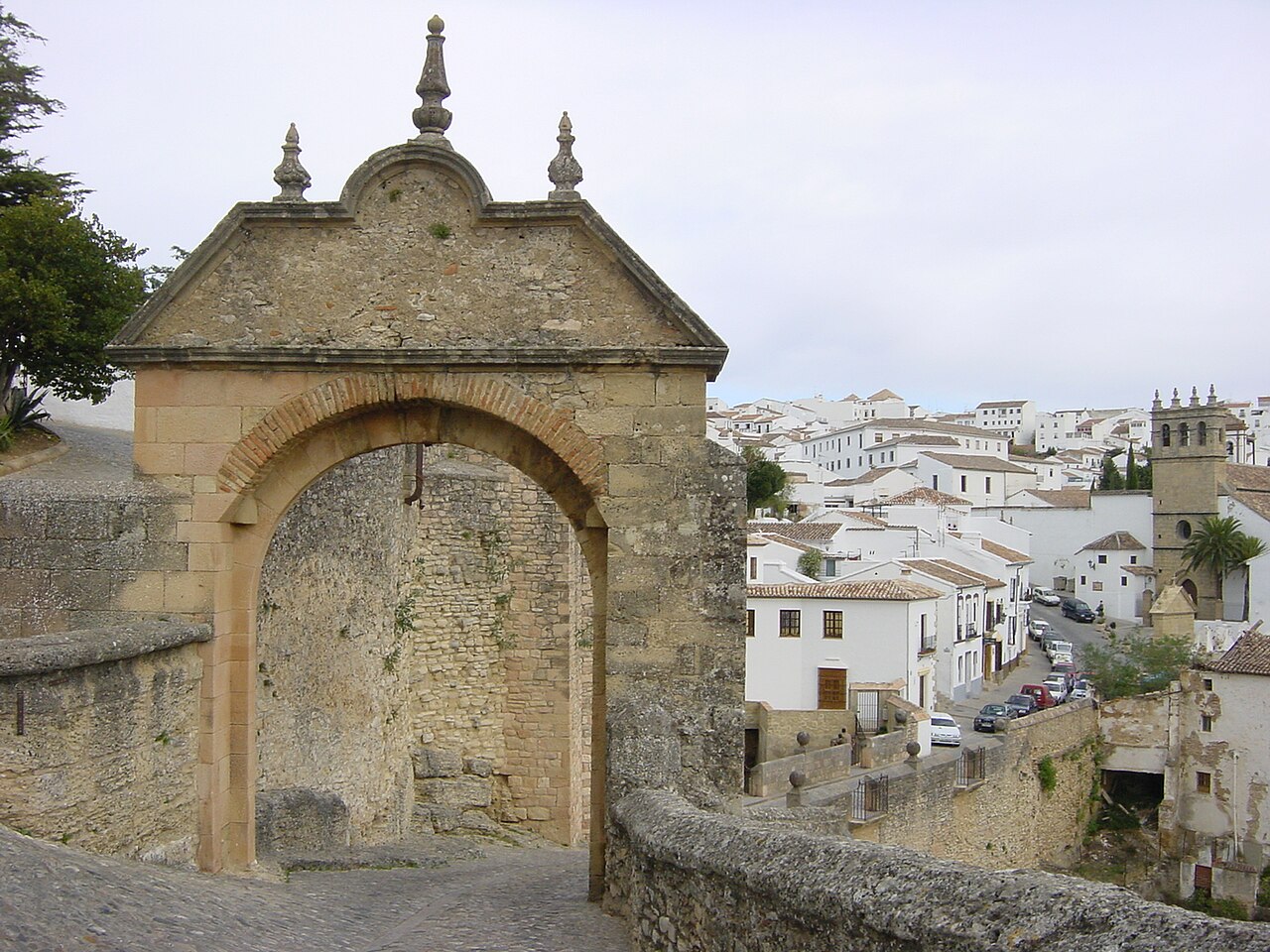
Castillo y Cementerio in Benadalid
The Castillo y Cementerio in Benadalid stands as a remarkable example of a medieval hill castle that has evolved over centuries from a strategic fortress into a communal cemetery. Located in the municipality of Benadalid, Spain, this fortress was originally constructed by Berber settlers following the early 8th century conquest of the region, specifically after the capture of the area by the Berber leader Zayde ibn Kesadi in 711. The fortress was part of a settlement known as Beni al-Jali or possibly Bina al Dalid, names that reflect the tribal origins or local leadership of the Berbers who established their presence in this part of southern Spain.
Historical significance and political context
From the 8th through the 15th centuries, the Castillo y Cementerio played a dynamic role in the shifting political and military landscape of Andalusia. It was a focal point during various Berber uprisings and was incorporated at different times into the kingdoms of Seville and Málaga. The fortress also came under the control of the Marinid dynasty, a Berber ruling family from North Africa that exerted influence over parts of southern Spain during the late medieval period. By 1286, the site was integrated into the Kingdom of Granada through a treaty, marking its importance as a frontier fortress in the last Muslim kingdom of the Iberian Peninsula.
The late 15th century brought profound changes with the conquest of the Kingdom of Granada by the Catholic Monarchs. On April 3, 1494, a royal decree awarded the villages of Benadalid and Benalauría to Gómez Suárez de Figueroa, the Count of Feria. The decree authorized the repair or construction of fortifications, although the existing Nasrid fortress was largely intact at that time. This transition marks the castle's passage from Muslim to Christian control, reflecting the broader Reconquista process that reshaped Spain's political and cultural map.
Architectural features and fortress layout
The fortress is strategically situated on a rocky hilltop characterized by steep cliffs, offering natural defense advantages. Its layout is nearly square with a trapezoidal shape, enclosed by stone masonry walls bound with lime mortar, showcasing durable medieval construction techniques typical of the period. The defensive perimeter includes three circular towers positioned at three corners of the fortress, providing vantage points for surveillance and defense. The southeast corner tower is missing, likely due to deterioration or dismantling over time.
Near the main entrance, which faces northwest, a square tower is attached to the curtain wall. Unlike the round towers designed primarily for defense, this square tower served a residential function, possibly accommodating living quarters or administrative spaces within the fortress. This architectural distinction highlights the multifunctional nature of the castle, blending military and domestic uses.
The principal gateway is a notable feature, adorned with coats of arms and an inscription dated 1635 from the reign of King Philip IV. This suggests that the fortress underwent maintenance or enhancements during the early modern period, reflecting continued strategic or symbolic importance long after its initial construction.
Interior adaptations and cemetery transformation
Within the fortress, the courtyard contains a central cistern (aljibe), an essential water reservoir designed to sustain occupants during sieges or droughts. This feature underscores the castle's original defensive purpose and its capacity for prolonged habitation under duress.
In the 19th century, the fortress experienced a dramatic functional shift when the town council took control in 1821 to convert the enclosure into the municipal cemetery. This new role has continued uninterrupted, making the site a place of communal memory and reverence. Graves are dug directly into the earth of the courtyard, supplemented by rows of burial niches and vaulted tombs constructed against the fortress walls. These tombs vary in style and materials, reflecting incremental additions over time, including some incorporating more recent construction elements.
The courtyard also features a lamppost at its center, while the main esplanade near the entrance serves as a sunlit terrace and viewpoint heavily used by local residents. This esplanade has been modernized with ceramic tile paving, leveling, railings, and benches, blending historical preservation with contemporary community use. A monument carved from reused ashlar stones links the site's historical tradition with ongoing commemorative efforts. The presence of exposed brickwork in this area adds to the layered historical character visible in the fortress remains.
Preservation and cultural heritage
Today, the Castillo y Cementerio remains a well-preserved hill castle that encapsulates a rich historical narrative spanning from the early medieval Berber period through the Nasrid era and into the early modern Spanish monarchy. Its adaptation into a cemetery exemplifies how historical sites can acquire new meanings and functions while preserving their architectural and cultural significance.
The fortress’s robust stone walls, surviving towers, and distinctive gateway provide valuable insights into the military architecture of the region. The integration of burial spaces within the defensive enclosure offers a unique example of adaptive reuse, reflecting the community's respect for its heritage and the continuity of place over centuries.
Frequently asked questions (FAQ)
- How do I visit Castillo y Cementerio in Benadalid?
- The Castillo y Cementerio is accessible to the public in Benadalid, Andalusia. Visitors can explore the fortress and cemetery area, which serves as a community space. It is advisable to check local tourist information for opening hours and any guided tours.
- What is the historical significance of Castillo y Cementerio?
- The fortress was originally built by Berber settlers in the early 8th century and played a key role in the region's political and military history through the medieval period. It later became part of the Kingdom of Granada and was adapted into a cemetery in the 19th century.
- Can I see original architectural features at Castillo y Cementerio?
- Yes, visitors can observe the fortress's stone masonry walls, circular and square towers, the main gateway with a 1635 inscription, and the central cistern. These features showcase medieval construction and later modifications.
- Is Castillo y Cementerio wheelchair accessible?
- Due to its hilltop location and historic structure, accessibility may be limited for wheelchair users. Visitors with mobility concerns should inquire locally about access options and assistance.
- When is the best time to visit Castillo y Cementerio?
- The best time to visit is during the spring and autumn months when the weather in Andalusia is mild and pleasant for outdoor exploration of the hilltop fortress and cemetery.
Information
Current owner
Municipality
Loading map...
Visitor reviews
No reviews yet. Been here? Write the first review and help other travelers!
Write the first reviewVisited this castle? Share your experience
Your review helps other travelers and adds first-hand knowledge to our encyclopedia.