Castillo Vacar
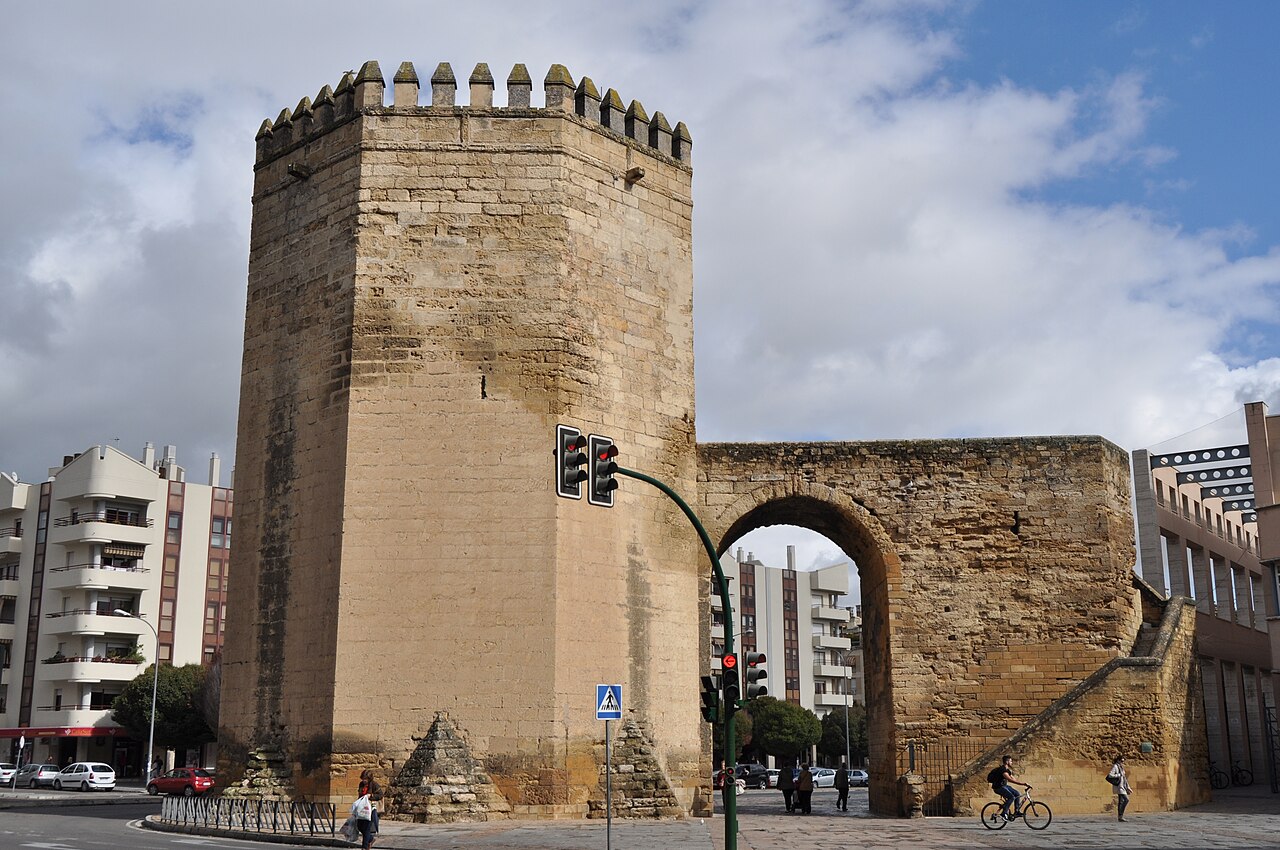
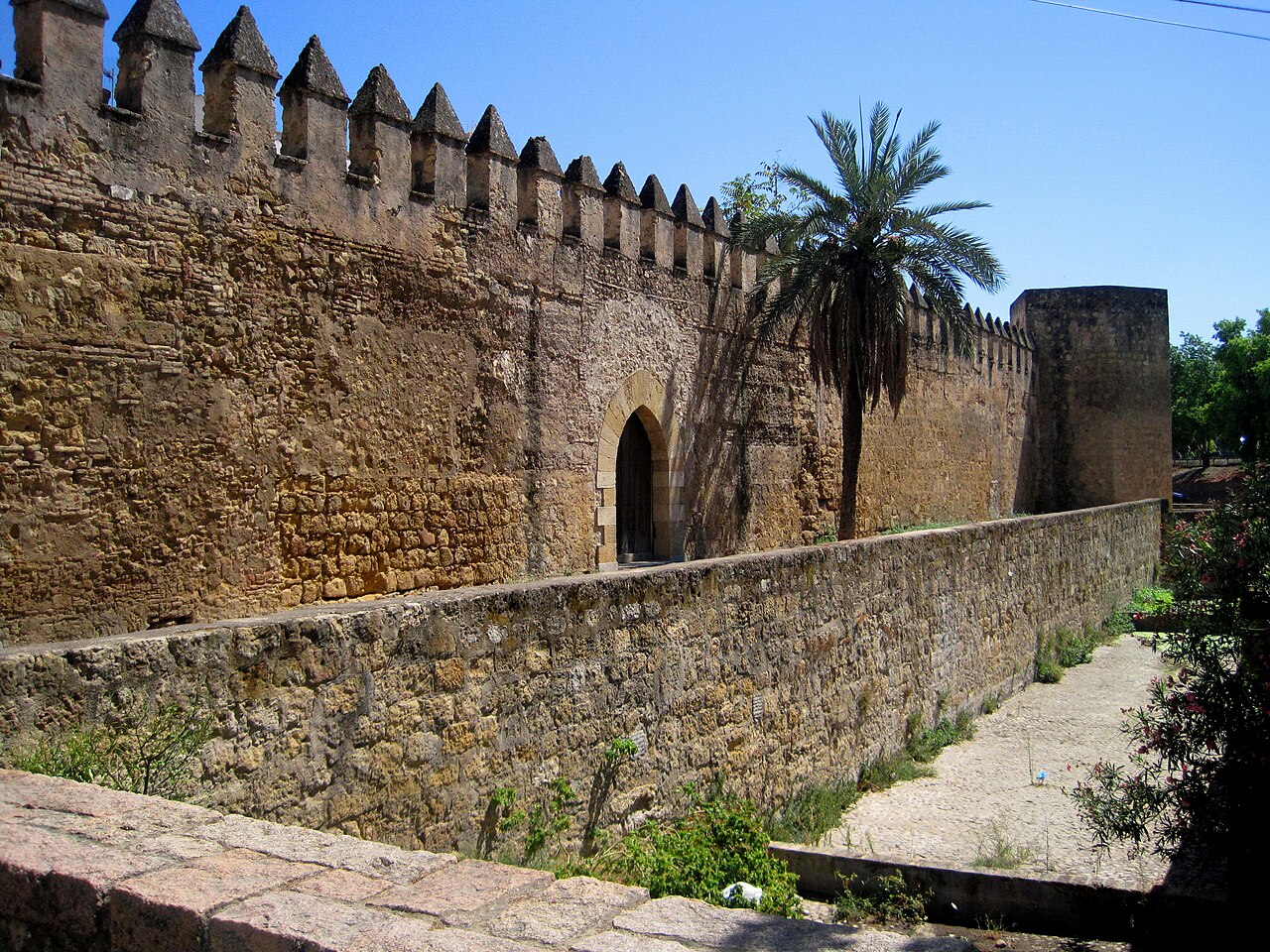
Castillo Vacar is a medieval fortress located in the municipality of Espiel, within the Sierra Morena mountain range in southern Spain. This hill castle occupies a commanding position approximately 600 meters above sea level, overlooking the Guadiato River valley and surrounding terrain, which provided strategic military advantages throughout its history. Constructed primarily during the Caliphal era of Al-Andalus, the castle represents an important example of Islamic military architecture from the 10th century, with significant historical associations spanning several centuries.
The origins and historical context
The origins of Castillo Vacar are traced to the Caliphal period of Al-Andalus, likely built under the reign of Caliph al-Hakam II in the 10th century or possibly earlier. This period marked a phase of political consolidation and architectural development in the region, with fortifications erected to control key strategic points such as the Sierra Morena range. Early scholarship once suggested a later construction date postdating the Caliphate, but current consensus supports its establishment within this earlier timeframe.
The castle played a role in the complex military and political struggles of the era, including events around the year 1010 during a succession crisis involving Hisham II. At this time, Muhammad al-Mahdí, grandson of Abd-ar-Rahman III, reclaimed the throne from a Berber rebellion led by Sulayman al-Mustain. The campaign featured alliances with Christian forces from Catalonia, including troops under Count Ramon Borrell and Ermengol I of Urgell, who supported Muhammad al-Mahdí. Castillo Vacar was part of the military landscape during these confrontations, likely serving as a defensive stronghold.
In the mid-19th century, chronicler Ramírez de las Casas-Deza recorded that Isen II of Córdoba sought sanctuary at Castillo Vacar after losing his rule. This account is debated, with some historians suggesting Isen II may have instead taken refuge within Córdoba itself.
Later, in October 1134, the fortress was the site of a battle during the Almoravid rule. A surprise Christian raid inflicted heavy losses on the defenders, forcing many Muslim soldiers to flee. This engagement reflects the ongoing Christian-Muslim conflict for control over the region during the early 12th century.
Throughout its active history, Castillo Vacar functioned as a crucial military facility within the frontier zone of Al-Andalus, witnessing shifts in power, sieges, and alliances that shaped the medieval history of southern Spain.
Architectural features and construction techniques
Castillo Vacar is characterized by a quadrilateral polygonal layout, with walls ranging between approximately 49 and 65 meters in length, enclosing an interior space of just over 3,100 square meters. This compact design allowed effective control over the surrounding landscape.
The fortress walls are constructed using rammed earth (tapia), a traditional building technique involving compacting earth mixed with lime mortar, sand, gravel, and crushed ceramics within wooden molds. The resulting walls measure about 1.7 meters thick and rise over five and a half meters high, with foundations extending 60 centimeters outward to stabilize the structure on uneven terrain.
Large cubic towers reinforce the walls at the corners and along the sides, typically about 3.8 meters on each side. These towers project outward at the angles, providing structural strength and defense. Except for the southeast corner, where ground conditions vary, the towers rest on level ground.
Defensive features include loopholes on the northern sections of the east and west walls. Each side contains four narrow openings, measuring 60 by 80 centimeters, placed low to the ground to allow archers or defenders to observe and fire upon attackers while minimizing exposure.
The exterior walls were coated with a layer of lime plaster painted in ochre with broad white stripes approximately two meters wide. This decorative scheme imitates ashlar masonry and is characteristic of Caliphal architecture, seen in other significant sites such as the city walls of Córdoba and the palatial complex of Madīnat al-Zahrā.
The main entrance is located on the south side of the west wall. Although the original lintel or arch is no longer extant, behind the doorway along the south wall is a robust reinforcement wall about seven meters long and over one meter wide. This likely corresponds to the remains of an original access ramp or staircase, partially removed in later periods.
Internally, the castle's design facilitated rapid deployment of guards to vulnerable sections, particularly the east and south walls. This is reflected in the absence of loopholes on these walls, minimizing openings that attackers could exploit, while allowing defenders to move quickly after entry.
Strategic significance and military role
Located on a high vantage point in the Sierra Morena, Castillo Vacar commanded views over the Guadiato River valley and surrounding routes, making it a key defensive position controlling access through the region. Its role was to monitor and defend against incursions, particularly during the turbulent periods of Christian-Muslim conflict in medieval Spain.
The castle's military importance is underscored by its involvement in notable historical events, such as the 1010 succession crisis and the 1134 Almoravid battle. Its fortifications were designed to withstand sieges and raids, with thick walls, strategically placed towers, and controlled entry points enhancing its defensive capabilities.
Throughout the Middle Ages, Castillo Vacar remained a frontier fortress within the shifting borders of Al-Andalus, reflecting the broader geopolitical struggles between Muslim and Christian powers on the Iberian Peninsula.
Preservation and current state
Today, Castillo Vacar survives as a well-preserved example of Caliphal military architecture. Many of its structural elements, including the rammed earth walls, towers, and defensive features, remain intact and accessible for study and visitation.
The site offers valuable insights into medieval fortress construction techniques and the historical context of Muslim rule in southern Spain. Its preservation allows visitors to appreciate the strategic and architectural sophistication of the period.
Efforts to maintain and protect the castle contribute to its status as an important cultural and historical landmark within the region. The castle's location and features continue to attract historians, archaeologists, and tourists interested in Spain's medieval heritage.
Visiting information and cultural significance
Castillo Vacar is accessible to visitors interested in exploring medieval military architecture and the history of Al-Andalus. Its position in the Sierra Morena provides scenic views and a tangible connection to the region's past.
The castle's historical significance as a Caliphal fortress and its role in key military events make it a noteworthy destination for those studying Islamic influence in Spain and the complex interactions between Christian and Muslim kingdoms during the Middle Ages.
Visitors should prepare for a hillside ascent to reach the site, and it is advisable to check local access conditions and opening times before planning a visit, as these can vary.
Frequently asked questions (FAQ)
- How do I get to Castillo Vacar?
- Castillo Vacar is located near the town of Espiel in Andalusia, Spain. Visitors can reach the site by car or local transport, followed by a hike up the Sierra Morena hills to the castle.
- What is the historical significance of Castillo Vacar?
- Castillo Vacar is a 10th-century Muslim fortress that played a key role in the military conflicts of Al-Andalus, including the 1010 succession crisis and 12th-century Christian-Muslim battles.
- Is Castillo Vacar accessible to visitors?
- Yes, Castillo Vacar is accessible to visitors, though the site involves a hillside ascent. It offers well-preserved walls and towers that provide insight into medieval Islamic military architecture.
- When is the best time to visit Castillo Vacar?
- The best time to visit Castillo Vacar is during the spring and autumn months when the weather is mild, making the hike and exploration more comfortable.
- Are there any entrance fees to Castillo Vacar?
- Currently, there are no official entrance fees to visit Castillo Vacar, but visitors should check local information for any updates on ticketing or guided tours.
Information
Loading map...
Visitor reviews
No reviews yet. Been here? Write the first review and help other travelers!
Write the first reviewVisited this castle? Share your experience
Your review helps other travelers and adds first-hand knowledge to our encyclopedia.