Castillo de Santa Ana
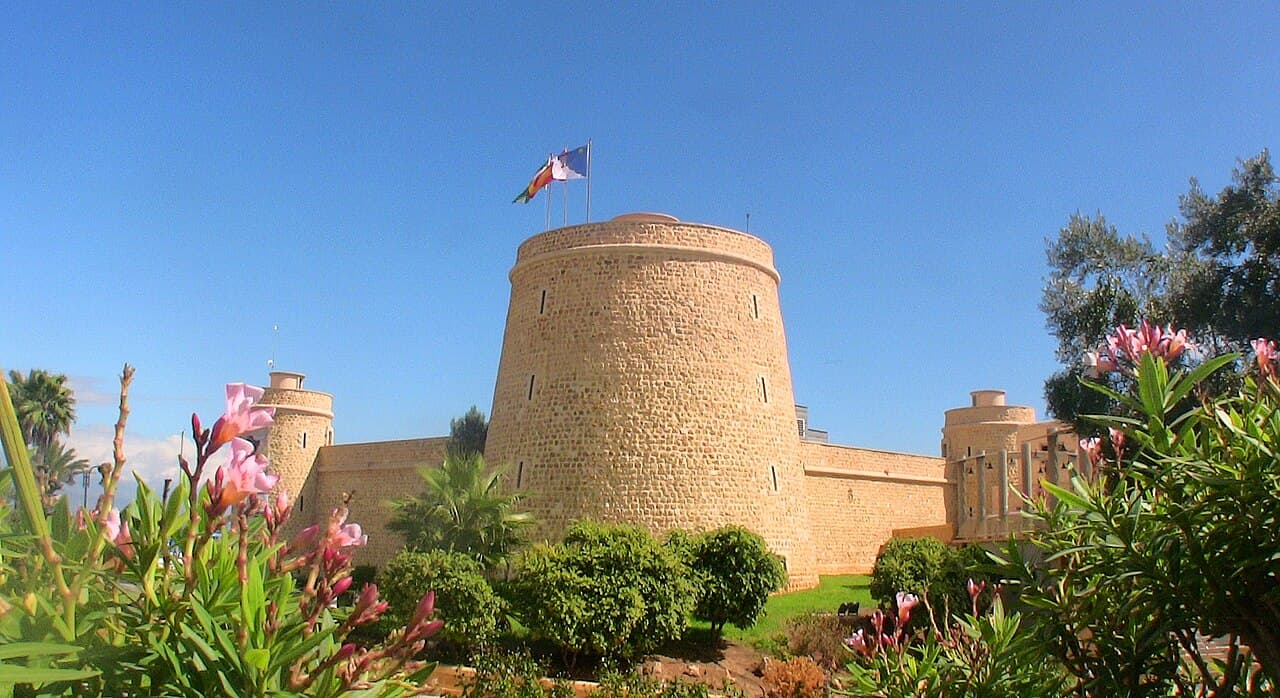
The Castillo de Santa Ana, also known historically as Castillo de Las Roquetas, is a notable Renaissance fortification located in Roquetas de Mar, a coastal town in the province of Almería, Spain. Constructed during the 16th century and extending into the early 17th century, this castle was primarily built to serve as a refuge for the local inhabitants living near the port. Its strategic location on a slight elevation classifies it as a hill castle, designed to oversee and protect the surrounding maritime and urban areas.
Architectural features and design
The castle exhibits an oblong layout, a shape chosen to maximize defensive capabilities while adapting to the terrain. The structure originally included multiple towers and defensive walls, typical of Renaissance military architecture which combined functionality with the evolving art of fortification. The castle’s walls were constructed using local stone and mortar, providing a robust defense against both naval and land-based threats.
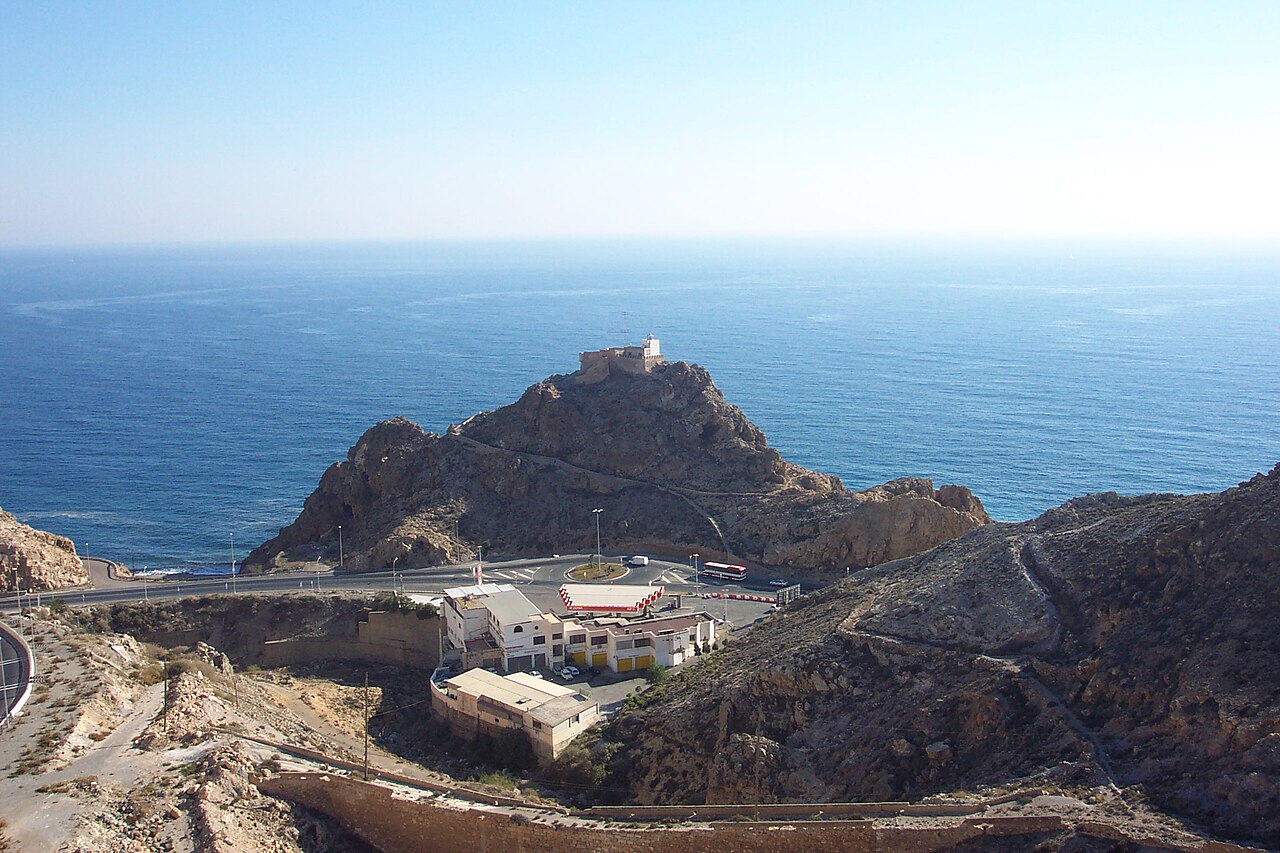
Adjacent to the castle stands a lighthouse, which, while not part of the original fortification, highlights the continued maritime significance of the site. The castle's elevated platform and remaining tower allow visitors to appreciate the commanding views of the Mediterranean coast and the town below.
Historical context and significance
The 16th and 17th centuries were a period of frequent pirate raids and military conflicts along the Spanish Mediterranean coast. The construction of the Castillo de Santa Ana was part of a broader defensive strategy implemented by the Spanish Crown to protect coastal towns and their inhabitants from such threats. The castle served as a refuge where locals could seek shelter during attacks, underscoring its role not only as a military installation but also as a community stronghold.
Throughout its history, the castle witnessed various episodes of conflict and change, reflecting the turbulent times of early modern Spain. Its position near the port made it a critical point for controlling maritime access and safeguarding trade routes.
Damage and restoration efforts
In 1804, a powerful earthquake struck the Almería region, causing significant damage to the Castillo de Santa Ana. The seismic event destroyed most of the castle's original structure, leaving only one tower and the elevated platform intact. These surviving elements have been carefully conserved and restored over time to preserve the castle's historical legacy.
Modern restoration efforts have focused on stabilizing the remaining structures and adapting the site for cultural use, ensuring that the castle remains a visible and accessible monument within the urban landscape of Roquetas de Mar.
Current use and cultural role
Today, the Castillo de Santa Ana functions as a cultural venue hosting a variety of events including photography and art exhibitions, concerts, and public speeches. This adaptive reuse has helped maintain the castle’s relevance in contemporary society while promoting local culture and heritage.
Notably, on 23 January 2014, the castle was the site of a tribute organized by the Ayuntamiento de Almería to honor the poet Julio Alfredo Egea. The event featured participation from prominent writers such as Pilar Quirosa and included readings about important political figures like José Antonio Santano and Miguel Ángel Blanco, highlighting the castle’s role as a hub for literary and cultural expression.
Visiting the castle
Visitors to the Castillo de Santa Ana can explore the preserved tower and the raised platform, which provide insight into the castle’s original defensive features. The site’s location offers panoramic views of the Mediterranean Sea and the town of Roquetas de Mar, making it a popular spot for photography and sightseeing.
The castle’s use as an exhibition and event space means that visitors can often experience a blend of historical ambiance and contemporary cultural activities. This unique combination enriches the visitor experience and connects the past with the present community life.
Frequently asked questions (FAQ)
- What is the historical significance of Castillo de Santa Ana?
- Castillo de Santa Ana was built in the 16th century as a refuge for inhabitants near the port of Roquetas de Mar, playing a key role in coastal defense during the Renaissance period.
- When was Castillo de Santa Ana built?
- The castle was constructed between the 16th and early 17th centuries, reflecting Renaissance military architecture.
- What remains of Castillo de Santa Ana today?
- After the 1804 earthquake, only one tower and the raised platform survived. These parts have been conserved and restored for cultural use.
- Can I visit Castillo de Santa Ana and what can I see?
- Yes, visitors can explore the preserved tower and platform, enjoy panoramic views, and attend art exhibitions and cultural events hosted at the castle.
- Why is there a lighthouse near the castle?
- The lighthouse near Castillo de Santa Ana marks the continued maritime importance of the site, although it was not part of the original fortification.
Photo gallery

Information
Loading map...
Visitor reviews
No reviews yet. Been here? Write the first review and help other travelers!
Write the first reviewVisited this castle? Share your experience
Your review helps other travelers and adds first-hand knowledge to our encyclopedia.