Castillo de Mata
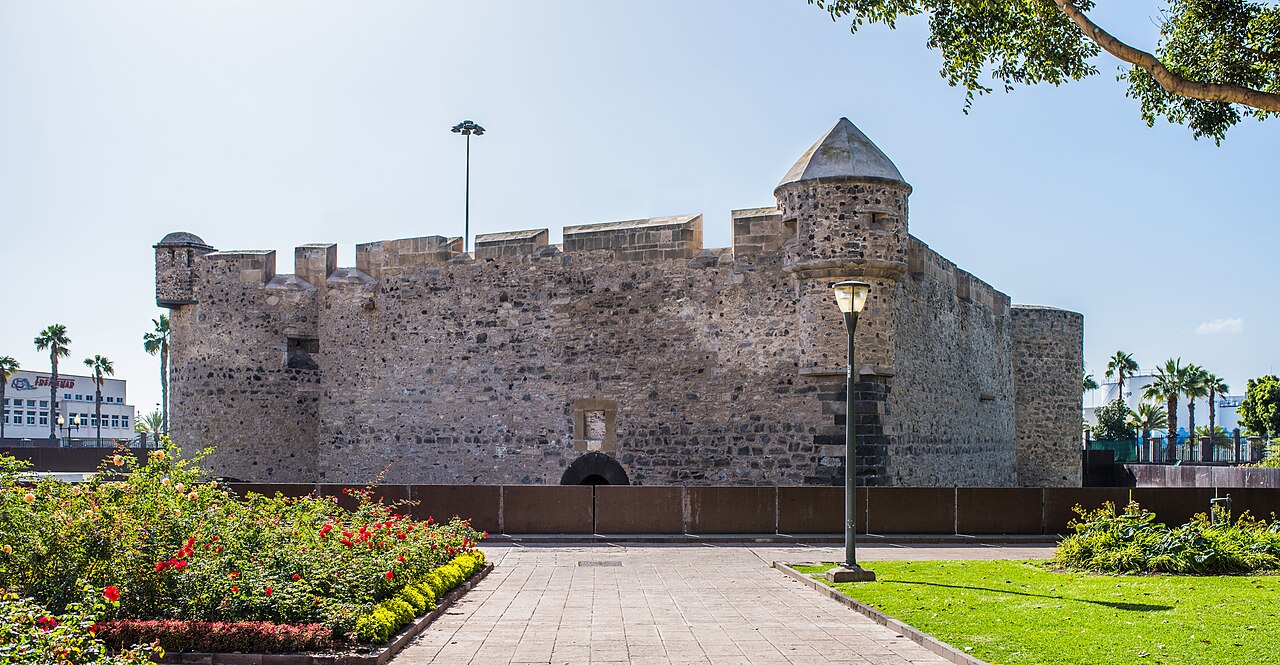
The Castillo de Mata stands as a significant historic fortress located in Las Palmas de Gran Canaria, Spain. Originally constructed in 1577 by the engineer Juan Alonso Rubián, the castle began as a round tower positioned strategically at the terminus of the city’s defensive walls. This initial fortification was part of an extensive effort to protect the city from naval attacks, reflecting the military concerns of the late 16th century in the Canary Islands, a crucial maritime hub.
In 1599, the fortress suffered damage during an assault by a Dutch fleet led by Pieter van der Does. The attack marked a pivotal moment in the castle's history, prompting significant reconstruction overseen by Francisco de la Rúa. The fortress was renamed Castillo de Casa Mata, highlighting its transformation into a casemate-style fortification. This architectural style is characterized by fortified gun emplacements integrated within the curtain walls, allowing defenders to mount artillery while maintaining protection. This adaptation enhanced the castle’s role in guarding the city against maritime threats.
Architectural evolution and defensive features
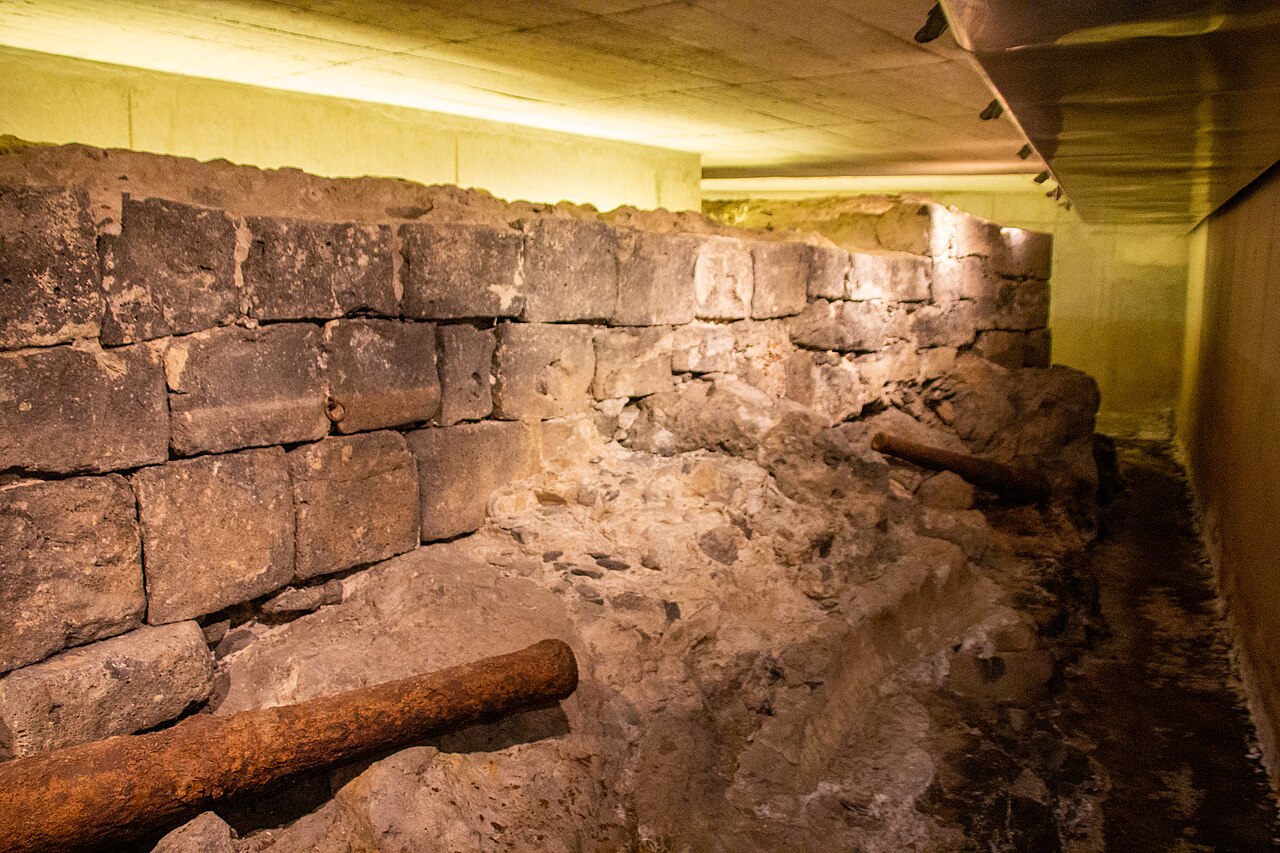
The Castillo de Mata exhibits a defensive layout adapted to its position along the city walls. Its original round tower design was later expanded into a complex casemate fortification, combining artillery platforms with infantry defensive positions. Archaeological excavations have uncovered the remains of the original cubelo, a small rounded bastion typical of early fortress designs, which was restored as part of the modern museum project.
By the late 18th century, the fortress underwent significant renovations to improve its military effectiveness. In 1780, the parapets were rebuilt to include loopholes—narrow vertical slits allowing soldiers to fire muskets or rifles while remaining protected. These parapets were also raised to permit enfilade fire, enabling defenders to fire along the length of attacking forces approaching the walls. Additional enhancements included new stairways facilitating communication between different levels, modernized powder magazines for safe gunpowder storage, and upgraded guard quarters constructed from stone and mud.
The fortress was historically armed with up to nine cannons and provisioned to hold two to three artillery pieces simultaneously. Its location near the Plaza de Nuestra Señora del Pino reflects its connection to local religious traditions, notably the ceremonial reception of the Virgin of the Pine, a revered figure whose visits to Las Palmas are marked by official welcomes at the castle.
Military significance and later use
Throughout its history, the Castillo de Mata remained an active military site. Spanish artillery troops occupied the fortress until 1976, after which it was transferred to the Spanish Legion. The Legion used the castle as a support base until 1997, underscoring the fortress’s continued strategic relevance well into the modern era.
The castle’s military role was complemented by its cultural importance. It was declared a Historic-Artistic Monument on April 22, 1949, granting it legal protection under Spanish heritage laws, including the regulations established in 1985. This status has helped preserve the fortress as a symbol of Las Palmas’s maritime and defensive history.
Archaeological discoveries and museum development
In 2002, archaeological investigations revealed remnants of the original cubelo, providing valuable insights into the castle’s early construction phases. These findings led to restoration efforts that preserved this important feature, making it accessible to visitors as part of the castle museum.
The museum, opened in 2015, focuses on the history of the Castillo de Mata and its role in the maritime development of Las Palmas. It showcases the fortress’s architectural evolution, military functions, and cultural significance, offering visitors a comprehensive understanding of the site’s importance over several centuries.
Preservation and current status
Today, the Castillo de Mata is largely well preserved, with many original structures maintained or restored following archaeological study. Its combination of early defensive elements and later modifications illustrates the castle’s evolving role in the defense of Las Palmas. The site serves both as a museum and a historical monument, attracting visitors interested in military architecture, Spanish colonial history, and the maritime heritage of the Canary Islands.
The fortress’s strategic hilltop location offers panoramic views of the surrounding city and coastline, emphasizing its original purpose as a lookout and defensive stronghold. Its robust walls, artillery placements, and protective parapets remain tangible reminders of the military challenges faced by Las Palmas over the centuries.
Frequently asked questions (FAQ)
- How do I get to Castillo de Mata in Las Palmas?
- Castillo de Mata is located near the Plaza de Nuestra Señora del Pino in Las Palmas de Gran Canaria. It is accessible by local bus routes and taxis from the city center, with clear signage directing visitors to the fortress.
- What are the opening hours and ticket prices for Castillo de Mata?
- The castle is open daily from 10:00 to 18:00. Ticket prices are €4 for adults and €2 for children, making it an affordable cultural visit.
- What architectural styles are represented in Castillo de Mata?
- The fortress features a mixed architectural style, combining elements from its original late 16th-century round tower design with later casemate fortifications and 18th-century defensive renovations.
- Can I explore the interior of Castillo de Mata?
- Yes, visitors can explore the interior, including restored gun emplacements, powder magazines, guard quarters, and the original cubelo. The museum provides informative displays about the castle’s history and military significance.
- Why is Castillo de Mata historically important?
- Castillo de Mata played a key role in defending Las Palmas against naval attacks, notably during the Dutch assault of 1599. Its long military use, architectural evolution, and cultural ties to the city highlight its historical importance.
Information
Opening hours
10:00-18:00, daily
Ticket prices
€4 adult, €2 child
Current owner
Municipality
Website
Visit websiteSources & official resources
Verify the information above using these authoritative references.
Loading map...
Visitor reviews
No reviews yet. Been here? Write the first review and help other travelers!
Write the first reviewVisited this castle? Share your experience
Your review helps other travelers and adds first-hand knowledge to our encyclopedia.