Castillo de la Luz
The Castillo de la Luz stands as a significant 16th-century Renaissance fortress located in Las Palmas de Gran Canaria, Spain. Originally established as a wooden fort in 1478 during the conquest of Gran Canaria by Captain Juan Rejón, it represents the early efforts of the Crown of Castile to secure its newly acquired territories. The transition from a temporary wooden structure to a permanent stone fortress began under the direction of Alonso Fajardo, the third governor of Gran Canaria, who in 1494 ordered the construction of the stone castle that would become the Castillo de la Luz.
Early construction and strategic importance
The fortress was developed incrementally, with a notable addition of a perimeter bastion around 1515 to enhance its defensive capabilities. Further enlargement in 1553 reflected ongoing concerns about pirate raids and military threats, common in the Atlantic during the Renaissance period. The castle's strategic position on a reef made it a crucial point of defense for the harbor of Las Palmas, originally isolated by high tide, which enhanced its natural defenses.
Military engagements and resilience
Throughout the late 16th century, the Castillo de la Luz played a pivotal role in defending Las Palmas against seaborne attacks. Armed with eleven cannons, it successfully resisted an assault in 1595 led by the English privateer Francis Drake. However, in 1599, the fortress was captured, looted, and burned by a Dutch fleet under Pieter van der Does. The damage was significant, but restoration efforts commenced promptly in 1601, underscoring the castle's importance in the island's defense system.
Architectural features and layout
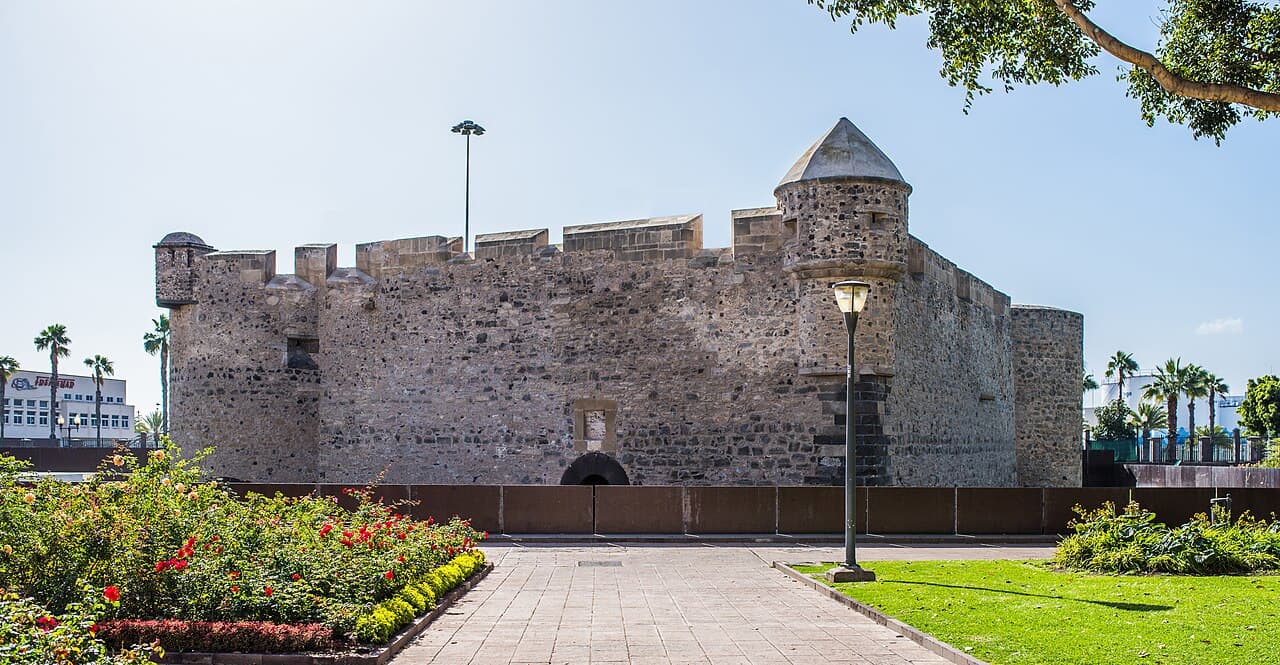
The castle's design follows a square plan, incorporating two rounded towers at the northeast and southwest corners, and a distinctive sentry box (garita) at the northwest corner. These elements provided lookout and defensive positions essential for monitoring approaching threats. The main entrance features a semicircular arched doorway, characteristic of Renaissance military architecture.
The fortress is constructed primarily from ashlar stone blocks, contributing to its robust and durable structure. Inside, the castle is organized over three levels, including a central courtyard and an essential water cistern (aljibe) used for storing fresh water during sieges. Defensive features such as a drawbridge and an exterior moat were added in the 16th century to improve protection against land and sea attacks.
Restoration and archaeological findings
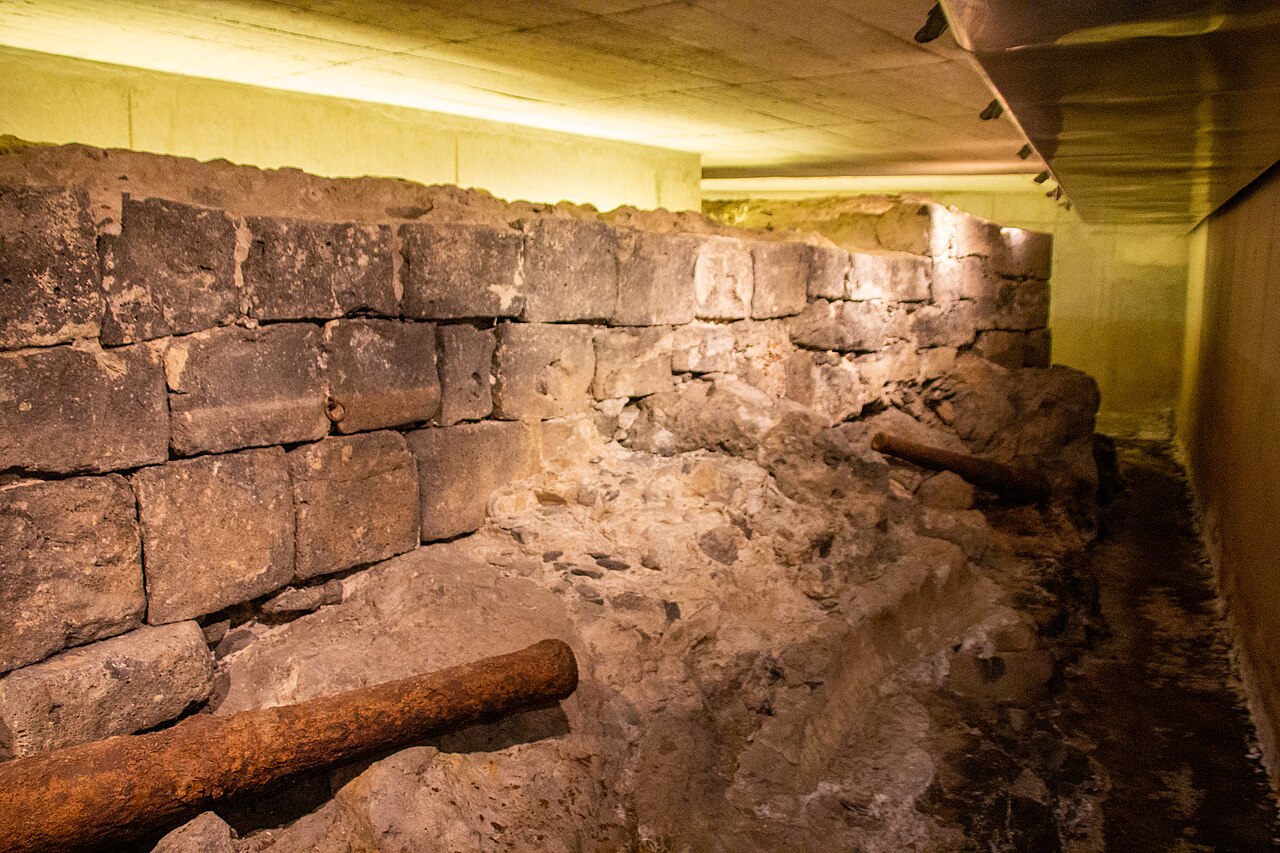
Restoration projects in the late 20th and early 21st centuries have focused on preserving the castle's original late 15th-century core and the expansions made in 1553. These efforts involved removing later modifications to restore the fortress's historical character. Archaeological investigations during renovations uncovered earlier construction phases and artifacts, enriching knowledge of the castle's evolution and the broader history of Gran Canaria.
Cultural significance and modern use
After its military use ended in the 19th century, the Castillo de la Luz experienced periods of neglect before being declared a historic monument in 1941. Significant restoration took place between 1969 and 1972, and again in 1990. A major renovation project began in 2001, led by Nieto Sobejano Arquitectos, aiming to restore the fortress and adapt it for cultural purposes.
Despite delays due to archaeological discoveries and other challenges, the castle reopened in 2014 as a cultural venue dedicated to maritime history and art. It now hosts exhibitions by the local sculptor Martín Chirino and serves as the headquarters of the Fundación Martín Chirino de Arte y Pensamiento. This adaptive reuse highlights the castle's transition from a military bastion to a center of cultural heritage and artistic expression.
The castle within las palmas’ defensive network
The Castillo de la Luz was part of a broader network of fortifications protecting Las Palmas, alongside the Castillo de Mata and Castillo de San Cristóbal. Together, these fortresses formed a comprehensive defense system safeguarding the city and its harbor from pirate raids and foreign invasions during the Renaissance and beyond.
Urban expansion has since moved the castle inland by over 150 meters from the original coastline, yet its historical role remains a key chapter in the military and cultural history of Gran Canaria.
Frequently asked questions (FAQ)
- When was Castillo de la Luz originally built and by whom?
- The original wooden fort was established in 1478 by Castilian authorities during the conquest of Gran Canaria, with the stone fortress construction ordered in 1494 by Governor Alonso Fajardo.
- What are the main architectural features of Castillo de la Luz?
- The castle features a square plan with two rounded towers, a sentry box, a semicircular arched entrance, an exterior moat, and a drawbridge, built primarily from ashlar stone blocks.
- What historical events involved Castillo de la Luz?
- The fortress played a key defensive role during the 16th century, resisting an attack by Francis Drake in 1595 and being captured and burned by a Dutch fleet in 1599.
- How has Castillo de la Luz been used in modern times?
- Since its restoration and reopening in 2014, the castle serves as a cultural venue hosting maritime history and art exhibitions, including those by Martín Chirino.
- Is Castillo de la Luz accessible to visitors today?
- Yes, the castle is open to the public as a cultural site, though specific visiting hours and ticket prices may vary and should be checked in advance.
Photo gallery

Information
Website
Visit websiteSources & official resources
Verify the information above using these authoritative references.
Loading map...
Visitor reviews
No reviews yet. Been here? Write the first review and help other travelers!
Write the first reviewVisited this castle? Share your experience
Your review helps other travelers and adds first-hand knowledge to our encyclopedia.