Castillo de Guardias Viejas
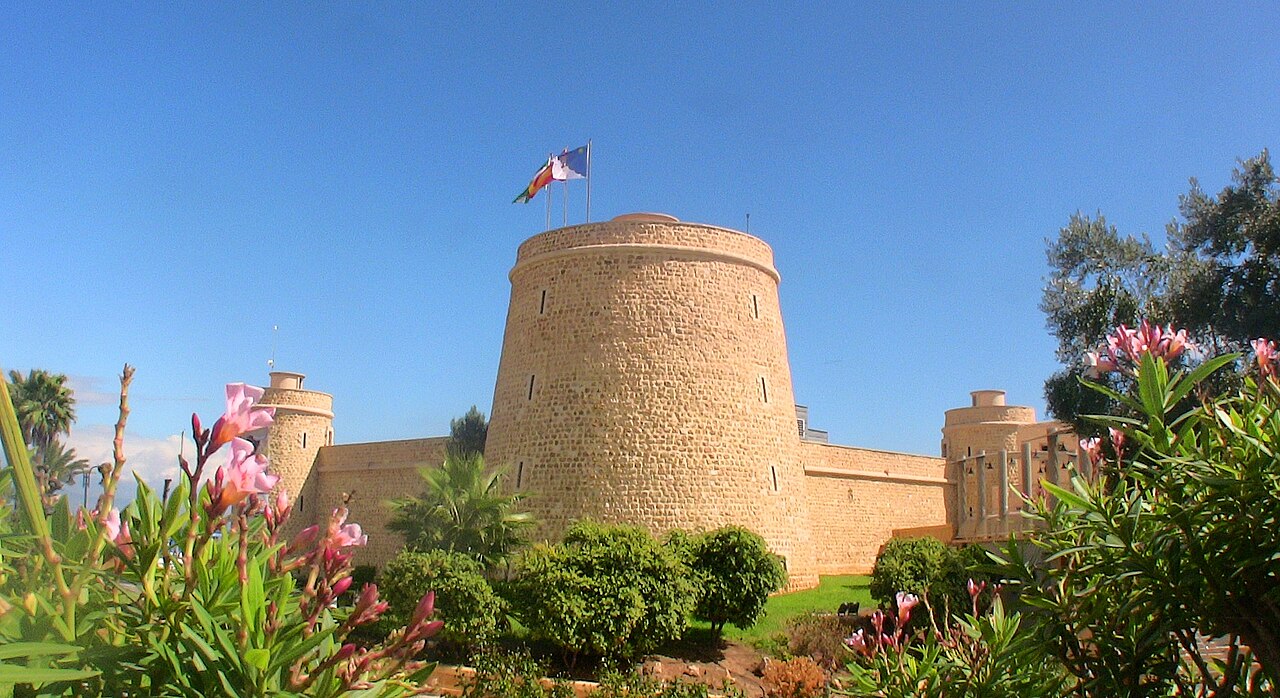
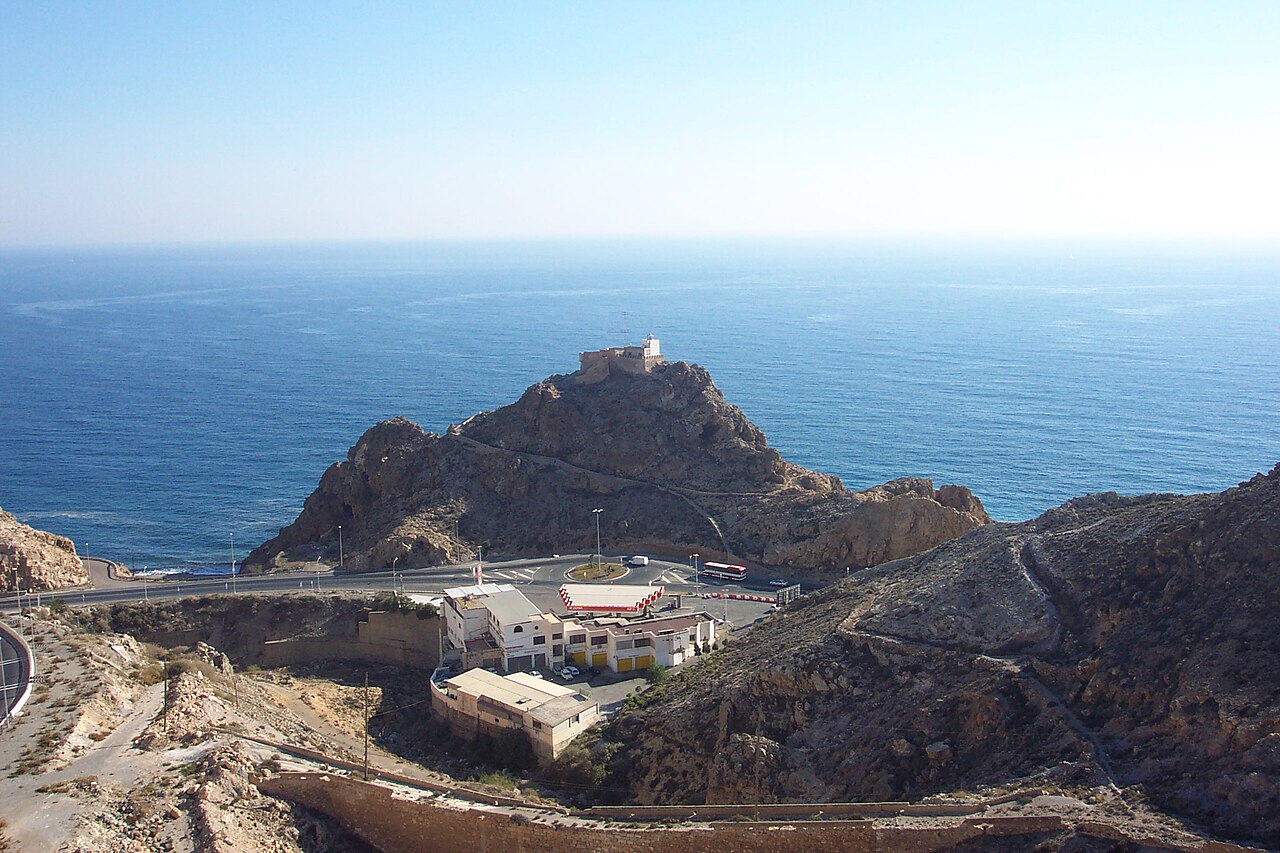
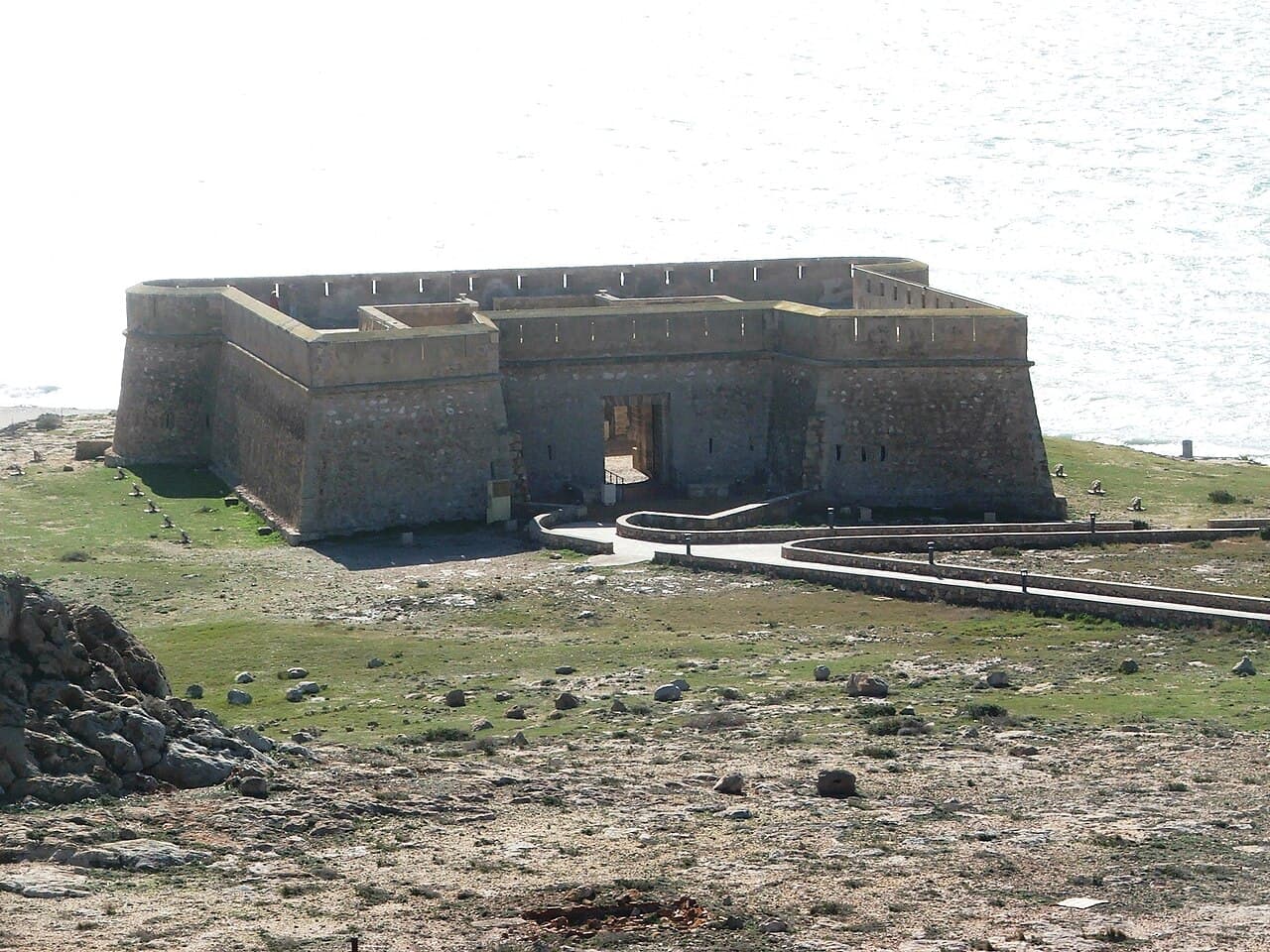
Castillo de Guardias Viejas stands as a significant example of 18th-century coastal military architecture in southern Spain. Constructed in 1769 during the reign of King Carlos III, this fortification was part of a strategic network designed to protect the Mediterranean coastline from pirate attacks and corsair raids. Located near the municipality of El Ejido in the Andalusia region, the castle occupies a rocky low rise approximately 31 meters above sea level, offering commanding views over the sea.
The castle is a quadrangular battery centered around an open courtyard or patio de armas, a typical feature in military fortifications for organizing troops and activities. Its defensive design includes a moat and a drawbridge controlling access, which were essential for deterring and delaying attackers. The fort was originally equipped with a semicircular artillery battery facing east, armed with four large cannons capable of firing 24-pound cannonballs, reflecting its primary role in coastal defense.
Historical context and construction
The construction of Castillo de Guardias Viejas was initiated following a royal decree in 1764 that mandated the establishment of coastal defenses along vulnerable points of Spain's southern territories. The military engineer José Crame from the Kingdom of Granada designed the fort, who also contributed to other regional batteries such as the Castillo de San Felipe at Los Escullos.
Built during the post-Renaissance period, the castle exemplifies military architectural principles of the time, focusing on artillery placement, defensive walls, and functional living quarters. The castle housed infantry and cavalry garrisons, with stables and storage for gunpowder, alongside a chapel and living quarters for the chaplain, emphasizing the integration of military and religious life.
Role during the Spanish War of Independence
The castle's military significance was highlighted during the Spanish War of Independence (1808-1814). In a strategic move to prevent its capture by French forces, the English army deliberately destroyed the castle. This act underscores the fort's importance in controlling the coastline and denying enemy forces a foothold.
Following the war, the castle was rebuilt in 1817 to restore its defensive capabilities. It continued to serve as a garrison point for cavalry units patrolling the coastal stretch between Punta del Sabinar and Balanegra. Its artillery coverage complemented nearby fortifications, particularly the adjacent Torre de Balerma, forming an integrated coastal defense system.
Architectural features and layout
The castle's layout is characterized by its quadrangular plan surrounding the central courtyard. The moat encircling the structure, crossed by a drawbridge, provided an initial defensive barrier. Inside, the castle contains several vaulted rooms with barrel vaults, which housed barracks for infantry and cavalry, stables, a gunpowder magazine, and a chapel.
Access to the roof terrace, or terrado, was via steps from the courtyard. This elevated platform was crucial for surveillance and operating the artillery battery. The semicircular battery facing the sea was designed to maximize the field of fire against approaching ships.
Defensive elements
- Moat and drawbridge: These features formed the first line of defense, controlling entry and providing protection against direct assault.
- Thick stone walls: Constructed to withstand cannon fire and resist sieges.
- Artillery battery: Equipped with four 24-pound cannons, positioned for optimal coastal defense.
Functional spaces
- Barracks: Separate quarters for infantry and cavalry units ensured organized troop accommodation.
- Stables: Facilities for horses supporting the cavalry garrison.
- Gunpowder magazine: Secure storage for ammunition, vital for sustained defense.
- Chapel and chaplain's quarters: Reflecting the spiritual needs of the garrison.
Modern restoration and cultural significance
In the late 20th century, Castillo de Guardias Viejas underwent extensive restoration, completed in 1980, preserving its key architectural features. It was declared a Bien de Interés Cultural in 1985, recognizing its cultural and historical importance. The castle is currently owned by the Regional Government of Andalusia and managed by the local municipality.
Today, the castle serves as a cultural venue, hosting a permanent exhibition featuring Napoleonic-era clothes and weapons, linking its military past with educational purposes. It also functions as a site for musical events such as the Natural Music Festival and Creamfields Andalucía, integrating heritage with contemporary cultural life.
The castle within the local defensive network
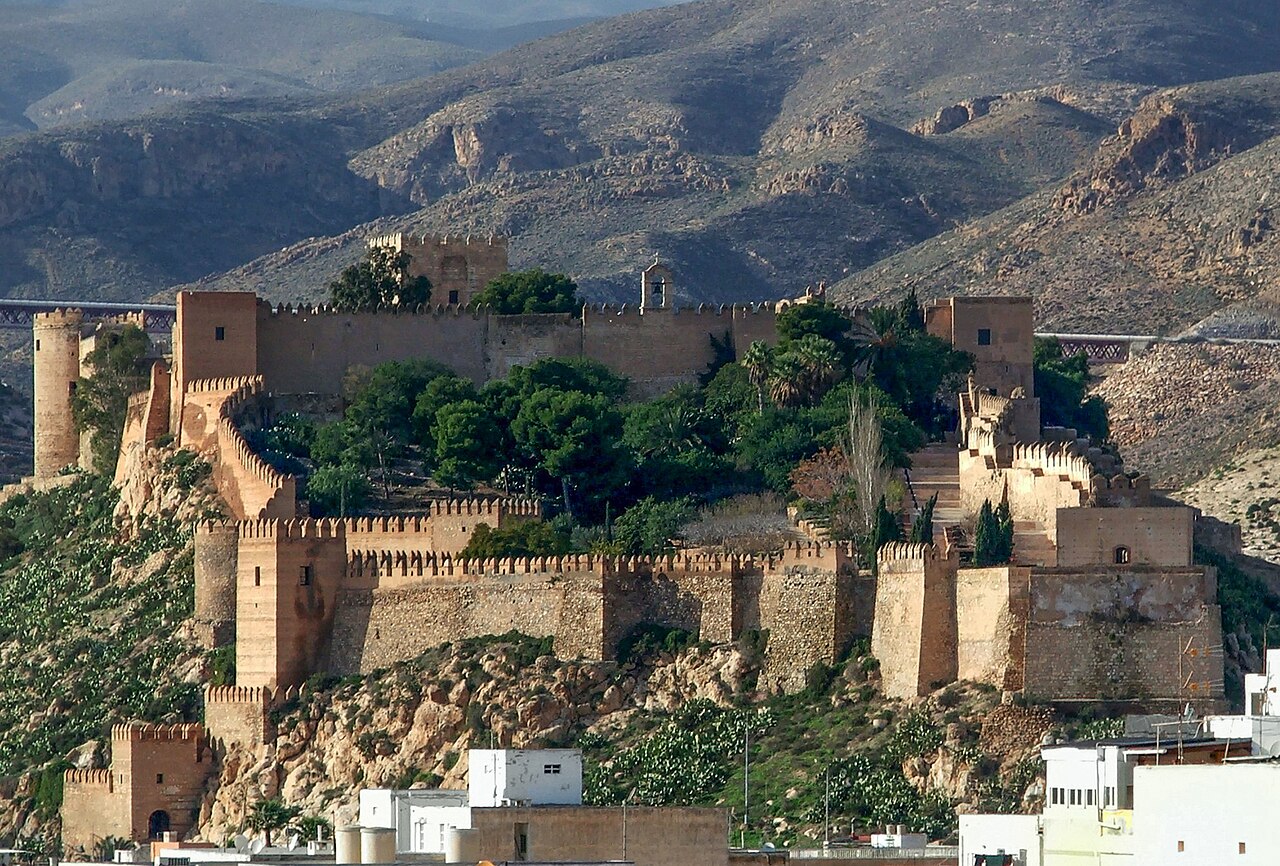
Castillo de Guardias Viejas is one of five historic forts in the El Ejido area, alongside the Moorish Tower Hill, the Square Tower, the Tower of the Netherlands, and the Tower of Balerma. Together, these fortifications formed a comprehensive defensive system along the coast, protecting the region from maritime threats over several centuries.
The castle's strategic position on a rocky promontory allowed it to oversee and control maritime approaches, making it a vital component of the coastal defense line. Its artillery coverage overlapped with neighboring towers, ensuring no gaps in surveillance or firepower.
Visitor information and accessibility
Visitors to Castillo de Guardias Viejas can explore the well-preserved fortification and its exhibitions. The castle's layout and restored features provide insight into 18th-century military architecture and coastal defense strategies. The site is accessible for cultural events and guided tours, offering a unique blend of history and contemporary cultural experiences.
The castle's location near the Mediterranean Sea provides scenic views and an atmospheric setting, enhancing the visitor experience. Its integration into local festivals and events makes it a vibrant part of El Ejido's cultural landscape.
Frequently asked questions (FAQ)
- How do I visit Castillo de Guardias Viejas?
- Castillo de Guardias Viejas is open to the public during cultural events and exhibitions. Visitors can check local schedules for guided tours and festival dates to plan their visit.
- What is the historical significance of Castillo de Guardias Viejas?
- Built in 1769, the castle was part of a coastal defense network against pirate attacks and played a role in the Spanish War of Independence, highlighting its strategic importance.
- Can I see military artifacts at the castle?
- Yes, the castle houses a permanent exhibition featuring clothing and weapons from the Napoleonic era, providing insight into its military past.
- Is the castle accessible for visitors with mobility issues?
- While the castle has some uneven surfaces and steps, efforts have been made to improve accessibility. Visitors with mobility concerns should contact the site in advance for specific accommodations.
- When is the best time to visit Castillo de Guardias Viejas?
- The castle is best visited during spring and autumn when cultural events like the Natural Music Festival and Creamfields Andalucía take place, offering a rich visitor experience.

Information
Sources & official resources
Verify the information above using these authoritative references.
Loading map...
Visitor reviews
No reviews yet. Been here? Write the first review and help other travelers!
Write the first reviewVisited this castle? Share your experience
Your review helps other travelers and adds first-hand knowledge to our encyclopedia.