Castillo de Buñol
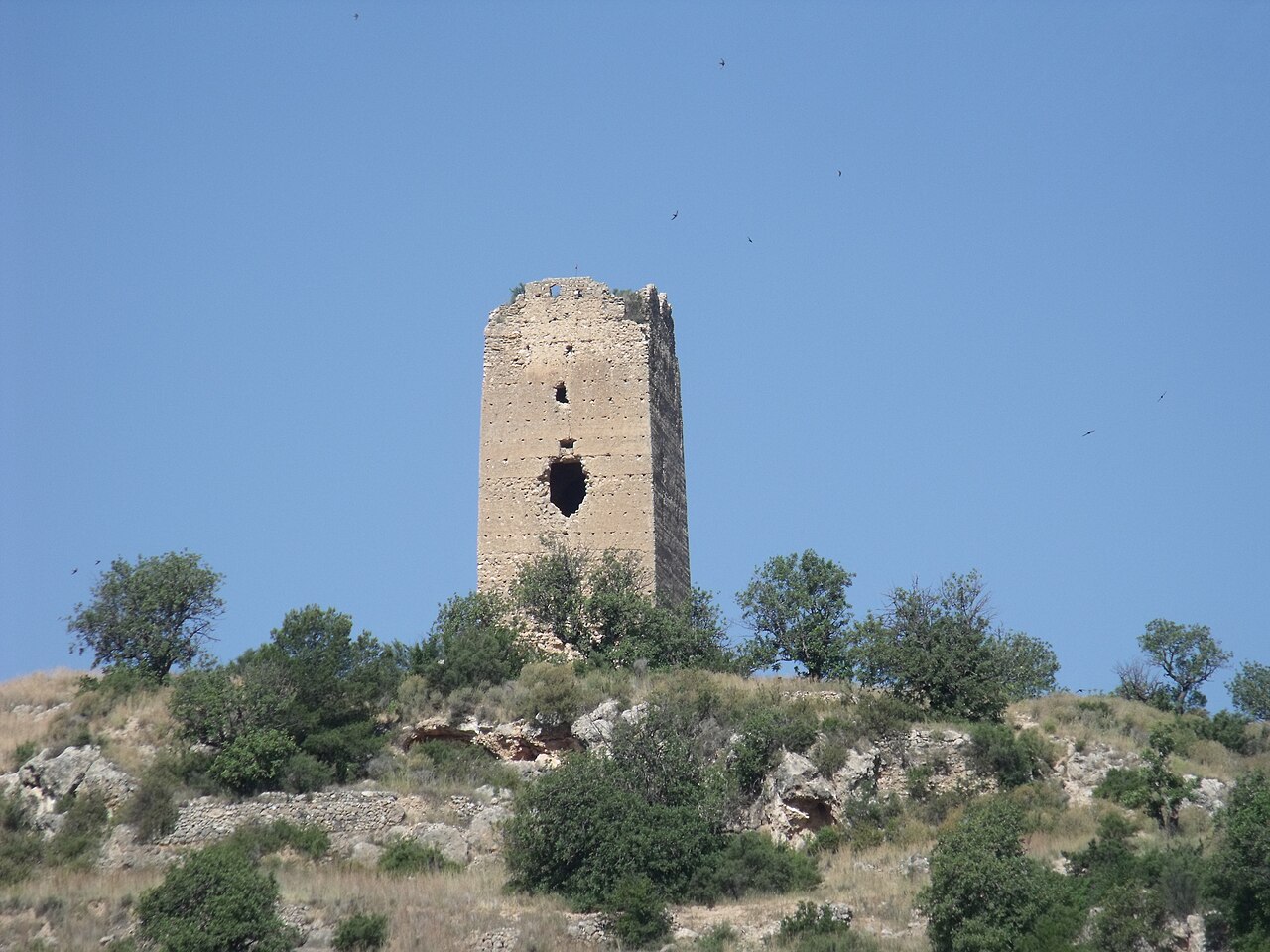
Castillo de Buñol stands as a remarkable example of a hill castle with a rich history dating back to the 11th and 12th centuries. Situated atop two rocky hills overlooking the town of Buñol in Spain, this fortress was originally built on the foundations of an earlier Islamic settlement. The castle's strategic location on a rugged ridge provided commanding views of the surrounding plains, making it a vital defensive stronghold throughout the medieval and early modern periods.
Early history and construction
The origins of Castillo de Buñol trace back to the medieval town of Bunyul, established under Muslim rule during the high medieval period. The castle's initial construction likely involved simple fortifications adapted to the rocky terrain, which were later expanded and reinforced as the site changed hands. In 1238, the castle was conquered by King Jaime I of Aragon, marking a significant turning point in its history. Jaime I granted the fortress to Rodrigo de Lizana, and shortly thereafter, ownership passed to the Order of Saint John of Jerusalem, a military religious order known for their role in crusading and defense.
Medieval transformations and noble ownership
During the 13th and 14th centuries, Castillo de Buñol underwent important architectural transformations, particularly in the Gothic style. These modifications were largely influenced by the Count of Urgel in the late 1300s, who undertook significant rebuilding efforts to enhance the fortress's defensive capabilities and residential comfort. Throughout this period, the castle changed hands among several noble families, including Berenguela Fernández and Pedro Fernández, as well as members of the Aragonese royal family.
The early 15th century saw the castle's control transferred to the Mercader family, a prominent Valencian noble lineage, following the rebellion of the Count of Urgel. The Mercaders held the fortress from 1425 until the mid-19th century, during which time the estate evolved from a lordship to a barony and ultimately attained the status of a county. In 1604, Gaspar Mercader Carroz was named the first Count of Buñol, reflecting the family's elevated status.
Military significance and later history
Castillo de Buñol played a recurring military role across several conflicts, including the War of Succession in the early 18th century, the Peninsular War against Napoleonic forces, and the Carlist Wars of the 19th century. Its strategic position allowed it to serve as a defensive bastion during these turbulent periods. However, by the late 19th century, the castle's military importance waned, and parts of the fortress were repurposed as residential quarters for the town's poorer inhabitants.
Beginning in the 1960s, local heritage groups initiated restoration efforts to preserve the castle's historic fabric. These efforts have continued into the present day, aiming to stabilize the ruins and enhance public access while respecting the site's complex historical layers.
Architectural features and layout
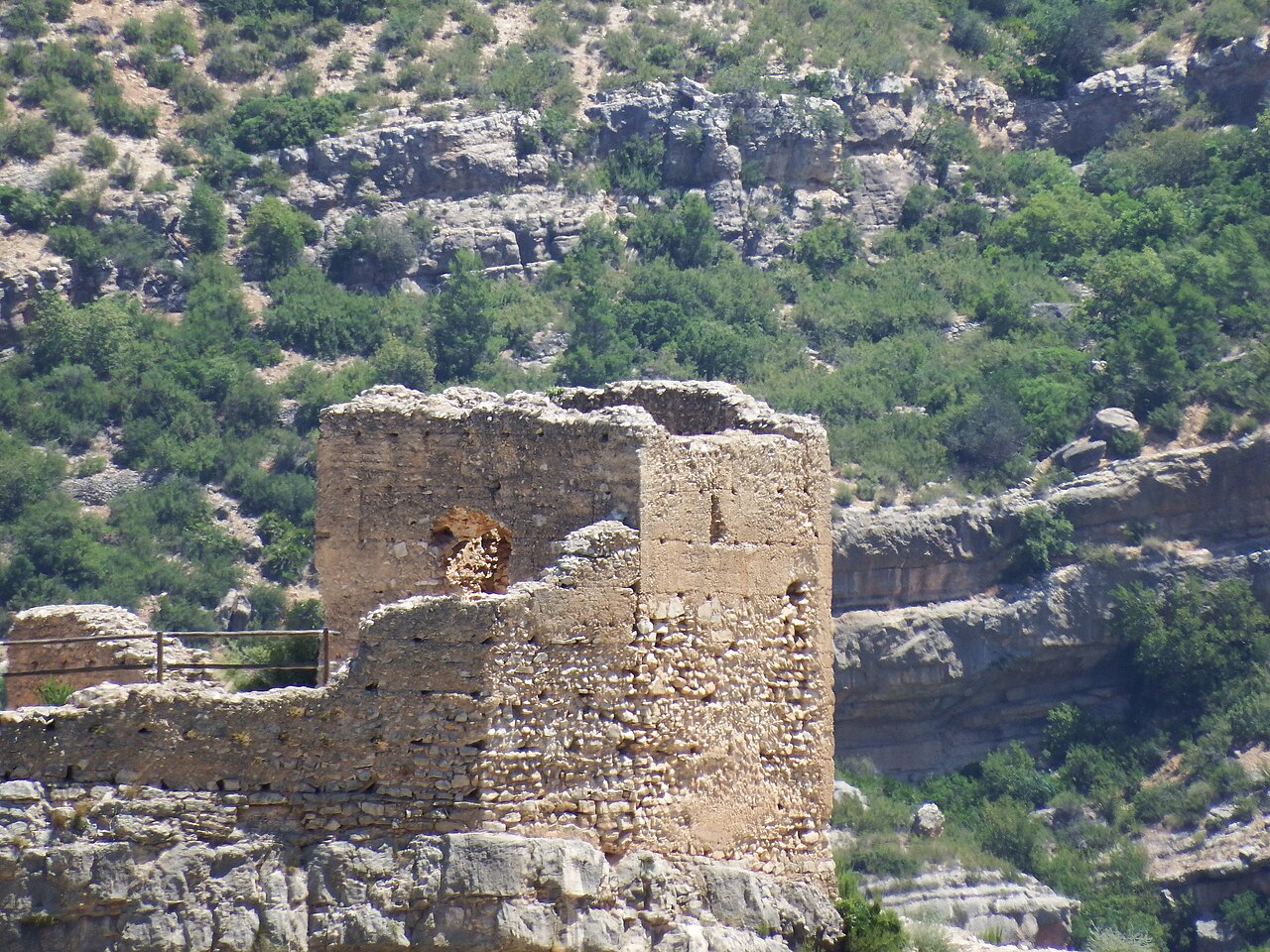
The castle extends approximately 400 meters along a northwest to southeast axis, divided into two main enclosures separated by man-made moats and connected by a bridge. The fortress walls are primarily constructed from lime mortar combined with limestone ashlar masonry at critical structural points such as entrances and vaults, showcasing traditional medieval building techniques.
Northern military enclosure
The northern section of the castle served as the military zone, characterized by an irregular pentagonal shape. A central parade ground once dominated this area, now largely covered by later residential buildings. Defensive towers constructed with a mix of lime mortar and limestone blocks reinforce the walls, particularly at vulnerable points. Over time, civilian houses were built adjacent to and even against these walls, occupying spaces formerly used for military support functions like kitchens, barracks, and stables.
The torre mayor and residential quarters
At the heart of the fortress stands the Torre Mayor, a trapezoid-shaped keep that dominates the site. Built mostly from finely cut stone blocks, the tower's northern wall features mixed masonry, providing access to the southern residential zone. This residential area includes the remains of a Gothic palace, a Renaissance palace known as the Palacio de los Mercader, and the church of El Salvador.
Gothic and renaissance palaces
The Gothic palace is notable for its rectangular hall called "Del Oscurico," which features five large stone diaphragmatic arches dividing the interior space. Originally three stories tall, the upper two levels were dismantled in the early 20th century due to structural instability threatening the nearby town. The adjacent church, dating from the 14th century, consists of a single nave vaulted with brick barrel vaults supported by transverse arches and decorated lunettes. Although refurbished in the Baroque style during the 17th century, much of the church's interior decoration was lost when it was converted to civilian housing in the late 1800s.
The Renaissance palace, constructed in the 16th century as an extension of the Gothic palace, is connected by a small bridge at the noble floor level. It exhibits architectural features typical of the Renaissance period and currently houses cultural facilities, including a museum.
Southern enclosure and defensive structures
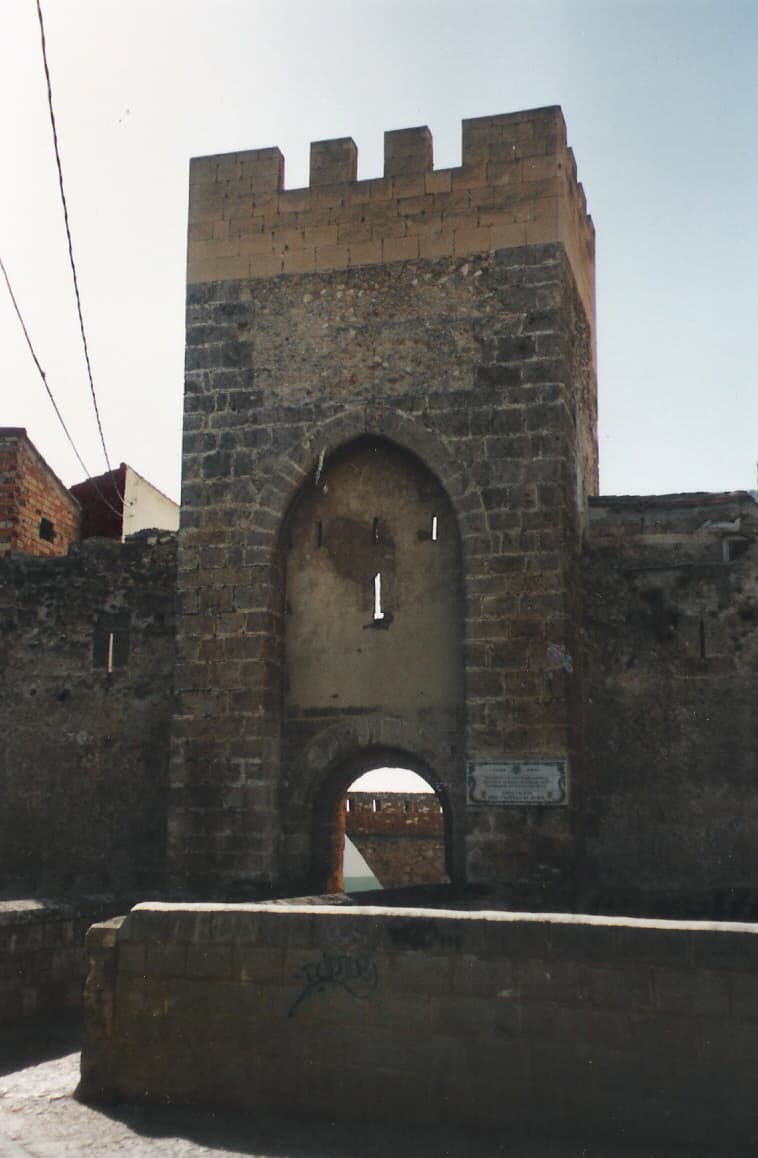
The southern enclosure is subdivided by a wall linking the Gothic palace to the church and includes a gate that provided access to the "Huerto del Castillo," a garden or agricultural space that likely supplied fresh produce to the castle's kitchens. At the southern edge stands La Torreta, a square tower that functioned as the main gate facing the town. Originally an albarrana tower, it was detached from the main walls but connected by a bridge or causeway to enhance defense.
The castle's walls feature a walkway pierced with arrow slits, allowing defenders to patrol and protect the perimeter effectively. The combination of rammed earth walls and carefully crafted stonework reflects the castle's long history of continuous use and adaptation through various historical phases.
Cultural significance and preservation efforts
Castillo de Buñol is not only a testament to the military and architectural history of the region but also a cultural landmark that embodies the complex layers of Spanish history from the Islamic period through the medieval Christian reconquest and into modern times. The ongoing restoration and preservation initiatives underscore the community's commitment to safeguarding this heritage site for future generations.
The castle today serves as a venue for cultural events and houses a museum that educates visitors about its rich past and architectural evolution. Its dramatic setting and well-preserved elements make it a significant attraction for tourists and scholars interested in medieval fortifications and Spanish history.
Frequently asked questions (FAQ)
- How do I get to Castillo de Buñol?
- You can reach Castillo de Buñol by taking a train from Valencia to Buñol, which is a short ride away. Once you arrive in Buñol, it's a pleasant walk to the castle, which is situated on a hill overlooking the town.
- What is the historical significance of Castillo de Buñol?
- Castillo de Buñol dates back to the 15th century and played a crucial role in the defense against invasions. Its strategic location allowed it to oversee the surrounding area, making it an important fortress during various conflicts in Spanish history.
- When was Castillo de Buñol built?
- Construction of Castillo de Buñol began in the late 15th century, with significant modifications made over the years. The castle showcases a blend of Gothic and Mudejar architectural styles, reflecting the influences of different cultures throughout its history.
- Can I visit Castillo de Buñol year-round?
- Yes, Castillo de Buñol is open to visitors throughout the year, with peak tourist seasons during spring and summer. It's advisable to check for any special events or closures before planning your visit.
- Why is Castillo de Buñol a popular tourist attraction?
- Castillo de Buñol is renowned for its stunning views of the surrounding landscape and the charming town below. Additionally, its historical significance and unique architecture draw history enthusiasts and tourists alike.
- Is it possible to take guided tours of the castle?
- Yes, guided tours are available at Castillo de Buñol, offering visitors in-depth knowledge about its history and architecture. Tours typically provide insights into the castle's role in local history and its cultural significance.
- What are the opening hours for Castillo de Buñol?
- The opening hours for Castillo de Buñol can vary by season, but it generally opens at 10 AM and closes at sunset. It's best to verify the current hours before your visit, especially during holidays or special events.
- What are the ticket prices for visiting Castillo de Buñol?
- Entry to Castillo de Buñol is usually free, but there may be a nominal fee for guided tours or special exhibitions. Be sure to check at the entrance for the latest pricing information and any available discounts.
- What is the best time to visit Castillo de Buñol?
- The best time to visit Castillo de Buñol is during the spring and early autumn, when the weather is mild and pleasant. Visiting during these seasons allows you to enjoy the beautiful scenery and participate in local festivals, including the famous Tomatina in August.
- Are there nearby attractions to visit while in Buñol?
- Yes, while in Buñol, you can explore the charming town center, visit the local churches, and enjoy the beautiful natural parks in the area. Additionally, the nearby caves of Buñol provide a unique opportunity for outdoor enthusiasts to hike and explore.
Photo gallery

Information
Website
Visit websiteSources & official resources
Verify the information above using these authoritative references.
Loading map...
Visitor reviews
No reviews yet. Been here? Write the first review and help other travelers!
Write the first reviewVisited this castle? Share your experience
Your review helps other travelers and adds first-hand knowledge to our encyclopedia.