Millares Castle — Spain castle

Millares Castle

Millares Castle: historic hill castle in Spain
High Medieval (11th–13th c.)

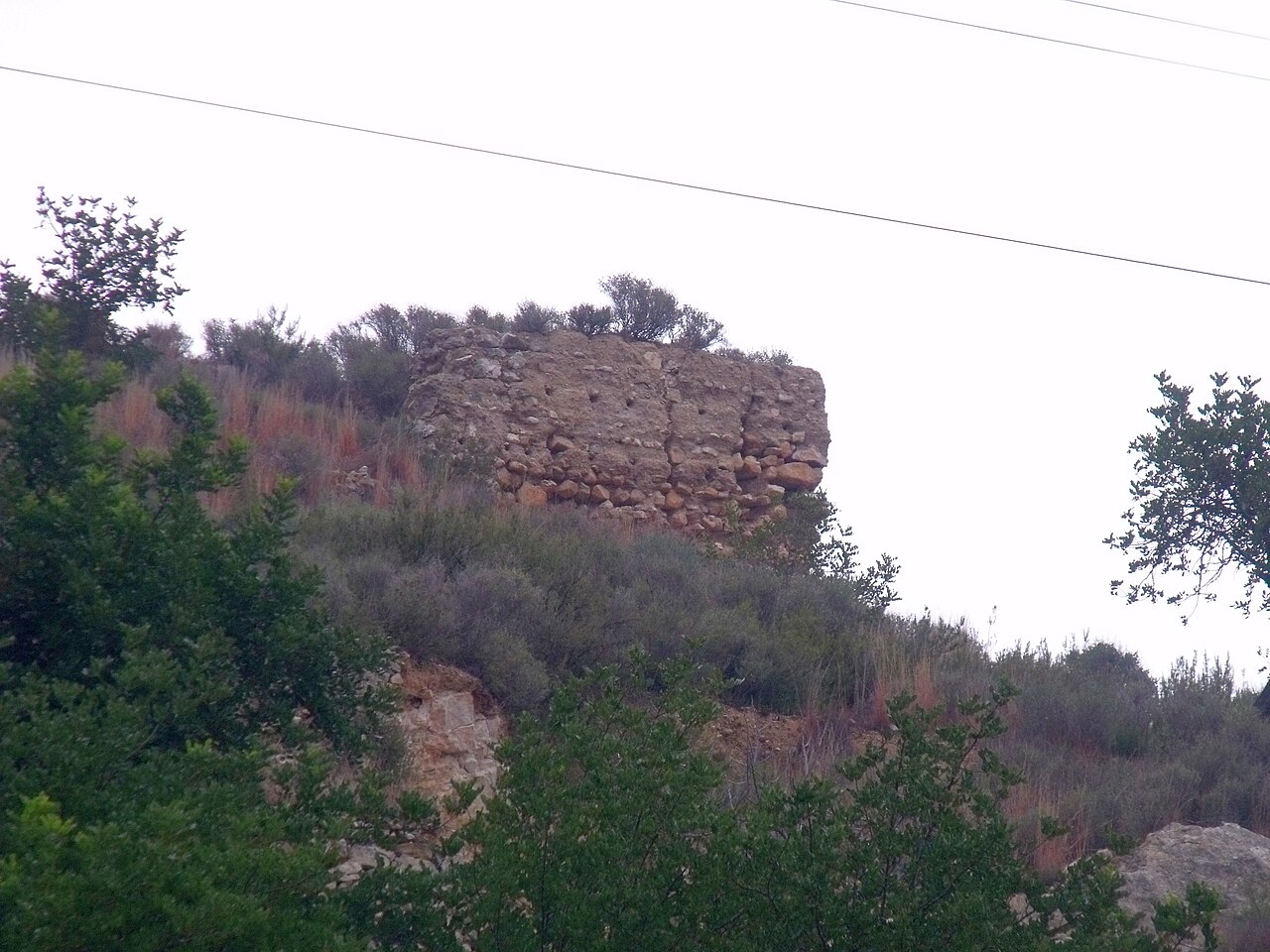
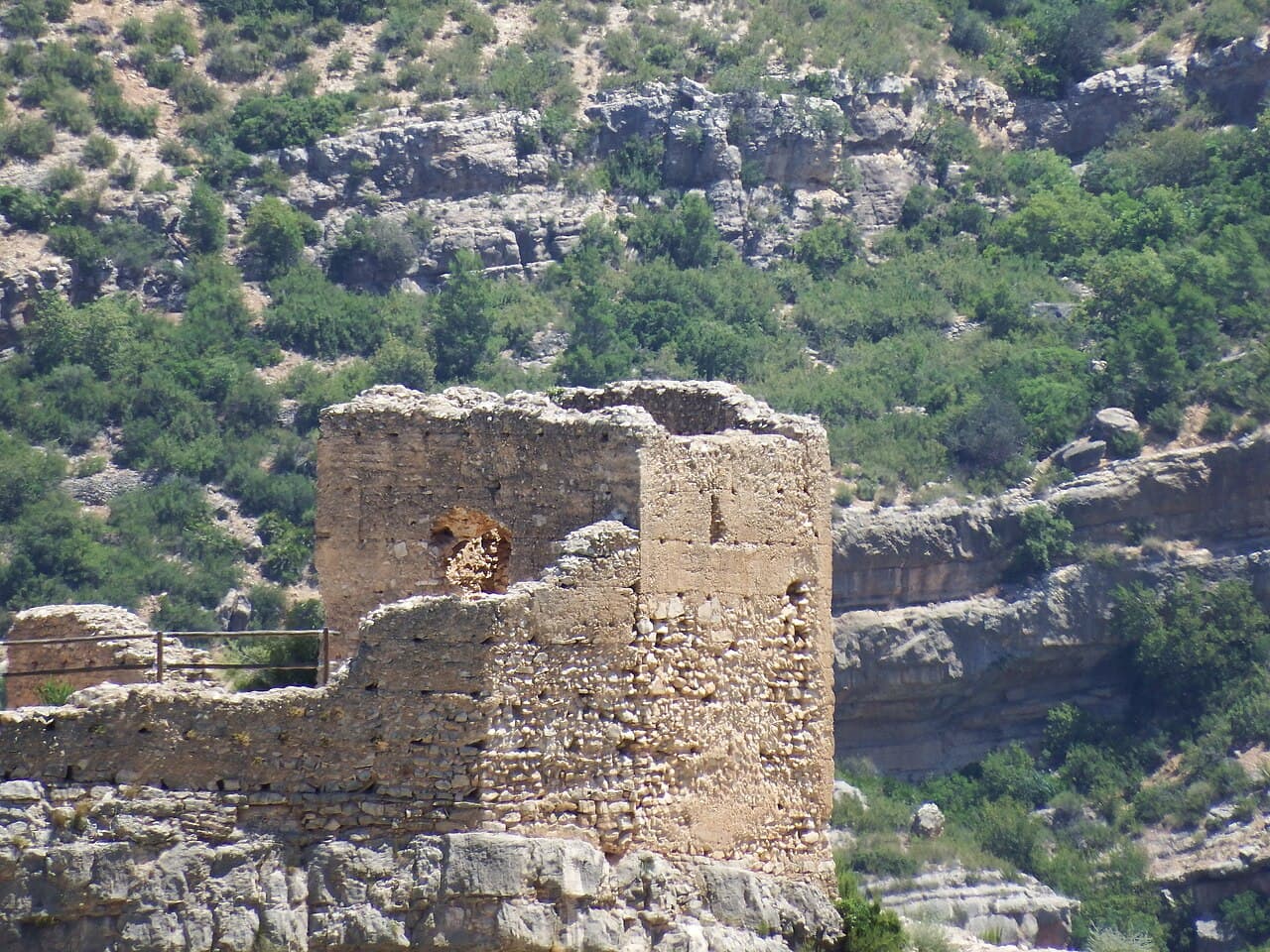
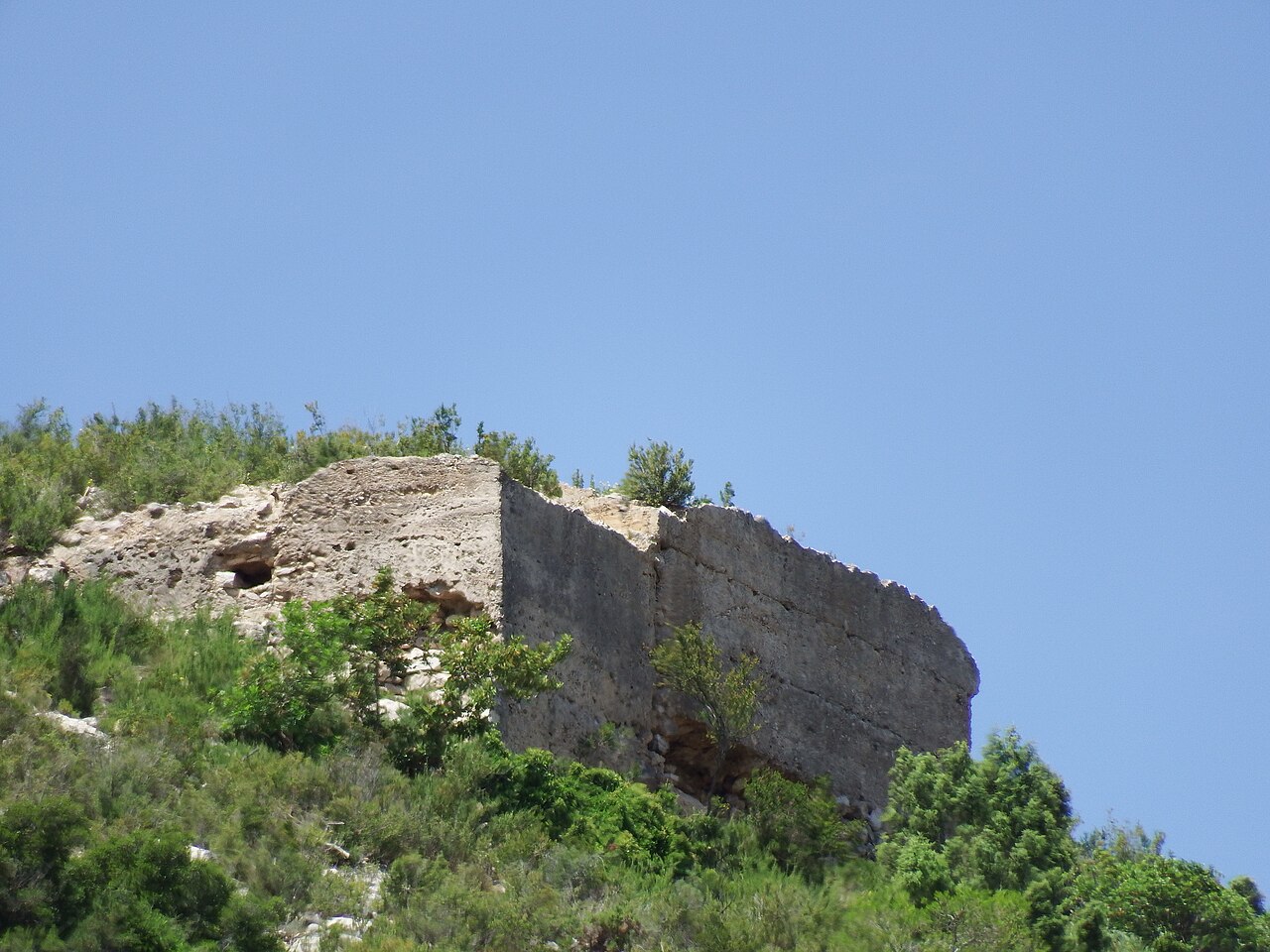
Millares Castle is a notable example of a hill castle located in Spain. Though the exact city or town of its location is not clearly documented, the castle's elevated position atop a hill exemplifies the strategic military architecture common in medieval Spain. Hill castles were typically constructed to provide commanding views of the surrounding landscape, enabling defenders to spot approaching enemies from a distance and control important routes.

Historical context and significance

The origins of Millares Castle likely date back to the medieval period, a time when fortifications were essential for territorial control and defense against invasions. Spain's complex history, marked by the Reconquista and various regional conflicts, saw many such castles built or expanded between the 9th and 15th centuries. While specific historical records about Millares Castle are scarce, its classification as a hill castle suggests it played a role in local military strategy during these turbulent centuries.

Architectural features and construction

The castle's architecture would typically include thick defensive walls adapted to the natural contours of the hill, towers for surveillance and defense, and a keep or main stronghold serving as the last refuge during attacks. The design of hill castles often incorporates irregular layouts to maximize the defensive advantages of the terrain. Access to the castle would have been controlled by a fortified gate, possibly accompanied by a moat or other defensive obstacles.

Materials and style

Construction materials likely included locally sourced stone, which provided durability and resistance against siege weaponry. The architectural style would reflect the medieval military engineering traditions prevalent in Spain, potentially showing influences from Romanesque or early Gothic elements depending on the exact period of construction.

Strategic location and landscape

Positioned on a hill, Millares Castle would have commanded extensive views over the surrounding countryside, enabling control over nearby roads, valleys, or river crossings. This vantage point was crucial for both defense and communication, allowing signal fires or flags to relay messages to other fortifications in the region.

Current status and preservation

Information about the current condition of Millares Castle is limited, but many hill castles in Spain exist today as ruins or partially preserved sites. Such castles often attract visitors interested in medieval history and architecture, though accessibility and visitor facilities can vary widely depending on local management.

Visiting Millares Castle

Potential visitors should research local tourism resources for the most up-to-date information on access, guided tours, and opening hours. Hill castles like Millares often offer hiking opportunities in addition to historical exploration, combining natural beauty with cultural heritage.

Frequently asked questions

  • When was Millares Castle built? The exact construction date is unclear, but it likely dates to the medieval period, between the 9th and 15th centuries.
  • What type of castle is Millares Castle? It is classified as a hill castle, built on elevated terrain for defensive advantage.
  • Is Millares Castle open to the public? Information on public access is limited; visitors should check local tourism sources for current details.
  • What architectural style does Millares Castle represent? The castle likely features medieval military architecture with possible Romanesque or early Gothic influences.
  • Are there guided tours available? This depends on local management; some hill castles offer guided tours or informational signage.
  • What is the best time to visit? Spring and autumn are generally favorable for visiting hill castles in Spain due to mild weather and pleasant hiking conditions.

Frequently asked questions (FAQ)

What are the opening hours for Millares Castle?
Millares Castle is open to visitors from 9 AM to 6 PM from Tuesday to Sunday. It is closed on Mondays and public holidays. Be sure to check the official website for any seasonal changes in hours.
When was Millares Castle built?
Millares Castle dates back to the 12th century, showcasing the architectural styles of the medieval period. It has significant historical importance as a defensive structure during various conflicts in Spain’s history.
Can I take guided tours of Millares Castle?
Yes, guided tours are available and highly recommended to fully appreciate the history and architectural details of the castle. Tours typically last about an hour and provide in-depth information from knowledgeable guides.
What is the ticket price for visiting Millares Castle?
Tickets for Millares Castle are priced at €8 for adults, with reduced rates available for seniors and students. Children under 12 can enter free of charge, making it an affordable destination for families.
Is it possible to access Millares Castle with a wheelchair?
Millares Castle has made efforts to improve accessibility, with ramps available for easier navigation. However, some areas may still be challenging due to the castle's historic structure, so it’s advisable to check in advance.
What is the best time to visit Millares Castle?
The best time to visit Millares Castle is during the spring and fall when the weather is mild and pleasant. These seasons also see fewer crowds, allowing for a more enjoyable experience.
Are there any nearby attractions to visit along with Millares Castle?
Yes, there are several attractions nearby, including the charming village of Millares and scenic hiking trails in the surrounding hills. Visitors can easily spend a full day exploring the area.
Why is Millares Castle significant in Spanish history?
Millares Castle played a crucial role in the defense against invasions during the Middle Ages, serving as a stronghold for various military forces. Its preservation allows visitors to connect with Spain's rich historical narrative.

Photo gallery

Millares Castle
Click to view

Photo by 19Tarrestnom65•CC BY-SA 4.0

1 photo • Click any image to view in full screen

Information

Hill Castle

Loading map...

Visitor reviews

No reviews yet. Been here? Write the first review and help other travelers!

Write the first review

Visited this castle? Share your experience

Your review helps other travelers and adds first-hand knowledge to our encyclopedia.
Write a review

(5/5)

0/2000 characters

Your review will be visible after admin approval

Nearby castles

1 km
Corral Antón Castle — Spain castle

Corral Antón Castle

, Spain

Corral Antón Castle is a notable example of a hill castle located in Spain, distinguished by its strategic position atop elevated terrain. This placement provided significant military advantages, allowing defenders to monitor and control the surrounding landscape effectively. Although the exact city location is not specified, the castle's architectural and historical attributes reflect typical medieval fortification principles common in the Iberian Peninsula. Historical background and significance Constructed during the medieval period, Corral Antón Castle served as a defensive stronghold in a region marked by frequent territorial conflicts. While precise dating is uncertain, its features suggest origins in the High to Late Medieval era, a time when castles were crucial for controlling land and asserting feudal power. The castle likely played a role in regional defense and administration, overseeing important routes or settlements nearby. Architectural features and layout The castle exemplifies typical hill castle characteristics, including robust stone walls adapted to the natural contours of the hill. Its defensive structures likely included battlements, towers, and fortified gatehouses designed to withstand sieges. The elevated position would have been complemented by natural slopes and possibly man-made ditches or moats to impede attackers. Defensive structures The castle's walls were probably constructed from locally sourced stone, arranged to maximize durability and resistance to assault. Towers positioned at key points would have provided vantage points for archers and lookouts. The gatehouse would have been heavily fortified, controlling access through the main entrance and possibly equipped with a portcullis and murder holes. Internal layout Within the castle, there would have been a central courtyard serving as the heart of daily activity. Surrounding this space, essential buildings such as the keep or donjon, storage rooms, and living quarters would have been arranged to balance defense with functionality. The keep would have been the last refuge during attacks, constructed to be the strongest part of the castle. Strategic importance and historical role Due to its location on a hill, Corral Antón Castle held a commanding view of the surrounding area, making it a critical point for military surveillance and control. It likely functioned as a feudal seat and a military outpost, helping to secure territories and trade routes. The castle's presence would have deterred enemy advances and provided a secure base for local lords. Current condition and preservation The current state of Corral Antón Castle is not fully documented, but as a hill castle of medieval origin, it may exist as partially preserved or in ruins. Many such castles in Spain have undergone varying degrees of restoration or remain archaeological sites accessible to visitors interested in medieval history and architecture. Visiting Corral Antón Castle Visitors to Corral Antón Castle can expect to explore the remains of a medieval fortress that offers insight into Spain's feudal past. The elevated position provides panoramic views and a tangible connection to the defensive strategies of the time. While specific visitor information is unavailable, hill castles typically feature walking paths and informational signage to enhance the experience. Accessibility and visitor tips Given the castle's hilltop location, visitors should prepare for some uphill walking. Appropriate footwear and weather considerations are advised. Exploring the site offers a unique opportunity to appreciate medieval military architecture and the natural landscape that shaped its design.

High Medieval (11th–13th c.)
Details
12.4 km
Castillo palacio de Bicorp — Spain castle

Castillo palacio de Bicorp

, Spain

The Castillo palacio de Bicorp is a notable example of a hill castle constructed during the 16th century in Spain. This fortress-palace hybrid reflects the architectural and defensive sensibilities of the Renaissance period, combining military functionality with residential elegance. Situated strategically on elevated terrain, the castle commands views of the surrounding landscape, a typical feature of hill castles designed for both defense and control. Historical background and significance The castle's origins date back to the Renaissance, a time when Spain was consolidating its territorial holdings and fortifying key locations. The 16th century was marked by the transition from medieval fortresses to more comfortable palatial residences that still maintained defensive capabilities. The Castillo palacio de Bicorp embodies this dual purpose, serving as both a military stronghold and a noble residence. Although specific historical records about the castle's original builders or owners are limited, its architectural style and location suggest it was constructed under the auspices of local nobility or royal representatives seeking to assert control over the region. The castle likely played a role in regional conflicts and governance during the turbulent Renaissance era in Spain. Architectural features and layout Fortifications and defensive elements The castle's hilltop location provides a natural defensive advantage, enhanced by its stone walls and battlements. The fortifications include thick curtain walls designed to withstand artillery, a common feature in Renaissance military architecture as gunpowder weaponry became more prevalent. Defensive towers are positioned to provide overlapping fields of fire, protecting the castle from potential attackers. Palatial structures and living quarters Inside the fortifications, the castle contains residential buildings that reflect Renaissance architectural ideals. These include spacious halls, chambers with large windows, and decorative elements that emphasize comfort and status. The blend of fortress and palace is evident in the castle's design, where defensive needs are balanced with the desire for elegant living spaces. Construction and materials The primary construction material is locally sourced stone, chosen for its durability and defensive strength. The masonry techniques reflect Renaissance craftsmanship, with carefully cut stones and mortar binding. Roofs and floors within the residential areas likely incorporate wood and tile, common materials of the period. Current condition and preservation The Castillo palacio de Bicorp is currently classified as a hill castle in partially preserved condition. While some sections of the castle remain intact, others have suffered deterioration due to age and exposure. Restoration efforts may have been undertaken to stabilize the structure, but much of the castle retains its historic character and provides valuable insight into Renaissance military and residential architecture in Spain. Visiting and cultural importance Though not as widely known as some larger Spanish castles, the Castillo palacio de Bicorp attracts visitors interested in Renaissance architecture and Spanish history. Its location offers scenic views and a tangible connection to the region's past. Visitors can explore the castle's remains to appreciate the blend of defensive and residential design features characteristic of the period. The castle contributes to the cultural heritage of the area, representing the historical evolution of fortifications from medieval strongholds to Renaissance palaces. It stands as a testament to the architectural and historical developments of 16th-century Spain.

Renaissance (15th–17th c.)
Details
13.6 km
Castle of Quesa — Spain castle

Castle of Quesa

, Spain

The Castle of Quesa is a notable example of high medieval military architecture located in Spain. Constructed in the 11th century, this hill castle was strategically positioned to oversee and control the surrounding landscape, a common practice during the medieval period to maximize defense capabilities and territorial control.The castle's hilltop location provided natural defenses, enhanced by man-made fortifications such as thick stone walls and defensive battlements. Typical of high medieval castles, the design likely included a central keep or donjon serving as the last line of defense and residence for the lord or garrison commander. Although detailed architectural records are scarce, the castle's form would have been adapted to the terrain, incorporating terraces and possibly a moat or dry ditch to impede attackers.Historical context and significanceDuring the 11th century, the Iberian Peninsula was a dynamic frontier marked by the Reconquista, the Christian campaigns to reclaim territory from Muslim rule. Castles like the Castle of Quesa played critical roles as military outposts and administrative centers. They served as bases for local lords and knights who enforced territorial claims and protected trade routes.The castle's strategic importance stemmed from its vantage point, which allowed surveillance over important routes and nearby settlements. Its presence would have been a deterrent against raids and a symbol of feudal authority in the region.Architectural features and constructionFortifications and layoutThe Castle of Quesa was constructed primarily from locally sourced stone, a durable material that provided robust protection. The walls were likely thick and high, designed to resist siege engines and scaling attempts. Defensive features such as arrow slits or embrasures would have enabled defenders to repel attackers while remaining protected.The castle's layout probably included a courtyard surrounded by living quarters, storage rooms, and possibly a chapel. The keep would dominate the complex, serving both defensive and residential functions. Access to the castle was controlled through a fortified gatehouse, possibly equipped with a portcullis and murder holes to defend against intruders.Adaptation to terrainAs a hill castle, the structure was adapted to the natural contours of the site. Terracing would have been used to create level areas for construction and to enhance defensive positions. Steep slopes around the castle reduced the number of accessible approaches, making direct assaults more difficult.Current condition and preservationThe Castle of Quesa today remains a partially preserved ruin, with some sections of its walls and foundations still visible. Its condition reflects centuries of exposure to the elements and historical conflicts. Preservation efforts focus on stabilizing the remaining structures to prevent further deterioration and to allow visitors to appreciate the site's historical significance.Visiting and cultural importanceWhile not as widely known as some other Spanish castles, the Castle of Quesa offers insight into medieval fortification techniques and regional history. It attracts visitors interested in military architecture, medieval history, and scenic views offered by its hilltop setting.Access to the site may be limited due to its terrain and preservation status, so prospective visitors should check local resources for information on guided tours or access permissions.

High Medieval (11th–13th c.)
Details