Castelul din Zau de Câmpie — Romania castle

Castelul din Zau de Câmpie

Castelul din Zau de Câmpie
High Medieval (11th–13th c.)
Partially Preserved

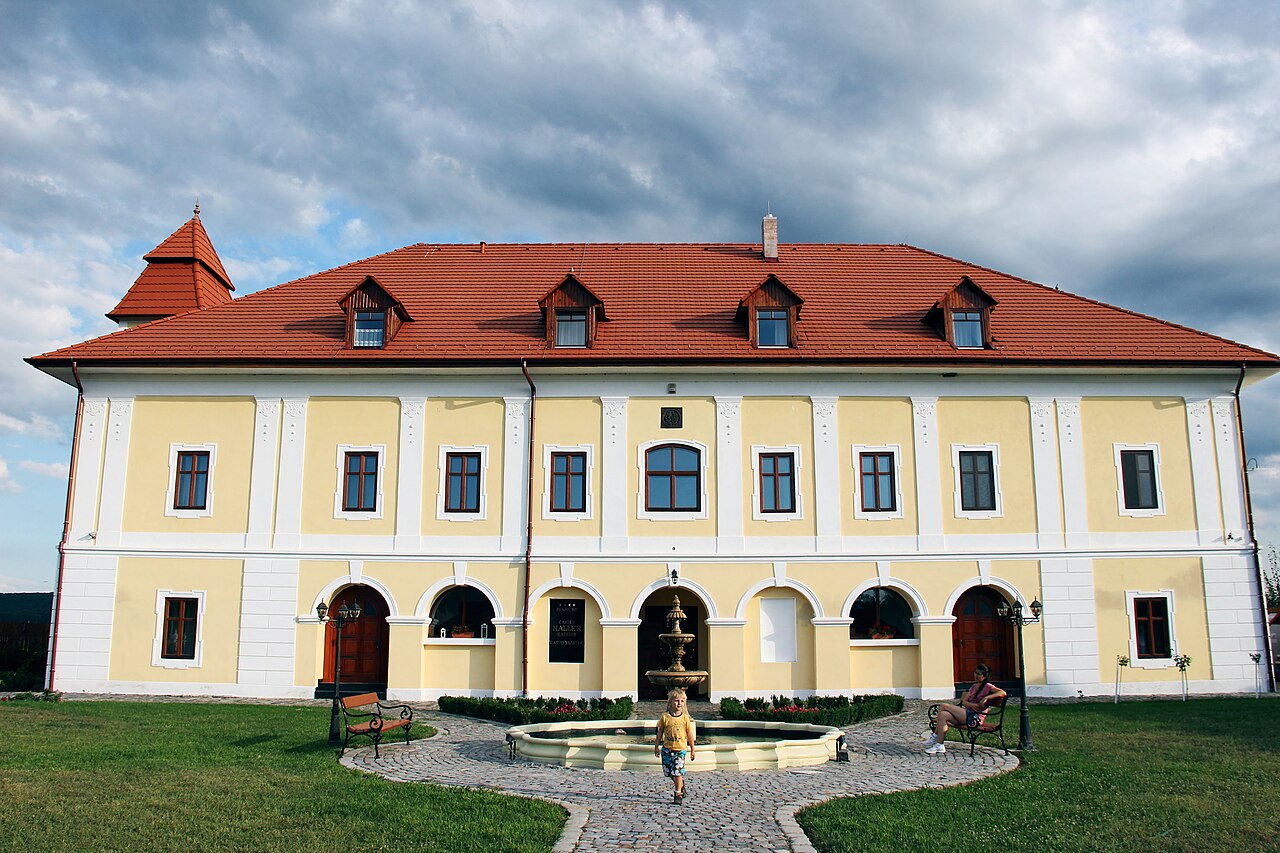
Castelul din Zau de Câmpie is a historic hill castle located in the region of Transylvania, Romania. Though the exact city or town location is less documented, it is situated near the village of Zau de Câmpie, a locality known for its rich medieval heritage and strategic importance during the Middle Ages. This castle exemplifies the typical defensive architecture designed to oversee and control the surrounding landscape.

Historical context and significance

The origins of Castelul din Zau de Câmpie date back to the High Medieval period, likely constructed between the 13th and 15th centuries. This era in Transylvania was marked by the establishment of numerous fortifications to secure territories against invasions and to assert control over trade routes and local populations. The castle's location on a hill provided a natural vantage point for surveillance and defense, a common strategic choice in medieval fortification design.

Throughout its history, the castle served as a military stronghold and a noble residence. It played a role in regional conflicts, including skirmishes related to the shifting power dynamics among Transylvanian nobility and external threats such as Ottoman incursions. Although detailed records of specific battles or sieges are limited, the castle's enduring presence reflects its importance in local defense and governance.

Architectural features and layout

Castelul din Zau de Câmpie is characterized by its hill castle typology, built to maximize the natural defensive advantages of elevated terrain. The castle complex likely included a central keep or donjon, surrounded by curtain walls and defensive towers. The walls would have been constructed from local stone, designed to withstand sieges and artillery of the medieval period.

The castle's layout probably featured a courtyard enclosed by walls with battlements and arrow slits, enabling defenders to repel attackers effectively. Access to the castle was controlled through a fortified gatehouse, possibly equipped with a drawbridge and portcullis. Residential quarters, storage rooms, and a chapel would have been integrated within the walls, serving both military and domestic functions.

Defensive structures

The castle's defensive system included towers positioned at key points along the walls to provide overlapping fields of fire. These towers allowed archers and guards to monitor the surrounding area and protect the castle from assault. The elevation of the site itself was a significant defensive advantage, making direct attacks difficult and providing clear sightlines for early warning of approaching enemies.

Current condition and preservation

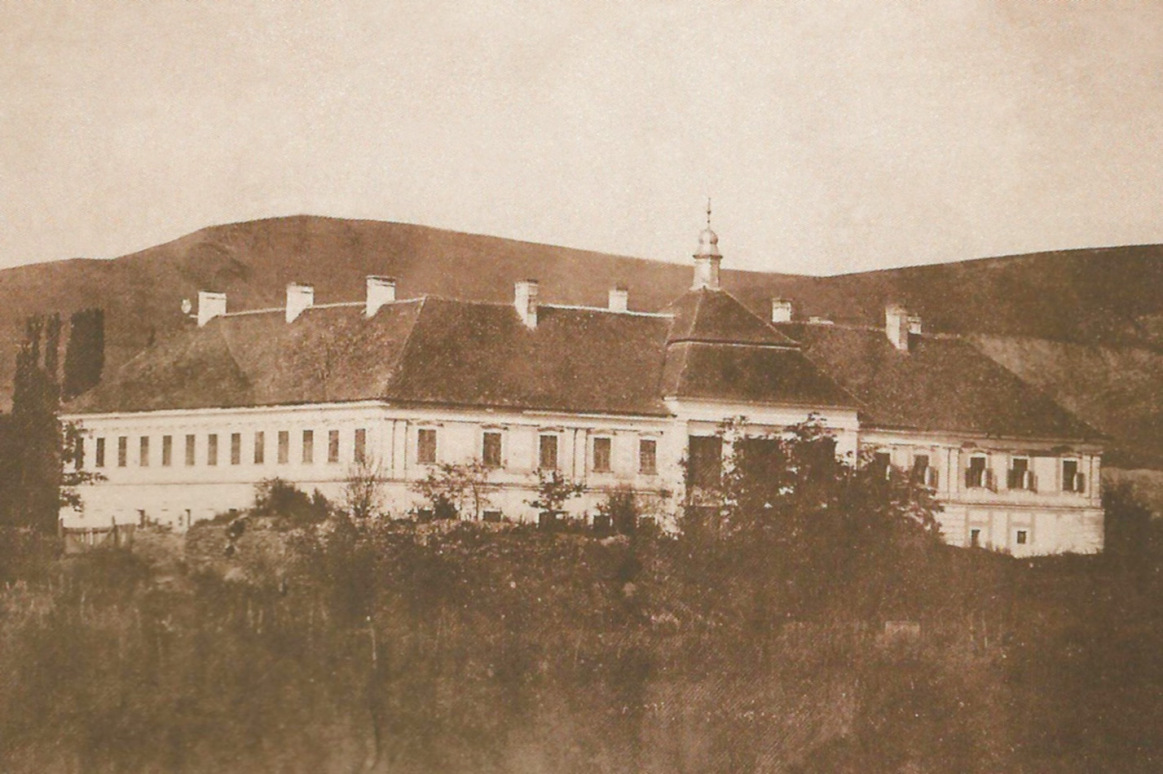
Today, Castelul din Zau de Câmpie remains partially preserved, with some sections of its walls and foundational structures still visible. The castle is considered a valuable cultural and historical monument, attracting interest from historians, archaeologists, and visitors interested in medieval Transylvanian heritage.

Conservation efforts aim to stabilize the ruins and prevent further deterioration, although comprehensive restoration has not been undertaken. The site offers insights into medieval defensive architecture and the historical landscape of the region.

Visiting information and accessibility

Visitors to Castelul din Zau de Câmpie can explore the ruins and surrounding landscape, gaining an appreciation for the castle's strategic location and architectural features. The site is accessible by local roads, though facilities may be limited due to its rural setting.

It is recommended to visit during daylight hours and warmer seasons for safe and comfortable exploration. Interpretive signage or guided tours may be available through local heritage organizations, providing context and historical background to enhance the visitor experience.

Frequently asked questions (FAQ)

How do I get to Castelul din Zau de Câmpie?
Castelul din Zau de Câmpie is accessible by car and is located near the town of Zau de Câmpie in Romania. You can follow local road signs or use GPS navigation for the best route. Public transportation options may be limited, so planning ahead is recommended.
What is the historical significance of Castelul din Zau de Câmpie?
This castle is a notable example of medieval architecture in Romania, reflecting the historical events and cultural influences of the region. It served as a strategic fortress during various conflicts and has been an important landmark for local history. Visitors can learn about its rich past through guided tours that highlight key events and figures associated with the castle.
When was Castelul din Zau de Câmpie built?
Construction of Castelul din Zau de Câmpie began in the late 14th century, making it one of the oldest castles in the area. Over the centuries, it has undergone numerous renovations and restorations to preserve its historical integrity. The castle’s architecture represents the evolution of medieval building techniques in Romania.
Can I take guided tours of the castle?
Yes, guided tours are available and are highly recommended for a comprehensive understanding of the castle’s history and architecture. Tours typically last around an hour and are led by knowledgeable guides who can answer your questions. Be sure to check the schedule in advance as tours may vary by season.
Why is the architecture of Castelul din Zau de Câmpie unique?
The architecture of Castelul din Zau de Câmpie features a blend of Gothic and Renaissance styles, which is quite distinctive for Romanian castles. Its imposing towers and fortified walls were designed for defense but also showcase the aesthetic preferences of the time. This unique combination makes it a fascinating site for architecture enthusiasts.
Is it possible to hold events at the castle?
Yes, Castelul din Zau de Câmpie offers facilities for special events such as weddings and corporate gatherings. The picturesque surroundings and historical ambiance provide a unique setting for any occasion. It is advisable to contact the management in advance to discuss availability and arrangements.
What are the opening hours for visiting the castle?
The castle is typically open to visitors from 10 AM to 6 PM, but hours may vary depending on the season and special events. It’s best to check the official website or contact the castle’s administration for the most current information before your visit. Planning your trip during weekdays might help avoid larger crowds.
What are the ticket prices for visiting Castelul din Zau de Câmpie?
Ticket prices for Castelul din Zau de Câmpie are generally affordable, with discounts available for students and seniors. Children under a certain age may enter for free. Ensure to check for any special promotions or family packages that may be offered during your visit.
When is the best time to visit Castelul din Zau de Câmpie?
The best time to visit Castelul din Zau de Câmpie is during the spring and early fall when the weather is pleasant and conducive for outdoor exploration. These seasons also feature fewer tourists, allowing for a more relaxed experience. However, visiting during summer can provide vibrant local events and festivals nearby.
Are there any nearby attractions to explore after visiting the castle?
Yes, there are several nearby attractions worth exploring, including local museums, parks, and other historical sites. The surrounding countryside is also ideal for hiking and enjoying nature. Be sure to ask the castle staff for recommendations on the best nearby sites to enhance your visit.

Photo gallery

Castelul din Zau de Câmpie
Click to view

Photo by Țetcu Mircea Rareș•CC BY-SA 3.0 ro

1 photo • Click any image to view in full screen

Information

Hill Castle

Loading map...

Visitor reviews

No reviews yet. Been here? Write the first review and help other travelers!

Write the first review

Visited this castle? Share your experience

Your review helps other travelers and adds first-hand knowledge to our encyclopedia.
Write a review

(5/5)

0/2000 characters

Your review will be visible after admin approval

Nearby castles

20.4 km
Kemény-Bánffy castle in Luncani, Cluj — Romania castle

Kemény-Bánffy castle in Luncani, Cluj

Luncani, Romania

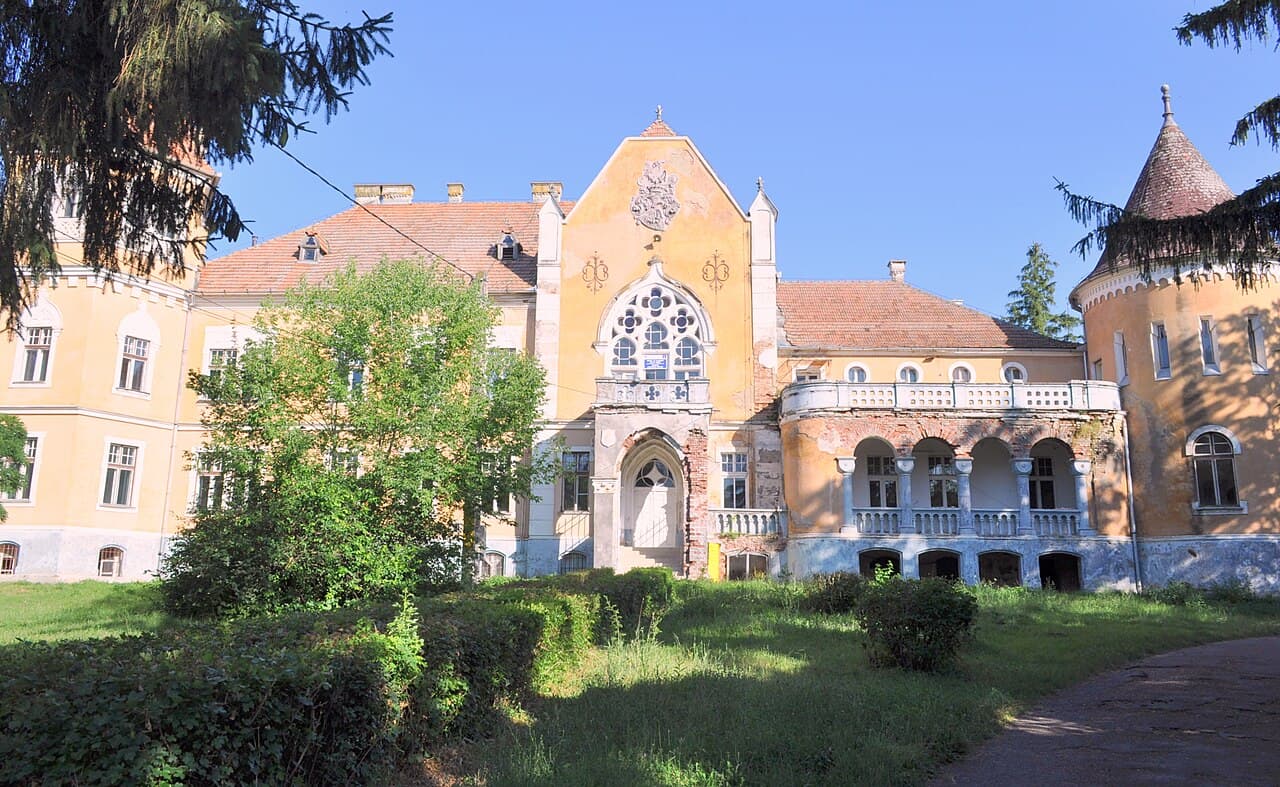
Kemény-Bánffy castle, located in the village of Luncani in Cluj County, Romania, is a significant example of a hill castle that reflects the architectural and historical heritage of the region. Set on a strategic elevation, the castle's location was chosen for its natural defensive advantages, typical for medieval fortifications in Transylvania. Historical background and ownership The castle is associated with the prominent Kemény and Bánffy families, noble lineages that played important roles in Transylvanian history. The Kemény family, known for their influence and landholdings, contributed to the castle's development and maintenance over several centuries. The Bánffy family, also notable in the region, is linked to the castle through marriage and ownership transitions, reflecting the complex feudal relationships of the area. Architectural features and style Constructed primarily as a hill castle, the Kemény-Bánffy castle exhibits characteristics typical of medieval fortifications designed for defense and residence. The castle's fortifications include thick stone walls adapted to the uneven terrain, towers positioned for surveillance and protection, and a courtyard that served as the central space for daily activities and gatherings. The architectural style combines elements from various periods due to renovations and expansions carried out by successive owners. While the core structure dates back to the High Medieval period, later additions may incorporate Renaissance or Baroque influences, common in Transylvanian noble residences as they evolved from purely military fortresses to more comfortable estates. Defensive structures The castle’s elevated position provided natural defense, supplemented by man-made features such as battlements and fortified gates. The walls were designed to withstand sieges, with narrow windows for archers and thick ramparts. Some towers may have served as keeps or donjons, offering refuge during attacks. Cultural and historical significance Kemény-Bánffy castle is a testament to the feudal history of Transylvania and the role of noble families in shaping regional politics and culture. The castle not only served military functions but also acted as a residence and administrative center for the surrounding lands. Its preservation contributes to understanding the architectural evolution and social history of the area. Current condition and preservation The castle's current state varies depending on conservation efforts. Some parts of the structure remain well-preserved or restored, while others may be in ruins or partially preserved. The site attracts visitors interested in history, architecture, and Transylvanian heritage, though detailed information about public access and facilities is limited. Visiting and accessibility Visitors to the Kemény-Bánffy castle can explore the castle grounds and appreciate the historical ambiance of the hilltop location. The castle's setting offers panoramic views of the surrounding landscape, enhancing the experience. Prospective visitors should verify opening hours and access conditions locally, as these may vary. Frequently asked questions What is the historical significance of Kemény-Bánffy castle? The castle reflects the history of noble families in Transylvania and served as a defensive and residential site. When was the castle built? The core structure dates back to the High Medieval period, with later modifications. Can visitors tour the castle? Access may be available, but visitors should check local information for opening times and conditions. What architectural styles are present? Primarily medieval with possible Renaissance and Baroque influences from later renovations. Is the castle well-preserved? The condition varies; some parts are restored while others may be ruins or partially preserved.

High Medieval (11th–13th c.)
Details
23 km
Haller Castle — Romania castle

Haller Castle

, Romania

Haller Castle is a notable example of a hill castle located in Romania, though its precise city location remains less documented. This castle represents the architectural and historical heritage of medieval fortifications in the region. Built to take advantage of elevated terrain, hill castles like Haller Castle were strategically positioned to oversee surrounding lands and provide defense against invaders. Architectural features and design The design of Haller Castle reflects typical characteristics of hill castles, including robust stone walls adapted to the natural contours of the terrain. While detailed architectural plans are scarce, such castles commonly feature a keep or donjon as the central stronghold, surrounded by defensive walls and possibly a courtyard. The elevated position would have allowed defenders to monitor and control access routes effectively. Defensive structures Defensive elements likely included battlements, towers for archers or lookouts, and possibly a gatehouse controlling entry. The natural slope of the hill would have enhanced the castle's defenses by making direct assaults more difficult. Moats or ditches might have been incorporated if the terrain permitted, although this is less common for hill castles. Historical context and significance While specific historical events tied to Haller Castle are not well documented, castles of this type in Romania generally date from the High Medieval period, roughly the 12th to 15th centuries. They served as fortresses for local nobility or military leaders and were integral to regional defense networks during times of frequent conflict and territorial disputes. The castle's name suggests a connection to the Haller family or a similarly named noble lineage, which may have held the castle as a seat of power or administration. Such castles often functioned as centers of local governance and symbols of feudal authority. Preservation and current condition The current state of Haller Castle is not extensively recorded, but many similar Romanian hill castles have survived as ruins or partially preserved structures. Preservation efforts vary widely depending on local interest, funding, and accessibility. Visitors to such sites can often explore remnants of the walls, towers, and other architectural features that hint at the castle's former strength and importance. Visiting Haller Castle Due to the limited information on the exact location and visitor facilities, prospective visitors should seek local guidance or regional tourism resources in Romania for access details. Hill castles typically require some hiking or walking on uneven terrain, so appropriate footwear and preparation are recommended. Nearby attractions Romania is rich in medieval history and castles, with notable sites such as Bran Castle and Corvin Castle within the broader region. Visitors interested in medieval architecture and history may find exploring these alongside Haller Castle rewarding. Architectural and historical importance Haller Castle exemplifies the medieval tradition of fortifying elevated sites to maximize defense and control. Its architecture, though not fully documented, contributes to understanding the military and residential strategies of the period in Romania. Such castles are valuable for their cultural heritage and as tangible links to the region's feudal past.

High Medieval (11th–13th c.)
Details
24.1 km
Haller Mansion — Romania castle

Haller Mansion

, Romania

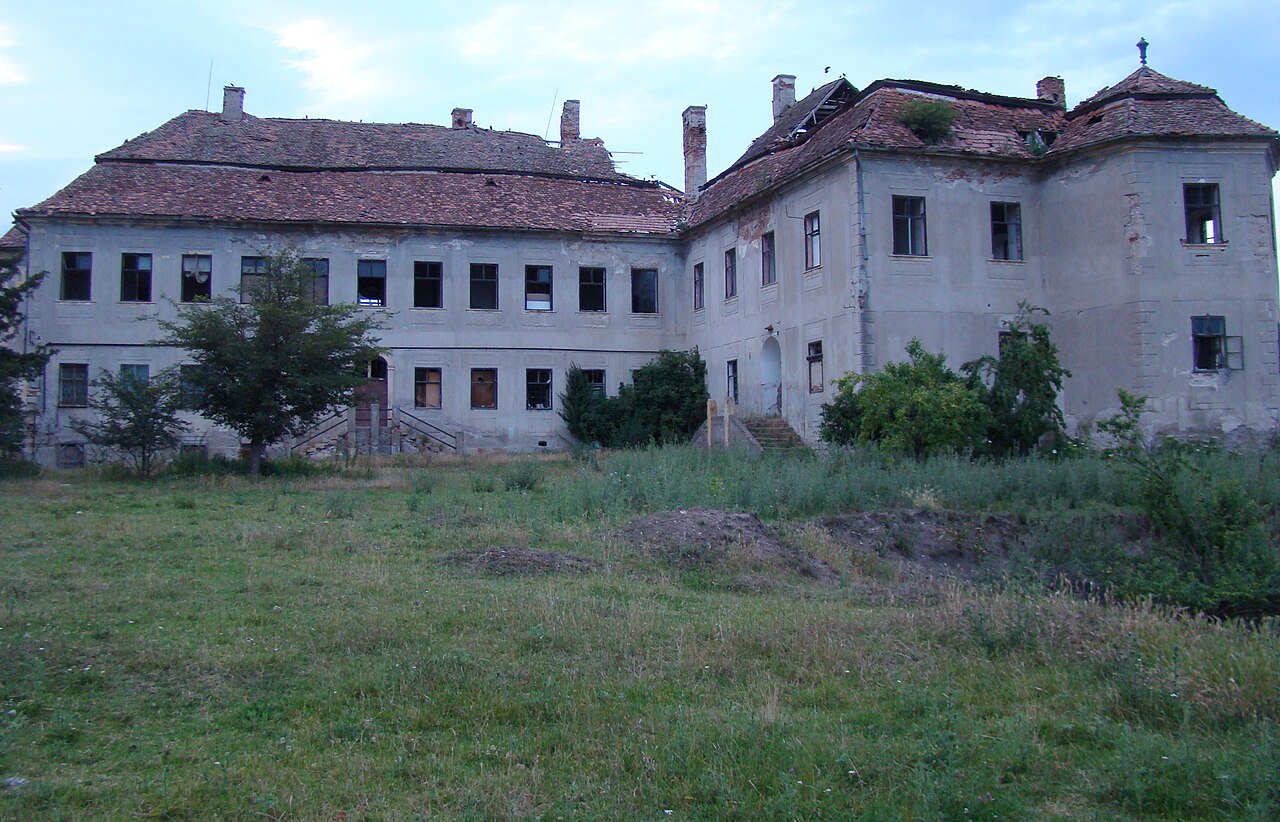
The Haller Mansion is a notable example of post-Renaissance architecture located in Romania, dating back to the 18th century. Although now in a state of ruins, the mansion reflects the architectural and cultural transitions of its era, providing valuable insights into the region's history and aristocratic residences of the time.Historical context and significanceConstructed during the 18th century, the Haller Mansion was part of a broader trend of aristocratic estates built in the post-Renaissance period, a time when architectural styles evolved from the ornate Baroque to more restrained classical influences. The mansion belonged to the Haller family, a prominent noble lineage in Transylvania, Romania, known for their contributions to local governance and culture.While specific historical records about the mansion's construction and use are limited, its existence as a noble residence underscores the social and economic structures of the time, where landed aristocracy played a significant role in regional affairs.Architectural features and designThe mansion originally exhibited characteristics typical of post-Renaissance architecture, blending elements of late Baroque and early neoclassical styles. This included symmetrical layouts, balanced proportions, and restrained decorative motifs compared to the exuberance of earlier Baroque designs.Key architectural components likely included a central main building flanked by auxiliary wings, formal gardens, and possibly defensive features adapted to the period's needs. The mansion's design would have emphasized comfort and status, with large windows, elaborate doorways, and interior spaces designed for both private living and social functions.Construction materials and techniquesThe mansion was probably constructed using locally sourced stone and brick, common in Romanian aristocratic buildings of the 18th century. Traditional masonry techniques combined with emerging construction methods of the period would have ensured durability, although centuries of neglect have led to its current ruined state.Current condition and preservation effortsToday, the Haller Mansion stands as a ruined archaeological site, with only partial walls and foundational structures remaining. The site offers valuable opportunities for archaeological study, helping to piece together the lifestyle and architectural preferences of Romanian nobility in the post-Renaissance era.Preservation efforts are limited, and the mansion's condition continues to deteriorate due to exposure to natural elements and lack of comprehensive restoration. However, its ruins remain a point of interest for historians, archaeologists, and visitors interested in Romania's noble heritage.Visiting the Haller MansionAccess to the Haller Mansion ruins is generally available to the public, though facilities and visitor services are minimal due to its status as an archaeological site rather than a fully restored castle or museum. Visitors should prepare for uneven terrain and limited signage.The site is particularly appealing to those interested in historical architecture, archaeology, and the cultural history of Transylvania. It offers a glimpse into the region's aristocratic past through its remaining structural elements.

Post-Renaissance (17th–18th c.)
Details