Castell de la Suda
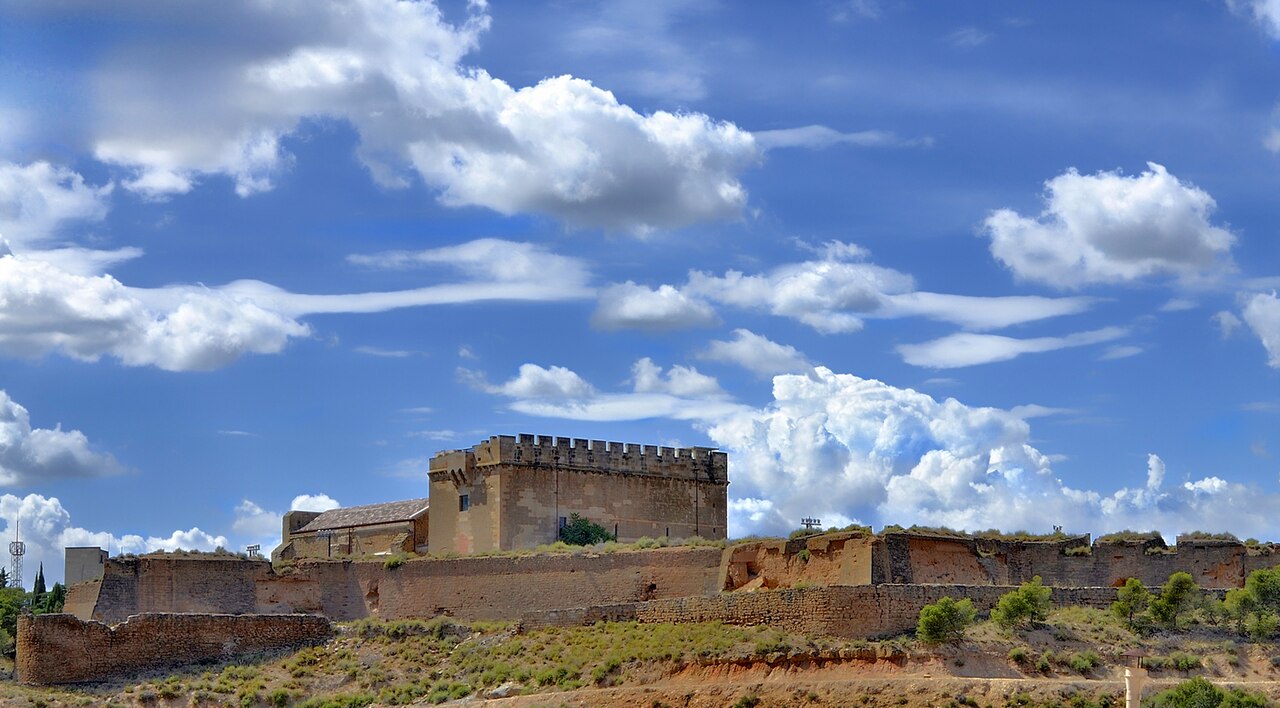
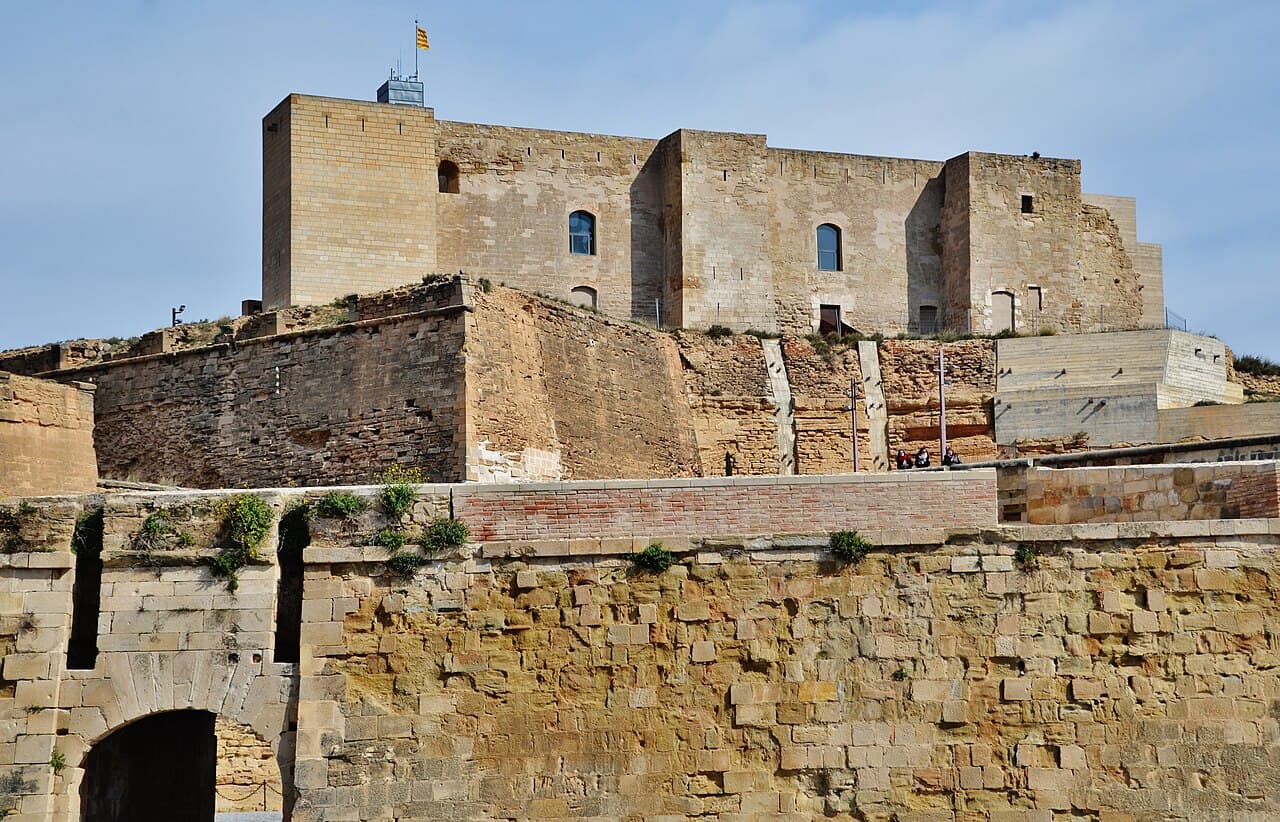
Castell de la Suda, also known as the Castell del Rei or King's Castle, is a significant historic fortress-palace located on a hill overlooking the city of Lleida in Catalonia, Spain. This site presents a remarkable architectural palimpsest, with visible remains primarily from the Romanesque-Gothic period of the 13th and 14th centuries built atop earlier fortifications, including a 9th-century andalusí kasbah from the Islamic period. The castle's strategic position atop the hill has made it a focal point of military and political power for over two millennia.
Roman origins and early fortifications
The earliest known fortifications at the site date back to the 1st century BC, evidenced by the Roman walls near the main entrance, the Puerta del León (Lion's Gate). These walls were constructed before 26-16 BC and formed part of the Roman city defenses of Lerida, the ancient Roman name for Lleida. Over time, these walls were reinforced and built over during the 9th and 10th centuries under Islamic rule, when the site functioned as a kasbah, a fortified urban area, reflecting the Arabic origin of the name "Suda" meaning "enclosed urban area" or citadel.
Medieval transformation into a royal palace
During the 13th and 14th centuries, the fortress was transformed into a royal palace, exhibiting the Romanesque and Gothic architectural styles characteristic of medieval Catalonia. This period marks the castle's most visible remains today. The castle served as a royal residence and administrative center for the Crown of Aragon. Notably, in 1214, the castle hosted a court session where the young James I of Aragon, aged six, was recognized and crowned King of Aragon by the Catalans and Aragonese, cementing its political importance.
Significant historical events
The castle was the site of several important medieval political acts, including the signing of the Querimonia in 1313 by James II of Aragon, granting autonomy to the Aran Valley. It was also where the Paréages of Andorra were signed in 1278 and 1288, establishing the unique joint sovereignty over Andorra between the Bishop of Urgell and the Count of Foix, a political arrangement that persists today.
Military use and later history
The castle's military significance continued through the centuries. It was used as a military headquarters during the Reapers' War (mid-17th century) and remained a military facility until its demilitarization in 1941. During the War of the Spanish Succession (early 18th century), an explosion in the castle's arsenal caused extensive destruction to the original medieval structures, contributing to its current ruined state.
Despite being declared a national monument in 1931, the castle remained under military control for another decade. The fortress shares its hill with the Old Cathedral of Lleida, whose foundation stone was laid in 1203 following the Christian reconquest of the city from Muslim control in 1149 by the Catalan counts Ramon Berenguer IV and Ermengol VI.
Surrounding fortifications and urban context
Nearby, just over a mile away on a neighboring hill, stands Gardeny Castle, a 12th-century Romanesque fortress built by the Knights Templar. Gardeny Castle was strategically positioned to defend the only accessible side of Castell de la Suda. In the 19th century, during the siege led by General Suchet, additional fortifications such as San Fernando and Pilar were constructed to bolster the city's defenses.
Architectural features and current condition
The castle complex includes remnants of fortified walls, gates, and the palace structures that reflect its varied history from Roman through Islamic to medieval Christian periods. The Puerta del León remains a key surviving feature, alongside sections of the Roman wall beneath it. The castle today stands as ruins, offering valuable archaeological insights into the region's layered past.
The name "Suda" itself, derived from Arabic, emphasizes the site's origins as a fortified urban area central to the medieval Muslim city of Larida. The castle's historical and architectural layers make it an important monument illustrating the cultural transitions in Catalonia from antiquity through the Middle Ages.
Visiting Castell de la Suda
Visitors to Castell de la Suda can explore the ruins and appreciate the castle's commanding views over Lleida and the surrounding landscape. The site offers a tangible connection to the city's Roman origins, Islamic period, and medieval Christian history. Nearby attractions include the Old Cathedral and Gardeny Castle, providing a comprehensive historical experience of Lleida's fortified heritage.
Frequently asked questions (FAQ)
- How do I get to Castell de la Suda?
- Castell de la Suda is located in the heart of Lleida, Spain, and can be easily reached by public transport or car. If you're coming by train, there are local buses and taxis available to take you directly to the castle. The castle is also within walking distance from the city center, making it accessible for those exploring Lleida on foot.
- What is the historical significance of Castell de la Suda?
- Castell de la Suda dates back to the 11th century and has played a crucial role in the history of Lleida. It served as a defensive fortress during the medieval period and was a strategic site for various rulers. Today, it stands as a symbol of the city’s rich heritage and offers insights into its historic past.
- When was Castell de la Suda built?
- The construction of Castell de la Suda began in the 11th century during the period of Muslim rule in the region. It was later expanded and modified by Christian rulers after the conquest of Lleida in the 12th century. The castle has undergone various renovations, reflecting different architectural styles throughout its history.
- Can I take guided tours of Castell de la Suda?
- Yes, guided tours of Castell de la Suda are available for visitors who want to learn more about its history and architecture. These tours are conducted by knowledgeable guides who provide in-depth information and answer any questions you may have. It’s advisable to check the schedule and book in advance during peak tourist seasons.
- Why is Castell de la Suda a popular tourist attraction?
- Castell de la Suda is popular due to its stunning views of Lleida and its fascinating historical significance. The castle's well-preserved architecture and the scenic surroundings make it a perfect spot for photography and exploration. Additionally, it often hosts cultural events and exhibitions, enhancing its appeal to visitors.
- Is it possible to access Castell de la Suda with a wheelchair?
- Yes, Castell de la Suda is designed to be accessible for visitors with mobility challenges. There are ramps and designated pathways to help navigate the site. However, some areas may be more difficult to access due to the castle's historical structure, so it's advisable to check with the staff for specific accessibility options.
- What are the opening hours for Castell de la Suda?
- Castell de la Suda is typically open to visitors from 10 AM to 7 PM during the summer months and from 10 AM to 5 PM during the winter months. It's important to verify the opening hours on the official website or contact the castle directly, as they may vary on holidays or special events. Planning your visit around these hours will ensure you have ample time to explore.
- What are the ticket prices for visiting Castell de la Suda?
- Ticket prices for Castell de la Suda are generally affordable, with discounts available for students, seniors, and children. Adult tickets typically cost around €5, while concessions may be priced lower. It’s a good idea to check for any special promotions or family packages on the castle's official website before your visit.
- What are some nearby attractions to Castell de la Suda?
- Nearby attractions include the stunning Cathedral of Lleida, the historic La Paeria, and the picturesque gardens of the river Segre. Visitors can also explore the local shops and cafes in the surrounding area. Combining a visit to Castell de la Suda with these nearby sites makes for a rich cultural experience in Lleida.
Photo gallery

Information
Loading map...
Visitor reviews
No reviews yet. Been here? Write the first review and help other travelers!
Write the first reviewVisited this castle? Share your experience
Your review helps other travelers and adds first-hand knowledge to our encyclopedia.