Castell de la Saira
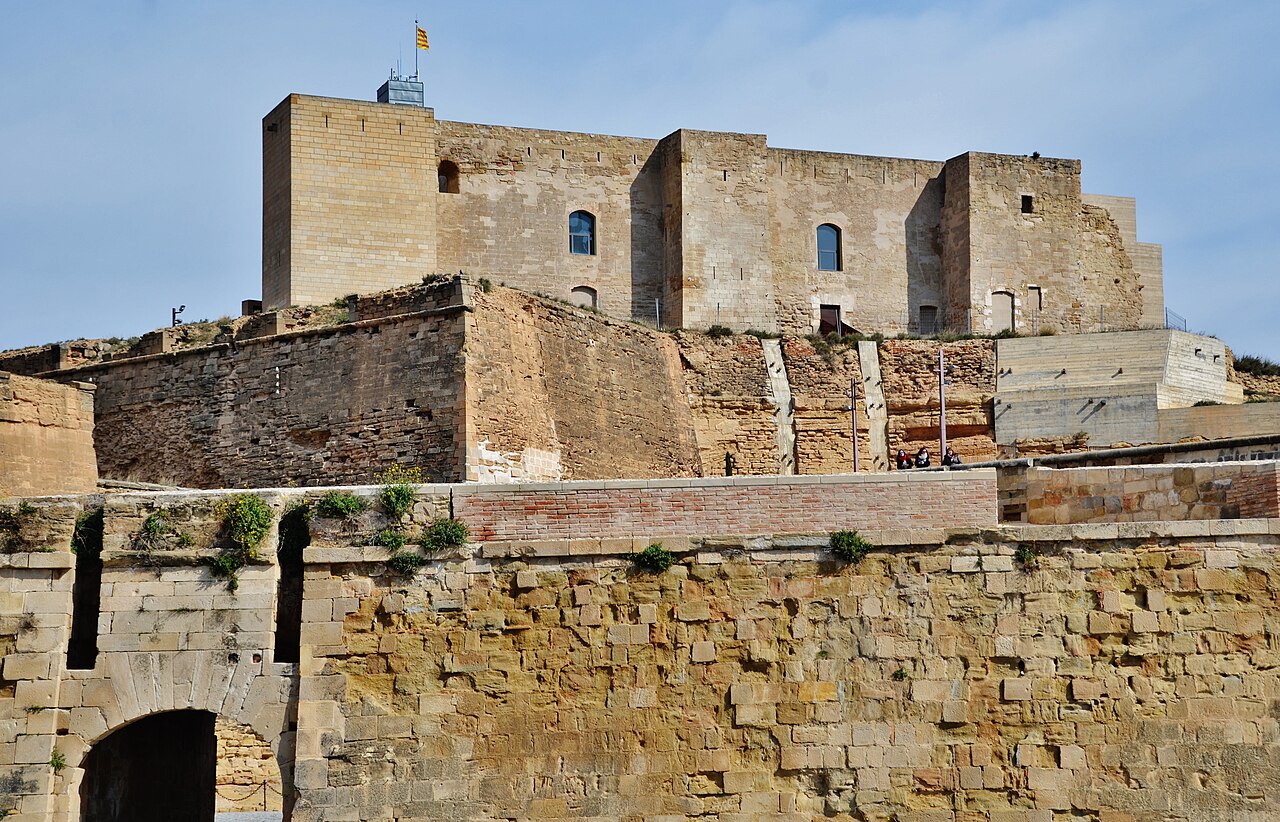
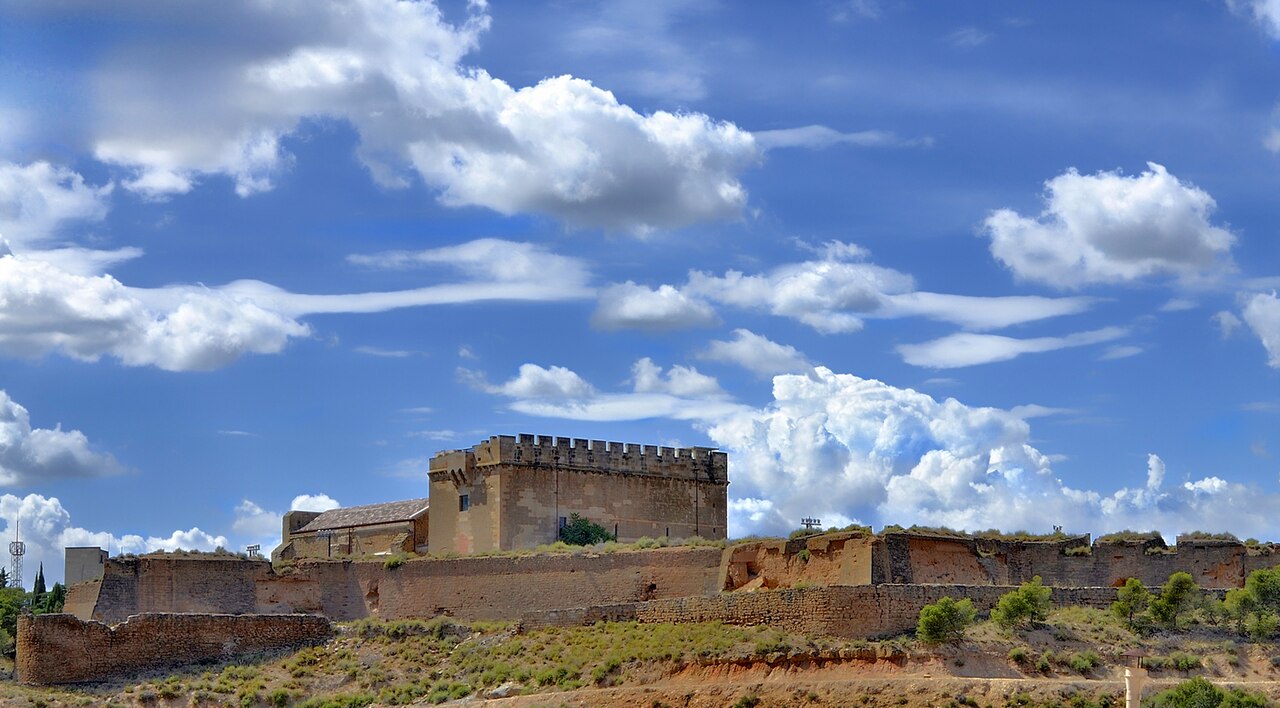
The Castell de la Saira is a significant hill castle located in the municipality of Almacelles, Spain. This fortress stands on the Tossal de la Caperutxa hill, rising to 351 meters above sea level, commanding views over the surrounding landscape. Its strategic position has made it a site of human occupation and military importance for over two millennia, reflecting a complex history that spans from the pre-Iberian era through the medieval period and into modern times.
Early settlement and pre-Roman origins
Archaeological evidence reveals that the site of Castell de la Saira was first occupied in the 7th century BC, during the pre-Iberian period. This early settlement is linked to the Ilergetian community, an ancient Iberian people who inhabited the region. Excavations have uncovered remains dating from the 3rd to 2nd centuries BC on the southern slope of the hill, indicating a well-established Ilergetian presence. These findings highlight the site's long-standing role as a center of human activity long before the construction of the castle itself.
The impact of Romanization and abandonment
During the period of Romanization, the site appears to have been abandoned. This reflects broader shifts in settlement patterns as Roman influence expanded across the Iberian Peninsula. The reasons for this abandonment are not fully documented, but it suggests that the strategic or residential importance of the hilltop diminished during Roman times, possibly due to the establishment of new urban centers or changes in military strategy.
Medieval reoccupation and fortress construction
In the early medieval era, around the 10th and 11th centuries AD, the site was reoccupied and transformed into a fortified complex. The castle was likely constructed as a Hisn-type fortress, a style characteristic of Andalusian defensive architecture during the Islamic period in Spain. This type of fortress served multiple functions: it controlled the surrounding territory, secured frontier areas, and provided refuge for local inhabitants during times of conflict.
The fortress was part of the Islamic district known as Larida, playing a strategic role in regional defense. Its quadrangular layout featured a walled enclosure with square towers at key points along the perimeter. The construction utilized local stone and a traditional technique called tàpia — rammed earth mixed with stone — which was common in the region. The masonry includes roughly cut stone blocks bonded with a cement mixture typical of the Christian period during the 10th and 11th centuries, suggesting that the castle underwent structural refurbishments or extensions during or after the Reconquista.
Architectural features and defensive structures
At the heart of the complex lies the remains of a tower base approximately two meters high. Scholars estimate the original tower rose between seven and nine meters, likely rectangular in shape. This tower functioned as the main defensive stronghold and observation point, overseeing the entire fortified area and the surrounding landscape. The castle's walls and towers were designed to maximize defense, with battlements and strategic vantage points.
Excavations on the southern slope uncovered a compact grouping of dwellings aligned with a perpendicular wall, indicating a settled community living within or closely associated with the fortress. This suggests that Castell de la Saira was not only a military installation but also a center of local habitation and administration.
Post-Reconquista use and decline
Following the Christian conquest of the region, the fortress continued to serve a defensive and administrative role into the late medieval period. However, by the 17th century, the castle suffered significant destruction, marking the end of its active military function. Over time, the site fell into ruin, and many of its stones were repurposed for other constructions.
Despite this decline, the historical importance of Castell de la Saira was recognized in the 20th century. In the 1970s, it was declared a Cultural Asset of National Interest, ensuring legal protection and conservation efforts. Archaeological excavations and restoration projects in the early 21st century have helped to preserve the site and deepen understanding of its multiple occupation phases.
Modern archaeological findings and preservation efforts
The castle's remains demonstrate a fascinating layering of history, from the ancient Ilergetian settlement to the medieval fortress. The use of tàpia and local stone in construction reflects traditional building methods adapted to the region's resources and defensive needs. The presence of a geodetic vertex on the hilltop today underscores the site's continued geographical significance.
Parts of the castle were significantly altered over the centuries, including the incorporation of remnants into a tower once used by the Hydro-electric company of Catalonia. Restoration efforts carried out in 2005 have focused on stabilizing the ruins and maintaining the site's integrity under the protection of the Catalan Department of Culture.
Visitor experience and cultural significance
Today, Castell de la Saira offers visitors a glimpse into a layered past, where ancient Iberian culture meets medieval Islamic and Christian histories. The site’s elevated position provides panoramic views of the surrounding landscape, enhancing its appeal as a historical and cultural landmark. Interpretive signage and ongoing archaeological work contribute to its educational value, making it a noteworthy destination for those interested in Spain's diverse historical heritage.
Frequently asked questions (FAQ)
- When was Castell de la Saira originally built?
- The site of Castell de la Saira was first occupied in the 7th century BC, with the fortress constructed in the early medieval period around the 10th or 11th century AD.
- What architectural style characterizes Castell de la Saira?
- The castle was likely built as a Hisn-type fortress typical of Andalusian Islamic defensive architecture, featuring quadrangular walls and square towers.
- Is Castell de la Saira accessible to visitors today?
- Yes, the site is preserved as a cultural heritage monument and can be visited, offering views of the surrounding landscape and archaeological remains.
- Why was the castle abandoned during the Roman period?
- The site was likely abandoned due to shifts in settlement patterns during Romanization, possibly favoring new urban centers and military strategies.
- What restoration efforts have been made at Castell de la Saira?
- Restoration projects in the early 21st century, including work in 2005, have helped stabilize the ruins and preserve the site under the protection of the Catalan Department of Culture.
Information
Website
Visit websiteSources & official resources
Verify the information above using these authoritative references.
Loading map...
Visitor reviews
No reviews yet. Been here? Write the first review and help other travelers!
Write the first reviewVisited this castle? Share your experience
Your review helps other travelers and adds first-hand knowledge to our encyclopedia.