Carlow Castle
Carlow Castle (Irish: Caisleán Cheatharlach) is a significant high medieval fortress located near the River Barrow in County Carlow, Ireland. Constructed between 1207 and 1213, it is recognized as a National Monument of Ireland due to its historical and architectural importance. The castle's remains today present a valuable glimpse into medieval military architecture and the turbulent history of Norman Ireland.
Historical background and strategic significance
The castle was built shortly after the Norman invasion of Ireland, during a period when the Normans were consolidating their control over the region. Carlow Castle was strategically positioned near the River Barrow, a crucial waterway for transportation and trade, which also served as a natural defensive barrier. The castle's location allowed it to oversee and control movement along the river and the surrounding lands, making it a vital military and administrative center in the area.
Its construction dates to the early 13th century, a time when the Normans were establishing fortified settlements to secure their newly acquired territories. The castle played a role in local conflicts and power struggles typical of the era, reflecting the broader political and military landscape of medieval Ireland.
Architectural features and design
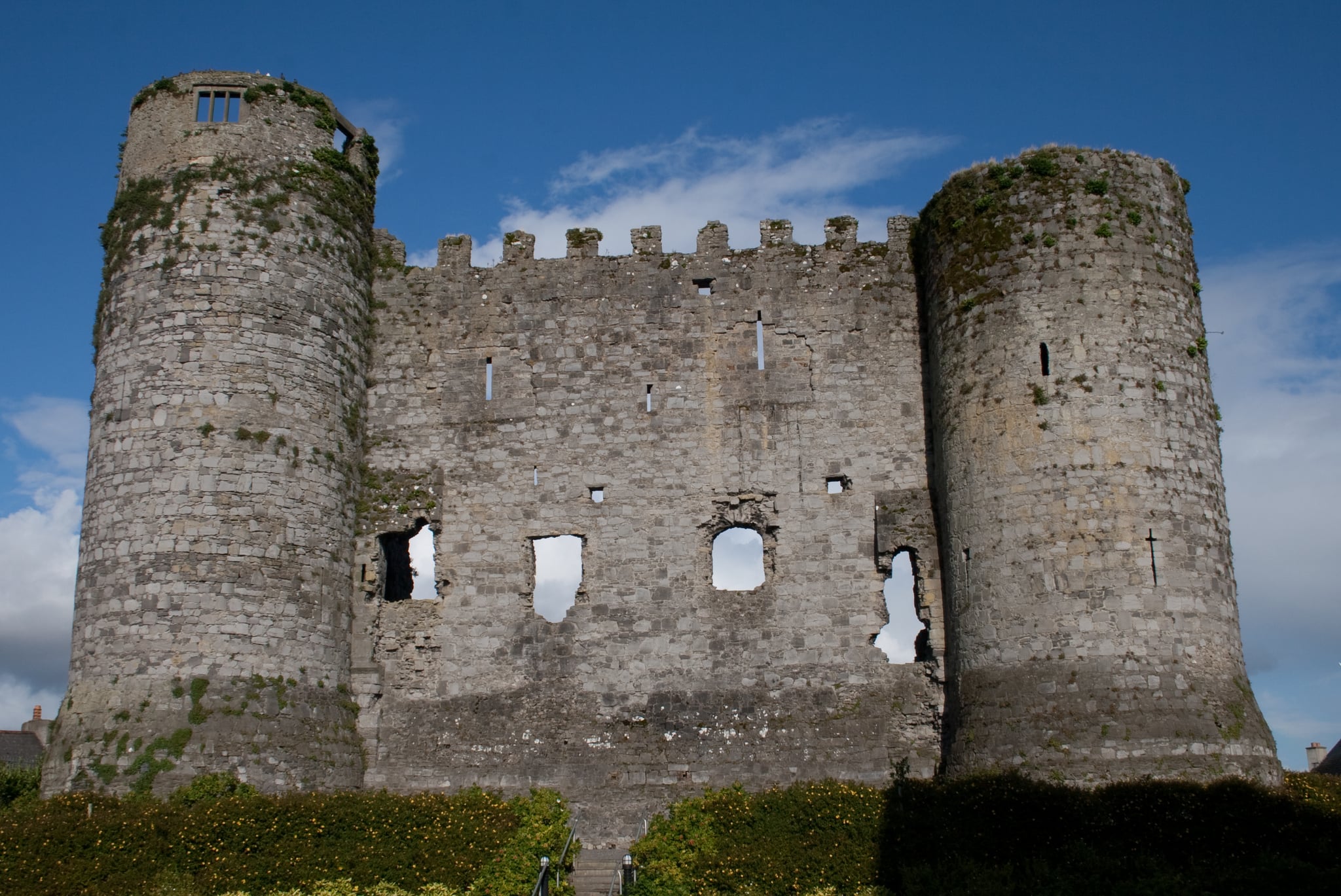
Carlow Castle was originally built as a rectangular tower house, a common Norman design during the high medieval period. The structure was constructed using local stone, with thick walls designed to withstand attacks. The castle's footprint measures approximately 20 by 12 meters, with walls up to 2.4 meters thick, emphasizing its defensive purpose.
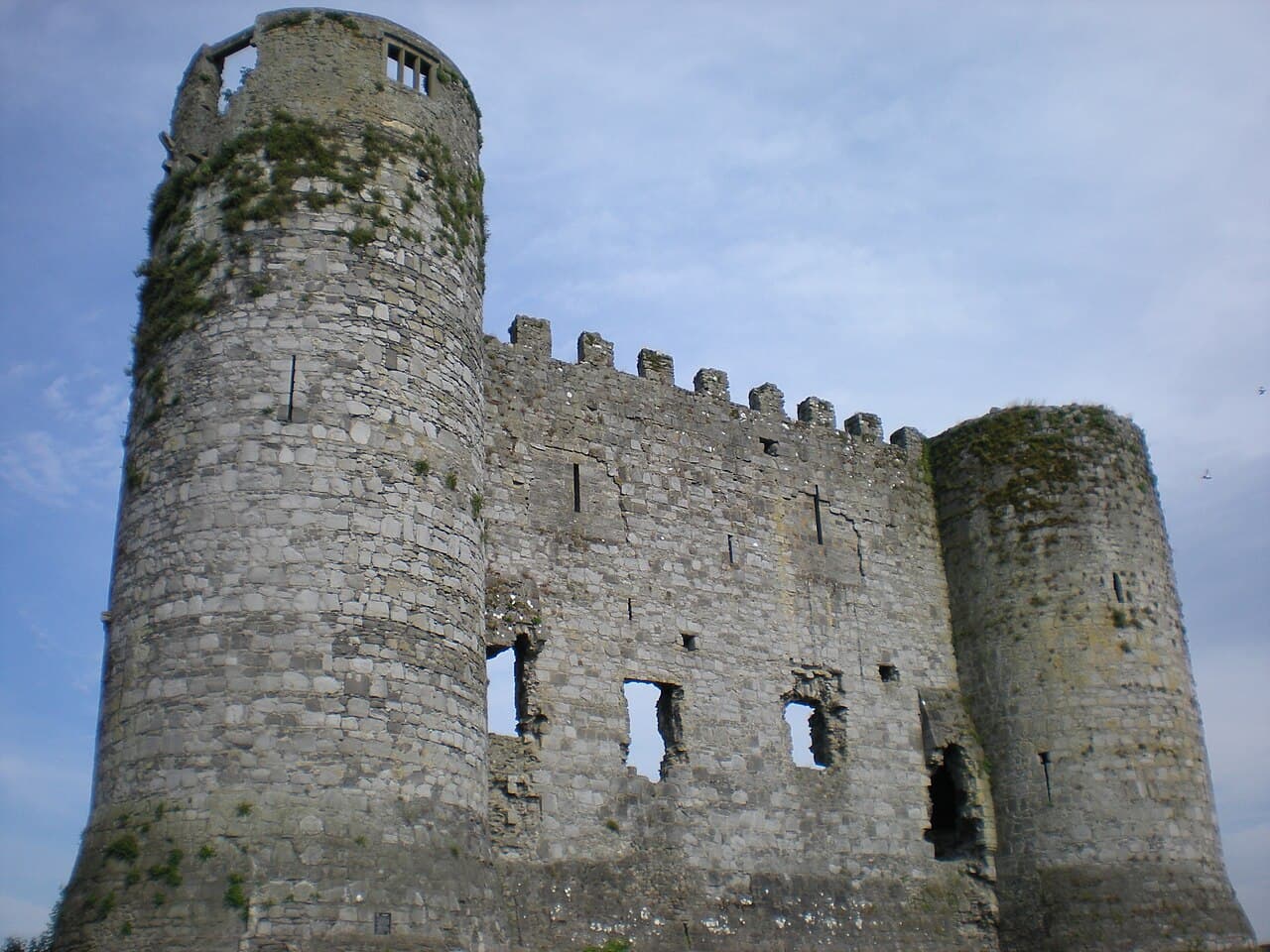
The surviving ruins show evidence of multiple floors, with narrow slit windows for archers and a large entrance on the ground floor. The upper floors would have housed the lord's chambers and defensive positions. The castle likely featured a battlemented parapet and possibly a surrounding curtain wall or bailey, although these elements are no longer extant.
Its design reflects the typical Norman military architecture adapted to the Irish landscape, combining both residential and defensive functions. The castle's compact form was intended to provide a stronghold against local resistance and rival factions.
Current condition and preservation
Today, Carlow Castle stands in a state of ruins, with much of its original structure lost to time and weathering. The remaining walls, however, still convey the scale and strength of the original fortress. The site is protected as a National Monument, ensuring its preservation and accessibility to the public.
Archaeological investigations have provided insights into the castle's construction techniques and historical context. Conservation efforts focus on stabilizing the ruins and preventing further deterioration, allowing visitors to appreciate the castle's historical significance.
Visiting Carlow Castle
The castle is accessible to visitors interested in medieval history and architecture. Its location near the River Barrow offers scenic views and opportunities to explore the surrounding landscape. While the castle is primarily a ruin, informational signage helps contextualize its historical role.
Visitors should prepare for uneven terrain and limited facilities on-site. The best time to visit is during the warmer months when the weather is favorable for outdoor exploration.
Legacy and cultural importance
Carlow Castle remains an important symbol of Norman influence in Ireland and the medieval history of County Carlow. Its ruins serve as a tangible connection to the past, illustrating the architectural and military strategies of the period.
The castle contributes to the cultural heritage of the region, attracting historians, archaeologists, and tourists alike. Its preservation as a National Monument underscores the value placed on protecting Ireland's medieval architectural legacy.
Frequently asked questions (FAQ)
- What is the historical significance of Carlow Castle?
- Carlow Castle is a prominent medieval structure built in the late 12th century, signifying the power of the Anglo-Normans in Ireland. Its strategic location on the River Barrow made it a key fortification for controlling the surrounding area and reflects the architectural styles of its time.
- When was Carlow Castle constructed?
- Carlow Castle was constructed in 1207 by the Anglo-Norman lord William Marshall. Its construction marked the beginning of a significant period in Carlow’s history, as it served as a stronghold for centuries.
- Can I visit Carlow Castle?
- Yes, visitors are welcome to explore Carlow Castle. While the castle itself is largely in ruins, the site offers beautiful views and a glimpse into Ireland's medieval past.
- What are the opening hours for Carlow Castle?
- Carlow Castle is open to the public year-round, typically from 9 AM to 5 PM. However, it is advisable to check local listings for any seasonal changes or special events that may affect these hours.
- Is it possible to access Carlow Castle with mobility aids?
- Access to Carlow Castle can be challenging due to its historical ruins and uneven terrain. However, there are pathways that provide some access, and visitors are encouraged to plan ahead and contact local authorities for assistance if needed.
- What is the best time to visit Carlow Castle?
- The best time to visit Carlow Castle is during the late spring to early autumn months, from May to September. During this period, the weather is generally milder, allowing for a more enjoyable outdoor experience.
- Are there any nearby attractions to visit while at Carlow Castle?
- Yes, visitors to Carlow Castle can also enjoy nearby attractions such as the Carlow County Museum and the beautiful gardens at Delta Sensory Gardens. These sites provide additional cultural and recreational opportunities to enhance your visit.
- How much does it cost to visit Carlow Castle?
- Visiting Carlow Castle is free of charge, making it an accessible option for those interested in history and architecture. However, donations to support preservation efforts are always appreciated.
Photo gallery

Information
Loading map...
Visitor reviews
No reviews yet. Been here? Write the first review and help other travelers!
Write the first reviewVisited this castle? Share your experience
Your review helps other travelers and adds first-hand knowledge to our encyclopedia.