Cannero Castle
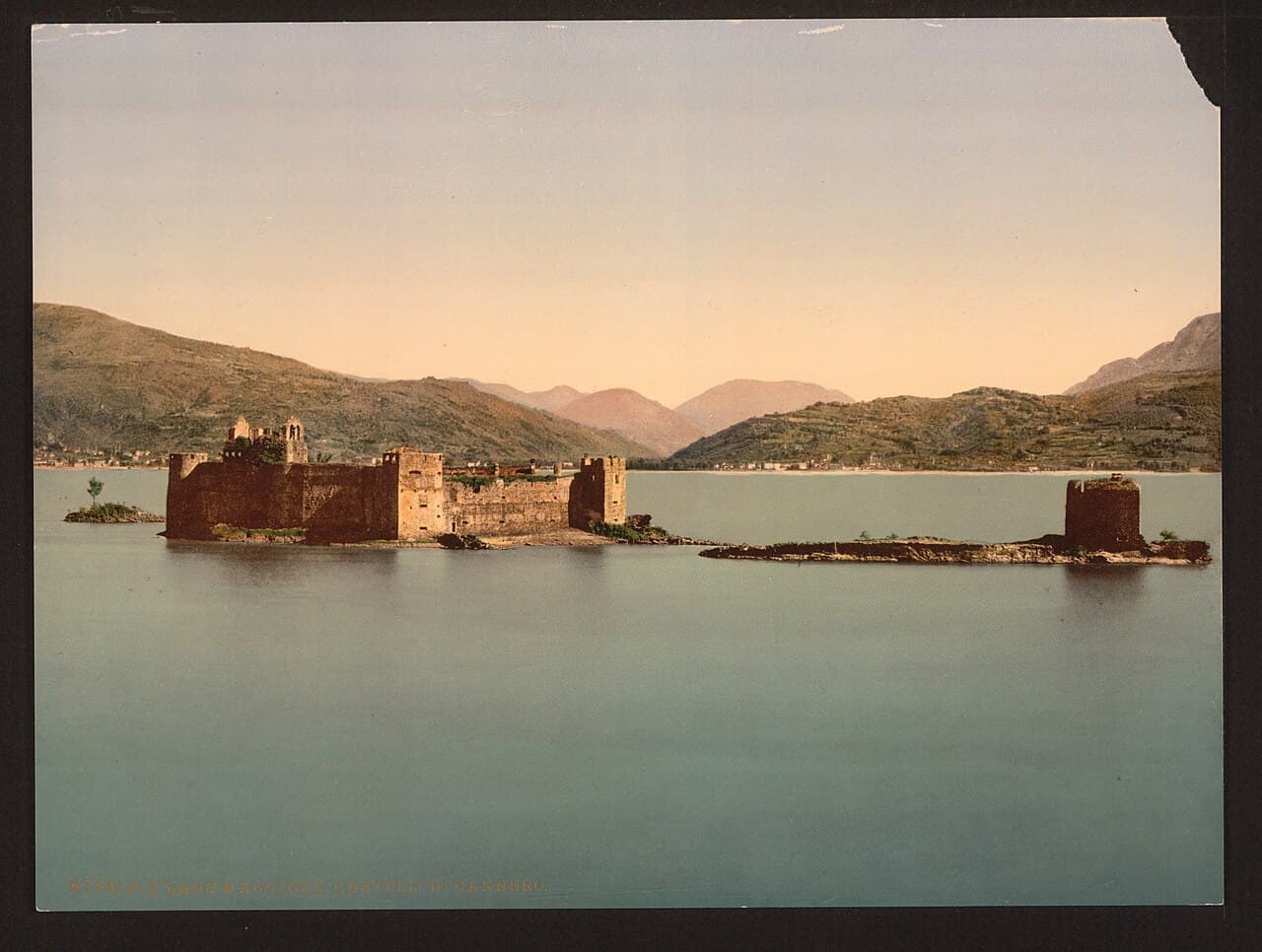
Cannero Castle stands out as a remarkable example of a water castle located on the small islands of Lake Maggiore in the Piemonte region of Italy. Unlike typical hill castles, this fortress was uniquely positioned surrounded by water, providing natural defense and strategic advantage. Its history is deeply intertwined with the turbulent early 15th century and the infamous Mazzarditi brothers, a group of five bandits known as the "brothers of the Malpaga." Around 1404, these brothers seized control of the nearby town of Cannero and used the castle as their stronghold to launch raids and plunder villages and vessels across the lake, effectively turning the area into a "pirate lake."
The Mazzarditi brothers and the castle's early history
The Mazzarditi brothers were notorious for their ruthless piracy and banditry, instilling fear throughout the region. The castle, often called the Castle of the Malpaga, served as their refuge and base of operations. Its isolated location in the water, often shrouded in fog, made it difficult for enemies to approach or launch attacks. Local populations suffered greatly under their raids, which prompted numerous complaints to the ruling powers of the time.
In response, Duke Filippo Maria Visconti, the ruler of Milan and the surrounding territories, decided to end the Mazzarditi threat. Around 1414, he laid siege to the castle with his army. The siege lasted several months, ultimately forcing the brothers to surrender due to starvation. Following their defeat, the castle was partially destroyed to prevent further use by bandits.
Reconstruction and later defensive role
In 1520, the castle was rebuilt and renovated by the Borromeo family, who were then the lords of the Lake Maggiore area. The reconstruction transformed Cannero Castle into a more formal fortress designed for surveillance and defense against potential incursions, particularly from Swiss forces. The Borromeos enhanced the castle's fortifications, adapting it to the evolving military technologies and threats of the Renaissance period.
Architecture and unique features
Cannero Castle's architecture reflects its unusual setting and history. Built on rocky islets, the fortress comprises stone walls rising directly from the water, with towers and battlements designed to provide wide visibility over the lake. The water surrounding the castle acted as a natural moat, complicating any assault. The castle's compact layout includes defensive walls, a courtyard, and living quarters adapted for both defense and habitation. Its position and construction make it a rare example of a water castle in northern Italy.
Legends and folklore
The castle is steeped in local legend, notably the tale of the "petrified feet" linked to the Mazzarditi brothers. According to the story, one of the bandits attempted to kidnap the grandson of a nearby villa owner to groom him as a successor in piracy. However, during the child's evening prayer, the kidnapper's foot was mysteriously frozen in place, causing the terrified bandits to flee. This legend adds a supernatural aura to the castle's dark past.
Another enduring legend speaks of a hidden treasure amassed by the Mazzarditi brothers during their years of plunder. It is said that before their defeat, they threw their wealth into the lake surrounding the castle. On foggy days, locals claim to see a ghostly ship near the castle, believed to be the spectral vessel of the bandits, eternally searching for their lost treasure.
Current status and cultural significance
Today, Cannero Castle remains a partially preserved ruin, attracting visitors interested in its unique history and setting. Its distinctive location in the water and its association with piracy and medieval warfare make it a fascinating site for historians and tourists alike. The castle is a symbol of the region's turbulent past and the strategic importance of Lake Maggiore in northern Italy's history.
Visitors can view the castle from the shore or by boat, appreciating its dramatic silhouette against the lake. The site is often enveloped in mist, enhancing its mysterious atmosphere and connection to the legends that surround it.
Visiting Cannero Castle
While the castle itself is not fully accessible due to its ruinous condition and island location, the surrounding area offers scenic views and opportunities for boat tours on Lake Maggiore. The nearby town of Cannero Riviera provides amenities and cultural attractions, making it a suitable base for exploring the castle and the lake region.
Exploring the castle's history offers insight into the complex political and social dynamics of northern Italy during the late medieval and Renaissance periods, highlighting the interplay between local banditry, noble power, and military architecture.
Frequently asked questions (FAQ)
- What is the historical significance of Cannero Castle?
- Cannero Castle was the stronghold of the notorious Mazzarditi brothers, feared bandits in the early 15th century. It later served as a defensive fortress rebuilt by the Borromeo family in 1520 to protect against Swiss raids.
- Can I visit Cannero Castle today?
- Cannero Castle is partially preserved and located on small islands in Lake Maggiore. While the castle itself is not fully accessible, visitors can admire it from the shore or via boat tours around the lake.
- Why is Cannero Castle unique among Italian castles?
- Its unusual location as a water castle on rocky islets in Lake Maggiore sets it apart from typical hill or lowland castles. This positioning provided natural defense and strategic control over the lake.
- What legends are associated with Cannero Castle?
- Local legends include the tale of the petrified feet of a kidnapper linked to the Mazzarditi brothers and stories of a hidden treasure thrown into the lake before the brothers' defeat.
- When was Cannero Castle rebuilt and who was responsible?
- The castle was rebuilt and renovated in 1520 by the Borromeo family, who enhanced its fortifications to serve as a fortress against Swiss incursions.
Photo gallery

Photo by Photochrom Print Collection•Public domain
Information
Loading map...
Visitor reviews
No reviews yet. Been here? Write the first review and help other travelers!
Write the first reviewVisited this castle? Share your experience
Your review helps other travelers and adds first-hand knowledge to our encyclopedia.