Cannenburch Castle
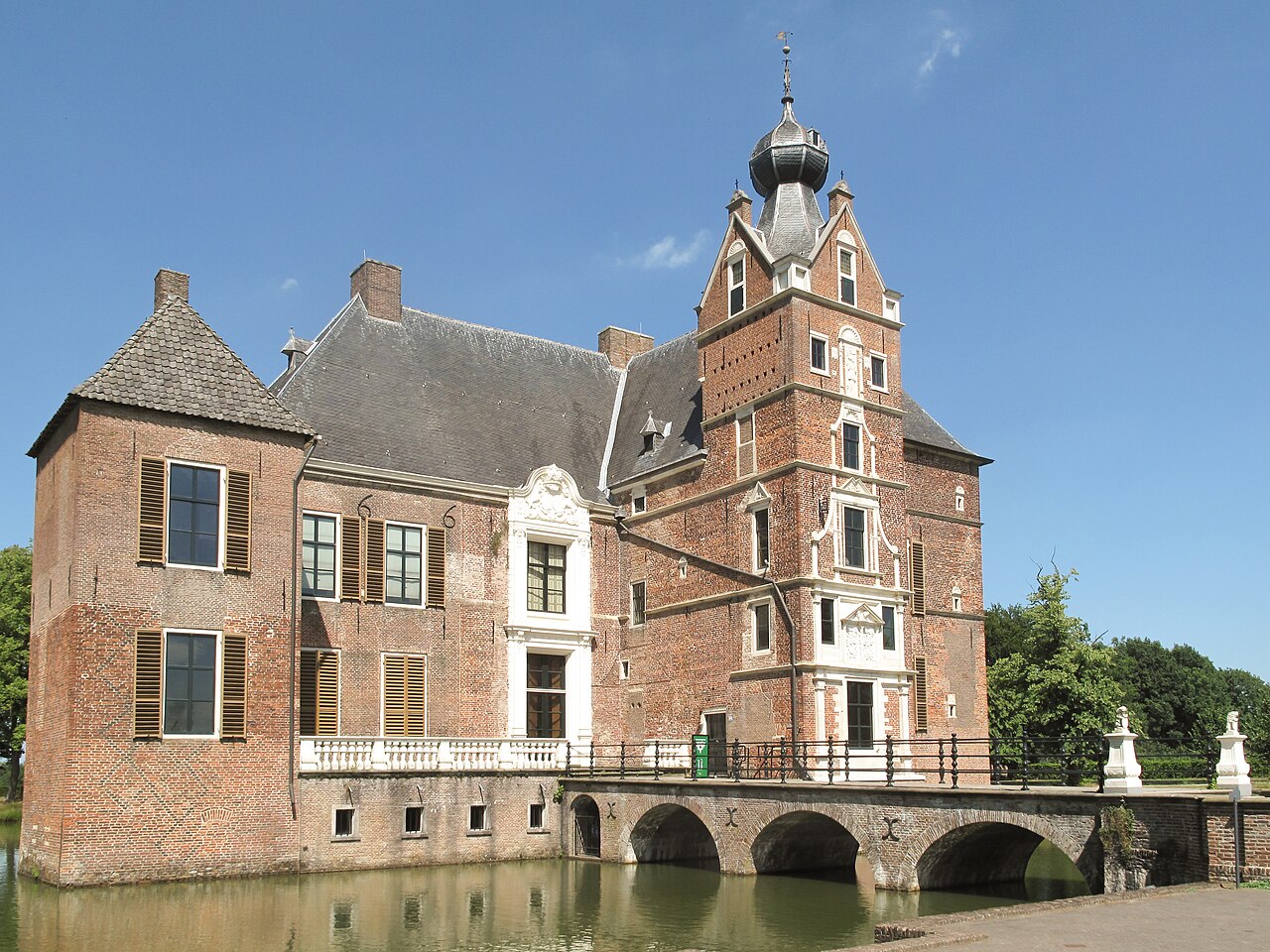
Cannenburch Castle is a striking example of a Renaissance castle located in the town of Vaassen, in the province of Gelderland, Netherlands. Constructed in 1544, it was commissioned by Marten van Rossem, a notable Dutch general, reflecting the military and residential architectural trends of the period.
The history and origins of Cannenburch Castle
The castle's origins trace back to the mid-16th century, a time when the Netherlands was undergoing significant political and military changes. Marten van Rossem, leveraging his status and resources, established Cannenburch as a fortified residence that combined both defensive and domestic functions. The castle was strategically positioned to oversee the surrounding lands, serving as a symbol of power and control.
Throughout its history, Cannenburch Castle has witnessed various ownership changes and adaptations, reflecting the evolving needs of its occupants. Its role transitioned from a primarily military fortress to a noble residence, mirroring broader shifts in castle usage during the Renaissance.
Architectural features and style
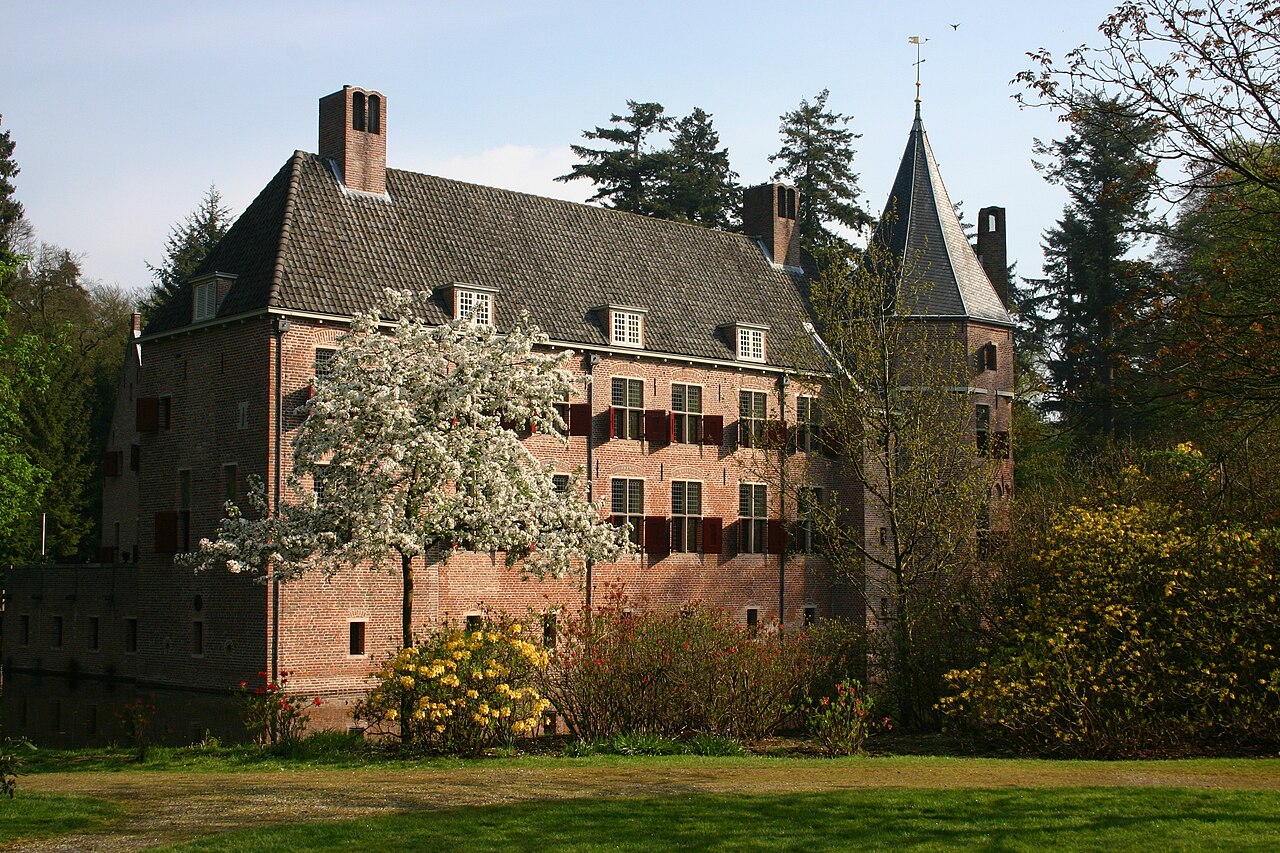
Cannenburch Castle is a prime example of Renaissance architecture in the Netherlands, characterized by its symmetry, proportion, and incorporation of classical elements. The castle's layout includes a central courtyard surrounded by robust walls and defensive towers, typical of the era's fortified manors.
The castle features corner towers that provided vantage points for surveillance and defense. The walls are constructed with sturdy masonry, and the design integrates both aesthetic appeal and functional fortification. Inside, the castle contains spacious halls and chambers designed for noble living, reflecting the Renaissance emphasis on comfort and style alongside defense.
Defensive structures
The castle's fortifications include a moat that encircles the structure, enhancing its defensive capabilities by creating a physical barrier against potential attackers. The entrance is secured by a gatehouse, which historically would have been guarded and possibly equipped with a drawbridge.
The cultural and historical significance of Cannenburch Castle
Cannenburch Castle holds cultural importance as a well-preserved example of Renaissance military architecture in the Netherlands. It provides valuable insights into the lifestyle and defensive strategies of Dutch nobility during the 16th century.
Today, the castle is recognized for its heritage value and is often visited by those interested in medieval and Renaissance history, architecture, and Dutch cultural heritage. Its preservation allows visitors to experience the atmosphere of a Renaissance noble residence fortified for protection.
Current status and visitor information
The castle is well preserved and serves as a museum open to the public. Visitors can explore the castle's interior, including its halls, chambers, and defensive structures, gaining an understanding of its historical context and architectural significance.
Located in the scenic surroundings of Gelderland, the castle offers a glimpse into the region's rich history and architectural heritage. It is accessible by road and is a popular destination for tourists interested in Dutch castles and Renaissance architecture.
Frequently asked questions (FAQ)
- What is the historical significance of Cannenburch Castle?
- Cannenburch Castle, located in Vaassen, Poland, is a remarkable example of medieval architecture and has a rich history dating back to the 14th century. It played a crucial role in local governance and defense during feudal times, serving as a noble residence and a strategic military stronghold.
- When was Cannenburch Castle built?
- Cannenburch Castle was constructed in the 14th century, with various renovations and expansions occurring over the centuries. Its architecture reflects the transitional styles of the Middle Ages, showcasing both defensive and residential features.
- What are the opening hours for Cannenburch Castle?
- Cannenburch Castle is open to visitors from 10 AM to 6 PM daily during the tourist season, which typically runs from April to October. Off-season hours may vary, so it is advisable to check the official website for the most current information.
- Can I take guided tours of Cannenburch Castle?
- Yes, guided tours are available at Cannenburch Castle, providing visitors with in-depth insights into its history and architecture. Tours are offered in multiple languages and can be booked in advance to ensure availability.
- Is Cannenburch Castle accessible for visitors with disabilities?
- Cannenburch Castle strives to be accessible to all guests; however, due to its historical nature, certain areas may present challenges. It is recommended to contact the castle administration prior to your visit to inquire about specific accessibility options and accommodations.
- What is the best time to visit Cannenburch Castle?
- The best time to visit Cannenburch Castle is during the spring and summer months when the weather is pleasant and the surrounding gardens are in full bloom. Additionally, many cultural events and activities are organized during this time, enhancing the visitor experience.
- How much do tickets cost for Cannenburch Castle?
- Ticket prices for Cannenburch Castle are generally affordable, with discounts available for students and seniors. Children under a certain age may enter for free, making it an excellent destination for families.
- What nearby attractions can I explore while visiting Cannenburch Castle?
- While visiting Cannenburch Castle, you can also explore the charming town of Vaassen, known for its picturesque streets and local shops. Nearby natural attractions include beautiful parks and hiking trails that offer stunning views of the Polish countryside.
Information
Loading map...
Visitor reviews
No reviews yet. Been here? Write the first review and help other travelers!
Write the first reviewVisited this castle? Share your experience
Your review helps other travelers and adds first-hand knowledge to our encyclopedia.