Camulodunum
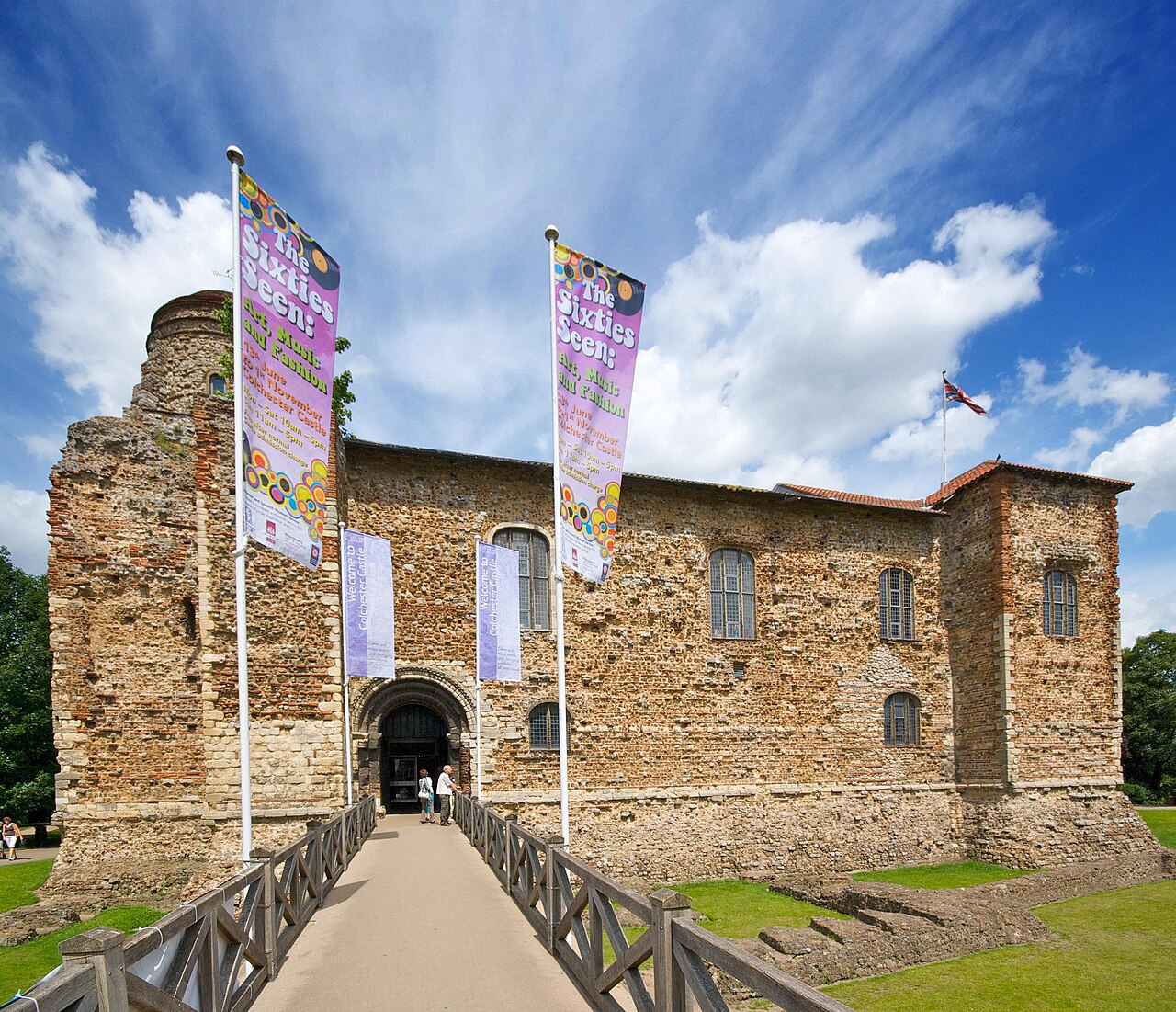
Camulodunum (pronounced KAM-(y)uu-loh-DEW-nəm; Latin: camvlodvnvm) was the Ancient Roman name for the site now known as Colchester in Essex, United Kingdom. It holds the distinction of being the first capital of Roman Britain and was a major Roman legionary fortress and urban center. The name Camulodunum derives from the Brythonic-Celtic oppidum of Camulodunon, meaning "stronghold of Camulos," a deity worshipped by the local tribes. This oppidum was the capital of the Trinovantes and later the Catuvellauni tribes before Roman conquest. The site was first referenced on coinage minted by the chieftain Tasciovanus between 20 and 10 BC.
Roman conquest and foundation of the fortress
The Roman town began as a legionary base established in the AD 40s following the Roman invasion under Emperor Claudius. The fortress was built on the site of the earlier Celtic stronghold, marking a strategic military and administrative center for Roman control of southeastern Britain. The original fortress was constructed with typical Roman military engineering, including a rectangular layout with defensive walls, ditches, and gates.
Camulodunum was the first Roman colonia in Britain, officially named Colonia Claudia Victricensis, often shortened to Colonia Victricensis. This status marked it as a settlement for retired legionaries and a symbol of Roman authority and civilization in the province.
Destruction and rebuilding after the iceni rebellion
In AD 60 or 61, the town was destroyed during the Iceni rebellion, led by the warrior queen Boudica. The uprising was a major revolt against Roman rule, and Camulodunum, as a symbol of Roman occupation, was a primary target. The town's defenses were overwhelmed, and much of the settlement was razed.
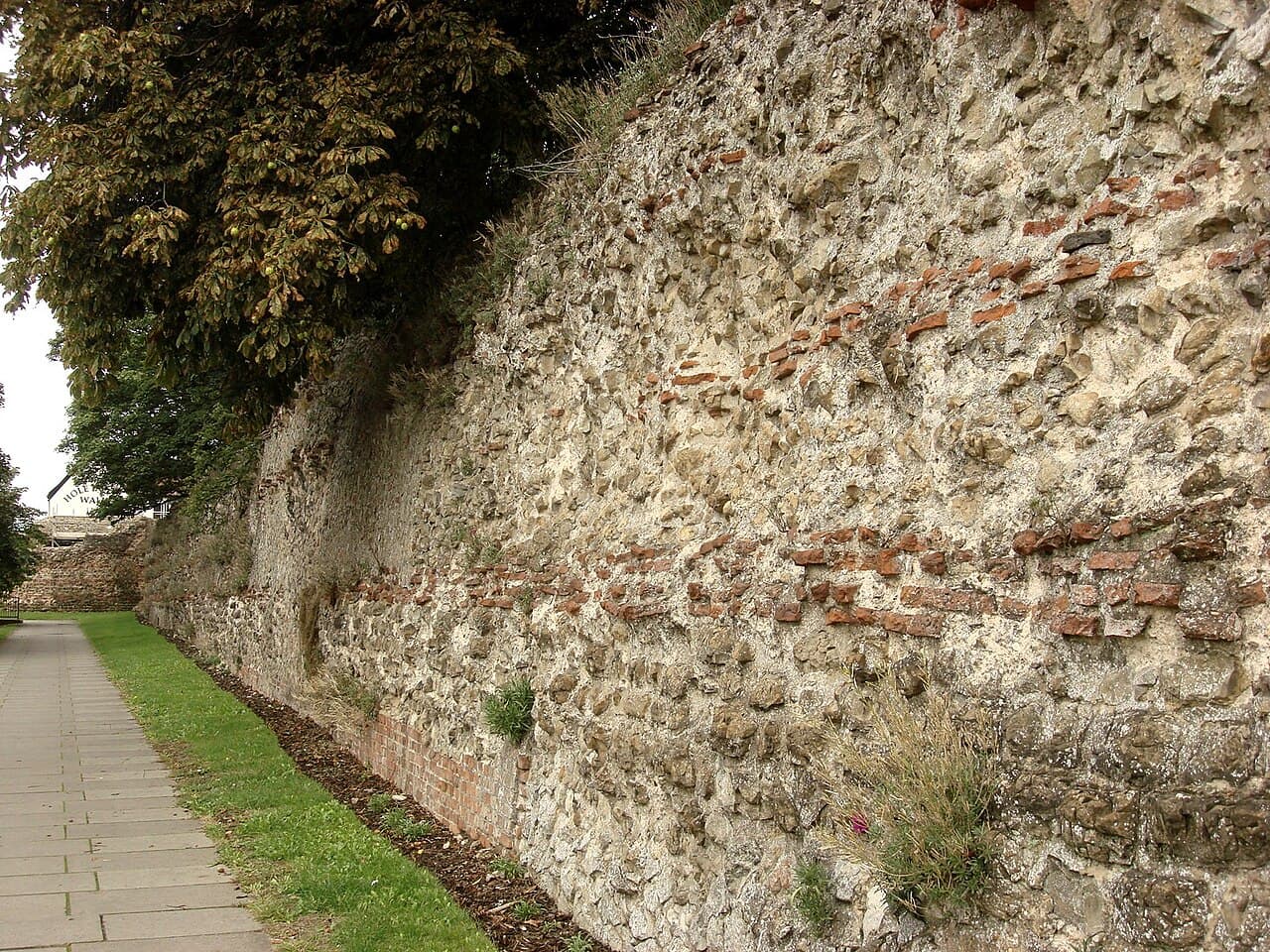
Following the rebellion, the Romans rebuilt Camulodunum with renewed vigor, restoring its walls and infrastructure. The town reached its zenith during the 2nd and 3rd centuries AD, becoming a thriving urban center with significant public buildings and amenities.
Architectural and cultural highlights
Camulodunum was notable for its impressive classical temple, dedicated to the Roman emperor cult, which was one of the largest in Britain. The temple complex was a focal point of religious and political life.
The town also featured two theatres, including Britain's largest known Roman theatre, which served as venues for entertainment and social gatherings. Additionally, there were several Romano-British temples reflecting a blend of Roman and native religious practices.
Unique to Camulodunum was Britain's only known chariot circus, used for racing and public spectacles. The town was also the first in Britain to have defensive town walls, which enclosed the settlement and protected it from external threats.
Archaeological evidence reveals extensive cemeteries surrounding the town and over 50 known mosaics and tessellated pavements decorating public and private buildings, illustrating the wealth and Romanized lifestyle of its inhabitants.
Population and urban development
At its height, Camulodunum may have had a population of around 30,000, making it one of the largest urban centers in Roman Britain. The town's layout combined military, administrative, religious, and residential functions, reflecting its importance as a provincial capital.
Legacy and historical significance
Camulodunum's role as the first Roman capital and its extensive archaeological remains make it a key site for understanding Roman Britain's urban and military history. The town's evolution from a Celtic oppidum to a Roman colonia exemplifies the processes of conquest, cultural integration, and urbanization during the Roman period.
Today, Colchester embraces its heritage as "the oldest recorded town in Britain," a title popularized in the 1960s and still used on heritage signage. The remains of the Roman fortress, walls, and public buildings continue to attract scholars and visitors interested in Britain's ancient past.
Frequently asked questions (FAQ)
- What is the historical significance of Camulodunum?
- Camulodunum was the first Roman capital of Britain and a major military and urban center, illustrating Roman conquest and settlement.
- Can I visit the remains of the Roman fortress in Colchester?
- Yes, the ruins of the Roman fortress and town walls are accessible to the public and form part of Colchester's heritage attractions.
- When was Camulodunum founded?
- The Roman fortress at Camulodunum was established in the AD 40s following the Roman invasion led by Emperor Claudius.
- What notable Roman structures existed in Camulodunum?
- The town featured Britain's largest Roman theatre, a classical temple, several temples, a chariot circus, and the first town walls in Britain.
- Why was Camulodunum destroyed in AD 60/61?
- It was destroyed during the Iceni rebellion led by Queen Boudica, as it symbolized Roman occupation and authority in Britain.
Photo gallery

Information
Current owner
Local heritage trust
Loading map...
Visitor reviews
No reviews yet. Been here? Write the first review and help other travelers!
Write the first reviewVisited this castle? Share your experience
Your review helps other travelers and adds first-hand knowledge to our encyclopedia.