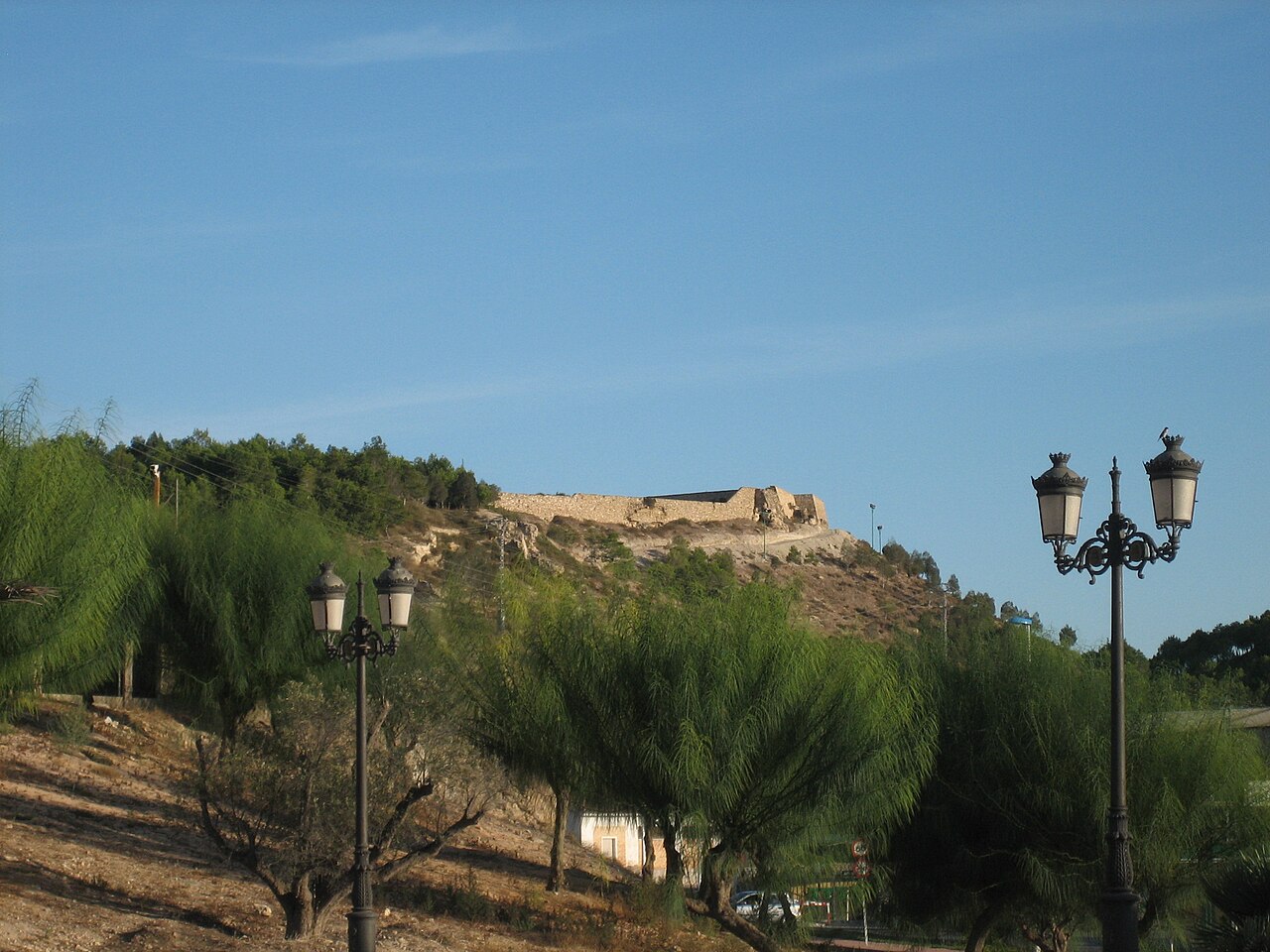
Cabo Roig Tower

Cabo Roig Tower: 16th-century Renaissance coastal watchtower in Alicante
Orihuela Costa, Spain
Renaissance (15th–17th c.)
Restored

Cabo Roig Tower, locally known as Torre de Cabo Roig, is a prominent 16th-century Renaissance coastal watchtower situated on a hill adjacent to the harbor of the town of Cabo Roig in the province of Alicante, Spain. This strategic location offered expansive views over the Mediterranean Sea, allowing early detection of pirate ships and other maritime threats.

Historical context and purpose

Following the establishment of the Turkish settlement in Algiers in 1516, the Spanish Mediterranean coast faced a significant threat from Barbary pirates. These pirates frequently raided coastal towns and rural settlements, looting valuables and capturing inhabitants to be sold as slaves. In response to this persistent danger, the Spanish Crown initiated a comprehensive coastal defense program.

During the reign of Charles V, Holy Roman Emperor, in 1552, construction began on a series of defensive watchtowers along the Spanish Mediterranean coastline, stretching from Alicante to Cádiz. The majority of these towers were completed or significantly enhanced during the reign of his son, Philip II of Spain, in the latter half of the 16th century. The towers served as early warning systems, communicating threats via smoke signals or fire beacons to inland fortifications and towns.

Architectural features and construction

Cabo Roig Tower was constructed in the second half of the 16th century, embodying the typical characteristics of Renaissance military architecture adapted for coastal defense. It is likely that the tower was built upon or near an earlier Arabic predecessor, reflecting the layered history of the region under different cultural influences.

The tower's structure is robust, designed to withstand attacks and provide a vantage point for surveillance. Its original exterior would have been practical rather than decorative, but the current whitewashed facade is the result of modern restoration efforts, not the original finish. The tower's elevated position on a hill enhances its visibility across the surrounding coastline and sea approaches.

Current status and visitor information

Today, Cabo Roig Tower is located within the grounds of a local restaurant, which has historically limited public access. When visited, the restaurant was closed, suggesting that access to the tower may be restricted to guests of the establishment. Despite this, the tower remains an interesting historical landmark, offering insight into the coastal defense systems of Renaissance Spain.

Significance in coastal defense network

The tower is part of a broader network of Renaissance watchtowers that were vital to Spain's maritime security during a period marked by frequent pirate raids and naval conflicts. These towers were strategically placed to ensure overlapping fields of view and communication, enabling rapid alerts across vast stretches of coastline.

Cabo Roig Tower exemplifies the military architectural responses to evolving naval threats in the 16th century, highlighting the importance of surveillance and early warning in protecting coastal communities and trade routes.

Architectural and cultural heritage

While the tower's primary function was military, its presence today contributes to the cultural heritage of Alicante and the wider Valencian Community. It stands as a tangible link to the region's historical struggles against piracy and foreign incursions.

Preservation efforts, including the tower's restoration and maintenance, help safeguard this heritage for future generations, providing opportunities for education and cultural tourism.

Frequently asked questions (FAQ)

What is the historical significance of Cabo Roig Tower?
Cabo Roig Tower, built in the 16th century, served as a watchtower to guard against pirates and invaders along the Mediterranean coast. It is a prime example of coastal defense architecture from that era and reflects the strategic importance of the region during turbulent times.
When was Cabo Roig Tower constructed?
The tower was constructed in the late 1500s, specifically around 1570, as part of a series of fortifications along the Spanish coastline. Its construction was prompted by the need to protect coastal settlements from frequent pirate attacks.
Can I visit Cabo Roig Tower?
Yes, Cabo Roig Tower is open to visitors, allowing them to explore its historical significance and enjoy the stunning coastal views. However, it is advisable to check local guidelines and opening hours before your visit.
What are the opening hours for Cabo Roig Tower?
Cabo Roig Tower is generally open to the public during daylight hours, but it is best to verify the exact times as they may vary seasonally. Guided tours might also be available which can provide more in-depth historical context during your visit.
Is Cabo Roig Tower accessible for visitors with mobility challenges?
The tower is situated on a rocky area, and while there are pathways leading to it, accessibility can be limited for those with mobility challenges. It’s recommended to check with local authorities regarding the best routes and any assistance available.
What is the best time to visit Cabo Roig Tower?
The best time to visit Cabo Roig Tower is during the spring and early autumn months when the weather is mild and pleasant for outdoor exploration. Visiting during these seasons also allows you to avoid the larger summer tourist crowds.
Are there any nearby attractions to Cabo Roig Tower?
Yes, Cabo Roig Tower is located near beautiful beaches and other historical sites, such as the nearby town of Orihuela Costa. Visitors can enjoy a day of sunbathing, dining, and exploring the rich cultural heritage of the area.
What are the ticket prices for visiting Cabo Roig Tower?
Cabo Roig Tower typically has free access, allowing visitors to enjoy its historical significance without an entrance fee. However, special guided tours or events may have associated costs, so it’s best to check for any updates before your visit.

Information

Hill Castle

Address

Calle el Torreón 1, Cabo Roig, Orihuela Costa, Alicante, Spain

Loading map...

Visitor reviews

No reviews yet. Been here? Write the first review and help other travelers!

Write the first review

Visited this castle? Share your experience

Your review helps other travelers and adds first-hand knowledge to our encyclopedia.

Write a review

(5/5)

0/2000 characters

Your review will be visible after admin approval

Nearby castles

5.7 km

La Horadada Tower

San Pedro del Pinatar, Spain

La Horadada Tower, locally known as Torre de la Horadada, is a prominent Renaissance coastal watchtower situated along the Mediterranean shoreline in the town of La Horadada, Alicante province, Spain. This tower was strategically positioned next to the sea to serve as a defensive lookout against maritime threats during a turbulent period in Spanish history. The construction of La Horadada Tower in 1580 was part of a larger coastal defense initiative undertaken by the Spanish Crown in response to persistent raids by Barbary pirates. These pirates operated from bases in North Africa, particularly after the Turkish settlement in Algiers in 1516, launching attacks along the Spanish Mediterranean coast. Their raids involved looting, destruction, and the capture of inhabitants for slavery, posing a significant threat to coastal communities. The historical context of La Horadada Tower During the reign of Charles V, Holy Roman Emperor, in 1552, the Spanish monarchy initiated the construction of numerous defensive watchtowers along the Mediterranean coast, stretching from Alicante to Cádiz. These towers were designed to provide early warning signals of pirate attacks, allowing local populations to prepare or seek refuge. The majority of these towers, including La Horadada, were completed under the reign of his son, Philip II of Spain, in the latter half of the 16th century, reflecting the heightened security concerns of the era. Architectural features and construction La Horadada Tower was likely built on the foundations of an earlier fortification, a common practice that allowed for the reuse of existing defensive structures. The tower exhibits typical features of Renaissance military architecture adapted for coastal defense, including thick stone walls designed to withstand cannon fire and attacks. Its elevated position next to the sea provided an unobstructed view of the horizon, essential for spotting incoming pirate ships. The tower's design includes a robust base and a lookout platform, which would have been equipped with signaling devices such as fires or flags to communicate with nearby towers and settlements. This network of towers formed an early warning system along the coast, enhancing regional security. Later uses and ownership In the 19th century, La Horadada Tower was repurposed as a signal tower for an optical telegraph system, reflecting advancements in communication technology. This adaptation highlights the tower's continued strategic importance even after the decline of pirate threats. Since 1905, the tower has been owned by the Counts de Roche, who converted it into a summer residence. Despite this private ownership, the tower remains a significant historical landmark visible from public areas such as the adjacent street and beach. Current status and accessibility Today, La Horadada Tower is private property and not open to public visits. Although it appears unoccupied at times, its well-preserved exterior continues to attract interest from visitors and historians alike. The tower's location next to public spaces allows for easy viewing and appreciation of its architectural and historical significance from outside. Significance in coastal defense heritage La Horadada Tower represents an important example of the 16th-century coastal defense system implemented by Spain to protect its Mediterranean shores. It embodies the military and architectural responses to the geopolitical challenges of the Renaissance period, particularly the threat posed by Barbary corsairs. As part of a broader network of watchtowers, it contributed to safeguarding local populations and maritime trade routes. The tower’s enduring presence offers insight into the evolution of military architecture and communication technologies, from early warning fire signals to optical telegraphy. Its transformation into a noble residence also reflects changing uses of such structures over time, blending historical preservation with adaptive reuse.

Renaissance (15th–17th c.)
Details
11.8 km

Del Moro Tower

Torrevieja, Spain

Del Moro Tower, also known locally as Torre del Moro or Torre del Cabo Cervera, is a historic coastal watchtower situated on a hill overlooking the Mediterranean Sea in the town of Torrevieja, within the province of Alicante, Spain. This strategic location provided commanding views over the coastline, essential for early warning against maritime threats. The tower's origins trace back to the turbulent period of the 16th century, a time when the Spanish Mediterranean coast was under constant threat from Barbary pirate raids. After the establishment of the Turkish Regency of Algiers in 1516, pirate attacks became frequent, involving coastal raids, looting, and the capture of inhabitants for slavery. To counter this menace, the Spanish Crown initiated the construction of a network of defensive watchtowers along the Mediterranean coast, stretching from Alicante to Cádiz. Del Moro Tower was likely constructed in the second half of the 16th century during the reign of Philip II of Spain, building upon the remains of an earlier tower dating back to the 14th century. These towers were part of a comprehensive coastal defense system designed to provide early visual signals of pirate incursions, allowing nearby settlements to prepare and respond. Architectural features and reconstruction The original tower was a typical Renaissance-era watchtower, built primarily of stone, featuring a solid, cylindrical or slightly tapered form designed to withstand attacks and the harsh coastal environment. Unlike many other watchtowers of the period, the original Del Moro Tower did not have crenelations and was accessed via an external spiral staircase leading to the top platform. This design was functional, providing a vantage point for lookouts and a defensible position. In 1994, the tower underwent a complete reconstruction, which significantly altered its appearance. The current structure, while inspired by the 16th-century tower, incorporates modern materials and design elements that differ from the original. Notably, the reconstruction added crenelations to the parapet, a feature not present in the historic tower, giving it a more castle-like silhouette. The interior was modernized, but it remains closed to the public, limiting visitor access to the tower's exterior. Historical significance and coastal defense system Del Moro Tower was part of a broader network of watchtowers commissioned initially under Charles V, Holy Roman Emperor, and completed mainly under his son Philip II. These towers formed a vital communication system along the Spanish Mediterranean coast. Signal fires or smoke during the day were used to alert neighboring towers and towns of approaching pirate ships, enabling rapid defensive measures. Each tower was staffed by a small garrison, often just a few soldiers or lookouts, responsible for maintaining vigilance and signaling. The towers were spaced so that signals could be relayed quickly along the coast, creating an early warning chain that was crucial for the safety of coastal communities and maritime trade routes. Location and visitor information Located on Avenida Alfredo Nobel in Torrevieja, the tower stands within a small park on a hill near the sea, making it accessible for visitors who can enjoy panoramic views of the Mediterranean coastline. The exterior of the tower is freely accessible, allowing visitors to appreciate its coastal defensive role and scenic setting. However, the interior remains closed to the public, and there is limited information about whether it is ever opened for tours. The modern interior contrasts with the historic exterior, which has been a point of criticism among heritage enthusiasts who lament the loss of the original 16th-century structure's authentic features. Preservation and cultural value While the 1994 reconstruction has preserved the tower as a landmark and tourist attraction, it has also sparked debate about historical authenticity and conservation practices. The replacement of the original tower with a modernized version means that much of the original Renaissance architecture and medieval elements have been lost. Despite these changes, Del Moro Tower remains an important symbol of the region's maritime history and the defensive strategies employed during the Renaissance to protect Spain's Mediterranean coast from piracy. It serves as a reminder of the historical challenges faced by coastal communities and the architectural responses developed to meet those threats.

Renaissance (15th–17th c.)
Details
20.8 km
Guardamar Castle — Spain castle

Guardamar Castle

Guardamar del Segura, Spain

Guardamar Castle, locally known as Castillo de Guardamar, is a historic hilltop fortress situated in the city of Guardamar del Segura, in the province of Alicante, Spain. Perched on a slightly sloping ridge overlooking the mouth of the Segura River and the Mediterranean Sea, this castle commands a strategic coastal position within the Bajo Segura region. The site’s long history spans from its earliest occupation in the Iron Age through its Arabic origins and significant medieval developments, making it a notable landmark in Spanish military and architectural heritage. Early history and strategic significance The location of Guardamar Castle has been inhabited since at least the 4th century BCE, initially serving as an Iron Age oppidum or fortified settlement associated with the Iberian peoples. This early fortification set the foundation for later defensive structures. The castle itself was originally constructed by Arabic builders in the first half of the 12th century, reflecting the Islamic influence in the Iberian Peninsula during the period of Al-Andalus. Its position on a rocky hill provided commanding views of the coastline and the Segura River’s mouth, making it a vital military and administrative center. The castle controlled access to maritime trade routes and served as a coastal defense point against naval incursions and raids. Medieval reconstruction and royal foundation In 1271, under the reign of King Alfonso X of Castile, Guardamar was repopulated and formally established as a royal town, with the castle serving as the focal point of the settlement. This period marked a shift in control from Arabic to Castilian authority, with settlers brought in to strengthen the Christian presence in the region. The castle and the walled village surrounding it were integral to asserting Castilian influence along the southeastern coast of Spain. However, this control was short-lived; in 1296, the fortress was incorporated into the Kingdom of Aragon under James II. By the early 14th century, Guardamar Castle had become the principal coastal fortress and port serving the inland city of Orihuela. It played a key role in regional defense and trade. Conflict, decline, and adaptations The castle’s history is marked by conflict and changing fortunes. In 1331, it was sacked and burned during a Moorish raid, demonstrating its vulnerability despite its defensive position. Later, during the War of the Two Peters (1356-1375), the village was placed under the jurisdiction of Orihuela in 1368, reflecting a decline in its political status. Throughout the 14th century, Guardamar faced further military challenges, including naval sieges involving Castilian and Genoese forces opposing Aragonese rule. The fortress’s defenses were tested repeatedly, and the settlement suffered from attacks by corsairs and bandits during periods of marginalization. In the 16th century, recognizing the evolution of warfare and the advent of artillery, significant modifications were made to the castle’s defenses. Medieval towers were lowered, and bastions such as the Baluard de la Pólvora (Gunpowder Bastion) were constructed to improve resistance against cannon fire. These adaptations illustrate the castle’s ongoing military importance and efforts to modernize its fortifications. Destruction and abandonment The castle and the village suffered a catastrophic blow in 1829 when a severe earthquake struck the region, causing widespread destruction. The damage was so extensive that the hilltop settlement was abandoned, and the inhabitants relocated to the lower lands near the sea, founding the modern town of Guardamar del Segura. Since then, Guardamar Castle has remained in ruins, with partial restorations and archaeological work focusing on stabilizing the remaining structures, especially the lower defensive walls and bastions. Architectural features and remains The castle complex is divided into two main sections: the upper enclosure, which originally housed the polygonal-plan castle built in the early 12th century, and the larger lower enclosure surrounded by Gothic-style defensive walls. The upper castle, situated at the hill’s highest point, provided strategic surveillance over the sea and river mouth but now survives only in fragments due to earthquake damage. The lower enclosure features medieval walls that were extensively modified in the 16th century to accommodate artillery defense. Portions of these walls remain intact, along with foundations of towers and auxiliary buildings that supported the castle’s military functions. One of the most significant surviving features is the Baluard de la Pólvora, a large bastion that exemplifies the castle’s adaptation to gunpowder-era warfare. Archaeological investigations have uncovered details about construction techniques and defensive strategies employed during this later phase. Today, the site is accessible to the public and functions as a town park, offering visitors panoramic views over Guardamar del Segura and the surrounding coastal landscape. Although much of the castle lies in ruins, the preserved elements provide valuable insight into the layered history of this important Mediterranean fortress. Guardamar Castle in cultural and historical context Guardamar Castle stands as a testament to the complex history of the southeastern Iberian Peninsula, reflecting periods of Arabic rule, Christian reconquest, and evolving military technology. Its strategic location at the mouth of the Segura River made it a focal point for controlling maritime access and regional trade routes. The castle’s architectural evolution—from an Iron Age settlement to an Arabic fortress and then a medieval royal castle with Renaissance-era bastions—illustrates the shifting political and military priorities over centuries. Despite the destruction caused by the 1829 earthquake, the site remains an important cultural landmark that connects modern visitors to Guardamar’s rich past.

High Medieval (11th–13th c.)
Details