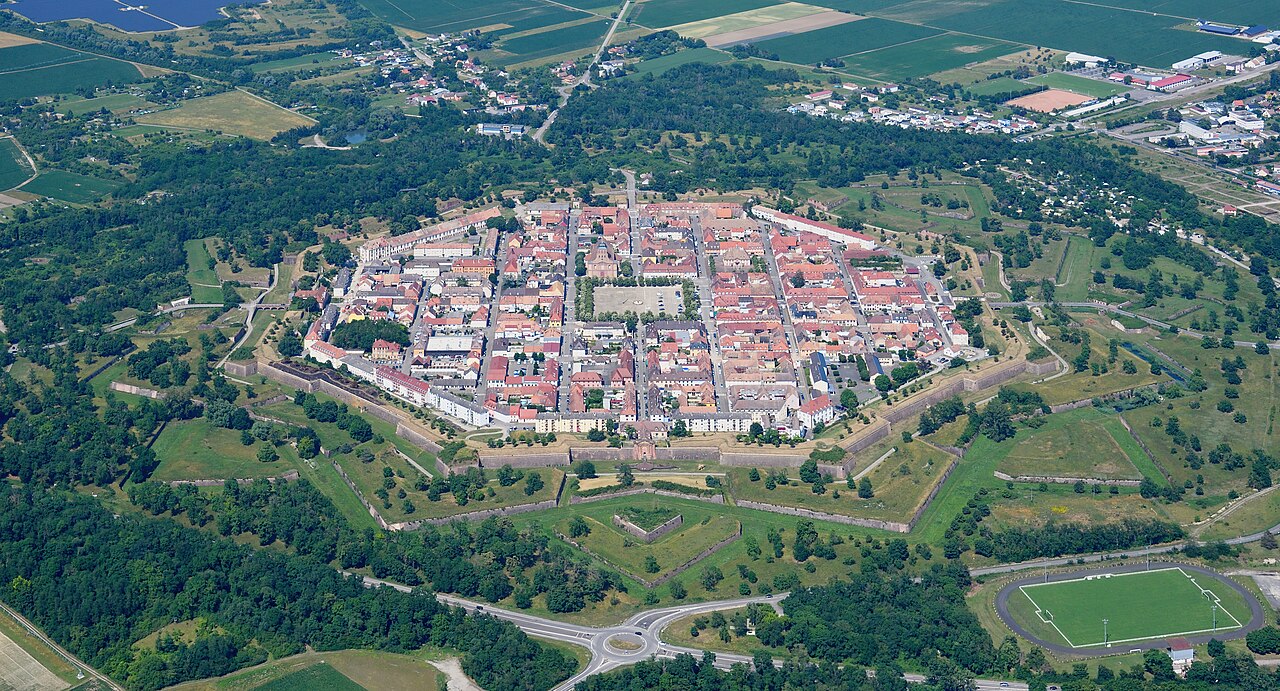
Burkheim Castle Ruins
Burkheim Castle, located in the town of Burkheim, Germany, is a notable example of a high medieval fortress with origins tracing back to the 13th century. First documented in 1231, this castle played a strategic role in the region during the Middle Ages. Although now in ruins, the remains of Burkheim Castle provide valuable insight into medieval fortification techniques and the turbulent history of the Upper Rhine area.
Historical background and significance
Burkheim Castle was constructed during the high medieval period, a time characterized by the expansion of feudal territories and the establishment of numerous fortified structures across Europe. The castle's initial mention in 1231 indicates its importance in regional defense and administration. Over the centuries, Burkheim Castle underwent various phases of destruction and reconstruction, reflecting the political instability and military conflicts that shaped the region.
The castle's final destruction occurred during the Franco-Dutch War (1672-1676), a conflict that involved France, the Dutch Republic, and their respective allies. The war saw many fortifications along the Rhine River targeted and damaged, and Burkheim Castle was among those that did not survive the hostilities. After this period, the castle was abandoned and fell into ruin.
Architectural features and layout
Although much of Burkheim Castle is now in ruins, archaeological studies and remaining structures reveal key aspects of its design. The castle was typical of high medieval hill castles built for defense and control of surrounding territories. It likely featured a keep or donjon as the central stronghold, surrounded by defensive walls and possibly a moat or ditch for added protection.
The castle's position on elevated terrain provided natural defensive advantages, allowing occupants to monitor and control access routes. The ruins suggest the presence of fortified gatehouses, battlements, and watchtowers that would have been used to repel attackers and observe the surrounding landscape.
Construction materials and techniques
Burkheim Castle was primarily constructed using locally sourced stone, a common practice in medieval fortifications to ensure durability and resistance to siege weaponry. The masonry techniques reflect the architectural knowledge of the 13th century, with thick walls designed to withstand assaults. Timber elements would have been used for interior structures such as floors and roofing, though these have not survived.
Role in regional conflicts and ownership
Throughout its history, Burkheim Castle served as a military stronghold and administrative center for local lords. Its strategic location near the Rhine made it a valuable asset in controlling trade routes and regional power dynamics. The castle changed hands multiple times, reflecting the shifting allegiances and feudal disputes common in medieval Germany.
The destruction during the Franco-Dutch War marked the end of Burkheim Castle's military significance. The conflict devastated many similar castles in the region, leading to a decline in the use of traditional fortifications as artillery and siege tactics evolved.
Present condition and preservation efforts
Today, Burkheim Castle exists as ruins that attract historians, archaeologists, and visitors interested in medieval architecture and history. Preservation efforts focus on stabilizing the remaining structures to prevent further decay and to facilitate archaeological research. Interpretive signage and guided tours help contextualize the castle's history for the public.
The site offers a glimpse into the architectural and military heritage of the high medieval period and serves as a cultural landmark within the Burkheim region.
Frequently asked questions (FAQ)
- What is the historical significance of Burkheim Castle Ruins?
- Burkheim Castle Ruins date back to the 13th century and were built to protect the region from invasions. They hold a significant place in German history, showcasing medieval military architecture and providing insights into the feudal system of the time. Today, the ruins are a reminder of the region's turbulent past and its strategic importance.
- When was Burkheim Castle abandoned?
- The castle was abandoned in the 17th century following the Thirty Years' War, which led to significant destruction in the area. As a result, the castle fell into disrepair, and what remains today are the picturesque ruins that attract history enthusiasts and tourists alike. Restoration efforts have been minimal, preserving its historical ambiance.
- Can I visit Burkheim Castle Ruins?
- Yes, Burkheim Castle Ruins are open to the public, and visitors can explore the site at their leisure. While there are no formal guided tours, informational signage is available to enhance your visit. It's a great spot for photography and enjoying panoramic views of the surrounding countryside.
- What are the opening hours for Burkheim Castle Ruins?
- The castle ruins are accessible year-round, but the best time to visit is during daylight hours. There are no specific opening or closing times, making it a convenient destination for visitors. However, it is advisable to visit during the spring and summer months for the best weather and visibility.
- Is it possible to access Burkheim Castle Ruins by public transport?
- Yes, you can reach Burkheim Castle Ruins by public transport. The nearest train station is located in the town of Burkheim, and from there, visitors can take a short walk or a local bus to the site. Be sure to check the local transport schedules for the most convenient routes.
- What is the best time to visit Burkheim Castle Ruins?
- The best time to visit Burkheim Castle Ruins is during the late spring and summer months when the weather is pleasant. This season offers clear skies and lush surroundings, making it ideal for exploring the ruins and enjoying the views. Autumn also provides a beautiful setting with colorful foliage.
- Are there any nearby attractions to visit?
- Yes, there are several nearby attractions worth exploring, including the charming town of Burkheim itself, with its traditional architecture and local shops. Additionally, the scenic Black Forest region is just a short drive away, offering hiking trails and natural beauty. Visitors can also explore vineyards in the area, famous for producing local wines.
- How much does it cost to visit Burkheim Castle Ruins?
- Entry to Burkheim Castle Ruins is free, making it an affordable destination for visitors. However, some nearby attractions or guided tours may have associated costs. It's a great way to enjoy history and nature without breaking the bank.
Loading map...
Visitor reviews
No reviews yet. Been here? Write the first review and help other travelers!
Write the first reviewVisited this castle? Share your experience
Your review helps other travelers and adds first-hand knowledge to our encyclopedia.