Burgtheater
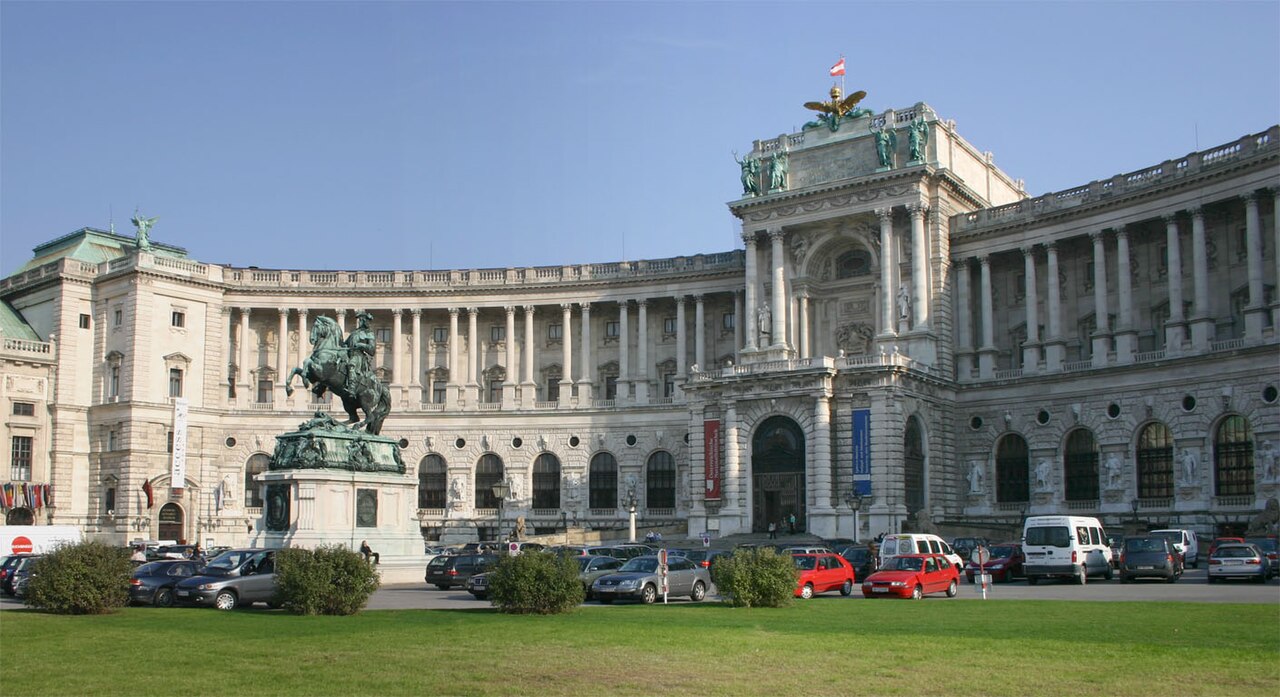
The Burgtheater, also known as the Imperial Court Theatre, is a landmark cultural institution in Vienna, Austria, with origins dating back to its opening on 14 March 1741. Commissioned by the Habsburg Empress Maria Theresa, the theatre was intended to serve as a prestigious venue adjacent to the Hofburg Palace, reflecting the imperial grandeur of the era. Its initial location was at Michaelerplatz, opposite the historic St. Michael's Church, where it quickly became a centerpiece of Viennese cultural life.
Early history and cultural significance
During its early years, the Burgtheater established itself as a prominent venue for dramatic arts and opera. It notably hosted the premieres of three operas by Wolfgang Amadeus Mozart, underscoring its importance in the European musical and theatrical landscape. The theatre was a hub for the development of the Burgtheater-German language, a distinctive style of German used in theatrical performances that influenced many German-language theatres across Europe.
Architectural transformation and the ringstraße building
By the late 19th century, the original Burgtheater building was deemed insufficient for the growing demands of the imperial court and the public. Consequently, the theatre was relocated to a new, grander building on the Ringstraße in 1888. This new structure was the collaborative design of renowned architects Gottfried Semper and Karl Freiherr von Hasenauer, who were also responsible for several other monumental buildings along the Ringstraße.
The new Burgtheater building is an exemplar of historicist architecture with elaborate decorative elements, blending Renaissance and Baroque influences to create an imposing and elegant facade. The interior was designed to provide excellent acoustics and sightlines, featuring richly decorated auditoriums, grand staircases, and ornate foyers that enhanced the theatrical experience.
Destruction and post-war restoration
The Burgtheater faced severe damage during the closing months of World War II. On March 12, 1945, a bombing raid largely destroyed the theatre, and shortly thereafter, on April 12, 1945, a fire of unknown origin caused further devastation. These events left the building in ruins, threatening the loss of an important cultural monument.
After the war, the Burgtheater underwent a careful restoration from 1953 to 1955. The restoration aimed to preserve the original architectural style while incorporating necessary modernizations. This effort successfully revived the theatre as a functioning cultural venue, retaining its historical character and continuing its legacy as a leading institution in the German-speaking theatrical world.
Architectural features and interior design
The Burgtheater's architecture is characterized by its grand facade featuring statues and reliefs that celebrate dramatic arts and notable playwrights. The building's layout includes a large auditorium with tiered seating, balconies, and a proscenium stage designed for optimal viewing and acoustics.
Inside, the theatre boasts richly adorned foyers and lobbies with frescoes, stucco work, and gilded details that reflect the opulence of late 19th-century design. The use of marble and fine woods contributes to the luxurious atmosphere, enhancing the cultural experience for visitors and performers alike.
Cultural legacy and influence
The Burgtheater has played a pivotal role in shaping the theatrical arts in the German-speaking world. Its influence extends beyond Austria, impacting theatre traditions in Germany and other countries. The term Burgtheater-German language refers to the specific style of dialogue and delivery developed here, which emphasized clarity, precision, and emotional expression.
Throughout its history, the theatre has premiered numerous important works and hosted leading actors and directors. It remains a symbol of Vienna's rich artistic heritage and continues to be a major venue for contemporary theatre productions, balancing tradition and innovation.
Visiting the burgtheater today
Today, the Burgtheater stands as a well-preserved monument of 19th-century theatre architecture and a vibrant cultural institution. Visitors can appreciate its architectural grandeur from the outside and attend performances that showcase a wide range of dramatic works. The theatre's location on the Ringstraße places it within easy reach of other historic Viennese landmarks, making it a key stop for cultural tourism in the city.
Guided tours offer insights into the building's history, architecture, and theatrical traditions, providing a comprehensive understanding of its significance. The Burgtheater continues to attract audiences with its blend of historic ambiance and modern theatrical innovation.
Frequently asked questions (FAQ)
- How do I get to Burgtheater?
- You can reach Burgtheater by using public transport, including the U2 subway line, which has a station nearby. Additionally, several tram and bus lines serve the area, making it easily accessible from various parts of Vienna.
- What is the historical significance of Burgtheater?
- Burgtheater, opened in 1888, is one of the most important theaters in the German-speaking world and has a rich history of showcasing classical and contemporary productions. It has been a cultural landmark in Vienna, reflecting the city’s artistic heritage and serving as a prominent venue for theatrical performances.
- When was Burgtheater built?
- Construction of Burgtheater began in 1874, and it officially opened its doors to the public on October 14, 1888. The theater has undergone several renovations and restorations to preserve its grandeur and historical features over the years.
- Can I take a guided tour of Burgtheater?
- Yes, guided tours of Burgtheater are available and offer visitors a chance to explore behind the scenes, learn about its architecture, and discover its fascinating history. It’s recommended to book your tour in advance, especially during peak tourist seasons.
- Why is the architecture of Burgtheater noteworthy?
- The architecture of Burgtheater is noteworthy for its stunning neo-Renaissance style, characterized by ornate decorations and a grand facade. The interior is equally impressive, featuring a magnificent auditorium and elaborate frescoes that highlight the theater's artistic importance.
- Is it possible to attend performances at Burgtheater?
- Yes, Burgtheater hosts a variety of performances throughout the year, including plays, operas, and special events. Tickets can be purchased online or at the box office, so be sure to check the schedule for upcoming shows and availability.
- What are the opening hours of Burgtheater?
- Burgtheater typically opens its doors for performances in the evenings, with matinees on select days. For guided tours, hours may vary, so it’s advisable to check their official website for the most current information on operating hours.
- What is the best time to visit Burgtheater?
- The best time to visit Burgtheater is during the theater season, which generally runs from September to June, when you can experience live performances. Additionally, visiting during the quieter months may provide a more relaxed atmosphere for tours and exploration.
- Are there any nearby attractions to visit alongside Burgtheater?
- Yes, Burgtheater is conveniently located near several other attractions, including the Vienna State Opera and the Museum Quarter. After visiting the theater, you can easily explore these cultural landmarks, enhancing your experience of Vienna's rich artistic scene.
- What are the ticket prices for performances at Burgtheater?
- Ticket prices at Burgtheater vary depending on the performance and seating choice, typically ranging from affordable to premium prices. It’s best to check the official website for detailed pricing information and any available discounts or special offers.
Information
Website
Visit websiteSources & official resources
Verify the information above using these authoritative references.
Loading map...
Visitor reviews
No reviews yet. Been here? Write the first review and help other travelers!
Write the first reviewVisited this castle? Share your experience
Your review helps other travelers and adds first-hand knowledge to our encyclopedia.