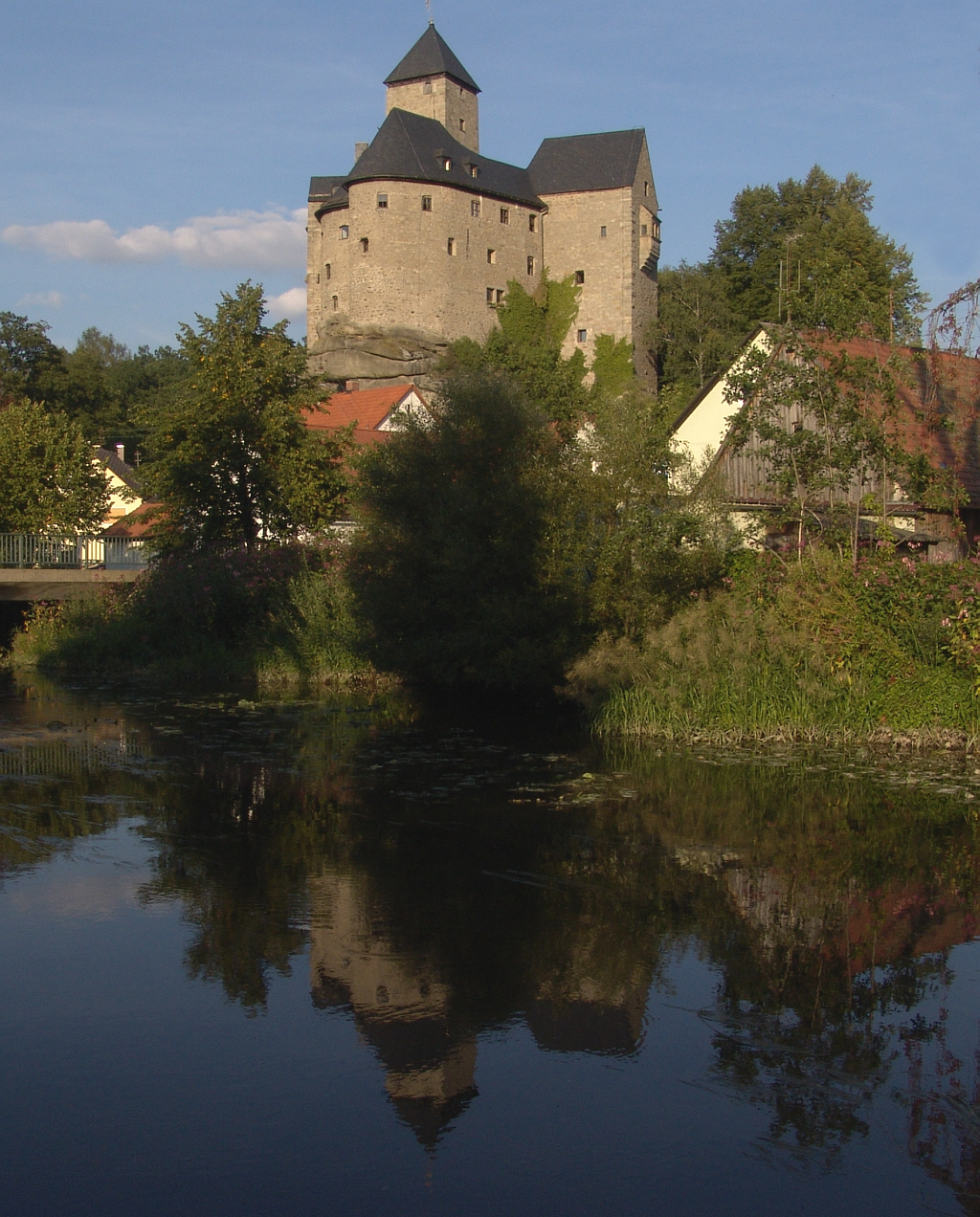
Burgstall Haselstein
Burgstall Haselstein is a medieval hill castle ruin located in the municipality of Floss within the Upper Palatinate region of Germany. Constructed around the late 14th to early 15th century, this castle occupied a strategic forested hilltop that formed part of a network of fortifications in the area, including nearby sites like Flossenbürg and Schellenberg castles. Although no contemporary written records mention the castle directly, archaeological evidence confirms its use and occupation throughout the 15th and 16th centuries.
Historical context and construction
The castle was likely built by local German-speaking communities during the late medieval period, around the year 1400. Its primary purpose was both defensive and residential, typical of hill castles of the time. The elevated position provided natural protection and a vantage point over the surrounding landscape, an important factor in medieval military strategy.
While no medieval documents mention Burgstall Haselstein, its strategic location near other fortresses suggests it was part of a broader defensive network in the region. The castle’s construction would have included stone walls, a tower for lookout and defense, and domestic buildings enclosed within a fortified perimeter.
Architectural features and archaeological findings
Today, the site consists mainly of the foundation remains of a tower and traces of stone defensive structures. Excavations have revealed the base of the main tower, which was partially restored in 2012 to highlight its original footprint. This tower would have served as a key defensive and observation point.
Other surviving features include dry stone walls that date partly to the medieval period and partly to the 19th century, when the site was adapted for public use. These terraced walls form part of the Haselsteinfeste, a festival ground established around 1860.
Archaeological digs have uncovered late medieval ceramics, stove and roof tiles, forged nails, and iron arrowheads. These artifacts indicate the castle was inhabited and equipped for defense, with heated living quarters suggested by the stove tiles and defensive readiness implied by the arrowheads.
Post-medieval history and preservation
After its abandonment in the late 16th century, Burgstall Haselstein gradually fell into ruin. By the mid-19th century, the site was repurposed as a venue for public festivals, known as the Haselsteinfeste. The terraced grounds created at this time remain visible today and reflect the site's transformation from a military stronghold to a community gathering place.
Since 2012, a local association has undertaken archaeological excavations and partial restoration, focusing on the tower foundations. These efforts have made the castle's medieval footprint accessible and visible to visitors, preserving it as an important archaeological monument under the file number D-3-6239-0060.
Significance and visitor information
Burgstall Haselstein offers insight into the late medieval defensive architecture of the Upper Palatinate region. Its remains, though limited, provide valuable information on the construction techniques and living conditions of hill castles during this period. The site is protected and recognized for its cultural heritage value.
Visitors to the site can explore the visible tower foundations and the terraced festival grounds, gaining a sense of the castle's historical role and its later community significance. The forested hilltop setting adds to the atmosphere, connecting the present landscape with its medieval past.
Frequently asked questions (FAQ)
- What is the historical significance of Burgstall Haselstein?
- Burgstall Haselstein was a late medieval hill castle serving defensive and residential purposes within a network of regional fortifications in Upper Palatinate, Germany.
- Can I visit the remains of Burgstall Haselstein today?
- Yes, the site is accessible to visitors. The tower foundations and terraced grounds from the 19th-century festival adaptations are visible and preserved for public exploration.
- When was Burgstall Haselstein constructed?
- The castle was constructed around the year 1400 during the late medieval period, based on archaeological evidence.
- Are there any restoration efforts at Burgstall Haselstein?
- Partial restoration began in 2012, focusing on the tower foundations to preserve and display the castle's medieval footprint.
- What remains can be seen at Burgstall Haselstein?
- Visitors can see the foundation of the main tower, dry stone walls from both medieval and 19th-century phases, and artifacts uncovered during excavations.
- Why was the castle site used for festivals in the 19th century?
- After falling into ruin, the site was adapted around 1860 for public festivals called Haselsteinfeste, introducing terraced landscaping and community use.
Information
Current owner
Local association
Loading map...
Visitor reviews
No reviews yet. Been here? Write the first review and help other travelers!
Write the first reviewVisited this castle? Share your experience
Your review helps other travelers and adds first-hand knowledge to our encyclopedia.