Burgruine Waisenberg
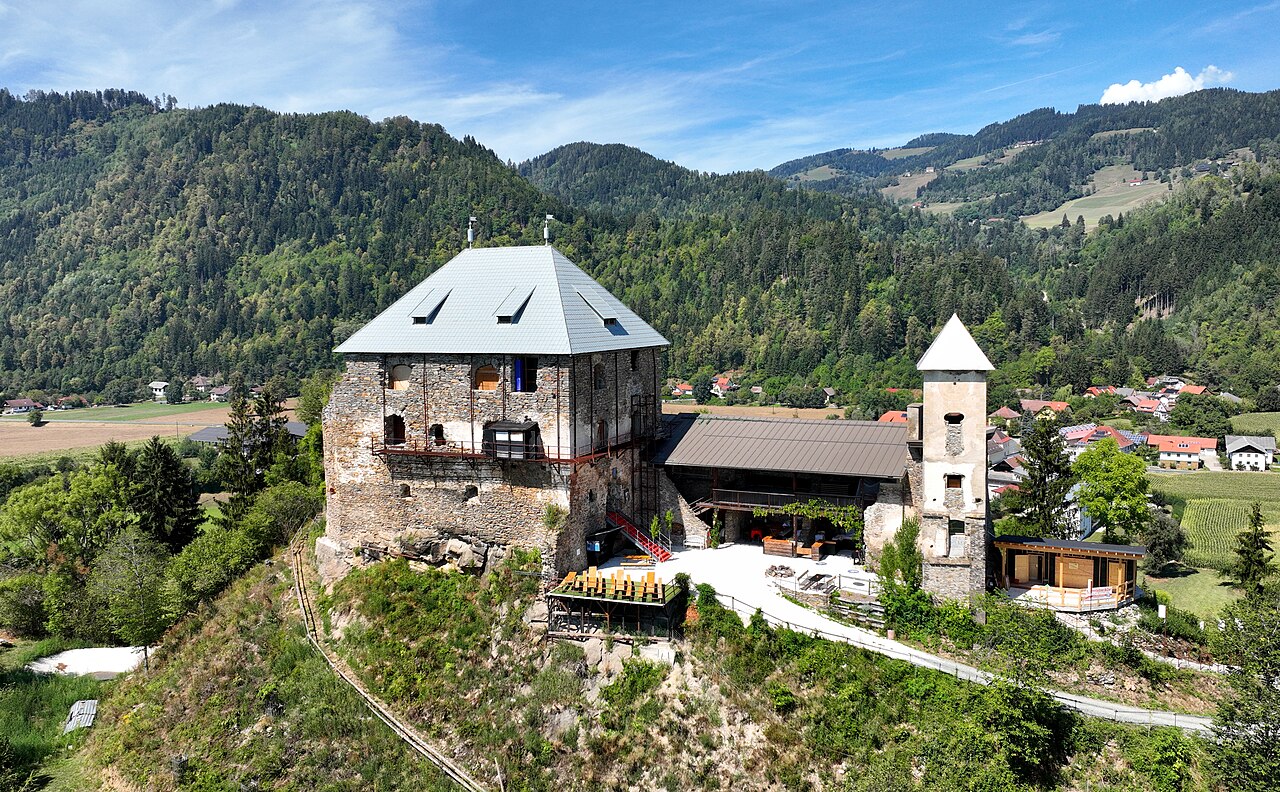
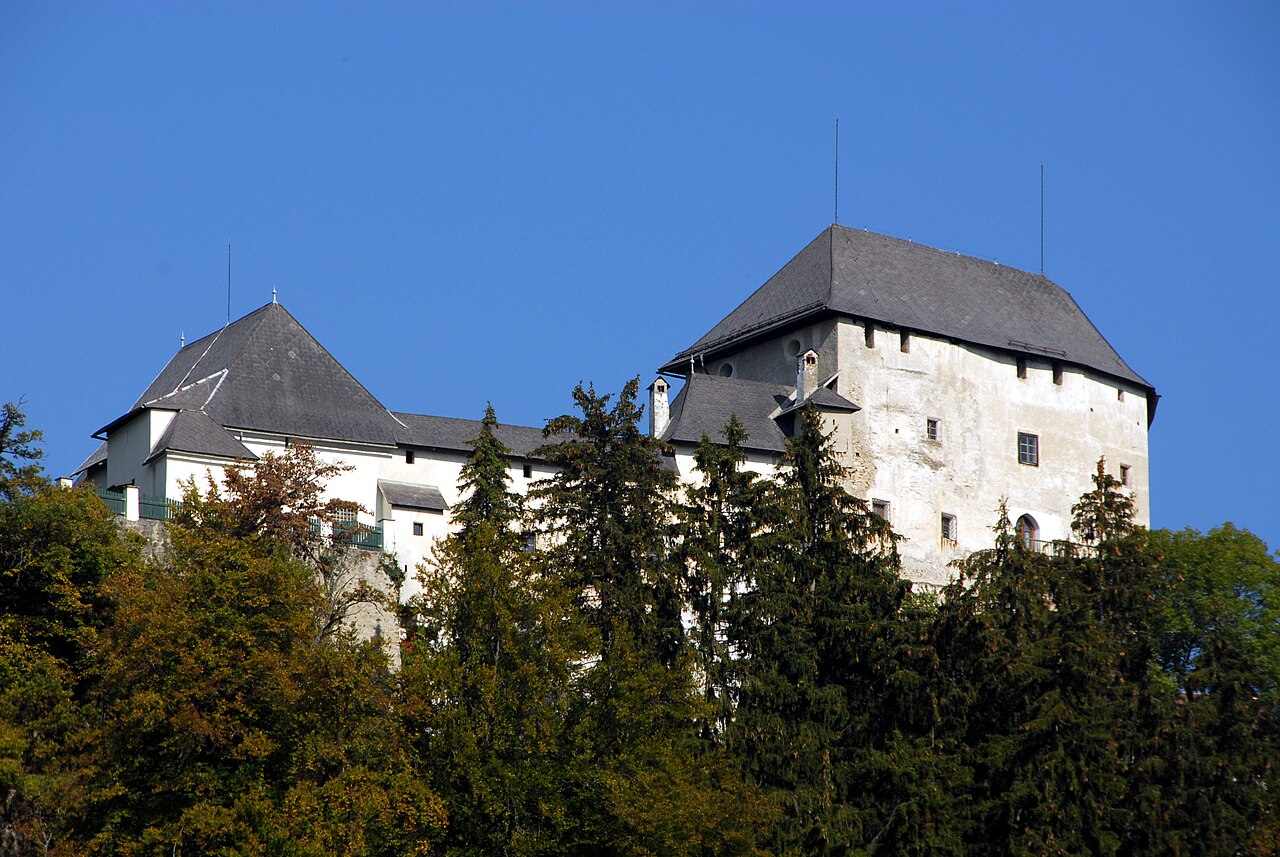
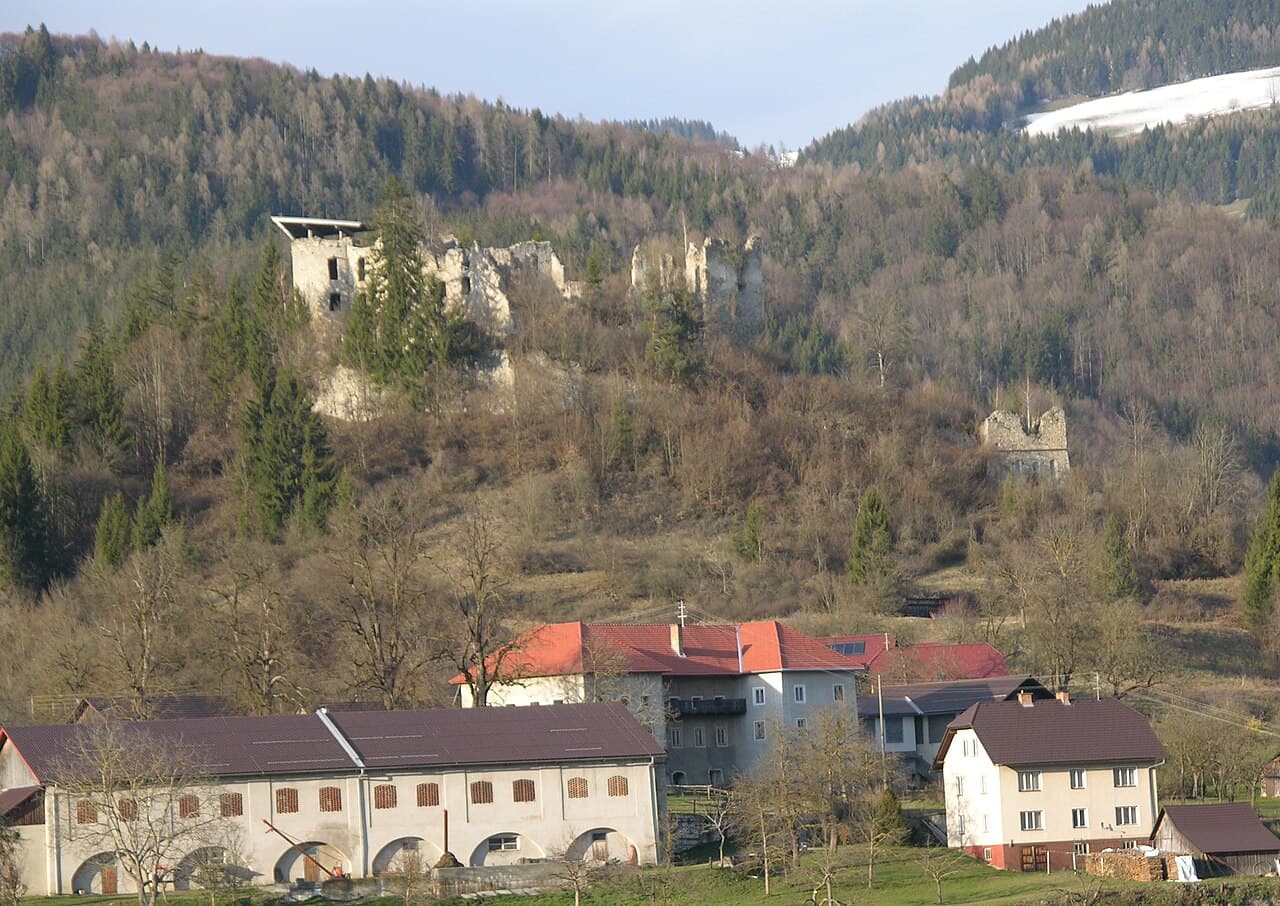
Burgruine Waisenberg is a medieval castle ruin situated in the scenic region of Carinthia, Austria. Perched on a hilltop, this castle stands as a significant example of the numerous fortifications that once dotted the Carinthian landscape, serving both defensive and administrative roles during the High Medieval period.
Historical background and strategic importance
The castle was originally constructed during the 12th or 13th century, a period marked by the proliferation of hill castles across the region. Its location atop a prominent elevation provided commanding views over the surrounding valleys, allowing for early detection of approaching enemies and control over important trade routes. Burgruine Waisenberg was part of a network of fortifications that helped secure the territories of local noble families and protect the region from external threats.
Architectural features and layout
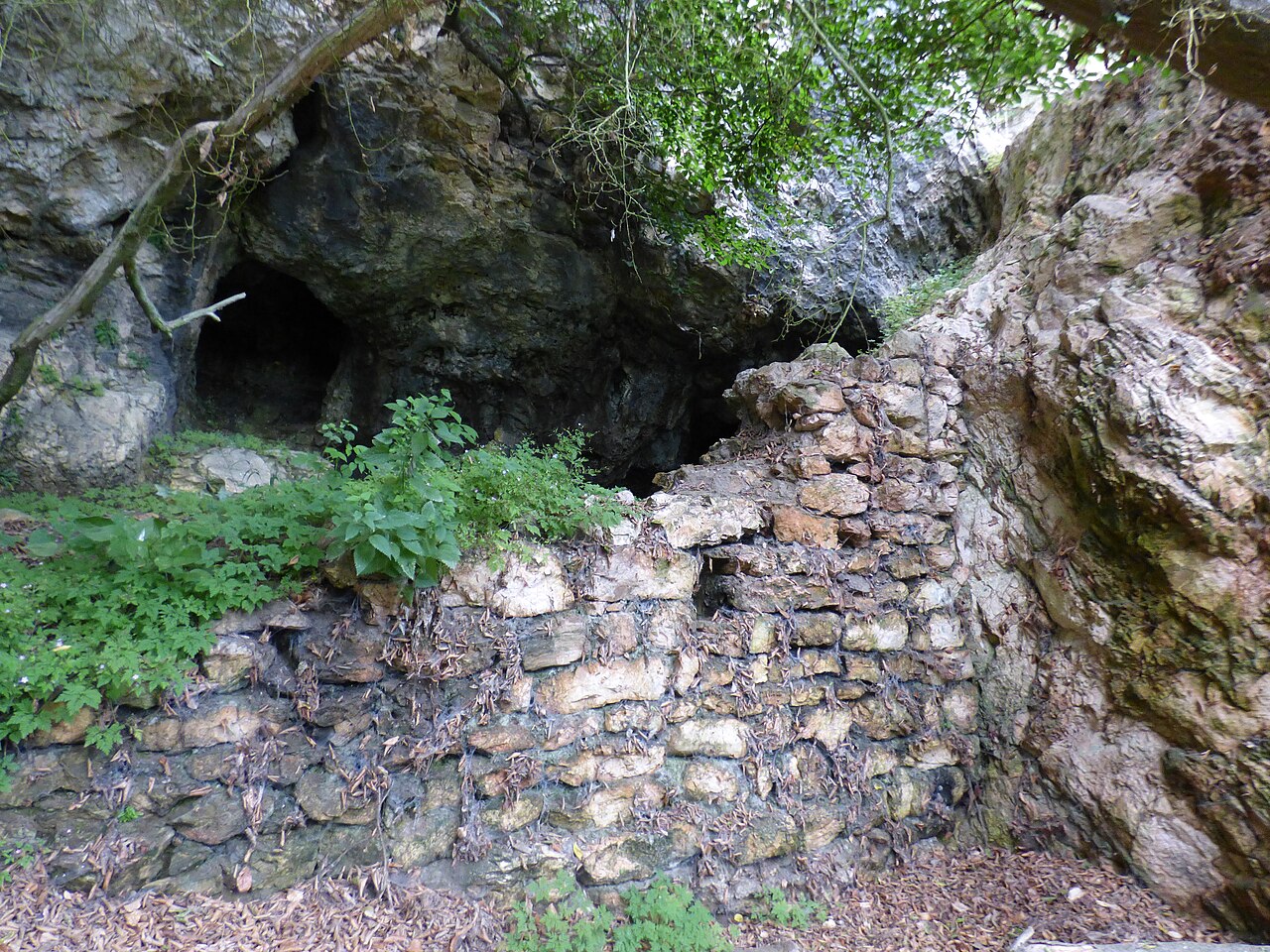
The remains of Burgruine Waisenberg reveal typical characteristics of a hill castle from the medieval era. Although much of the structure lies in ruins today, archaeological studies have identified foundational walls, remnants of defensive towers, and sections of curtain walls that once enclosed the inner courtyard. The castle's design emphasized defense, with thick stone walls and limited access points to deter attackers.
Key features likely included a keep or donjon, serving as the last line of defense and residence for the lord, as well as a gatehouse controlling entry to the complex. The castle's elevated position and rugged terrain enhanced its defensibility, a common trait among hill castles constructed during this period.
Decline and current condition
Like many medieval castles, Burgruine Waisenberg fell into disuse and decay over the centuries, particularly following changes in military technology and political shifts that rendered such fortifications less relevant. Today, the site is classified as ruins and an archaeological site, with only partial walls and foundations visible. The ruins offer valuable insights into medieval fortification architecture and the historical landscape of Carinthia.
Visiting Burgruine Waisenberg
The castle ruins are accessible to visitors interested in history, archaeology, and hiking. The hilltop location provides panoramic views of the surrounding countryside, making it a rewarding destination for those exploring Carinthia's medieval heritage. While there are no extensive visitor facilities on-site, the area is appreciated for its natural beauty and historical significance.
Burgruine Waisenberg in the context of Carinthian castles
Carinthia is home to numerous castles and fortifications, each reflecting different periods and architectural styles. Burgruine Waisenberg contributes to this rich tapestry as an example of a High Medieval hill castle that played a role in regional defense and governance. Its ruins complement other nearby sites, offering a glimpse into the feudal past and the strategic importance of the region during medieval times.
Frequently asked questions (FAQ)
- What is the historical significance of Burgruine Waisenberg?
- Burgruine Waisenberg is a medieval castle located in Austria, known for its strategic position and historical relevance in the region. It dates back to the 12th century and played a vital role in the defense against invasions, showcasing the architectural styles of its time.
- When was Burgruine Waisenberg constructed?
- The construction of Burgruine Waisenberg began in the late 12th century, with various modifications and expansions made over the years. This castle reflects the evolving architectural trends and military needs of the medieval period.
- How do I get to Burgruine Waisenberg?
- Burgruine Waisenberg is accessible by car and public transport. Visitors can take a train to the nearest town and then use local bus services or taxis to reach the castle, which is situated in a picturesque hilltop location.
- What are the opening hours of Burgruine Waisenberg?
- Burgruine Waisenberg is open to visitors from April to October, typically from 9 AM to 6 PM daily. It's recommended to check the official website for any seasonal variations or special events that might affect opening times.
- Is it possible to visit Burgruine Waisenberg with children?
- Yes, Burgruine Waisenberg is family-friendly and offers a fascinating glimpse into history for visitors of all ages. The castle grounds are spacious, allowing children to explore safely while learning about the medieval era.
- Can I buy tickets in advance for Burgruine Waisenberg?
- Tickets for Burgruine Waisenberg can usually be purchased at the entrance, but during peak season, it’s advisable to arrive early. Some local tourism websites may also offer advance ticket sales for special events.
- What is the best time to visit Burgruine Waisenberg?
- The best time to visit Burgruine Waisenberg is during the spring and early autumn months when the weather is mild and the surrounding scenery is at its most beautiful. This period also tends to have fewer visitors compared to the height of summer.
- Are there any nearby attractions to explore after visiting Burgruine Waisenberg?
- Yes, visitors can explore several nearby attractions, including the charming town of Krems and the scenic Danube River valley. Other historical sites and natural parks are also within a short drive, making it a perfect day trip destination.
- Is Burgruine Waisenberg accessible for visitors with disabilities?
- While Burgruine Waisenberg offers stunning views and historical significance, accessibility may be limited due to its hilltop location and uneven terrain. It is advised to contact the site in advance to inquire about specific accessibility options available for visitors with disabilities.
Photo gallery

Photo by Willi04•Public domain
Information
Loading map...
Visitor reviews
No reviews yet. Been here? Write the first review and help other travelers!
Write the first reviewVisited this castle? Share your experience
Your review helps other travelers and adds first-hand knowledge to our encyclopedia.