Burgruine Reinegg — Austria castle

Burgruine Reinegg

Burgruine Reinegg castle ruins in Carinthia, Austria
Ruins

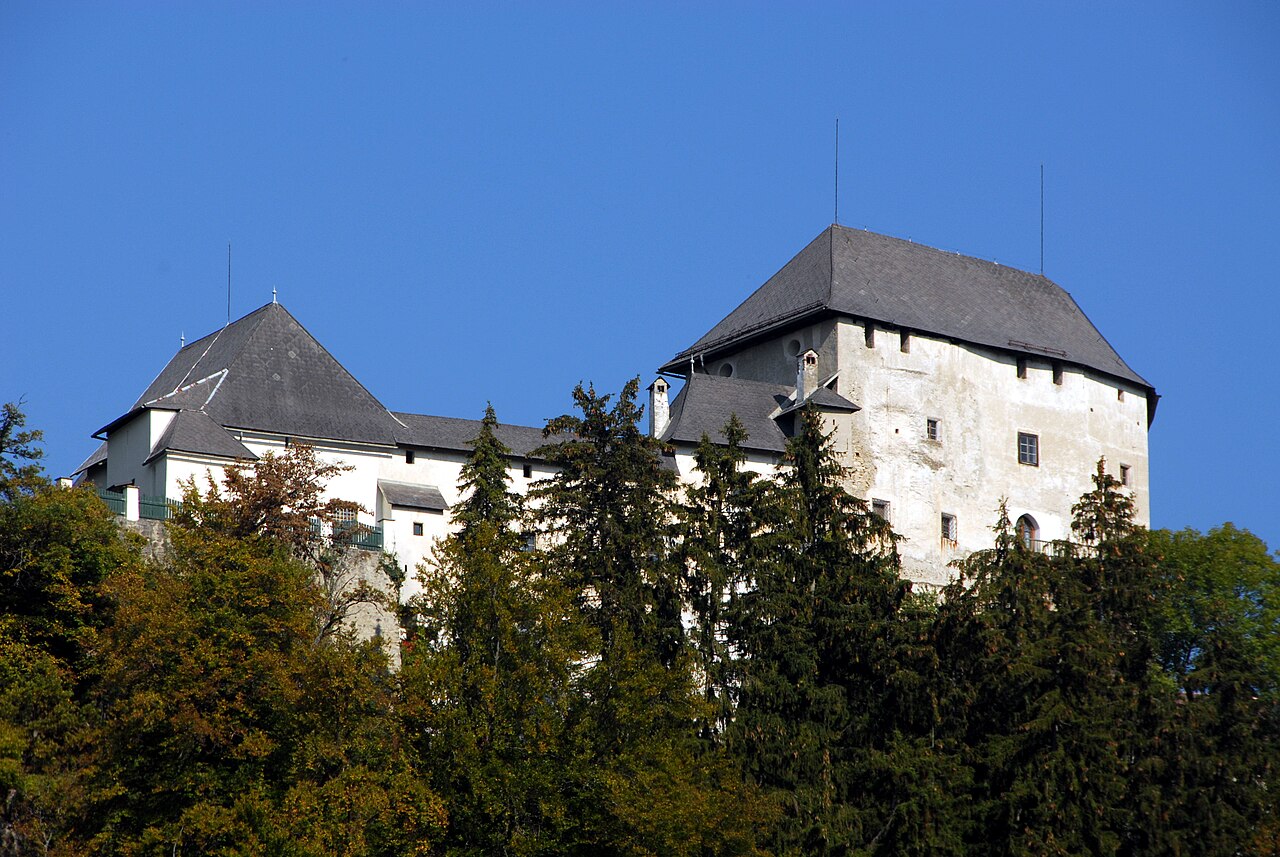
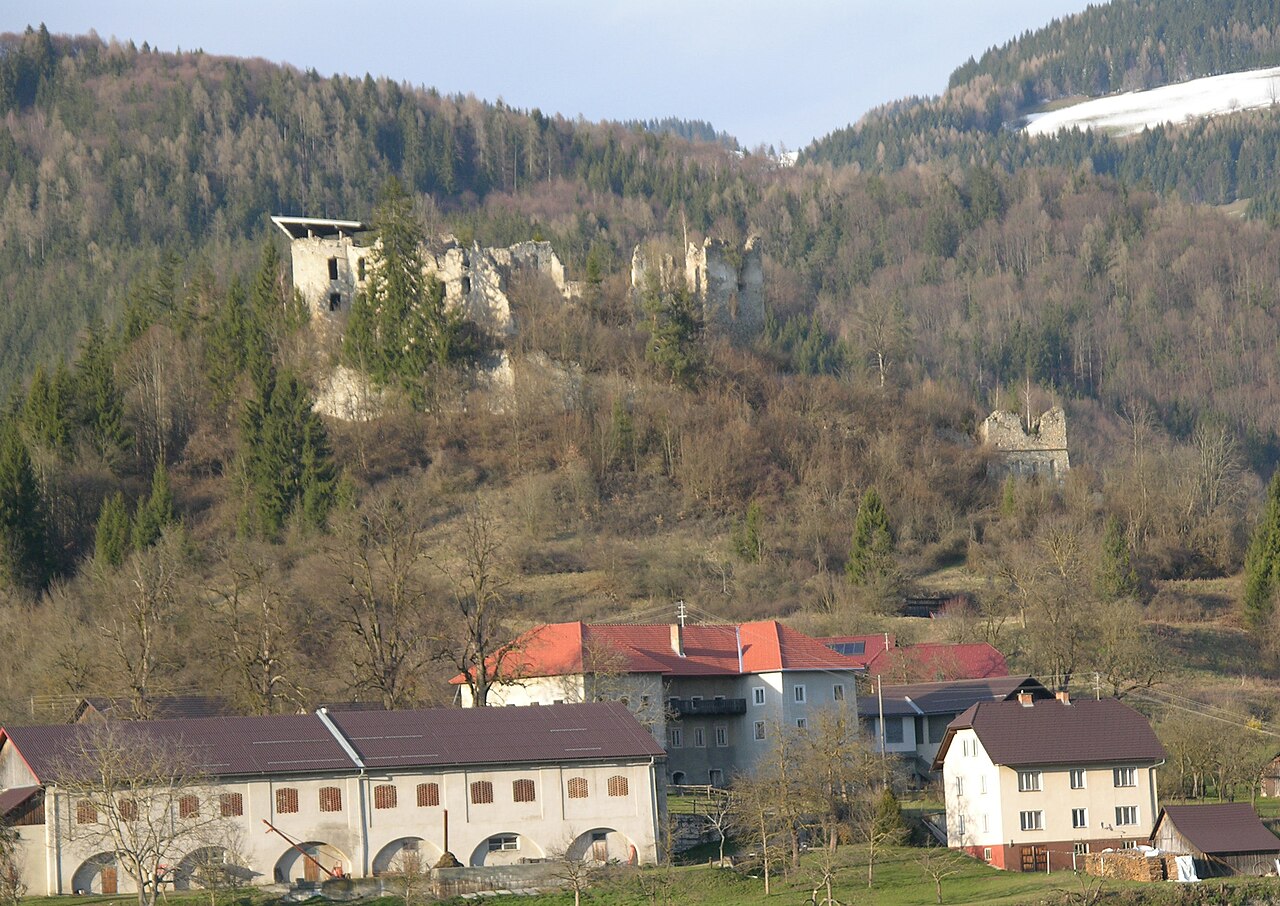
Burgruine Reinegg is a notable castle ruin situated in the region of Carinthia, Austria. This site represents the remains of a medieval fortress that once played a role in the local defensive network during the High to Late Medieval periods. Though now in a state of ruins, Burgruine Reinegg offers valuable insights into the architectural and military strategies of its time.

Historical context and significance

The castle was originally constructed in the medieval era, likely between the 12th and 14th centuries, a period marked by territorial conflicts and feudal power struggles in the region. Burgruine Reinegg served as a strategic stronghold overseeing important routes and local settlements in Carinthia. Its positioning would have allowed control over surrounding lands and protection against invading forces.

Throughout its history, the castle was associated with various noble families, although specific records are limited due to the fragmentary nature of surviving documents. The decline of Burgruine Reinegg began in the Late Middle Ages, as changes in military technology and political shifts rendered many such fortifications obsolete. By the early modern period, the castle had fallen into disuse and decay.

Architectural features and layout

As a medieval hill castle, Burgruine Reinegg was constructed primarily for defense. The ruins reveal remnants of thick stone walls designed to withstand sieges and attacks. The castle likely included a keep or donjon as its central stronghold, surrounded by curtain walls and defensive towers.

Although much of the structure has collapsed, archaeological investigations have uncovered traces of gatehouses, battlements, and possibly a moat or ditch for added protection. The castle's elevated location provided natural defense advantages, complemented by man-made fortifications.

Defensive elements

The surviving ruins suggest the presence of arrow slits and other openings adapted for archers to defend the castle while remaining protected. The walls' thickness and construction techniques reflect typical medieval methods aimed at maximizing durability against siege engines.

Current condition and preservation

Today, Burgruine Reinegg exists as an archaeological site with ruined walls and foundations visible to visitors. The site is partially overgrown but accessible for exploration and study. Preservation efforts focus on maintaining the ruins to prevent further deterioration while allowing public access to this cultural heritage landmark.

The castle ruins provide an important educational resource for understanding medieval fortifications in Carinthia and contribute to the region's historical tourism.

Visiting Burgruine Reinegg

Visitors to Burgruine Reinegg can experience a glimpse of medieval architecture amidst natural surroundings. The site offers a quiet, reflective atmosphere ideal for those interested in history, archaeology, and castle architecture. While facilities may be limited due to its ruinous state, the location is rewarding for hikers and cultural tourists alike.

Access and visitor tips

  • The castle ruins are accessible by footpaths from nearby towns in Carinthia.
  • There are no entrance fees; the site is open year-round, though weather conditions can affect accessibility.
  • Visitors should wear sturdy footwear and be prepared for uneven terrain.
  • Informational signage may be limited, so prior research or guided tours can enhance the experience.

Burgruine Reinegg in the context of Carinthian castles

Burgruine Reinegg is one of several medieval castles in Carinthia, a region known for its rich history of fortifications. It complements other nearby castles by illustrating the variety of defensive architectures and the historical evolution of castle construction in the Austrian Alps.

Its ruins contribute to the broader understanding of feudal society, military architecture, and regional power dynamics during the medieval period.

Frequently asked questions (FAQ)

What is the historical significance of Burgruine Reinegg?
Burgruine Reinegg is a remarkable castle ruin located in Austria that dates back to the 12th century. It served as a strategic fortification for the region and played a key role in local conflicts throughout its history. Today, it stands as a testament to medieval architecture and offers insights into the historical landscape of Austria.
When was Burgruine Reinegg built?
Construction of Burgruine Reinegg began in the early 12th century, making it one of the oldest castles in the area. Over the centuries, it underwent various modifications and expansions, reflecting the architectural styles of different periods. The castle was eventually abandoned in the 17th century, leading to its current state as a picturesque ruin.
Can I visit Burgruine Reinegg?
Yes, Burgruine Reinegg is open to visitors who wish to explore its historical grounds and enjoy stunning views of the surrounding landscape. While there are no entry fees, visitors are encouraged to respect the site's preservation efforts. Be sure to check local guidelines for any specific visiting hours or restrictions.
Is it possible to access Burgruine Reinegg by public transport?
Yes, you can reach Burgruine Reinegg via public transport, with nearby bus and train options available. However, some walking may be required to get to the castle from the nearest transport stops. It's advisable to plan your route in advance to ensure a smooth visit.
What are the opening hours of Burgruine Reinegg?
Burgruine Reinegg is generally accessible year-round, but specific opening hours may vary depending on the season and local regulations. It is advisable to check the official website or local tourist information for the most current visiting times before planning your trip. Early morning or late afternoon visits can provide a quieter experience.
What is the best time to visit Burgruine Reinegg?
The best time to visit Burgruine Reinegg is during the spring and early autumn months when the weather is mild, and the scenery is particularly beautiful. This period offers a pleasant climate for exploring the castle and its surroundings. Additionally, visiting during weekdays can help avoid larger crowds.
Are there any nearby attractions to Burgruine Reinegg?
Yes, there are several attractions near Burgruine Reinegg, including scenic hiking trails and other historical sites. The picturesque town of Klagenfurt is also a short drive away, offering cultural experiences and local cuisine. Plan to spend a day exploring the area to fully enjoy its natural beauty and rich history.
What are the ticket prices for Burgruine Reinegg?
There are no ticket prices for entering Burgruine Reinegg, as it is a free-to-visit ruin. However, donations for maintenance and preservation are welcome and greatly appreciated by the local community. Visitors are encouraged to support the site to help maintain its historical significance for future generations.

Photo gallery

Burgruine Reinegg
Click to view

Photo by Niki.L•CC BY-SA 4.0

1 photo • Click any image to view in full screen

Information

Archaeological Site / Ruins

Loading map...

Visitor reviews

No reviews yet. Been here? Write the first review and help other travelers!

Write the first review

Visited this castle? Share your experience

Your review helps other travelers and adds first-hand knowledge to our encyclopedia.
Write a review

(5/5)

0/2000 characters

Your review will be visible after admin approval

Nearby castles

4.3 km
Burgruine Waisenberg — Austria castle

Burgruine Waisenberg

, Austria

Burgruine Waisenberg is a medieval castle ruin situated in the scenic region of Carinthia, Austria. Perched on a hilltop, this castle stands as a significant example of the numerous fortifications that once dotted the Carinthian landscape, serving both defensive and administrative roles during the High Medieval period. Historical background and strategic importance The castle was originally constructed during the 12th or 13th century, a period marked by the proliferation of hill castles across the region. Its location atop a prominent elevation provided commanding views over the surrounding valleys, allowing for early detection of approaching enemies and control over important trade routes. Burgruine Waisenberg was part of a network of fortifications that helped secure the territories of local noble families and protect the region from external threats. Architectural features and layout The remains of Burgruine Waisenberg reveal typical characteristics of a hill castle from the medieval era. Although much of the structure lies in ruins today, archaeological studies have identified foundational walls, remnants of defensive towers, and sections of curtain walls that once enclosed the inner courtyard. The castle's design emphasized defense, with thick stone walls and limited access points to deter attackers. Key features likely included a keep or donjon, serving as the last line of defense and residence for the lord, as well as a gatehouse controlling entry to the complex. The castle's elevated position and rugged terrain enhanced its defensibility, a common trait among hill castles constructed during this period. Decline and current condition Like many medieval castles, Burgruine Waisenberg fell into disuse and decay over the centuries, particularly following changes in military technology and political shifts that rendered such fortifications less relevant. Today, the site is classified as ruins and an archaeological site, with only partial walls and foundations visible. The ruins offer valuable insights into medieval fortification architecture and the historical landscape of Carinthia. Visiting Burgruine Waisenberg The castle ruins are accessible to visitors interested in history, archaeology, and hiking. The hilltop location provides panoramic views of the surrounding countryside, making it a rewarding destination for those exploring Carinthia's medieval heritage. While there are no extensive visitor facilities on-site, the area is appreciated for its natural beauty and historical significance. Burgruine Waisenberg in the context of Carinthian castles Carinthia is home to numerous castles and fortifications, each reflecting different periods and architectural styles. Burgruine Waisenberg contributes to this rich tapestry as an example of a High Medieval hill castle that played a role in regional defense and governance. Its ruins complement other nearby sites, offering a glimpse into the feudal past and the strategic importance of the region during medieval times.

High Medieval (11th–13th c.)
Details
7.8 km
Mannsberg Castle — Austria castle

Mannsberg Castle

Kappel am Krappfeld, Austria

Mannsberg Castle is a significant high medieval hill castle located in Kappel am Krappfeld, within the region of Carinthia, Austria. First mentioned between 1065 and 1075, the castle stands as one of the enduring medieval fortifications in the area, reflecting centuries of architectural and historical development. Historical background and ownership The castle's early documentation in the late 11th century places it among the older castles in Carinthia. Over the centuries, Mannsberg Castle has been held by several noble families, which contributed to its preservation and continuity. Despite numerous changes in ownership, the castle has remarkably retained much of its original structure, particularly since the 15th century, indicating limited major reconstruction or expansion during later periods. Architectural features and layout Mannsberg Castle is classified as a hill castle, a type built on elevated terrain to provide strategic defensive advantages. Its position on a hill allowed clear views of the surrounding landscape, essential for early warning and defense. The castle's core structures date from the high medieval period, with significant elements preserved from the 15th century. The castle's design includes typical medieval defensive features such as thick stone walls and a fortified gatehouse. The layout likely comprises a central courtyard surrounded by residential and defensive buildings, although detailed plans are scarce due to its private ownership and limited public access. The chapel and later additions A notable feature within the castle is its chapel, which was adorned with stucco decorations in 1711. This addition reflects the castle's continued use and adaptation into the early modern period, blending medieval fortification with baroque artistic elements. The chapel's stucco work is an important example of early 18th-century ecclesiastical decoration within a castle setting. Preservation and current status Today, Mannsberg Castle remains privately owned and has not undergone significant structural changes since the 15th century, preserving its historical integrity. Its condition can be described as well preserved given the survival of original medieval fabric and the early 18th-century chapel enhancements. The castle's private ownership means it is not widely accessible to the public, which has helped protect it from extensive modern alterations. Location and regional significance Situated in Kappel am Krappfeld, Carinthia, Mannsberg Castle is part of Austria's rich medieval heritage. The region is known for its strategic importance during the medieval period, with numerous castles and fortifications established to control trade routes and territorial boundaries. Mannsberg Castle contributes to understanding the feudal landscape and defensive architecture of Carinthia during the high medieval era. Visiting Mannsberg Castle As a privately owned property, Mannsberg Castle does not offer regular public tours. Visitors interested in medieval castles in Carinthia can explore other nearby sites with public access. The castle's exterior and surrounding landscape can be appreciated from public roads and viewpoints in the vicinity. Architectural and historical importance Mannsberg Castle stands as a testament to the medieval fortification strategies employed in the Carinthian region. Its preservation of 15th-century structures alongside the 18th-century chapel provides a layered historical narrative, showcasing the transition from medieval defensive needs to early modern residential and religious functions. The castle's enduring presence enriches the cultural fabric of Austria's castle heritage.

High Medieval (11th–13th c.)
Details
9.5 km
Hochosterwitz Castle — Austria castle

Hochosterwitz Castle

Sankt Georgen am Langsee, Austria

Hochosterwitz Castle stands as one of Austria's most impressive medieval castles and is a prominent landmark in the region of Carinthia. Perched atop a 172-metre high dolomite rock near Sankt Georgen am Langsee, the fortress dominates the surrounding landscape, visible from up to 30 kilometres away on clear days. Its strategic position atop a conical hill has made it a formidable defensive site since its earliest days. The castle's origins trace back to the 9th century, with the first written mention in an 860 deed by King Louis the German, who donated properties in the area to the Archdiocese of Salzburg. Archaeological evidence reveals continuous settlement on the site from the early Bronze Age, with artifacts from the Hallstatt and La Tène cultures, as well as Roman relics, indicating its long-standing strategic importance. Historical development and ownership Initially under the control of the Archbishopric of Salzburg, the castle was granted as a fief in the 11th century to the House of Sponheim, who entrusted it to the Schenken von Osterwitz family. This family held the hereditary office of cupbearers to the Dukes of Carinthia from 1209. The castle's history is intertwined with regional power struggles, including the Investiture Controversy. The decline of the Osterwitz family came in the 15th century when Georg von Osterwitz was captured during a Turkish raid and died in captivity in 1476 without heirs. Consequently, the castle reverted to Emperor Frederick III in 1478. The following decades saw damage from repeated Turkish incursions. In 1509, Emperor Maximilian I granted the castle as a pledge to Matthäus Lang von Wellenburg, then Bishop of Gurk and later Archbishop of Salzburg, who initiated significant restoration and fortification efforts. Around 1541, Ferdinand I bestowed the castle on Christof Khevenhüller, the Carinthian governor, and in 1571, Baron George Khevenhüller purchased it outright. Between 1570 and 1586, he transformed Hochosterwitz into an impregnable Renaissance fortress with the construction of 14 fortified gates and an arsenal, a unique feature in citadel architecture. Architectural features and fortifications Hochosterwitz Castle is a classic example of a hill castle built to maximize natural defenses. The castle complex is accessed via a 620-metre long fortified road that ascends the rock, passing through 14 massive gates. Each gate was ingeniously designed with defense mechanisms such as drawbridges, iron-barred shutters, murder holes, and arrow slits, forcing attackers to confront each barrier under heavy defensive fire. The gates are richly decorated with marble and limestone reliefs, inscriptions, and heraldic emblems, many depicting Georg II von Khevenhüller in full armor alongside religious motifs. The gates include the Fähnrichtor (Flag Bearers’ Gate), Wächtertor (Guard Gate), Nautor (Ship Gate), Engelstor (Angel Gate), Löwentor (Lion Gate), and others, each with unique defensive and artistic features. The castle's core features a square bergfried (keep), residential palas buildings, and a small chapel dedicated to St. Nicholas, dating back to at least the late 14th century. The chapel contains a barrel-vaulted ceiling painted with portraits of the apostles and a Baroque altar depicting the Holy Family. Surrounding the core is a curtain wall with battlements and arrow slits. A notable element is a 20-meter deep cistern that collects rainwater, essential for sustaining the castle during sieges. Below the main fortress lies the church of St. John Nepomuk, accessible through the thirteenth gate, featuring an Italian-style portal adorned with busts of the twelve apostles and Christ, along with a Baroque high altar. Since 1607, it has served as the burial site for the princely Khevenhüller-Metsch family. Cultural significance and legends The castle is steeped in local legend, including a famous tale of a siege by Countess Margaret of Tyrol. According to the story, the castle defenders cleverly deceived the besieging army by slaughtering their last ox, filling its hide with grain, and throwing it over the walls to suggest abundant supplies, causing the attackers to retreat. While historically unverified, this legend highlights the castle's reputation for impregnable defense. Hochosterwitz has been a cultural symbol of resilience and strategic ingenuity in Carinthian history. Its preservation and continuous ownership by the Khevenhüller family since the 16th century underscore its importance as a heritage site. Modern access and visitor experience The castle is open to the public annually from Easter to the end of October. Visitors can explore the 620-metre long pathway through the 14 gates, each featuring informative diagrams explaining the defensive mechanisms employed. The castle houses a museum with collections of prehistoric artifacts, paintings, weapons, and armor, including a remarkable 2.4-metre tall suit of armor once worn by Burghauptmann Schenk. Access to the summit is facilitated by a modern inclined elevator installed in 2017, replacing a previous funicular. This elevator provides barrier-free access, overcoming nearly 100 meters in height along a steep slope of 60 degrees, making the castle accessible to visitors with limited mobility. The castle's elevated position offers panoramic views of the surrounding Carinthian landscape, including mountain ranges and valleys, enhancing the visitor experience with both historical insight and natural beauty. Museum and collections The castle museum showcases the Khevenhüller family's history and the region's cultural heritage. Exhibits include medieval weapons, armor, historical documents, and artworks spanning several centuries. Notably, the giant suit of armor measuring 2.4 meters tall exemplifies the castle's martial legacy and the prominence of its former occupants. Architectural style and preservation Hochosterwitz Castle exemplifies Renaissance military architecture with its extensive fortifications designed to counter the evolving threats of the 16th century, particularly the Turkish invasions. The castle's mannerist style gates blend functionality with artistic ornamentation, featuring intricate reliefs and heraldry. The overall condition of the castle is well preserved, with original structures and defensive features largely intact due to continuous maintenance by the Khevenhüller family.

Early Medieval (5th–10th c.)
Details